
Beyond Books: Transform Your Little Free Library into a Community Hub
You’ve likely encountered a Little Free Library (LFL) in your neighborhood – charming, miniature structures typically found on a post in a front yard, offering free books for neighbors to borrow and return. This beautifully simple concept has blossomed into a global phenomenon, fostering a sense of community, encouraging literacy, and promoting sharing. These delightful installations thrive on participation; a network of several LFLs often creates a vibrant, interconnected literary landscape within a community, making it easy for residents to discover new reads and contribute their own.
While books remain the heart of many Little Free Libraries, the innovative spirit of communities has led to a remarkable expansion of what these humble boxes can offer. People are reimagining these spaces, transforming them into creative outlets for sharing a myriad of items, far beyond the printed page. These imaginative adaptations not only serve practical needs but also strengthen social bonds, spark joy, and encourage a culture of generosity and mutual support. If you’re inspired to contribute to this wonderful movement and share more than just stories, here’s how you can DIY a Little Free Library of your own, or repurpose an existing one, to host an array of surprising and delightful items.
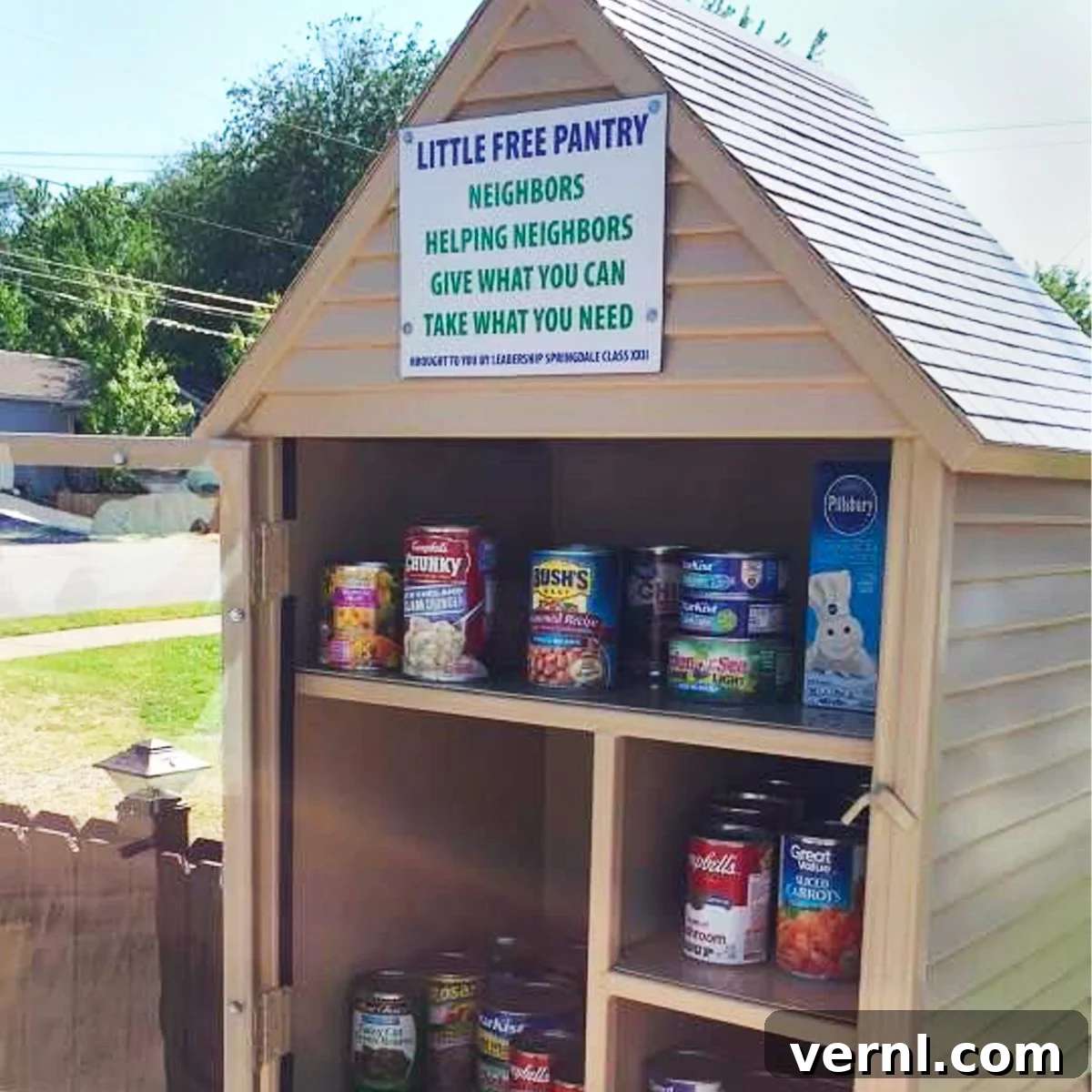
The Little Free Pantry: Nourishing Communities, One Shelf at a Time
Among the most impactful and heartwarming adaptations is the Little Free Pantry, a concept that addresses immediate community needs by offering free access to food and essential supplies. This initiative embodies the principle of “take what you need, leave what you can,” providing a discreet and accessible resource for neighbors facing food insecurity or simply needing a little extra help. Imagine a small cupboard, much like a Little Free Library, stocked with non-perishable food items, toiletries, and other necessities, available 24/7 to anyone who needs them.
The Little Free Pantry nonprofit, launched in May 2016 in Arkansas, has seen phenomenal growth, now boasting locations across all 50 U.S. states and parts of Canada. This widespread adoption highlights the universal need for such resources and the eagerness of communities to support one another. These pantries foster empathy and practical assistance, creating a tangible impact on local welfare. They are especially vital in areas where access to food banks might be limited by hours of operation, transportation, or social stigma.
Starting or contributing to a Little Free Pantry is incredibly rewarding. When stocking a pantry, it’s best to prioritize non-perishable goods that are shelf-stable, such as canned fruits and vegetables, soups, pasta, rice, peanut butter, and cereals. Beyond food, consider adding personal hygiene products like soap, toothbrushes, toothpaste, and feminine hygiene items, which are often overlooked but crucial needs. Remember to check expiration dates and ensure items are in good condition. The Little Free Pantry website offers valuable guidance on frequently asked questions, including optimal stocking choices and best practices for maintaining your pantry. You can easily find the nearest existing pantry or register your own new pantry at their mapping tool here, connecting your efforts with a larger movement of kindness and support.
The Little Free Plant Stand: Cultivating Green Connections
For those with a green thumb or an appreciation for nature, the Little Free Plant Stand offers a delightful way to share the bounty of your garden and foster a love for plants within your community. This popular option transforms the traditional library into a vibrant exchange for flora, where neighbors can share cuttings, seedlings, or even fully grown plants. It’s a wonderful concept that encourages sustainable gardening practices, biodiversity, and neighborly interactions centered around the beauty of the natural world.
Imagine a stand where you can drop off an extra seedling from your vegetable patch, a division from your flourishing perennials (like those you might divide to propagate), or a houseplant that has outgrown its space. In return, you might discover a unique succulent, a vibrant flower, or a new herb to add to your collection. This initiative reduces waste, as plants that might otherwise be discarded find new homes. It also provides an accessible way for budding gardeners to start their own plant collections without significant expense, and for seasoned gardeners to try new varieties.
The Little Free Plant Stand fosters a unique type of community engagement. Neighbors can swap gardening tips, identify unknown plants, and share the joy of watching something grow. It can also beautify the neighborhood by encouraging more green spaces and promoting a shared aesthetic. When contributing, ensure plants are healthy and free of pests. Labeling plants with their common name and basic care instructions (sunlight, water needs) is a thoughtful gesture that helps new owners succeed. This vibrant exchange cultivates not just plants, but also enduring friendships and a deeper connection to the local environment.
The Little Free Blockbuster: Rewinding to Analog Delights
A post shared by FreeBlockbuster.org (@freeblockbuster)
Prepare for a nostalgic trip back to the golden era of physical media, because Little Free Blockbusters are making a comeback in neighborhoods everywhere! And no, you haven’t been transported back to the 90s; these are charming, community-driven movie exchange boxes that echo the beloved video rental stores of yesteryear. Much like their book-focused counterparts, these are neighborhood libraries, but instead of literary works, they house a rotating collection of DVDs, Blu-rays, and sometimes even VHS tapes, offering a delightful analog alternative in our streaming-dominated world.
In a world saturated with digital streaming, the Little Free Blockbuster provides a refreshing, tangible way to discover films. There’s a unique charm in browsing a physical collection, reading the back of a DVD case, and the anticipation of popping a movie into your player. It’s a treasure hunt every time you visit! These boxes allow neighbors to share their favorite films, introduce others to cult classics, or pass along movies they’ve already enjoyed, fostering a shared cinematic experience.
The official Free Blockbuster organization supports this movement, with an active Instagram page @freeblockbuster sharing project ideas and celebrating new installations. Their website offers a map where you can find the nearest location to you, encouraging participation and discovery. When contributing to a Little Free Blockbuster, ensure your movies are in good condition and family-appropriate, keeping the spirit of community sharing alive and well for all ages. It’s more than just a movie swap; it’s a revival of local entertainment and a conversation starter, reminding us of simpler times and the joy of shared experiences.
The Little Free Kindness Rocks: Spreading Positivity, One Stone at a Time
A post shared by Little Free Library (@littlefreelibrary)
In a world that often feels overwhelmed with challenges, the Little Free Kindness Rocks initiative offers a beautiful, tangible way to spread positivity and connect people through simple acts of goodwill. This concept involves decorating ordinary rocks with uplifting messages, colorful designs, or inspiring quotes, and then leaving them for others to find, take, or re-hide. When incorporated into a Little Free Library or a dedicated rock stand, it creates a hub for this heartwarming exchange, encouraging creativity and diffusing joy throughout the community.
The “kindness rock project” has gained immense popularity, largely because it’s an accessible and engaging activity for people of all ages, especially children. Kids love painting rocks with bright colors, glitter, and cheerful images, transforming a plain stone into a mini work of art. The act of creating these rocks can be therapeutic and meditative, while the act of sharing them fosters a sense of purpose and connection. Imagine a child’s delight upon discovering a brightly painted rock with a message like “You are loved” or “Smile!” It’s a small gesture that can make a big difference in someone’s day, offering a momentary spark of happiness and a reminder that kindness exists.
Setting up a Little Free Kindness Rocks station is simple: provide a space for rocks to be displayed, perhaps alongside a note explaining the concept. Encourage people to take a rock that resonates with them, leave a rock they’ve created, or even re-hide a rock they’ve found elsewhere. This continuous cycle of giving and receiving builds community spirit and offers a unique form of public art. It’s an invitation to pause, appreciate beauty, and feel a connection to the anonymous artist who crafted the message. This project is a gentle yet powerful reminder that kindness can be found in the most unexpected places, inspiring a ripple effect of good deeds throughout the neighborhood.
The Little Free Pet Resource Station: Pampering Our Four-Legged Friends
Little Free Libraries aren’t exclusively for humans; our beloved four-legged companions can also benefit from a community sharing point. The “Stick Library,” or more broadly, a Little Free Pet Resource Station, is a fantastic way to show appreciation for local pets and their owners. This innovative idea addresses the simple pleasures and practical needs of neighborhood animals, transforming a standard sharing box into a delightful hub for pet-related goodies.
Instead of tossing fallen sticks from your yard, why not give them a second life by placing them in a stick library? Dogs on their daily walks often delight in finding a new stick to carry or chase. This simple gesture can bring immense joy to a passing pup and their owner. But the concept can be expanded much further. A truly comprehensive Pet Resource Station might offer a variety of items:
- Sticks and Toys: Beyond sticks, durable dog toys (cleaned and in good condition) can provide endless entertainment.
- Treats: Small, individually wrapped pet treats (ensure they are common, safe ingredients or clearly labeled for allergies if known) are a popular addition, bringing immediate happiness to furry visitors.
- Waste Bags: A roll of complimentary dog waste bags can be a lifesaver for owners who have forgotten theirs, promoting responsible pet ownership and keeping the neighborhood clean.
- Leashes or Collars: Gently used, clean leashes or collars in various sizes could be available for those in need, perhaps for a new rescue pet or as a temporary replacement.
- Pet Food Samples: Small, sealed samples of pet food could be a welcome relief for owners facing temporary financial hardship, providing a little extra help when it’s most needed.
When curating a Pet Resource Station, it’s crucial to consider the elements. Choose items that will “hold up in all weather conditions” to prevent spoilage or damage. For treats and food, sealed containers are essential to maintain freshness and prevent pests. This type of community box not only provides practical items but also celebrates the presence of pets in the neighborhood, encouraging friendly interactions and fostering a more pet-friendly environment. It’s a wonderful way to extend the spirit of sharing to every member of the family, including those with paws and wagging tails.
Tips for Creating Your Own Community Sharing Box
Inspired to start your own unique Little Free initiative? Here are some key considerations to ensure its success and maximize its positive impact:
- Location, Location, Location: Choose a highly visible and easily accessible spot, ideally near a sidewalk or popular walking path. Ensure it doesn’t obstruct foot traffic or violate any local ordinances.
- Durable Construction: Your sharing box will be exposed to the elements. Use weather-resistant materials and design it to be sturdy and secure, protecting its contents from rain, sun, and wind.
- Clear Signage: Clearly label what your box offers (e.g., “Little Free Pantry,” “Plant Swap,” “Dog Treat Station”) and include simple instructions like “Take what you need, leave what you can” or “Please return when finished.”
- Regular Maintenance: Periodically check your box to tidy it, remove damaged items, and restock if necessary. This shows dedication and encourages continued use.
- Community Engagement: Spread the word! Share your initiative on local social media groups, neighborhood forums, or through word-of-mouth. Encourage neighbors to contribute and take ownership.
- Safety and Hygiene: Especially for food or pet items, prioritize safety. Only accept non-perishable, sealed, and unexpired food. For pet items, ensure they are clean and safe.
- Personal Touch: Decorate your box to make it inviting and aesthetically pleasing. A unique design can attract more attention and reflect the spirit of your community.
The Enduring Power of Neighborhood Sharing
The evolution of the Little Free Library concept into these diverse community sharing boxes highlights a profound human desire: to connect, to give, and to support one another. These initiatives go far beyond the items they contain; they build bridges between neighbors, fostering empathy, reducing waste, and creating vibrant, resilient communities. Whether it’s a book, a can of soup, a plant cutting, a classic film, a painted rock, or a sturdy stick for a playful pup, each exchange is a small act of kindness that strengthens the fabric of our neighborhoods.
By transforming a simple box into a beacon of generosity, these Little Free structures remind us that the greatest treasures are often shared freely. They encourage us to look beyond ourselves, to consider the needs and joys of our neighbors, and to participate actively in making our local areas more inclusive, sustainable, and joyful places to live. So, whether you decide to build one from scratch, contribute to an existing one, or simply enjoy the gifts they offer, these community sharing boxes are a testament to the enduring power of neighborly spirit.