
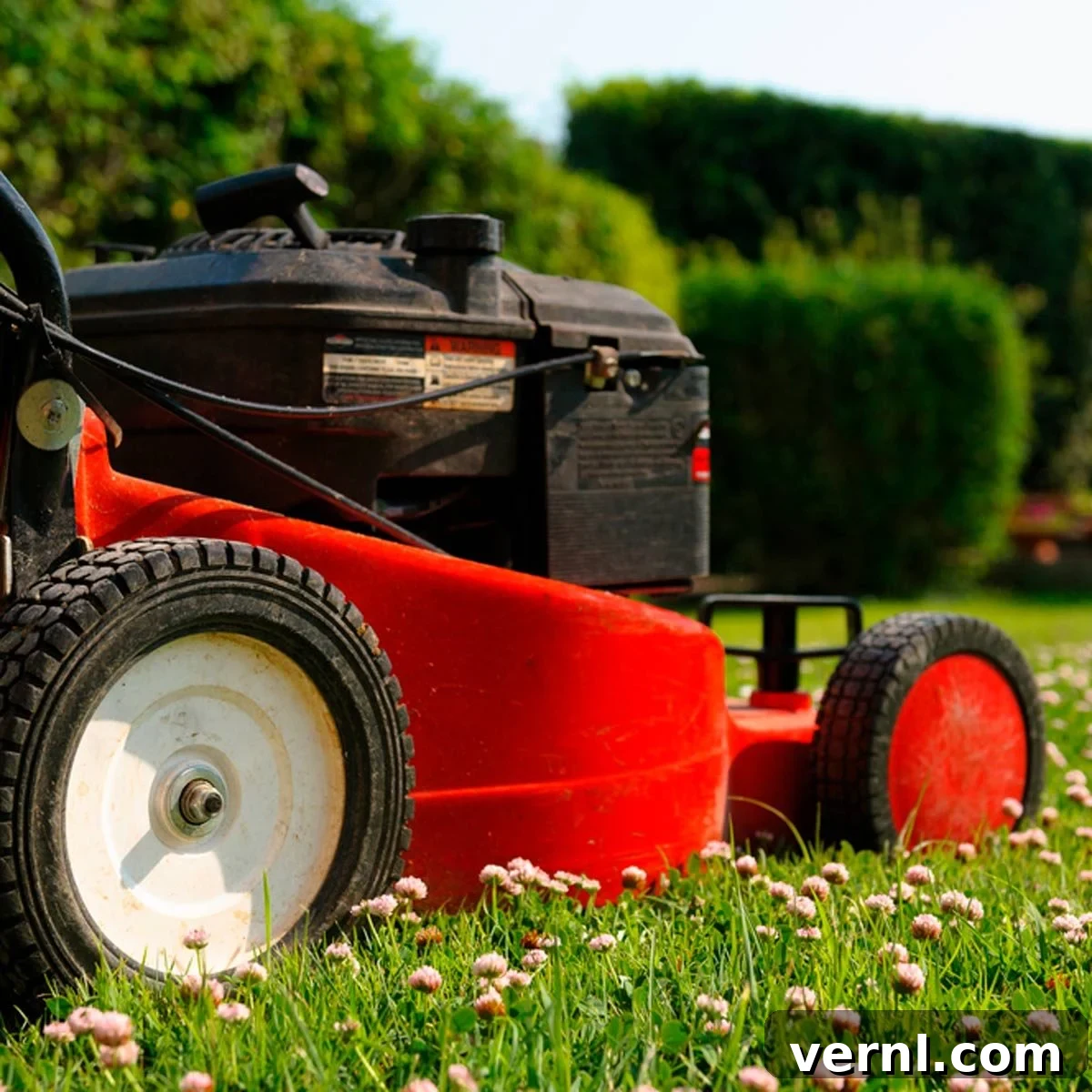
Achieving a vibrant, healthy, and visually stunning lawn goes far beyond simply pushing a mower around the yard. While often perceived as a basic chore, proper lawn mowing is a nuanced art and science that forms the bedrock of effective lawn care. The way you cut your grass profoundly impacts its health, resilience, and overall aesthetic appeal. Mastering the correct techniques can transform a struggling patch of green into a lush, thriving carpet, boosting your home’s curb appeal and providing a beautiful outdoor space for relaxation and enjoyment. Neglecting these fundamental principles, however, can lead to a host of problems, from weakened turf and increased susceptibility to diseases to an unsightly, uneven landscape.
Many homeowners inadvertently make common mowing mistakes that undermine their efforts to cultivate a perfect lawn. This comprehensive guide will delve into the essential do’s and don’ts of lawn mowing, offering professional insights and actionable tips to help you cultivate a truly spectacular lawn. By understanding the intricate relationship between your mowing practices and the vitality of your turf, you’ll be equipped to make informed decisions that promote robust growth, deter weeds, and maintain an enviable verdant expanse throughout the seasons. Prepare to unlock the secrets of professional-grade lawn care and discover how thoughtful mowing can be the single most impactful step towards a healthy, breathtaking lawn.
Don’t Mow During the Hottest Part of the Day
Timing is everything when it comes to lawn care, and mowing is no exception. Pol Bishop, a seasoned gardening and landscape expert with Fantastic Gardeners, strongly advises against mowing your lawn during the peak heat of the day, which typically falls between 10 a.m. and 2 p.m. Mowing under intense midday sun subjects your grass to immense stress. The blades, freshly cut and exposed, are more vulnerable to scorching from direct sunlight and rapid dehydration. The high temperatures cause grass to lose a significant amount of water through transpiration, and without adequate time to recover, it struggles to heal from the trauma of being cut.
Instead, the optimal times for mowing are in the early morning, before 10 a.m., or in the cooler evening hours. Mowing in the morning allows the grass blades to dry off from dew, reducing the risk of fungal diseases and ensuring a cleaner cut. This also gives the grass ample time to recover before the day’s heat sets in. Evening mowing, on the other hand, provides the turf with several hours of cooler temperatures and nighttime moisture to recuperate before facing the next day’s sun. This thoughtful approach minimizes stress on the grass, conserves moisture within the plant structure, and significantly contributes to its overall health and vibrant appearance. Avoiding the midday sun is a crucial step in preventing heat stress, promoting faster recovery, and ensuring your lawn remains lush and resilient.
Do Leave the Grass Clippings
One of the most effective and often overlooked practices for nurturing a healthy lawn is “grasscycling”—the simple act of leaving grass clippings on the lawn after mowing. Far from being mere waste, these clippings are a natural, nutrient-rich resource that can significantly enhance your soil health and reduce the need for synthetic fertilizers. As the clippings decompose, they release essential nutrients such back into the soil, including nitrogen, phosphorus, and potassium, which are vital for vigorous grass growth. This continuous cycle of nutrient return acts as a natural, slow-release fertilizer, feeding your lawn from the top down and promoting a more robust root system.
Zach Reece, a lawn care and home improvement professional and owner of Colony Roofers, an Atlanta roofing company, emphasizes the multiple benefits: “Definitely use grass clippings as mulch. This minimizes water loss, retains soil moisture, and lowers the soil temperature.” Beyond nutrient enrichment, the clippings form a protective layer that helps retain precious soil moisture, especially during dry spells, and moderates soil temperature, providing a more stable environment for microbial activity. Contrary to a common misconception, finely chopped grass clippings do not contribute to thatch buildup when mowed regularly at the correct height. Instead, they quickly break down, improving soil structure and fostering a thriving microbial ecosystem. Embrace grasscycling to naturally fertilize your lawn, enhance moisture retention, and reduce your environmental footprint by minimizing organic waste.
Don’t Cut Wet Grass
While it might be tempting to tackle an overgrown lawn immediately after rain or during periods of high dew, mowing wet grass is a practice best avoided for several compelling reasons. Emma Sothern, a gardening and lawn expert who co-manages the website Garden Zoo, cautions against it: “No matter how scraggly your yard has gotten during rainy weeks, avoid cutting it while it’s still wet. Cutting wet grass inhibits growth and raises the chance of soil compaction.” When grass is wet, the blades tend to stick together, making it nearly impossible for your mower to deliver a clean, even cut. Instead, the blades are often torn and ragged, leaving open wounds that are highly susceptible to fungal diseases and stress.
From a mechanical standpoint, wet grass clogs the mower deck, reduces cutting efficiency, and can lead to uneven patches and unsightly clumps of clippings that suffocate the underlying turf. Moreover, the weight of the mower on wet soil can lead to severe soil compaction. Compacted soil restricts oxygen and nutrient flow to the grass roots, impeding growth and leading to a weakened, thin, and eventually brown lawn if not addressed through aeration. Waiting for your lawn to dry out ensures a cleaner cut, prevents the spread of diseases, protects your soil structure, and prolongs the life of your mower. Patience in this scenario truly pays off in the long-term health and appearance of your turf.
Do Rotate Your Mowing Pattern
Achieving a uniformly healthy and aesthetically pleasing lawn involves more than just cutting the grass; it requires strategic planning. Glen DellaValle, CEO of DellaValle Management, a property management company in Lexington, Ky., responsible for over 150 acres of private lawn, strongly advocates for frequently changing your mowing pattern. “Rotating the pattern in which you cut your grass will help it be more evenly cut over the long term,” he states. This practice ensures that grass blades are bent in different directions with each mow, preventing them from developing a permanent lean and encouraging upright growth, which leads to a more consistent and professional-looking finish.
Beyond the visual benefits, rotating your mowing pattern plays a crucial role in maintaining soil health. Consistently mowing in the same direction can cause the mower’s wheels to compact the soil repeatedly along the same paths. Soil compaction is detrimental because it reduces the air pockets necessary for healthy root growth and nutrient absorption, ultimately weakening the turf. By varying your routes—mowing north-south one time, east-west the next, and diagonally on subsequent passes—you distribute the weight of the mower more evenly across the lawn. This prevents localized compaction, promotes a stronger, deeper root system, and helps your grass better access water and nutrients, leading to a more resilient and vibrant lawn. Experiment with different patterns like straight lines, diagonals, or even cross-hatching to keep your lawn thriving and looking its best.
Don’t Cut It Too Short
One of the most common and damaging mistakes homeowners make is scalping their lawn by cutting the grass too short. While a very short cut might seem to reduce the frequency of mowing, it severely compromises the health and vitality of your turf in the long run. The ideal height for cutting grass is often taller than many people realize. Taller grass blades allow for increased photosynthesis, the process by which plants convert sunlight into energy. More leaf surface area means more efficient energy production, leading to a stronger, more robust plant with deeper roots.
Furthermore, a slightly taller lawn provides natural shade to the soil surface, which is incredibly beneficial during hot summer months. This shade helps to significantly reduce water evaporation, keeping the soil cooler and more moist, thus decreasing your irrigation needs. Taller grass also acts as a natural deterrent against weeds. By shading the soil, it prevents weed seeds from germinating and competing with your desirable turf for nutrients and water. Aim for a grass height of between two and 3-3/4 inches for most common lawn types. This allows the grass to develop a healthy root system, better withstand environmental stresses like drought and heat, and naturally outcompete invasive weeds, contributing to a denser, greener, and more resilient lawn.
Do Keep Your Mower Blade Sharp
The sharpness of your lawn mower blade has a profound impact on the health and appearance of your lawn, a detail often overlooked by many homeowners. It’s crucial to regularly sharpen your lawn mower blade to ensure a clean, precise cut. Coulter Lewis, co-founder and CEO of Sunday, a direct-to-consumer lawn care company, emphasizes this point: “Dull blades tear at grass, making it look frayed and messy and causing undue stress. Torn and shredded grass from dull mower blades is more vulnerable to disease than clean-cut grass.”
When a dull blade rips through grass, it creates jagged, open wounds on the leaf tips. These ragged edges not only give the lawn an unsightly, brown-tipped appearance, but they also stress the grass plant significantly. The torn tissues lose moisture more rapidly, making the lawn more susceptible to dehydration, especially during hot or dry conditions. More critically, these open wounds serve as easy entry points for various lawn diseases and fungal infections, which can quickly spread and devastate your turf. In contrast, a sharp blade delivers a clean, surgical cut, allowing the grass to heal quickly and efficiently, minimizing stress and reducing the risk of disease. A sharp blade also reduces strain on your mower’s engine, making it more fuel-efficient and extending its lifespan. Make blade sharpening a regular part of your lawn maintenance routine—typically after every 20-25 hours of use, or at least once per season—to ensure a healthier, greener, and more resilient lawn. Tools like the Sharpal Knife Sharpener can make this task easier and more accessible for the average homeowner.
Don’t Mow on a Strict Schedule
While consistency is important in lawn care, blindly sticking to a rigid, calendar-based mowing schedule, such as every Saturday morning, is often counterproductive. Grass growth is highly influenced by various environmental factors, including temperature, rainfall, sunlight, and nutrient availability. Resisting the urge to mow on a set day every week and instead periodically assessing your lawn’s actual growth and considering prevailing weather conditions is key to optimal lawn health. For instance, grass typically exhibits a surge of vigorous growth in the spring due to cooler temperatures and abundant moisture, necessitating more frequent mowing.
Conversely, during the oppressive heat and potential drought of mid-summer, many grass types naturally slow their growth or even enter a semi-dormant state, requiring less frequent cuts. The same applies to the end of the growing season as temperatures drop. Mowing too frequently when growth is slow, or not often enough during periods of rapid growth, can both be detrimental. Following the “one-third rule” (never removing more than one-third of the grass blade’s height at a time) is a much better guide for determining mowing frequency. By observing your lawn’s needs rather than a fixed date, you prevent scalping during slow growth and avoid overwhelming the grass with excessive removal during peak growth, promoting a more balanced and stress-free environment for your turf.
Do Let Grass Under Trees Grow Longer
Growing a lush, healthy lawn beneath the canopy of large trees presents a unique set of challenges. Grass under trees must contend with significant shade, reduced air circulation, and fierce competition from tree roots for essential nutrients and soil moisture. To give your turf the best chance of survival and thriving in these demanding conditions, it is highly beneficial to adjust your mowing practices specifically for these areas. The recommendation is to allow the grass under trees to grow longer than the rest of your lawn.
Taller grass blades in shaded areas have a larger surface area for photosynthesis, allowing them to capture more limited sunlight and produce the energy needed for growth. More importantly, maintaining a greater grass height encourages the development of deeper, more extensive root systems. These deeper roots are better equipped to compete with the tree’s own expansive root network for available water and nutrients, leading to a more resilient and drought-tolerant turf. When mowing, remember to raise your mower blade to its highest setting specifically for the areas directly beneath tree canopies. This simple adjustment significantly reduces stress on the grass, conserves moisture in the soil, and helps the turf to establish the robust foundation it needs to thrive in challenging shaded environments, contributing to an overall healthier and more uniform lawn appearance.
Don’t Cut Off More Than a Third of the Grass Blade
This guideline, often referred to as the “one-third rule,” is arguably the most critical principle in promoting a healthy, robust lawn. Professional landscapers universally recommend never removing more than one-third of the grass leaf tissue during any single mow. Violating this rule by cutting off too much at once subjects the grass to severe stress and can significantly weaken your lawn over time. When more than one-third of the blade is removed, the grass plant is forced to expend a disproportionate amount of its energy reserves to recover and regrow its photosynthetic surface, rather than focusing on developing strong roots or building resilience.
This shock can lead to stunted growth, thin patches, increased susceptibility to diseases, and a greater likelihood of weed invasion. To illustrate, if your desired mowing height is three inches, you should ideally let your grass grow no higher than 4-1/2 inches before mowing (3 inches + 1/3 of 3 inches = 4 inches). If your grass has become overgrown and exceeds this threshold, the best approach is to cut it in stages. First, raise your mower to its highest setting and cut the entire lawn. Then, wait a day or two to allow the grass to recover slightly before making a second pass at your desired lower height. This patient, gradual approach minimizes stress, encourages consistent growth, and ensures your lawn remains dense, healthy, and vibrant throughout the growing season.
Do Take Your Time
In our fast-paced world, the temptation to rush through lawn mowing, especially when time is short, can be strong. However, approaching this task with patience and deliberate care is far more beneficial for the long-term health and aesthetic appeal of your lawn. Rushing a lawn mow often results in a multitude of undesirable outcomes: missed patches of grass, uneven cutting heights, unsightly striping, and large clumps of clippings deposited haphazardly across the lawn. These clumps not only look messy but can also smother the underlying grass, leading to bare spots and inviting disease.
A slower, more methodical pace allows your mower to perform optimally, ensuring that each blade of grass is cut cleanly and uniformly. It also gives the mulching capabilities of your mower (if applicable) sufficient time to finely chop the clippings, distributing them evenly back into the turf as valuable nutrients. Taking your time also enables you to be more attentive to your surroundings, spotting and avoiding obstacles like toys, rocks, or uneven terrain that could damage your mower or pose a safety risk. By slowing down, focusing on overlapping your passes slightly, and maintaining a consistent speed, you contribute significantly to a healthier, more beautiful, and meticulously maintained lawn. The brief additional time invested will pay dividends in the vibrant look and robust health of your turf, reflecting a true commitment to superior lawn care.