
The Great Windshield Wiper Debate: Up or Down in Winter?
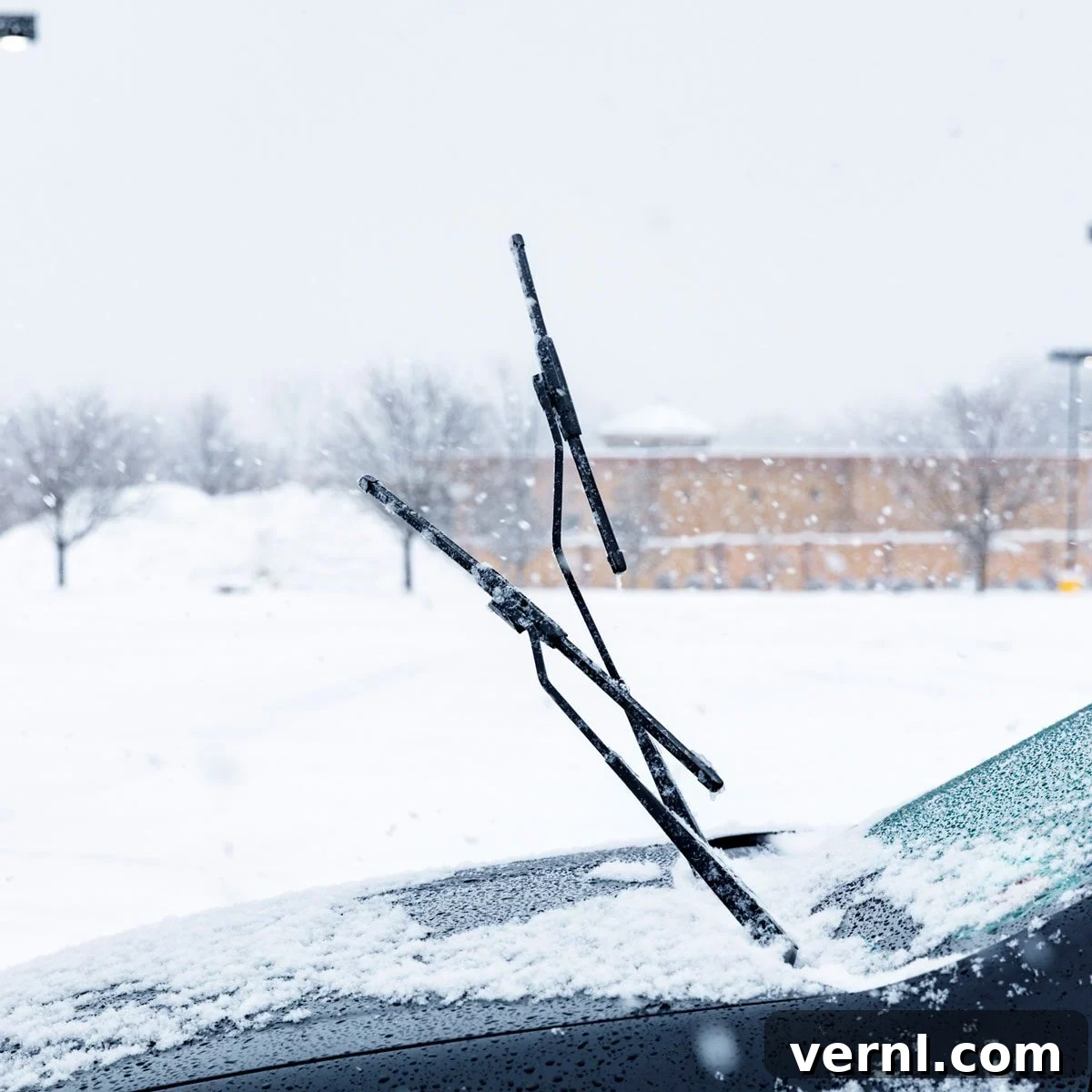
As winter weather forecasts loom, predicting a symphony of ice and snow, it’s a familiar sight across neighborhoods: parked cars with their windshield wipers standing sentinel, pointing outwards like skeletal arms. This common practice, often recommended by automotive experts like the American Automobile Association (AAA), aims to prevent wipers from freezing solidly to the windshield during harsh, icy conditions. For many drivers, particularly those in regions prone to severe winters, lifting wipers becomes an almost instinctive pre-storm ritual.
In places like New England, where winter’s grip can be relentless, remembering to lift your wipers before a storm, especially when freezing rain or significant ice is anticipated, can feel like a crucial step in preparing your vehicle. It promises an easier morning clear-up and offers a degree of protection for the wiper blades themselves. However, this seemingly simple act isn’t without its controversies and potential drawbacks. Is raising your wipers a smart, proactive car care strategy, or could it inadvertently lead to damage and become a counterproductive winter habit? We delve into both sides of this enduring debate, offering practical insights and expert advice from Larry Morrison of Napa Auto Parts, a seasoned professional in the auto industry.
The Compelling Case for Lifting Your Windshield Wipers in Icy Conditions
For countless drivers who regularly face the frustrating battle against thick windshield ice and stubborn snow, the act of scraping a heavily coated windshield can be one of winter’s most dreaded chores. The primary argument in favor of lifting your wipers is straightforward: it prevents them from becoming fused to the glass. “Keeping your wipers off the glass means they won’t be stuck in place by the ice,” Morrison explains. When freezing rain transforms into snow, or when melted snow refreezes overnight, wipers glued to the windshield can make the already arduous task of clearing your view even more challenging. Navigating a scraper around rigidly frozen blades is not only inconvenient but also risks damage.
Protecting Your Wiper Blades and Windshield
One of the most significant advantages of lifting your wipers is the protection it affords your vital components. Aggressively scraping ice and snow can easily nick, tear, or otherwise damage the delicate rubber wiper blades, especially when they are rigidly frozen to the glass. Running stiff, frozen rubber blades across a windshield that is still in the process of defrosting and remains coated in ice can similarly cause premature wear and tear. Morrison emphasizes this point: “In attempting to pull frozen wipers away from the glass, you can also tear the rubber.” Replacing damaged wiper blades frequently adds to winter maintenance costs, making prevention a more economical approach.
Preventing Wiper Motor Burnout
Beyond blade protection, lifting your wipers can safeguard your vehicle’s electrical system. Consider a scenario where you’ve turned off your car, perhaps inadvertently leaving the wiper switch in the ‘on’ position. If your wipers are frozen solid to the windshield and you later restart the car, the wiper motor could reactivate. When faced with the immovable obstacle of frozen blades, the motor will strain, attempting to move them. This struggle can lead to the motor overheating and potentially burning out, resulting in a costly repair. By lifting the wipers, you ensure they remain disengaged from the glass, removing this potential strain on the motor even if they are accidentally activated.
Enhanced Visibility and Faster Morning Clear-Up
Ultimately, the goal of any winter car care routine is to ensure clear visibility and safe driving. Wipers lifted off the glass allow for a more thorough and efficient clearing of snow and ice. You can use your scraper or brush unimpeded, removing every last bit of frozen precipitation without having to maneuver around stationary blades. This can significantly reduce the time spent in the cold during your morning commute, helping you get on the road faster and with a perfectly clear line of sight, which is paramount for winter driving safety.
The Counterarguments: Why Keeping Windshield Wipers Down Might Be Better
While the arguments for lifting wipers are compelling, there’s a strong case to be made for keeping them down, especially considering potential risks and advancements in vehicle technology. The debate isn’t merely about convenience; it touches upon structural integrity and long-term vehicle health.
Risk of Wiper Arm Spring Damage
One of the primary concerns, highlighted by sources like the Farmers’ Almanac, revolves around the mechanical stress on your wiper system. Lifting your windshield wipers too far or leaving them elevated for extended periods can stretch and weaken the delicate springs within the wiper arms. These springs are crucial for maintaining consistent, even pressure between the wiper blade and the windshield, ensuring effective cleaning. Over time, damaged springs can lead to uneven wiping, leaving streaks and compromising visibility. The cost and hassle of replacing these springs, or even the entire wiper arm assembly, can outweigh the perceived benefits of lifting them.
The Danger of a Cracked Windshield
Perhaps the most significant risk associated with lifting wipers is the potential for windshield damage. When lifted, wiper arms are held under tension. If a gust of wind, an accidental bump, or even a sudden release causes them to snap back down, they can strike the cold, brittle glass of the windshield with considerable force. This impact, especially on already cold or thermally stressed glass, can lead to a crack. Larry Morrison cautions, “If you put them all the way up and they slingshot back down against the glass, there is a chance you could crack your windshield.” Repairing or replacing a cracked windshield is not only expensive but also a major inconvenience, especially during harsh winter weather.
To mitigate this risk if you choose to lift them, some experts suggest placing a small block of wood or a similar soft buffer underneath the wiper arms. This “decouples” them from the windshield without requiring them to be pulled all the way up and held under maximum tension, offering a safer alternative.
Modern Vehicle Technology Reduces the Need
Advancements in automotive technology have significantly diminished the necessity of manually lifting wipers. Many modern vehicles come equipped with remote starters, heated windshields, and highly efficient defrosting systems for both front and rear-view windows. These features allow the car’s interior and exterior glass to warm up much faster and more effectively than in older models. If you have the luxury of a few minutes to let your engine run and your defrosters work, any ice on the windshield should melt sufficiently, allowing the wipers to operate freely by the time you’re ready to drive. Just remember the crucial step of always double-checking that your wiper switch is in the ‘off’ position before exiting your vehicle, especially if you have a remote starter, to prevent the aforementioned wiper-motor burnout.
Vandalism and Accidental Damage
Another, albeit less technical, argument against lifting wipers is the increased vulnerability they present. Some argue that leaving wipers in an elevated position makes them an easier target for vandals or even mischievous passersby who might bend, break, or otherwise tamper with them. Beyond intentional damage, wipers left upright can also be accidentally bumped or snagged in crowded parking lots, or by children playing nearby. Having to replace a windshield wiper arm or blade is an unwelcome addition to anyone’s to-do list, especially in the midst of inclement weather.
Essential Winter Wiper Blade Care and Maintenance
Regardless of whether you choose to lift your wipers or keep them down, proper care for your wiper blades is non-negotiable for safe winter driving. If you reside in a region that bears the full brunt of winter, the National Highway Traffic Safety Administration (NHTSA) strongly recommends incorporating windshield-wiper inspection and potential replacement into your annual winterize-your-vehicle checklist. Worn blades struggle to clear precipitation effectively, drastically reducing visibility when you need it most.
Investing in Winter-Specific Wipers
For optimal performance, consider investing in heavy-duty or winter-specific wiper blades. These are designed to withstand the harsh conditions of colder months. They often feature a robust, enclosed frame that prevents ice and snow from building up and freezing the joints, ensuring consistent pressure and flexibility. Their rubber compounds are also formulated to remain pliable in freezing temperatures, providing superior contact and wiping efficiency compared to standard all-season blades.
Routine Inspection and Replacement
Regularly inspect your wiper blades for any signs of wear, such as cracks, tears, or hardening of the rubber. Pay attention to how they perform on your windshield: streaking, chattering, or incomplete clearing are all indications that your blades need attention. While replacing wiper blades is a relatively easy DIY task that can be completed in minutes, many drivers overlook this crucial maintenance. As a general rule, most manufacturers recommend replacing blades every six to twelve months, but severe winter conditions can accelerate wear, necessitating more frequent changes. Understanding how long your windshield wipers typically last can help you stay ahead of potential issues.
Other Winter Windshield Care Tips
- Use Winter Washer Fluid: Always fill your reservoir with a winter-specific washer fluid, which contains de-icers and has a lower freezing point than standard fluid.
- Clear Snow Properly: Use a soft snow brush to remove loose snow before scraping ice. Never use hot water on a frozen windshield, as the sudden temperature change can cause it to crack.
- Clean Blades Regularly: Wipe your wiper blades down with a clean cloth soaked in rubbing alcohol or a mild de-icer solution to remove grime and maintain their flexibility.
Making an Informed Decision: Up or Down?
Ultimately, the decision to leave your windshield wipers up or down in winter boils down to weighing the specific risks and benefits against your local weather conditions, your vehicle’s features, and your personal preferences. There’s no single, universally agreed-upon answer, as both approaches have valid points.
If you anticipate extreme freezing rain or heavy, wet snow, and your vehicle lacks advanced defrosting technology, temporarily lifting your wipers can certainly save you frustration and protect your blades from freezing solid. However, if you opt for this, proceed with caution: avoid extreme angles that stress the springs, and consider placing small spacers or blocks to prevent accidental snap-back damage to your windshield.
On the other hand, for drivers with modern vehicles equipped with remote starters, heated windshields, or robust defrosting systems, leaving wipers down might be the safer and more convenient choice. These technologies often negate the primary reasons for lifting wipers. Regardless of your choice, prioritizing regular wiper blade inspection and replacement, along with using winter-specific products, remains the most effective strategy for ensuring clear visibility and safe driving throughout the cold season.
About the Expert
Larry Morrison is the dedicated manager of Napa Auto Parts in Gatlinburg, Tennessee. With a decade of experience in the auto parts industry and a background as a former auto mechanic, Larry brings invaluable practical knowledge and expertise to vehicle maintenance and care.
Sources
- Farmers’ Almanac: The Great Wiper Debate: Up or Down?.
- National Highway Traffic Safety Administration: Winter Weather Driving Tips