
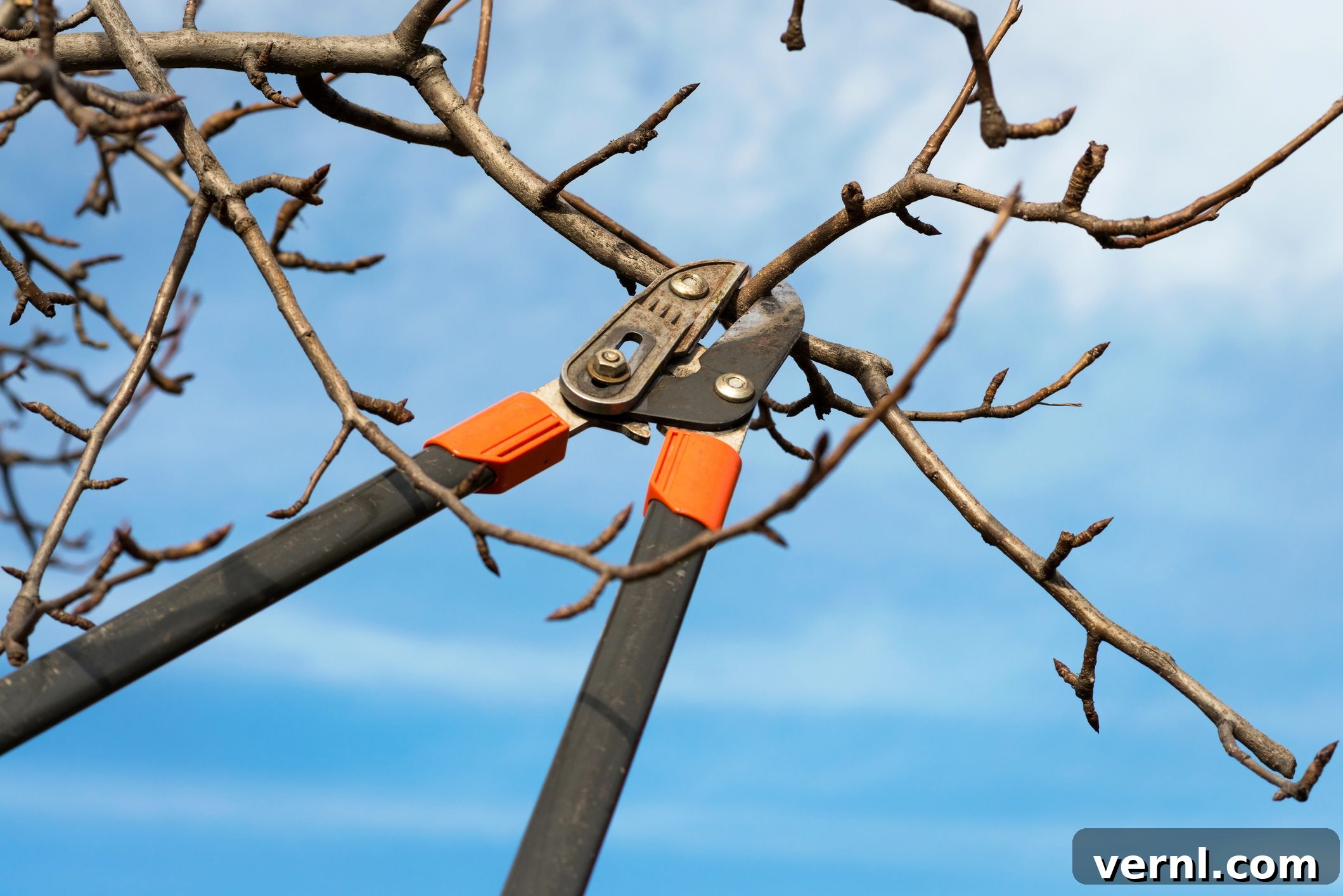
For years, I handled my tree pruning tasks personally, armed with a trusty ladder and a set of pruning tools. There’s a certain satisfaction that comes from tending to your own landscape. However, the day came when a particularly stubborn branch, positioned just out of reach even at the top of my ladder, highlighted the limitations of DIY tree care. Understanding the age-old adage, “better safe than sorry,” I made the practical decision to enlist the expertise of a professional arborist for my next tree pruning session. Following his invaluable advice, we strategically scheduled the majority of the work for the winter months, a decision that proved to be incredibly beneficial for the long-term health and aesthetics of my trees. This experience opened my eyes to the distinct advantages of pruning trees during their dormant season, a practice highly recommended by experts for a multitude of reasons.
Why Winter Is the Optimal Season for Tree Pruning
Pruning trees during their dormant winter state is not merely a matter of convenience; it’s a strategic choice backed by extensive horticultural knowledge. The cold months offer a unique set of conditions that significantly benefit the tree, the pruner, and the surrounding landscape. Understanding these advantages can dramatically improve the health, longevity, and appearance of your trees.
Reduced Risk of Disease and Pest Infestation
One of the most compelling reasons to prune in winter is the dramatic reduction in the likelihood of disease transmission and pest infestation. When a tree is pruned, a wound is created, making it vulnerable to external threats. During the colder months, however, airborne pathogens, bacteria, and fungi that cause devastating tree diseases are significantly less active. Diseases like oak wilt, Dutch elm disease, and various cankers pose a much lower threat when temperatures drop.
“Winter pruning is preferred primarily because airborne pathogens, bacteria, and fungi are far less active during the cold months,” explains Lou Meyer of the renowned Davey Tree Expert Company. “When we open the tree’s internal parts, we open a direct entry for those issues. This is similar to when humans have surgery. Post-operative care is vital for infection control. Winter pruning allows us to get a jump on that.” Furthermore, many tree pests, such as borers and beetles that might be attracted to fresh wounds, are either dormant or less mobile in winter, further minimizing the risk of infestation. By pruning in winter, you give the tree’s natural healing mechanisms a head start in a less hostile environment.
Enhanced Visibility for Structural Assessment and Correction
The absence of leaves in deciduous trees during winter offers an unparalleled view of the tree’s skeletal structure. This naked view allows arborists and keen homeowners to clearly identify structural issues that would otherwise be obscured by dense foliage. Meyer points out that you can “more easily see branches crossing each other and other structural issues when there are no leaves on the tree.” This clarity is crucial for proper structural pruning, which aims to improve the tree’s strength, balance, and overall form.
During the dormant season, it’s easier to spot branches that are:
- Crossing or rubbing: These can create wounds and entry points for disease.
- Weak or poorly attached: Identifying weak crotches or included bark early can prevent future limb failure.
- Dead, damaged, or diseased (DDD): Even without leaves, a skilled arborist can discern a dead branch from a living one, removing hazards and promoting healthier growth.
- Growing inwards or competing with a central leader: Correcting these issues in young trees can prevent major problems as they mature.
With proper pruning, especially if it’s a young tree, these structural issues can be corrected, guiding the tree towards a stronger, more resilient growth habit. This proactive approach helps to prevent costly and potentially dangerous problems down the line, ensuring your trees develop into healthy, aesthetically pleasing landscape features.
Minimizing Impact on the Surrounding Landscape
Another practical advantage of winter pruning is the reduced disruption to your garden and lawn. When the ground is frozen or firm, it may be easier to access trees with heavy equipment, such as bucket trucks, without compacting soil or damaging delicate plants. This is particularly beneficial for large trees that require aerial access for top branches. Furthermore, with perennials dormant and annuals removed, there’s less risk of accidentally damaging flowerbeds, vegetable patches, or shrubs that are actively growing in warmer seasons.
The cleanup process is also often simpler in winter. Fallen branches can be easily collected from bare ground, and if an arborist brings a wood chipper, the resulting mulch can be spread directly onto garden beds where it will decompose and enrich the soil, provided the pruned tree wasn’t diseased.
Reduced Stress on the Tree and Accelerated Recovery
Trees are in a state of dormancy during winter, meaning their metabolic processes are slowed significantly. Pruning during this period causes less physiological stress compared to pruning during the active growing season. When a tree is dormant, it has stored energy reserves in its roots and trunk, which it can efficiently allocate towards wound closure and healing once spring arrives. This allows the tree to recover more quickly and effectively, minimizing energy expenditure and preventing unnecessary setbacks to its growth cycle.
Understanding Summer Tree Pruning: When It’s Necessary
While winter is generally the preferred time for significant structural pruning, there are specific circumstances where pruning in summer becomes necessary. According to Meyer, “You should reserve non-winter pruning for immediate needs.” These urgent situations prioritize safety, access, and mitigating immediate risks to property or people.
- Removing Clearly Dead, Damaged, or Diseased Branches: If you notice branches that are visibly dead, broken, or exhibiting clear signs of disease, they should be removed promptly, regardless of the season. Dead branches are weak and can fall unexpectedly, posing a hazard. Diseased branches should be removed quickly to prevent the spread of pathogens to other parts of the tree or to nearby healthy trees.
- Clearing Obstructions: Branches blocking traffic signs, interfering with utility lines, or obstructing pathways and driveways should be trimmed to ensure public safety and accessibility.
- Preventing Building Interference: Branches growing too close to or rubbing against buildings can cause structural damage to both the tree and the structure itself. These need to be pruned to maintain proper clearance.
- Post-Storm Cleanup: After severe weather, branches can break off or become severely damaged. Cleaning these up is essential to prevent further damage, remove hazards, and help the tree recover from the storm’s impact.
- Minor Shaping or Thinning: Light cosmetic pruning or thinning of interior branches can sometimes be done in summer to improve air circulation or allow more light penetration, but this should be minimal and done with caution to avoid stressing the tree.
It’s important to note that extensive summer pruning can stress a tree, as it removes active photosynthetic material and can expose tender inner bark to sun scald. It also makes the tree more susceptible to pests and diseases that are active during warmer months. Therefore, summer pruning should always be approached with a clear purpose and executed with precision.
What You Should Avoid Pruning in Winter
While winter is ideal for many pruning tasks, it’s crucial to understand that not all plants benefit from dormant-season trimming. A significant category of plants to avoid pruning in winter includes spring-flowering shrubs and trees. These plants typically form their flower buds in the fall of the previous year. Pruning or shearing them back in winter means you will be removing these dormant flower buds, resulting in a distinct lack of blooms come spring.
This is especially true for beloved species such as:
- Lilacs (Syringa spp.): Known for their fragrant spring blossoms.
- Forsythias (Forsythia spp.): Early bloomers with vibrant yellow flowers.
- Smaller Magnolias (Magnolia spp.): Many varieties produce stunning flowers before their leaves emerge.
- Rhododendrons and Azaleas (Rhododendron spp.): Many types set buds in fall for spring blooms.
- Hydrangeas (Hydrangea macrophylla, H. quercifolia): Some varieties bloom on old wood and should not be pruned in winter.
To ensure a spectacular display of flowers, these shrubs and trees should ideally be pruned immediately after they finish flowering in the spring or early summer. This timing allows them to recover, set new growth, and form buds for the following year’s bloom cycle without sacrificing the current year’s floral show. Always research the specific pruning requirements for your flowering plants to ensure you maintain their natural beauty and vigor.
Should You Hire a Certified Arborist? Weighing DIY Against Professional Expertise
The decision to prune your trees yourself or hire a professional arborist depends on several factors, including the size and type of your trees, the complexity of the task, and your personal experience and equipment. Proper tree care is an investment in your landscape, and making the right choice ensures both safety and the long-term health of your trees.
When DIY Pruning Is Appropriate
If you have smaller trees, or trees with just a few broken or dead lower branches that are easily accessible from the ground or a small, stable ladder, you can often handle your own tree pruning. For these tasks, ensure you own and are comfortable using the proper equipment, which should always include safety gear. Essential equipment may include a sharp pruning saw, reliable eye protection, and heavy-duty work gloves. Always prioritize safety, make clean cuts, and know the basics of proper pruning techniques, such as cutting just outside the branch collar to facilitate healing.
When to Call a Certified Arborist
However, if you have larger, mature trees, suspect signs of disease or pest infestation, or if the branches requiring attention are high up and necessitate specialized equipment or climbing, it’s always advisable to consider hiring a certified arborist. These professionals possess the training, extensive experience, and specialized equipment necessary to ensure your tree is pruned correctly and safely, at the most appropriate time of year. Certified arborists can accurately diagnose tree ailments, recommend the best course of action, and execute complex pruning tasks that go beyond the scope of a typical homeowner.
Tips for Hiring a Reputable Arborist
When selecting a professional to care for your valuable trees, due diligence is key. Here’s a checklist to guide you:
- Check References and Credentials: Always ask for references and verify them. Look for arborists certified by the International Society of Arboriculture (ISA), which indicates a high level of knowledge and professionalism.
- Verify Licensing and Insurance: Ensure the arborist is properly licensed and, critically, fully insured with both liability and worker’s compensation insurance. This protects you from financial responsibility in case of accidents or damage on your property.
- Obtain Written Estimates: Get detailed, written estimates from several different companies. This allows you to compare services and costs effectively.
- Discuss Their Pruning Plan: Ask the arborist how they plan to prune your trees. A reputable professional will explain their approach, specific cuts they intend to make, and the goals of the pruning (e.g., structural improvement, deadwood removal, clearance). Be wary of anyone who proposes “topping” your trees, as this is a harmful and outdated practice.
- Confirm Waste Removal: Verify that they will remove all pruned branches and debris, so you’re not left with a mess to clean up.
- Consider Wood Chips for Mulch: If your arborist uses a wood chipper, ask if they can leave a pile of chips behind. These can be an excellent resource for mulch in some areas of your garden, helping to conserve moisture and suppress weeds. However, always skip this step if the tree was diseased, as the chips could spread the pathogen.
Conclusion: A Proactive Approach to Tree Health
Understanding the optimal timing for tree pruning is a cornerstone of responsible tree care. While emergency situations may call for immediate action, the dormant winter months offer unparalleled advantages for comprehensive pruning that promotes long-term tree health, structural integrity, and aesthetic appeal. From minimizing disease risk and enhancing visibility for crucial structural corrections to reducing landscape disturbance and minimizing stress on the tree, winter pruning stands out as the superior choice.
Whether you choose to undertake minor pruning tasks yourself or enlist the invaluable expertise of a certified arborist for larger, more complex projects, prioritizing the well-being of your trees is paramount. By making informed decisions about when and how to prune, you ensure your trees remain vibrant, strong, and a beautiful asset to your property for years to come. Remember, a healthy tree is a safe tree, and proper, timely pruning is one of the most effective ways to achieve this.