
Decoding the Red Solo Cup: Unraveling the Mystery of Its Iconic Lines and Surprising Uses
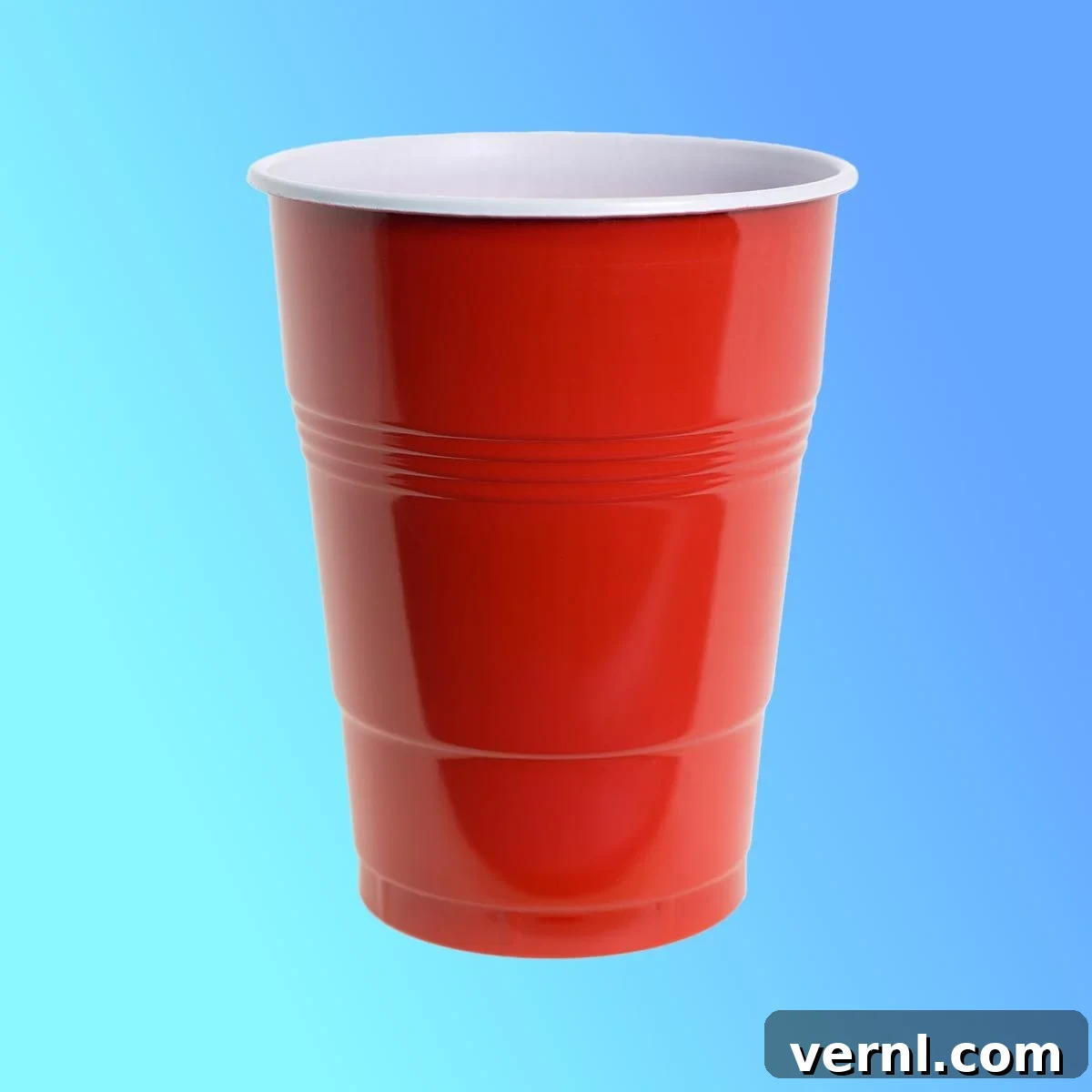
For decades, the humble Solo cup transcended its simple role as a beverage holder, becoming an unmistakable icon of social gatherings. From lively backyard barbecues to festive tailgates and college parties, the classic red Solo cup was as ubiquitous as good company and great tunes. Its distinctive features — a vibrant red exterior, a clean white interior, an 18-ounce capacity, and most notably, three horizontal lines etched into its side — were instantly recognizable.
These lines, positioned near the bottom, middle, and top, sparked countless theories and urban legends. Were they purely decorative? Did they serve a hidden purpose? For many, they were an unofficial guide, a silent accomplice in the art of the perfect pour. However, if you’ve recently purchased a new batch of these iconic plastic party cups, you may have noticed a significant change: the lines are gone. This disappearance has left many long-time fans pondering the fate of these legendary markers and, more importantly, what they truly symbolized.
Join us as we embark on a journey to uncover the truth behind the Solo cup’s iconic lines, explore their popular interpretations, reveal the company’s official stance, and discover a wealth of surprising and practical ways to utilize these versatile cups, particularly the cherished older versions with their invaluable measuring guides.
The End of an Era: What Happened to the Iconic Solo Cup Lines?
The absence of the famed lines on newer Solo cups isn’t a glitch or a manufacturing error; it’s a deliberate design evolution. According to the official Solo website, the lines were systematically phased out as part of a brand refresh. This change wasn’t isolated to just the lines; the company has also updated its color palette and cup sizes to better meet contemporary consumer demands and aesthetic preferences.
While the classic 18-ounce capacity remains a staple, it now boasts a wider spectrum of colors beyond just red, including popular choices like blue, teal, green, and clear. Furthermore, Solo has introduced smaller, more convenient 9-ounce cups, catering to different serving needs and preferences. This modernization reflects a broader trend in consumer goods, where brands continually evolve their products to stay relevant, optimize production, and appeal to a new generation of users. While the lines may be a nostalgic memory for many, the Solo cup brand continues to adapt and thrive, albeit with a subtly different visual identity.
Decoding the Solo Cup Lines: More Than Just Markers
Even though newer cups lack them, a significant number of households still possess the traditional Solo cups with lines tucked away in their cupboards, and the market is awash with countless knockoff brands that mimic the original design. This enduring presence keeps the mystery and utility of the lines alive. So, what was the definitive meaning behind these simple yet profound markings?
The Official Explanation: Volume Measurements
For years, the purpose of the lines was a topic of whispered speculation at parties. The official word from the Solo website, however, is quite straightforward: “Our original 18 oz SOLO Cup featured lines that roughly equaled 1, 5 and 12 ounces.” That’s it. No grand conspiracy, no secret code – just practical volume indicators. The lowest line typically marked 1 ounce, the middle line indicated 5 ounces, and the uppermost line corresponded to 12 ounces. This simple explanation, once revealed, instantly clarifies their fundamental utility.
The Popular Interpretation: A Responsible Pour for Partygoers
While Solo’s explanation is purely about volume, the context of the cup as a party essential led to a widespread and arguably more impactful interpretation: a guide for measuring alcoholic beverages. This belief isn’t merely an assumption; it aligns remarkably well with standard serving sizes in the United States:
- The Bottom Line (1 oz): This line perfectly correlates with the standard pour for a shot of liquor, which is typically 1.5 ounces. While not exact, it provided a quick visual reference for a strong mixed drink.
- The Middle Line (5 oz): This marking aligns precisely with the standard serving of wine, which is conventionally 5 ounces. For wine drinkers, this line offered a convenient way to pour a responsible and consistent glass.
- The Top Line (12 oz): This line corresponds to the standard volume of a can or bottle of regular beer, which is typically 12 ounces. It offered a simple indicator for pouring a full serving without overfilling.
This unofficial, yet widely adopted, interpretation turned the Solo cup into an inadvertent tool for portion control and responsible drinking at social events. For many, these lines weren’t just random markers; they were an intuitive system embedded into the very fabric of party culture, helping hosts and guests alike manage their consumption without the need for additional measuring tools.
Solo’s Broader Purpose: Beyond Just Liquid Measurement
Interestingly, Solo itself acknowledged a more expansive and somewhat whimsical purpose for these lines. While they confirmed the volumetric properties, their FAQ page famously stated, “These lines mean something different for everyone!” This suggests that while practical measurement was a core function, the company also appreciated the various creative ways consumers interacted with their product. Their broader intentions included:
- A Responsible Pour: Echoing the popular alcohol measurement theory, Solo recognized that the lines could help users make “a responsible pour at their next tailgate,” promoting moderation and mindful consumption.
- A More Secure Grip: The etched lines weren’t just flat markings; they often provided a subtle texture. For someone manning the grill at a BBQ with greasy hands or holding a condensation-covered cup, these lines could offer “a more secure grip,” preventing accidental spills.
- Enhanced Stacking for Kids: In a delightful and often overlooked benefit, Solo noted that for “littler fans, it means they can stack and unstack our cups into a pyramid without them sticking together.” The slight indentations created by the lines could have provided just enough air circulation or structural integrity to prevent cups from vacuum-sealing when stacked, making them easier for children to play with and for adults to separate.
This multifaceted view highlights how a seemingly simple design element can serve various functional and even recreational purposes, enhancing the user experience in unexpected ways.
Beyond the Party: Ingenious Uses for Your Lined Solo Cup
The fact that the lines on a traditional Solo cup correspond to actual, measurable volumes makes them incredibly versatile. If you’re fortunate enough to still have some of these classic cups with lines in your possession, they can be far more useful than just for holding drinks. Here are some ingenious ways people utilize them, including some personal hacks:
- Precise Mouthwash Measurement: The one-ounce line at the bottom of the cup is a perfect guide for oral hygiene. Instead of guessing, simply fill your mouthwash to this line to ensure you’re using the recommended amount to freshen breath and effectively combat bacteria, avoiding waste or insufficient use.
- Flavoring Milk to Perfection: Turning plain white milk into a delightful chocolate or strawberry treat is easier with the Solo cup. Pour your chosen flavoring syrup up to the bottom (1 oz) line, then fill the remainder of the cup with milk. Stir well, and you’ll achieve a perfectly balanced, flavorful drink that’s not overly sweet or watery. This is a fantastic hack for kids, ensuring consistent taste every time.
- Crafting Homemade Lemonade: Enjoy a refreshing glass of homemade lemonade without the fuss of multiple measuring spoons. Squeeze fresh lemon juice directly into the Solo cup until it reaches the bottom (1 oz) line. Then, fill the cup with water up to the top (12 oz) line. Add your preferred sweetener – sugar, honey, or maple syrup – to taste, stir thoroughly, and enjoy a perfectly tart yet sweet beverage. This method ensures a consistently delicious and balanced drink that’s just right.
- Effortless Rice Cooking for Single Servings: Achieving perfectly cooked rice on the stove can be tricky, but the Solo cup lines make it surprisingly simple, especially for single servings or small batches. For white or brown rice, fill the cup with your chosen grain up to the middle (5 oz) line and pour it into a small saucepan. For white or brown rice, fill the Solo cup with water to the top (12 oz) line and add it to the rice. If you’re cooking wild rice, which requires more water, fill the cup all the way to the brim with water before adding it to the grain. This method yields a fluffy, tender single serving every time, making it ideal for dorm rooms, camping, or quick weeknight meals. Repeat as needed for additional servings.
- Emergency Garden Seed Starters: The Solo cup, especially the smaller versions, makes an excellent temporary seed starter. The lines can even offer a rough guide for planting depth or estimating how much soil to add. Once seedlings are ready, they can be easily transplanted.
- Craft and Art Supply Organizer: For artists and crafters, these cups are invaluable. Use them to hold different paint colors, water for rinsing brushes, glitter, beads, or small crafting components. The sturdy plastic prevents spills, and they’re easy to clean.
- Portion Control for Snacks: Use the lines to manage snack portions. The 1 oz, 5 oz, or 12 oz lines can help you measure out a controlled serving of nuts, pretzels, candies, or fruit, aiding in mindful eating.
- Measuring Pet Food: Ensure your furry friends receive consistent food portions by using the Solo cup as a quick measure. This is particularly useful for diets or maintaining a healthy weight for pets.
These examples underscore the hidden utility of an everyday item, proving that with a little creativity, the Solo cup’s practical applications extend far beyond its primary role at parties.
The Legacy of a Legend: Why the Solo Cup Endures
Even as its design evolves, the Solo cup maintains an undeniable grip on American culture. Its enduring appeal lies not just in its functionality but also in its deep-seated association with good times, celebration, and community. It’s more than just a cup; it’s a symbol of carefree moments and shared experiences.
The company’s decision to phase out the lines, while prompting nostalgia and curiosity, hasn’t diminished the brand’s overall presence. Solo cups continue to be a go-to choice due to their durability, affordability, and convenience. The expansion into new colors and sizes demonstrates the brand’s adaptability, responding to modern tastes and a broader range of uses beyond just the classic party scene.
Furthermore, discussions around reusability and sustainability are increasingly important. While traditional plastic Solo cups are often single-use, their sturdiness has led many consumers to wash and reuse them for various purposes. The company itself, like many in the industry, continues to explore more sustainable materials and recycling initiatives, ensuring that the Solo cup’s legacy can evolve responsibly alongside environmental considerations.
Frequently Asked Questions (FAQ)
Are Solo cups dishwasher safe?
Yes, Solo cups are generally washable and can even be placed in the dishwasher, especially on the top rack to avoid excessive heat. This makes them reusable for many purposes. If you still own any of the traditional Solo cups with the measuring lines, this reusability is a significant advantage, allowing you to continue leveraging their built-in measurement features for cooking, cleaning, and more. Don’t discard them; give them a second life!
What are Solo cups typically made of?
Most classic Solo cups, particularly the red and blue ones, are made from polystyrene (PS), indicated by the recycling symbol #6. However, some newer versions or those designed for hot beverages might be made from polypropylene (PP), marked with the recycling symbol #5. Always check the bottom of the cup for the specific plastic type.
Are Solo cups recyclable?
Whether Solo cups are recyclable depends heavily on your local recycling facilities. While polystyrene (#6 PS) is technically recyclable, many municipal recycling programs do not accept it due to processing difficulties and low market demand for recycled PS. Polypropylene (#5 PP) is more widely accepted for recycling. It’s best to check with your local waste management services for their specific guidelines before placing Solo cups in your recycling bin.
What’s the difference between red and blue Solo cups?
Functionally, there is no difference between red and blue Solo cups; they are simply different color options. The choice of color is purely aesthetic and allows consumers to select cups based on personal preference, party theme, or to easily differentiate drinks at a gathering. The material, size, and durability remain consistent across different colors.
Where can I still find Solo cups with lines?
Finding brand new Solo cups with the original measuring lines can be challenging since they have been phased out. Your best bet might be to look for older stock in smaller, independent stores, second-hand marketplaces, or online retailers selling vintage or older product batches. Alternatively, many generic or knockoff brands of plastic party cups still incorporate similar measuring lines, offering a comparable functional experience.
Sources
- Solo: Frequently Asked Questions
- Mayo Clinic: Nutrition and healthy eating
RELATED:
- The Real Reason Aluminum Foil Has a Shiny Side and a Dull Side
- Think Adirondack Chairs Are Uncomfortable? You’re Using Them Wrong
- Why You Shouldn’t Crush Aluminum Cans Before Recycling