
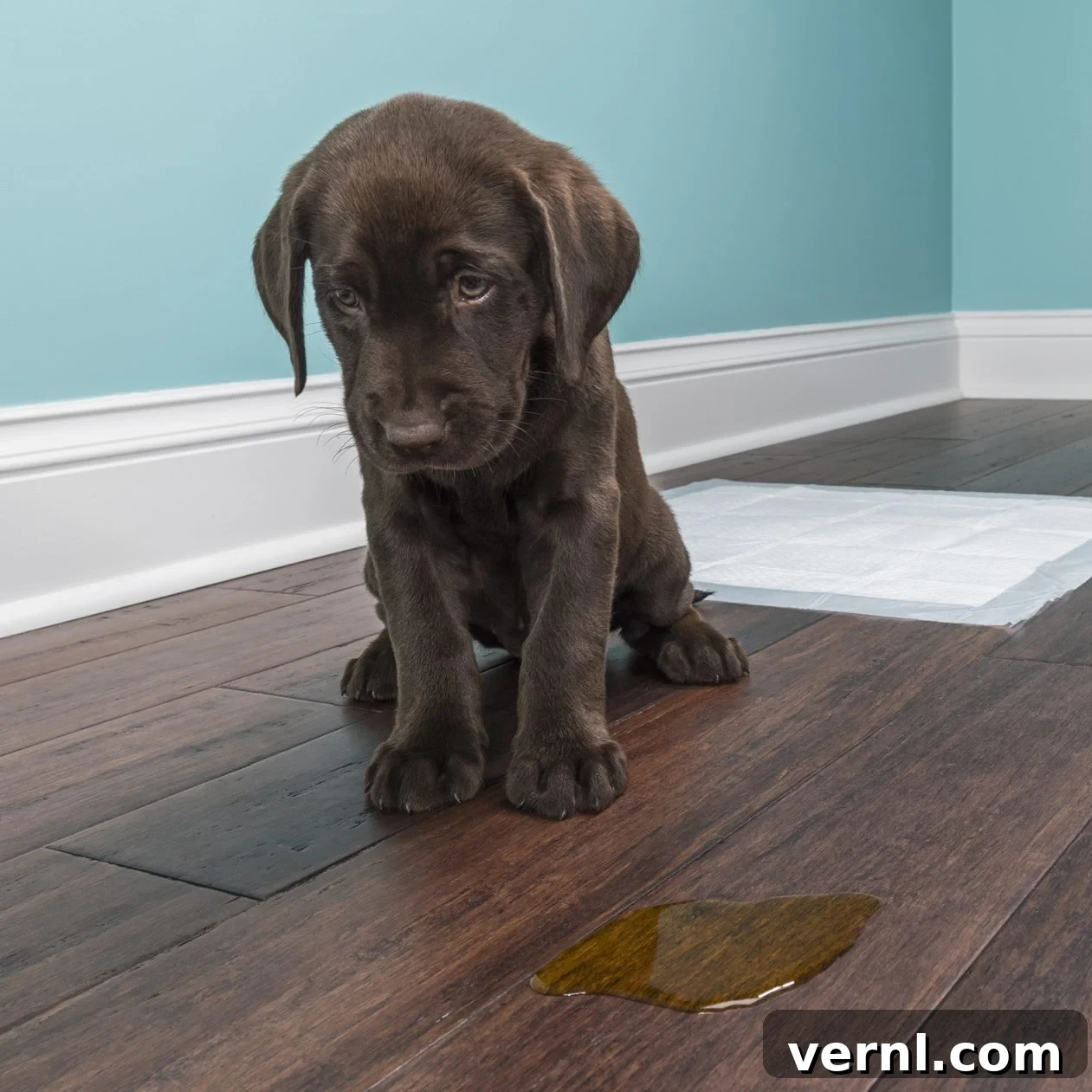
Comprehensive Guide to Stopping Your Dog From Peeing in the House
For dog owners, few things are as disheartening as walking into a room only to discover an unwelcome puddle of urine or a significant stain on the carpet. While occasional accidents are a natural part of living with canine companions, especially during certain life stages, consistently dealing with indoor urination can be incredibly frustrating and stressful for both pet and owner. It often leads to concerns about house cleanliness, potential damage to flooring, and the overall well-being of the dog.
The good news is that most instances of indoor peeing can be resolved with patience, understanding, and the right approach. Nicole Ellis, a certified professional dog trainer (CPDT-KA) and a distinguished pet lifestyle expert with Rover, shares invaluable insights and actionable strategies to help you effectively address and prevent your dog from peeing inside the house. By implementing these expert-backed tips, you can significantly reduce accidents, strengthen your bond with your furry friend, and spend more quality time enjoying their company rather than constantly cleaning up messes.
Understanding the root cause of your dog’s indoor urination is the first step toward finding a lasting solution. It could range from simple training gaps and schedule inconsistencies to more complex behavioral issues like anxiety or underlying medical conditions. This comprehensive guide will walk you through various preventative measures, training techniques, and considerations specific to different dog demographics, ensuring you have all the tools needed to achieve a dry and happy home environment.
Start Tracking Your Dog’s Behavior to Identify Patterns
One of the most powerful tools in successful house training is meticulous observation. By becoming a detective of your dog’s daily habits, you can gain crucial insights into their bodily rhythms and predict when they’re most likely to need a potty break. Start by keeping a detailed log or journal of your dog’s activities throughout the day. This isn’t just about noting accidents; it’s about understanding their entire routine.
What should you track? Record specific times when your dog engages in essential behaviors: eating meals, drinking water, waking up from naps, playing actively, and, most importantly, when they go potty. Note both successful outdoor eliminations and any indoor accidents. Pay close attention to the time elapsed between these events. For example, if your dog typically drinks water around 9 AM and then needs to pee by 9:30 AM, that’s a pattern worth noting. If they eat dinner at 6 PM and consistently need to go out within an hour, that’s another key piece of information.
As Nicole Ellis emphasizes, “This allows you to track how long they are holding it and help get you both on a routine to success.” Understanding their natural holding capacity is vital. Some dogs, especially puppies and older canines, have smaller bladders or less control, requiring more frequent trips outside. By identifying these patterns, you can proactively take your dog out before an accident occurs, reinforcing the desired behavior. Getting your dog to reliably pee outside may be as straightforward as fine-tuning their potty schedule to align perfectly with their unique daily rhythm, creating a predictable and successful routine for both of you.
Implement Positive Reinforcement for Outdoor Potty Breaks
Positive reinforcement is the cornerstone of effective dog training, and it’s particularly potent when teaching your dog where to eliminate. When your pup successfully goes potty outside, it’s crucial to acknowledge and reward that behavior immediately and enthusiastically. The timing of this reward is paramount; it must occur within seconds of the behavior to ensure your dog clearly understands what they are being praised for. Delaying the reward, even by a minute, can confuse your dog, as they might associate the praise with walking back inside or sitting, rather than the act of eliminating outdoors.
What constitutes a good reward? Dog treats are highly effective, especially high-value ones that your dog particularly loves. Small, soft, and easy-to-chew treats work best for quick consumption. Beyond food, lavish verbal praise (“Good potty!”), affectionate belly rubs, vigorous ear scratches, or a brief play session with a favorite toy can also serve as powerful motivators. These positive associations actively reinforce the idea that going outside to pee is a highly rewarding experience, greatly encouraging them to repeat it.
Initially, make a huge deal out of every successful outdoor elimination. Clap your hands, use an excited voice, offer multiple treats – essentially, throw a mini-celebration! As your dog consistently demonstrates reliable outdoor potty habits, you can gradually begin to fade the treats, transitioning to primarily verbal praise and affection. However, it’s wise to keep the occasional treat handy to maintain the excitement and reinforce good behavior sporadically. Consistency in positive reinforcement builds confidence and clarity for your dog, making them a willing participant in their own house training success.
Keep Your Dog in Close Proximity and Under Supervision
Until your dog is fully and reliably potty-trained, constant supervision is your best defense against indoor accidents. The goal here is to prevent opportunities for your dog to make mistakes unsupervised, which can quickly turn into ingrained bad habits. Keeping your dog in the same room as you allows you to be an active observer of their behavior. Dogs often display subtle cues before they need to eliminate, such as sniffing around, circling, whining, or heading towards a secluded corner.
By keeping them close, you can immediately spot these early warning signs. The moment you notice your dog beginning to sniff or exhibit any pre-potty behavior indoors, calmly but quickly interrupt them (without scolding) and rush them outside to their designated potty area. If they finish their business outdoors, immediately reward them lavishly with praise and treats, solidifying the positive association between eliminating outside and receiving a reward. This direct intervention and immediate positive reinforcement are critical for teaching your dog the appropriate place to go.
This strategy also limits the chances of finding surprise accidents hours later, at which point it’s too late to effectively correct the behavior. Close supervision ensures you’re there to guide them to success every single time, making the learning process faster and less frustrating for both of you. Consider using a leash indoors or a baby gate to keep your dog within your line of sight, especially during the initial stages of house training, to maximize your ability to supervise effectively.
Confine Your Dog to a Designated Area When Unsupervised
Accidents are significantly more likely to occur when dogs are left unsupervised, particularly if they have the run of the house before they are fully house-trained. When you cannot actively supervise your dog – for instance, when you’re leaving the house for work, stepping out for errands, or even just going to bed for the night – strategic confinement becomes an invaluable tool. Dogs, by nature, are clean animals and are generally reluctant to soil their sleeping or resting areas. This instinct forms the basis of effective crate training and confined-space management.
Utilizing a dog crate, a secure playpen, or even a small, dog-proofed room (like a laundry room or bathroom) can be highly effective. The key is to choose an area that is just large enough for your dog to stand up, turn around, and lie down comfortably, but not so large that one corner can be designated as a “potty area” separate from their sleeping space. This confined environment leverages their natural inclination to keep their den clean, significantly reducing the likelihood of accidents. Confining them to a smaller, appropriate space helps to eliminate the temptation to relieve themselves indoors.
For puppies or dogs that may need to go more frequently, or if you anticipate being away for an extended period, you can adapt this confinement. Place them in an area where an indoor elimination is acceptable, such as a designated dog run or a crate equipped with an absorbent pee pad or artificial turf patch. This provides an authorized indoor toilet while still keeping the rest of your home clean. Remember, confinement should always be a positive experience; never use the crate or pen as punishment. Introduce it gradually with treats and toys to ensure your dog views it as a safe and comfortable den.
Tailor Your Approach: Puppy Potty Training vs. Senior Dog Incontinence
While both puppies and senior dogs tend to have more indoor accidents, the underlying reasons and the approach to resolving them can differ significantly. Understanding these distinctions is crucial for effective house training and management.
Puppies: Building Foundational Habits
Puppies are akin to toddlers; they lack bladder control, are still learning the rules of their new world, and have not yet developed the physical capacity to “hold it” for extended periods. As Ellis points out, “Puppies must be taught the difference between going potty inside versus outside.”
- Frequent Breaks: Puppies need incredibly frequent bathroom breaks – often every 30 minutes to an hour, especially after waking up, eating, or playing.
- Designated Spot: Always take your puppy to the same outdoor spot. The scent cues will encourage them to go there.
- Consistency is Key: Stick to a strict potty schedule and reward successful eliminations lavishly.
- Patience and Repetition: Expect accidents. They are part of the learning process. Never punish a puppy for an indoor accident; simply clean it thoroughly and refocus on positive outdoor training.
Senior Dogs: Addressing Age-Related Challenges
Older dogs, on the other hand, may experience a decline in bladder control, cognitive function, or mobility. What once was a perfectly house-trained dog might start having accidents due to physical changes. “Senior dogs may be unable to hold their bladder as long as they once could,” notes Ellis.
- Increased Potty Breaks: Just like puppies, senior dogs will often need more frequent trips outside. Be proactive and take them out more often than you used to.
- Medical Check-up: It’s absolutely vital to rule out medical conditions. Urinary tract infections, kidney disease, cognitive dysfunction (doggy dementia), or even arthritis (making it painful to get outside in time) can all contribute to incontinence.
- Accessibility: Ensure your senior dog can easily access their outdoor potty spot. Ramps for stairs, non-slip surfaces, and shorter walks might be necessary.
- Adjusted Schedule: Pay attention to their specific needs. If they nap longer, they might need to go immediately upon waking. If their medication schedule affects their thirst, adjust accordingly.
- Pee Pads/Diapers: For very elderly or infirm dogs, using pee pads indoors or doggie diapers can be a practical solution, offering comfort and maintaining dignity while keeping your home clean.
In both cases, continued positive reinforcement is crucial. Adjusting the timing and frequency of when to take your dog outside is the most significant factor in managing accidents, regardless of age. Always approach with empathy and understanding.
Determine if Anxiety or Over-Excitement is the Real Issue
Not all indoor accidents stem from a lack of house training or physical inability. For some dogs, urination is a direct physiological response to strong emotional states, primarily anxiety, fear, or extreme excitement. This behavior, often termed “submissive urination” or “excitement urination,” can affect dogs of all ages, from nervous puppies to more seasoned canines. Your dog might react by peeing when exposed to loud voices, unfamiliar noises like sirens, the presence of strangers, or other “scary” or overstimulating situations.
The first step is to carefully observe and identify the specific triggers. Does your dog urinate when guests arrive? When you raise your voice (even if not directed at them)? When they hear fireworks or thunder? When they get overly excited during playtime or greetings? Once you pinpoint the situations causing this fear or excitement, you can begin to implement strategies to help your dog cope.
- Desensitization and Counter-Conditioning: For fear-based urination, slowly introduce your dog to the trigger in a controlled, low-intensity manner, pairing it with positive experiences. For example, if strangers are a trigger, have a calm friend stand at a distance while you give your dog treats and praise. Gradually reduce the distance as your dog shows comfort.
- Manage Greetings: For excitement urination, manage your dog’s greetings. Keep them calm by having guests ignore them initially, or by having your dog on a leash during introductions. Practice calm greetings where your dog sits or downs before receiving attention.
- Create a Safe Space: Ensure your dog has a secure, quiet retreat where they can feel safe when stressed. This could be a crate, a bed in a low-traffic area, or a comfortable corner.
- Limit Fearful Interactions: When possible, proactively avoid or limit exposure to situations that consistently trigger fear or anxiety.
- Anxiety Aids: For some dogs, calming products can provide additional support. A thunder jacket or anxiety wrap applies gentle, constant pressure, which can have a calming effect, similar to swaddling a baby. Pheromone diffusers or calming supplements might also be beneficial.
If anxiety or fear is severe and persistent, consulting with a professional dog trainer or a veterinary behaviorist is highly recommended. They can help develop a tailored behavior modification plan and, if necessary, discuss medication options.
Consider Spaying or Neutering Your Dog to Address Marking Behavior
“Marking” territory indoors is a distinct form of urination behavior, often different from a simple house-training accident. It’s particularly common in intact (unspayed or unneutered) dogs, especially males, driven by hormonal influences. Dogs mark to communicate their presence, status, and reproductive availability to other dogs, and they do so by depositing small amounts of urine in various spots, typically on vertical surfaces. While marking behavior can be triggered by a variety of factors—such as moving to a new home, the introduction of a new pet, or even the arrival of new furniture or items that carry novel scents—it is most frequently linked to hormonal urges and, sometimes, an underlying anxiety, particularly in dogs that haven’t been spayed or neutered.
The act of spaying (for females) or neutering (for males) involves the surgical removal of reproductive organs, which significantly reduces the production of sex hormones. This hormonal shift often leads to a substantial decrease in the urge to mark territory. For many male dogs, neutering can lessen or completely eliminate the instinct to lift their leg and deposit urine indoors. In females, spaying prevents heat cycles, which can sometimes be associated with increased marking behavior or submissive urination. While spaying or neutering is not a guaranteed cure for all marking behavior (especially if it has become a deeply ingrained habit or is purely anxiety-driven), it is often a highly effective first step in addressing hormonally influenced indoor marking.
It’s important to note that if marking has been occurring for a long time, the behavior might persist even after surgery due to habit. In such cases, additional behavioral training, environmental management, and addressing any underlying anxiety will be necessary in conjunction with the spay/neuter procedure. Always discuss this option with your veterinarian, who can provide guidance based on your dog’s age, health, and specific behavioral patterns.
Always Rule Out a Medical Condition as the Cause of Accidents
Whenever a house-trained dog suddenly begins having accidents indoors, or if a puppy is struggling more than expected with potty training, one of the first and most critical steps is to consult your veterinarian. As Nicole Ellis rightly advises, your vet is the best person to “determine if it’s an age issue, behavior problem or a medical condition like a urinary tract infection.” Attributing accidents solely to behavioral issues without a medical check-up can delay crucial treatment and cause unnecessary discomfort for your pet.
Many medical conditions can manifest as indoor urination. These include, but are not limited to:
- Urinary Tract Infections (UTIs): These are very common and can cause frequent, urgent, and sometimes painful urination. Dogs with UTIs may strain to urinate, pass small amounts frequently, or even have bloody urine.
- Kidney Disease: Impaired kidney function can lead to increased thirst and, consequently, increased urination.
- Diabetes: Similar to kidney disease, diabetes often causes excessive thirst and urination.
- Cushing’s Disease: This hormonal disorder can also lead to increased drinking and urination.
- Bladder Stones or Tumors: These can cause irritation, blockage, or a decreased capacity to hold urine.
- Cognitive Dysfunction Syndrome (CDS): Often referred to as “doggy dementia,” CDS in older dogs can affect their awareness of needing to go out, their ability to remember house-training rules, or even their ability to signal.
- Arthritis or Mobility Issues: Pain or difficulty moving, especially in older dogs, might make it challenging or uncomfortable for them to get to their designated outdoor spot in time, leading to accidents.
Any sudden accidents that are out of character for your dog, an increase in the frequency of urination, straining or whimpering when urinating, excessive licking of the genital area, or changes in thirst or appetite are all significant warning signs that warrant immediate veterinary attention. A vet can perform a physical examination, urinalysis, blood tests, and potentially imaging studies to diagnose or rule out medical causes. Addressing an underlying health issue is often the fastest and most humane way to resolve indoor urination, ensuring your dog’s comfort and well-being.
Never Do These Three Things When Your Dog Pees in the House
While the focus on positive reinforcement and proactive management is crucial, it’s equally important to understand what *not* to do when your dog has an indoor accident. Certain reactions and omissions can hinder progress, damage your relationship with your dog, and even exacerbate the problem.
-
Ignore the problem.
Pretending the issue doesn’t exist or hoping it will resolve itself is a guaranteed way for indoor accidents to become a chronic and escalating problem. Each time an accident occurs without proper intervention, it reinforces the behavior (even if inadvertently) and makes it harder to correct. Ignoring it also means missing crucial opportunities to understand the root cause, whether it’s a training gap, a behavioral issue, or an underlying medical condition. Ellis emphasizes that “Proper training or medical attention should help determine the cause,” and further assures that “most dogs can master potty training.” Be proactive: investigate, train, and seek professional help when needed.
-
Leave any pee behind.
This is perhaps one of the most critical mistakes in house training. A dog’s sense of smell is incredibly powerful, far superior to a human’s. Even if you think you’ve cleaned an area thoroughly, residual urine odors that are undetectable to you can act as a powerful attractant for your dog. They will be drawn back to that spot, perceiving it as a legitimate “toilet” area. If you don’t use an effective enzyme cleaner each and every time your dog has an accident, they will continue to be attracted to that spot and will likely pee there again. Enzyme cleaners work by breaking down the uric acid crystals in urine, completely neutralizing the odor source. Thoroughly clean the area immediately and effectively to remove all traces of urine, both visible and olfactory. For comprehensive guidance on cleaning, here are a few ways to remove the pet urine smell from the carpet.
-
Scold or yell at your dog.
Punishing your dog for an indoor accident, especially if it happened hours ago, is counterproductive and harmful. Dogs do not associate punishment with an action they performed in the past; they will only associate your anger with *your presence*. Yelling, hitting, or rubbing your dog’s nose in the mess instills fear and anxiety, damages your bond, and teaches them to hide their accidents from you. Instead of understanding *not* to pee inside, your dog learns to fear your reaction and might start to sneak off to urinate in hidden spots, making the problem even harder to solve. Instead of raising your voice or resorting to fear tactics, if you catch them in the act, calmly but quickly interrupt them (a clap, a gentle “ah-ah!”) and immediately rush your dog outside to finish their business. If they complete it outside, then provide positive reinforcement. The key is to teach them the correct behavior, not to punish mistakes.
About the Expert
Nicole Ellis is a highly respected certified professional dog trainer (CPDT-KA) and a prominent pet lifestyle expert. She lends her extensive knowledge and experience to Rover, a leading online marketplace for pet care services. Her expertise is frequently sought after by pet owners looking for practical, humane, and effective solutions to common canine behavioral challenges, including house training.