
As the winter chill slowly retreats and the snow begins to melt, many homeowners eagerly anticipate the vibrant return of their lush green lawns. However, the end of winter often brings with it a less welcome sight: snow mold. You’ve probably heard the familiar adage, “April showers bring May flowers,” but those same conditions, coupled with melting snow, can also usher in various lawn diseases, with snow mold being one of the most common culprits. This unsightly fungal infection thrives in the cool, moist environment left behind by a melting blanket of snow, posing a particular threat to lawns in regions with heavy snowfall and those comprised of cool-season grasses such as Kentucky bluegrass, perennial ryegrass, or fine and tall fescue. To better understand this pervasive lawn issue, we consulted with mold and air quality expert, Michael Rubino.
Understanding Snow Mold: A Common Lawn Foe
Snow mold is a prevalent fungal lawn disease that typically emerges in early spring as snow cover recedes. It manifests in two primary forms: pink snow mold (Microdochium nivale), which can be more destructive, and gray snow mold (Typhula blight). Michael Rubino, an authority in mold and air quality, explains that “it thrives in cooler temperatures, so the excess moisture creates perfect conditions for it to develop on lawns.” This fungal growth can lead to small, circular patches of dead or damaged grass, and for some individuals, its airborne spores may even trigger allergy symptoms.
The ideal conditions for snow mold development often arise when the first substantial snowfall occurs on ground that has not yet completely frozen. This scenario creates an insulating layer between the grass and the snow, providing a damp, cool, and protected environment where dormant fungal spores can activate and proliferate. This problem is exacerbated if the temperature within this snow-covered pocket remains consistently cool for an extended period, essentially becoming a perfect breeding ground for snow mold. Such conditions are particularly detrimental to turf health, weakening grass blades and potentially affecting the root system if left unaddressed.
Identifying Snow Mold on Your Lawn
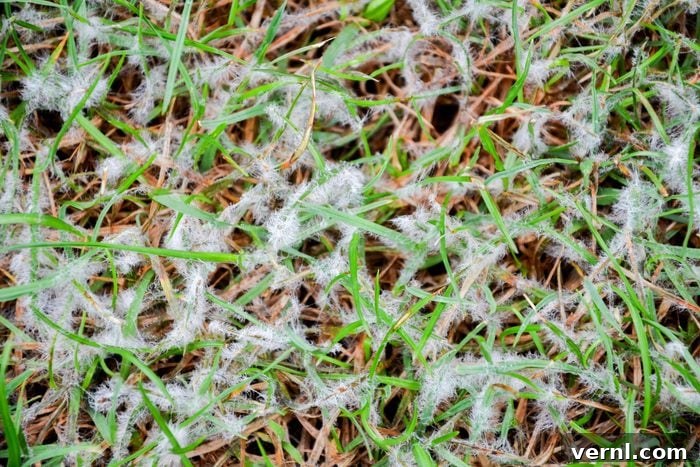
Detecting snow mold on your lawn is relatively straightforward once you know what to look for. According to Rubino, “If you see fuzzy growth on a lawn or patches of oddly colored grass (like pink or grayish white), especially after snow melt, this typically indicates microbial growth.” These patches are often circular, ranging from a few inches to several feet in diameter. Gray snow mold typically appears as matted, gray or whitish-gray circular areas of grass, often with a grayish-white web-like growth (mycelium) visible at the edges of the patch, especially when wet. Pink snow mold, on the other hand, presents with a pinkish or reddish-brown hue and can also show a pinkish mycelial growth, making it distinct from its gray counterpart. Unlike gray snow mold, pink snow mold can continue to spread and cause damage even after the snow has completely melted, particularly during cool, wet spring weather. Another subtle yet telling indicator for some individuals might be a sudden resurgence of allergy symptoms, as the mold releases spores into the air.
Beyond the visual cues, the texture of the affected grass can also offer clues. Snow mold often causes the grass blades to become matted and pressed down, creating a flattened appearance within the circular patches. This matting prevents the grass from drying out properly, perpetuating the fungal growth. Early identification is key to understanding the extent of the problem and determining the appropriate course of action for your lawn’s recovery. While snow mold can initially look alarming, understanding its characteristics allows for proper diagnosis and less intrusive treatment methods.
Is Snow Mold a Threat to Your Health and Home?
While snow mold is primarily an outdoor lawn issue, its potential impact can extend beyond your turf. Michael Rubino emphasizes that all mold can pose health risks, noting that “as this specific subset is outside, the main issue is having a source of mold right outside the home.” This proximity is what raises concerns for indoor air quality and personal health.
Rubino further explains, “As this mold grows, it will release spores into the surrounding air, which can then make their way into the home through open doors or windows.” The microscopic spores, once airborne, can travel considerable distances and easily infiltrate your living spaces. “The higher the number of spores in the house, the lower the indoor air quality and the increased risk of colonies developing inside,” he continues. For individuals sensitive to mold, such as those with allergies, asthma, or compromised immune systems, exposure to these spores can trigger a range of symptoms including sneezing, coughing, itchy eyes, skin rashes, and respiratory difficulties. While outdoor mold rarely establishes significant colonies indoors unless there’s an existing moisture problem, the constant influx of spores from a heavily infected lawn can exacerbate existing indoor air quality issues and lead to chronic discomfort for occupants. Therefore, while not immediately life-threatening, a pervasive snow mold problem warrants attention to protect both your lawn and your family’s well-being.
Effective Strategies for Removing Snow Mold
The encouraging news for homeowners is that snow mold, in many cases, is a self-limiting problem. It often resolves itself naturally as temperatures rise and the lawn dries out. Gray snow mold, for instance, typically perishes when temperatures consistently reach around 45 degrees Fahrenheit (7 degrees Celsius), while the more persistent pink snow mold usually succumbs at approximately 60 degrees Fahrenheit (15 degrees Celsius). The overall effects of snow mold on a healthy lawn are generally not extreme, with grass often recovering on its own. However, if you prefer to expedite the recovery process and restore your lawn’s pristine appearance more quickly, there are several gentle yet effective steps you can take:
- Mow the Lawn at a Regular Height: While it might seem counterintuitive to mow damaged grass, ensuring your lawn is kept at a proper height is crucial. Tall grass creates a dense, moist environment that is highly conducive to fungal growth. By mowing your lawn as usual, you improve air circulation around the grass blades, helping to dry out the affected areas and discourage further mold development. Aim for your regular cutting height, avoiding excessively short cuts that could stress the already compromised grass.
- Gently Rake Affected Areas: For areas displaying straw-colored circles or matted grass, a light raking can work wonders. Use a leaf rake and gently comb through these patches. The goal is not to aggressively remove the grass but to break up the matted blades, allowing air and sunlight to penetrate. This action helps to dry out the underlying soil and grass, creating an unfavorable environment for the mold. This physical disruption also helps to stand up the grass blades, promoting new growth and aiding in the natural recovery process.
- Delay Chemical Treatments: In most instances, applying fungicides or other harsh chemicals to combat snow mold is unnecessary. Given that the grass often heals itself with rising temperatures and improved conditions, resorting to chemicals can be an overreaction. Not only are these treatments an added expense, but they can also have unintended environmental impacts and may not be beneficial to the overall health of your lawn’s delicate ecosystem. Focus on cultural practices first, allowing nature to take its course and reserving chemical interventions for truly severe or persistent cases.
By following these simple steps, you can help your lawn recover from snow mold naturally, promoting healthier growth without resorting to aggressive treatments.
Proactive Measures: Preventing Snow Mold
While some aspects of snow mold prevention are indeed influenced by uncontrollable factors like weather patterns, there are significant steps you can take to greatly reduce your lawn’s susceptibility. The key lies in strategic fall lawn care, preparing your grass for the rigors of winter and minimizing conditions conducive to fungal growth. Implementing these preventative measures can make a substantial difference in the health and appearance of your lawn come spring:
Optimal Fall Mowing Practices
One of the most crucial preventative steps is how you manage your lawn in the late fall. As autumn progresses, gradually lower your mower blade height with each subsequent cut. The final mow of the season, ideally performed just before the first permanent snowfall, should leave the grass relatively short, typically around 2 to 2.5 inches. This shorter height prevents the grass blades from matting down under the snow, which is a primary condition for snow mold development. Taller grass can easily become compacted, trapping moisture and creating the dark, damp environment that snow mold fungi crave. A shorter cut promotes better air circulation both before and after snow cover, helping the turf to dry out more efficiently when the snow melts.
Thorough Debris Removal
Before winter truly sets in and snow begins to fall, ensure your lawn is completely free of leaves, grass clippings, and any other organic debris. These materials, when left on the lawn, create an insulating layer that traps moisture and warmth, similar to tall grass. This trapped moisture, combined with the mild temperatures underneath a blanket of snow, forms an ideal habitat for snow mold. Regularly raking or mulching leaves and removing other plant matter will deprive the fungus of its necessary breeding ground and promote healthier turf. This practice also helps prevent other lawn diseases and pests.
Strategic Fertilization
Fertilizing your lawn in the fall is beneficial, but the type and timing are critical. Avoid applying high-nitrogen fertilizers late in the season, as this can stimulate lush, tender growth that is particularly vulnerable to fungal infections under snow cover. Instead, opt for a slow-release, low-nitrogen fertilizer, often referred to as a “winterizer” fertilizer, in early to mid-fall. These formulations encourage root development and overall plant vigor, preparing the grass to withstand winter stress without promoting excessive top growth. A healthy, well-nourished lawn is naturally more resistant to diseases.
Aeration for Improved Drainage
Consider aerating your lawn in the fall, especially if you have compacted soil or areas that tend to hold moisture. Core aeration involves removing small plugs of soil from the lawn, which helps to reduce compaction, improve water penetration, and enhance air circulation around the grass roots. Better drainage means less standing water and a quicker drying time for the soil and grass after snowmelt, thereby reducing the conditions favorable for snow mold growth. This practice also allows nutrients and oxygen to reach the root zone more effectively, strengthening your turf.
Addressing Drainage Issues
Identify and rectify any areas in your lawn where snow tends to accumulate excessively or melt slowly, creating prolonged wet spots. This could involve improving overall yard drainage, adjusting landscape contours, or even planting snow-tolerant ground cover in troublesome areas. Ensuring proper drainage is fundamental to preventing the long-term moisture saturation that fuels snow mold outbreaks.
Judicious Fungicide Application
For lawns with a history of severe snow mold or in regions consistently prone to heavy snowfall and prolonged cool, wet conditions, a preventative fungicide application in late fall can be a highly effective measure. This should be a targeted approach, not a routine treatment for every lawn. Apply the fungicide just before the first permanent snow cover, ensuring it has time to adhere to the grass blades. Consult with a local lawn care professional or extension office to determine the most effective type of fungicide for your specific situation and to ensure proper application techniques.
By integrating these comprehensive fall lawn care practices into your routine, you can significantly bolster your lawn’s resilience against snow mold, ensuring it emerges vibrant and healthy when spring arrives.
About the Expert
Michael Rubino is a highly respected mold and air quality expert, a dedicated environmental wellness advocate, and the visionary founder of HomeCleanse. HomeCleanse is a pioneering company committed to addressing the global health epidemic stemming from poor air quality and toxic indoor environments. Beyond his entrepreneurial endeavors, Rubino serves as Chair of the Change the Air Foundation, further extending his commitment to public health and environmental advocacy. He also shares his extensive knowledge and insights as the host of the insightful podcast, Never Been Sicker, where he delves into critical topics related to health, mold, and clean living environments.