Transform Your Yard: Nampa, Idaho’s Groundbreaking Waterwise Rebate Program
In many communities across the globe, the traditional lush green lawn, while aesthetically pleasing to some, presents a significant challenge: unsustainable water consumption. As regions face increasing water scarcity due to prolonged droughts and shifting climate patterns, cities are actively seeking innovative solutions beyond conventional watering restrictions or simple conservation advice. From strict watering schedules to promoting various drought-friendly landscaping options, the push for sustainable practices is paramount. Amidst these efforts, one city is pioneering a remarkably proactive and generous approach. Nampa, Idaho, has launched a compelling Waterwise Rebate Program, offering its residents a substantial financial incentive – up to $5,000 – to replace their water-guzzling grass lawns with environmentally responsible, low-maintenance alternatives. This initiative is more than just a local program; it stands as a successful model for sustainable water conservation that could inspire communities nationwide. Let’s delve into the details of this forward-thinking initiative.
The Cost of Green: Why Traditional Lawns Are Problematic
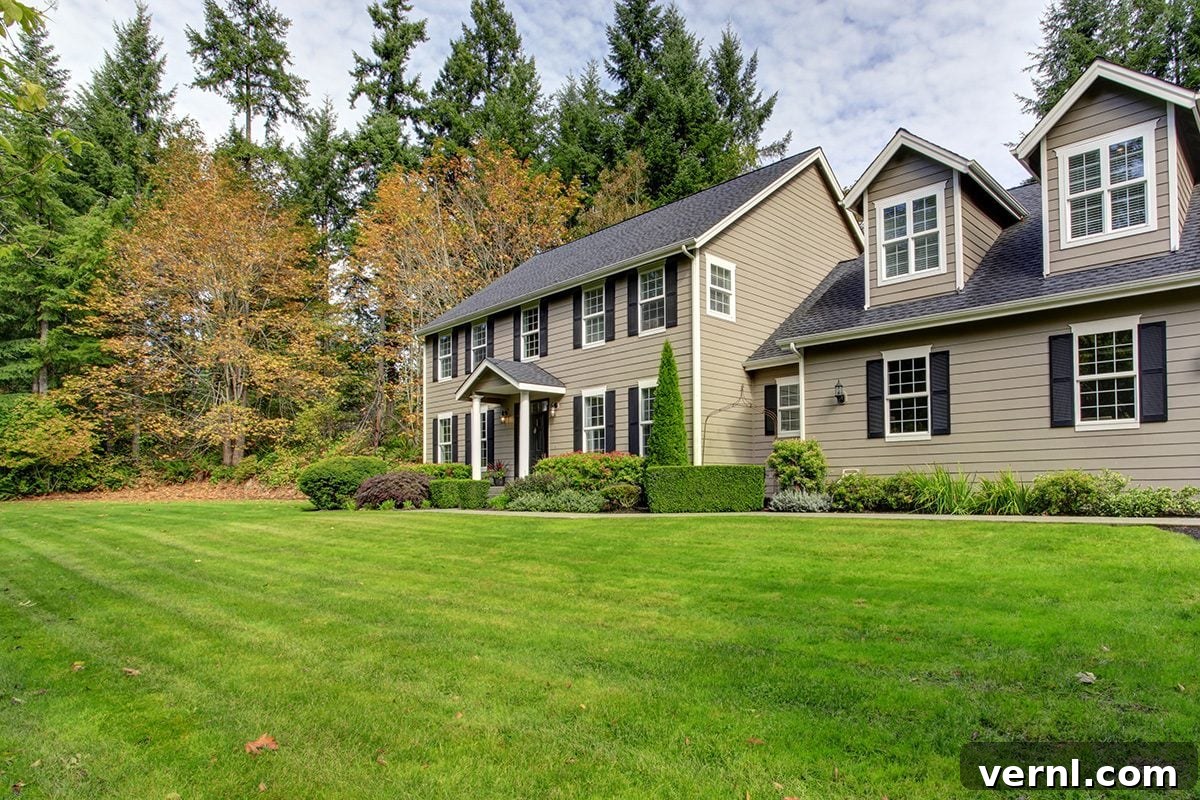
While often seen as a staple of suburban life, traditional grass lawns carry a hefty environmental footprint. They typically demand vast amounts of water, especially in arid or semi-arid regions like Idaho, where natural rainfall often isn’t sufficient to maintain their verdancy. Beyond water, these lawns often require chemical fertilizers and pesticides to keep them “perfect,” leading to runoff that can pollute local waterways. The regular mowing necessary for upkeep also contributes to air pollution from gas-powered equipment and consumes considerable time and effort from homeowners. As climate change intensifies, bringing more frequent and severe droughts, the reliance on such water-intensive landscaping becomes increasingly unsustainable. Nampa’s program directly addresses these challenges by encouraging a shift towards landscapes that thrive with less, aligning with both ecological necessity and homeowner convenience.
Nampa’s Waterwise Rebate Program: A Comprehensive Overview
Nampa’s innovative offer is a cornerstone of their Waterwise Rebate Program, designed to empower residents to make meaningful changes to their outdoor spaces. This program offers a dual incentive structure, allowing qualifying residents to earn up to $5,000 by implementing specific water-saving measures. The rebate is broken down into two main components, each contributing to a more water-efficient home landscape:
- Irrigation Upgrades: Participants can receive up to $2,500 for modernizing their irrigation systems. This component acknowledges that even with drought-resistant plants, an inefficient watering system can negate conservation efforts.
- Turf Replacement: The program offers $3 per square foot for replacing traditional grass turf with waterwise alternatives, with a total maximum rebate of $2,500 for this portion. This per-square-foot incentive directly encourages a reduction in the most water-intensive element of many yards.
For residents looking to maximize their rebate, the $2,500 cap on turf replacement means that approximately 833 square feet of turf can be converted to receive the full amount ($2,500 / $3 per square foot). While homeowners are welcome to convert more than 833 square feet, the financial incentive for turf replacement will not exceed this maximum. Combining both the irrigation upgrade and turf replacement rebates allows residents to potentially receive the full $5,000, making a significant impact on both their landscaping costs and long-term water bills. This substantial financial assistance transforms a potentially daunting project into an accessible and rewarding investment.
Qualifying for Nampa’s Rebate: Your Guide to a Waterwise Yard
For Nampa, Idaho residents eager to embrace sustainable landscaping, the Waterwise Rebate Program has clear, straightforward guidelines designed to ensure effective water conservation. To qualify for this attractive incentive, several key criteria must be met:
Residency and Project Scope
First and foremost, applicants must be residents of Nampa, Idaho. The program targets existing residential lawns, encouraging a transformation away from water-intensive grass. A crucial requirement is the replacement of a minimum of 500 square feet of your current grass lawn. This threshold ensures that the landscaping project undertaken is substantial enough to yield significant water savings for the community as a whole. Homeowners are encouraged to plan their projects carefully, considering the layout and design of their new waterwise landscape.
Embracing Waterwise Plants
The heart of the rebate program lies in the adoption of “waterwise plants.” The city defines these as landscapes that are “drought-resistant, colorful, and often require less intensive upkeep than their turf counterparts.” Moving beyond mere aesthetics, these plants are chosen for their ability to thrive with minimal irrigation once established, often being native or adapted species that are well-suited to the local climate. Examples commonly include various succulents, ornamental grasses, native shrubs, and perennials that offer vibrant colors and textures without demanding constant watering. Opting for waterwise plants not only reduces your home’s water footprint but also can attract local pollinators, increase biodiversity, and create a unique, dynamic outdoor space that evolves with the seasons. This shift from a monoculture grass lawn to a diverse plant palette is a cornerstone of ecological landscaping principles, often referred to as xeriscaping.
Upgrading Your Irrigation System for Maximum Efficiency
Alongside turf replacement, enhancing irrigation efficiency is a mandatory component of the program. Participants have two primary options for upgrading their systems, both aimed at significantly decreasing water usage and increasing overall efficiency:
- Drip Irrigation: This method delivers water directly to the plant roots through a network of emitters, hoses, and pipes. By avoiding overhead spraying, drip irrigation minimizes evaporation and runoff, ensuring that precious water reaches exactly where it’s needed. This targeted approach is exceptionally efficient for shrubs, garden beds, and trees, dramatically reducing water waste compared to traditional sprinkler systems.
- EPA WaterSense Labeled Controller: Alternatively, homeowners can install a smart irrigation controller certified by the EPA WaterSense program. These advanced controllers go beyond simple timers. They utilize local weather data, soil moisture sensors, and plant-specific needs to automatically adjust watering schedules. This intelligent system ensures that your landscape receives the precise amount of water it needs, when it needs it, preventing both under- and over-watering.
The Final Step: Project Inspection
Once your waterwise landscaping project is complete, the city requires a final inspection to verify compliance with all program guidelines. This step ensures that the new landscape meets the “waterwise” criteria and that irrigation upgrades have been correctly implemented. Upon a successful inspection, congratulations! You will have not only secured your $5,000 rebate but also transformed your property into a beautiful, sustainable, and water-efficient oasis, contributing positively to Nampa’s environmental health.
Program Availability and Future Prospects
The Waterwise Rebate Program has rapidly gained immense popularity among Nampa residents, underscoring a strong community desire for sustainable living. Currently, the city has announced that “all currently available rebate funds have been allocated,” reflecting the program’s significant success and demand. However, this doesn’t necessarily mean that your chance to participate has passed. Nampa’s commitment to water conservation is ongoing, and the city encourages interested residents to be added to a waiting list. This proactive step ensures that you can take advantage of the program should additional funds become available in the future, which is often a strong possibility for successful municipal initiatives. Being on the waiting list also signals to city officials the continued high demand for such programs, potentially influencing future budget allocations.
The overwhelming interest in Nampa’s rebate program highlights a growing trend towards eco-conscious homeownership. Its success could serve as a powerful blueprint for other cities grappling with similar water challenges, demonstrating that financial incentives coupled with clear environmental goals can drive significant positive change in urban landscapes. As climate patterns continue to evolve, programs like Nampa’s will become increasingly vital in fostering resilient and sustainable communities.
Benefits Extending Beyond Water Savings
While the primary goal of Nampa’s Waterwise Rebate Program is water conservation, the ripple effects of transforming a traditional lawn into a waterwise landscape extend far beyond just reduced water bills. These benefits encompass financial, environmental, and aesthetic advantages that contribute to a higher quality of life for homeowners and the community:
Significant Financial Savings
Beyond the initial rebate, homeowners will realize ongoing financial benefits. Reduced water consumption directly translates to lower utility bills, year after year. Furthermore, waterwise landscapes typically require less maintenance:
- Reduced Mowing: Less grass means less time and money spent on fuel, equipment maintenance, or professional mowing services.
- Lower Chemical Costs: Waterwise plants, especially native species, are often more resilient to local pests and diseases, reducing the need for expensive fertilizers and pesticides.
- Increased Property Value: A beautifully designed, low-maintenance, and eco-friendly landscape can enhance curb appeal and increase the overall value of your home, appealing to environmentally conscious buyers.
Profound Environmental Advantages
The ecological benefits of replacing traditional lawns are substantial:
- Reduced Chemical Runoff: Less reliance on fertilizers and pesticides means fewer harmful chemicals entering stormwater systems and local waterways, protecting aquatic ecosystems.
- Increased Biodiversity: Native and drought-resistant plants provide essential habitat and food sources for local wildlife, including pollinators like bees and butterflies, birds, and beneficial insects.
- Improved Soil Health: Healthy, diverse plant communities contribute to better soil structure, which can enhance carbon sequestration and reduce erosion.
- Reduced Carbon Footprint: Less mowing and chemical production directly translate to a smaller carbon footprint for your household.
Enhanced Aesthetic Appeal and Lifestyle
Far from being stark or barren, modern waterwise landscapes offer a unique and often stunning aesthetic:
- Unique Garden Designs: Homeowners can explore diverse plant textures, colors, and forms, creating personalized and dynamic outdoor spaces that stand out from traditional uniform lawns.
- Year-Round Interest: Many drought-tolerant plants offer seasonal interest through unique foliage, flowers, and seed heads, providing beauty throughout the year.
- More Leisure Time: With less time spent on watering, mowing, and fertilizing, residents gain more free time to enjoy their yards, pursue hobbies, or simply relax.
- Community Enhancement: A neighborhood filled with beautiful, sustainable landscapes creates a greener, more resilient environment for everyone.
Considering a Waterwise Yard in Your Community?
Even if a robust rebate program like Nampa’s isn’t yet available in your city, the principles of waterwise landscaping can be applied anywhere. Homeowners interested in making a difference can take proactive steps:
- Research Local Native Plants: Discover plants indigenous to your region that naturally thrive in your climate and soil conditions. Your local university extension office or native plant society can be excellent resources.
- Start Small: Begin by converting a small, high-visibility area of your lawn, such as near your front door or a planting bed, to waterwise plants. This allows you to learn and gain confidence before tackling larger sections.
- Observe Your Water Usage: Install a rain gauge or monitor your water bill to understand your current irrigation patterns. Consider a water audit to identify inefficiencies.
- Consult Local Nurseries: Many local nurseries specialize in drought-tolerant or native plants and can offer expert advice tailored to your specific microclimate.
- Check Local Regulations: Before making significant changes, always ensure your plans comply with any homeowner association rules or local municipal ordinances regarding landscaping.
Embracing waterwise landscaping is a journey towards a more sustainable and resilient home, regardless of immediate financial incentives. It’s an investment in your property, your community, and the planet.
Nampa: A Model for Sustainable Futures
Nampa, Idaho, through its Waterwise Rebate Program, has positioned itself as a leader in urban water conservation. By offering significant financial incentives and clear guidelines, the city is not just addressing an immediate environmental concern but is also empowering its residents to be part of the solution. This forward-thinking approach provides a tangible benefit to homeowners while fostering a community-wide commitment to environmental stewardship. As water resources become increasingly precious, the model set by Nampa serves as an inspiring blueprint for how other municipalities can effectively encourage and support sustainable practices, paving the way for greener, more resilient communities across the nation.
Sources and Further Reading
- Waterwise Rebate Program, City of Nampa.
- 2025 Nampa in Bloom, City of Nampa.
RELATED
- The 5 States Where Winter Driving Is Most Dangerous
- Which States Have the Highest and Lowest Property Taxes?
- The Biggest Home in Each State That Will Stun You