Embrace Eco-Friendly Practices: Why Your Christmas Tree Deserves a Second Life
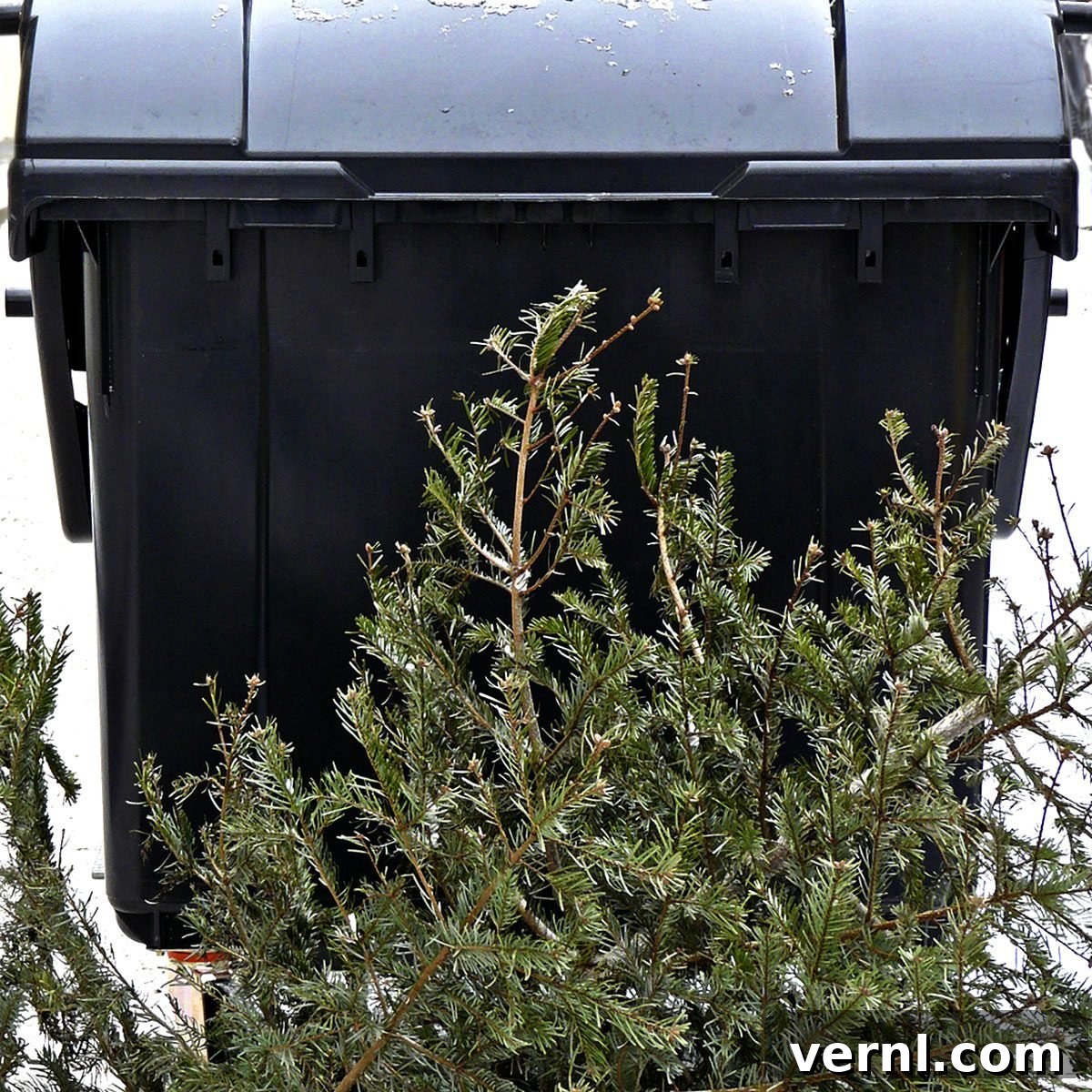
The festive glow of the holiday season often culminates around the timeless tradition of a Christmas tree. For weeks, it stands as a centerpiece, adorned with ornaments and lights, symbolizing joy and togetherness. However, once the tinsel is packed away and the carols fade, many find themselves facing the perennial post-holiday question: What to do with the fading Christmas tree? While the easiest option might seem to be discarding it, throwing away your Christmas tree is a missed opportunity for positive environmental impact. While trees are naturally biodegradable and won’t harm the environment as much as non-biodegradable waste, simply sending them to a landfill fills valuable space and prevents them from contributing to the ecosystem in beneficial ways. Instead of letting your tree become just another piece of trash, consider giving it a second life through responsible Christmas tree recycling. By choosing eco-friendly disposal methods, you can kick off the new year with a meaningful contribution to the health of our planet, transforming what seems like waste into a valuable resource.
The Lifespan of Your Evergreen: When to Bid Farewell to Your Christmas Tree
Determining the perfect time to take down your Christmas decorations, including your beloved tree, often comes down to a blend of personal preference, family traditions, and practical considerations. Some families prefer to keep the festive spirit alive until after New Year’s Day, while others adhere strictly to the Twelve Days of Christmas, removing decorations on January 6th. As long as your tree remains vibrant and properly cared for, there’s no harm in extending its stay for as long as you wish to maintain that holiday cheer.
However, it’s crucial to prioritize safety, especially with live trees. As a cut tree begins to dry out, it rapidly becomes a significant fire hazard. A dry tree can ignite quickly and burn with intense heat, posing a serious risk to your home and family. Signs that your tree is drying out include an increased rate of needle shedding, brittle branches, and a change in color from vibrant green to a duller hue or even brown. If your tree is constantly dropping needles when touched and feels dry to the touch, it’s definitely time to remove it from your home. Ensuring your tree is well-watered while it’s up can significantly extend its freshness, but eventually, all live trees will dry out. Don’t wait until it becomes a serious safety concern; proactive removal and responsible disposal are key to a safe and sustainable holiday season.
Prepare for a New Beginning: Readying Your Tree for Recycling
Before you embark on the journey of Christmas tree recycling, a few essential steps are required to ensure its successful transformation. The most critical step is to completely strip your tree of all decorations. This includes every ornament, strand of tinsel, string of lights, and any hooks or wires. Even small pieces of tinsel, plastic, or metal can contaminate the mulch or compost created from the tree, making it unsuitable for gardening or posing a risk to machinery at recycling facilities. Don’t forget to remove the tree stand, whether it’s made of plastic or metal. Some recycling programs may also require you to remove any netting or bags used to transport the tree.
It’s also important to note that not all trees are created equal when it comes to recycling. Flocked Christmas trees, which are sprayed with a white, powdery material to mimic snow, are typically not accepted by standard recycling companies. The flocking material often contains chemicals, non-biodegradable glues, or plastics that cannot be easily separated from the natural wood fibers, making them unsuitable for mulching or composting. Always check with your local recycling facility about their specific requirements for flocked trees to avoid contaminating their processing streams.
Where to Recycle Your Real Christmas Tree: Giving Back to Nature
Fortunately, there are numerous eco-conscious options available for recycling your Christmas tree once the holiday season concludes. These methods ensure your tree contributes positively to the environment rather than simply occupying landfill space. Each option serves a unique purpose, from enriching soil to providing wildlife habitats.
Curbside Pickup Programs
Many municipalities across the U.S. offer convenient curbside pickup services specifically for Christmas trees, usually starting in the first few weeks of January. This service makes recycling effortless for residents. To participate, simply place your prepared tree (stripped of all decorations and stands) at your curb on designated collection days. However, requirements can vary significantly by location. Some areas may ask you to cut larger trees into smaller, manageable sections, typically no longer than 4-6 feet, to fit into their collection vehicles or processing equipment. Others might have specific bagging rules or restrict pickup to certain days of the week. It’s essential to contact your local waste management company or visit your city or county’s official website for precise instructions regarding dates, preparation, and any specific requirements before leaving your tree at the end of your driveway. Early planning can prevent your tree from being left behind.
Retailer Drop-Off Initiatives: Partnering for Mulch
Major retailers often step up to facilitate Christmas tree recycling. Following the holiday season, many Home Depot stores, for example, partner with tree chipping companies or local recycling centers. These partnerships transform discarded trees into valuable, eco-friendly mulch. This mulch can then be used for landscaping projects, erosion control, or given back to local communities. The process is straightforward: simply bring your decoration-free tree to a participating Home Depot location or other similar retail partner any day after Christmas, and they will ensure it’s processed into reusable mulch. If a Home Depot isn’t conveniently located near you, inquire with other large garden centers or local hardware stores, as they might offer similar recycling programs or be able to direct you to nearby facilities.
Exploring Local Recycling Centers and Community Initiatives
Your options for Christmas tree recycling extend beyond curbside pickup and major retailers, often reflecting unique local initiatives. Many cities and counties operate dedicated recycling centers that accept trees for chipping and mulching. Parks and recreation departments might also collect trees for specific projects, such as creating pathways, improving hiking trails, or even enriching soil in public gardens. Some wildlife conservation areas or local zoos occasionally accept trees to be used as enrichment items or natural shelters for animals, though these opportunities are less common and require specific preparation. To find the most convenient and appropriate option for your area, utilizing online resources is highly recommended. Databases like Earth911’s recycling locator can help you find nearby tree recycling options simply by entering your zip code. Additionally, checking your local municipality’s website or contacting your county extension office can provide up-to-date information on community-specific recycling events and drop-off points.
Empower Yourself: DIY Christmas Tree Recycling at Home
For those with a knack for hands-on projects or access to specific equipment, recycling your Christmas tree at home offers a deeply rewarding and environmentally beneficial experience. Transforming your tree on your property ensures its components are fully utilized and returned to your local ecosystem.
Create Nutrient-Rich Mulch
If you have access to a large, safe wood chipper, you can easily turn your Christmas tree into valuable wood mulch. This homemade mulch is a fantastic addition to your garden or landscaping. Spreading pine mulch around plants and garden beds helps suppress weed growth, retains soil moisture, regulates soil temperature, and slowly releases nutrients back into the earth as it decomposes. Remember to follow all safety precautions when operating a wood chipper, wearing appropriate protective gear and keeping hands and feet clear of the blades. The fragrant pine mulch will not only benefit your plants but also add a pleasant aroma to your outdoor space.
Enhance Your Compost Pile
Smaller branches and pine needles can be incorporated into your existing compost pile. While pine needles decompose slowly due to their waxy coating and acidic nature, they can still contribute organic matter to your compost. Chopping them into smaller pieces will accelerate the decomposition process. Mixing them with a good balance of “greens” (nitrogen-rich materials like grass clippings and food scraps) and “browns” (carbon-rich materials like leaves and straw) will help maintain a healthy compost. The slightly acidic nature of pine needles can also be beneficial for acid-loving plants when the compost is ready for use.
Provide Wildlife Habitat and Shelter
Your old Christmas tree can offer vital shelter for local wildlife, especially during the harsh winter months. By placing your tree in a secluded corner of your yard, you create a natural brush pile that provides refuge for small birds, rabbits, and other creatures from predators and severe weather. You can even re-decorate the tree with birdseed ornaments, pinecone feeders smeared with peanut butter, or suet cakes to provide a food source. For those living near a pond or lake, and with proper local permits, sinking your Christmas tree into the water can create an excellent underwater habitat for fish, offering hiding spots and promoting biodiversity. Always check with local environmental regulations before placing trees in water bodies.
Repurpose for Outdoor Use
Dried-out branches from your Christmas tree can be broken down into kindling for outdoor fire pits or bonfires. The resinous nature of pine makes it an excellent fire starter. However, it is crucial to *never* burn Christmas tree branches or logs indoors in a fireplace or wood stove, as the high sap content can lead to creosote buildup in chimneys, posing a significant fire risk. Sturdier sections of the trunk can be cut and used as temporary garden stakes for plants, or even as decorative edging around flower beds. Get creative with smaller branches for crafting projects, such as wreaths, potpourri, or even simple decorative elements for outdoor spaces.
The Dilemma of Disposing: Can You Recycle an Artificial Christmas Tree?
Artificial Christmas trees are designed for longevity, often lasting for many years, which can be seen as an eco-friendly advantage over annually cut live trees. However, even the most durable artificial tree will eventually show signs of wear, fade, or simply go out of style. When it’s time for a replacement, the question of disposal becomes more complex. Unfortunately, the vast majority of artificial Christmas trees are notoriously difficult to recycle through conventional means.
The primary reason for this difficulty lies in their construction. Most artificial trees are made from a combination of materials, including PVC (polyvinyl chloride) plastic, metal (for the trunk and branches), and various other plastics, glues, and sometimes even non-recyclable flocking or glitter. PVC, in particular, is a problematic plastic due to its chemical composition, which often contains chlorine and other additives. This makes it challenging and costly to separate and process compared to other plastics, and it can release harmful toxins during decomposition or incineration. As a result, standard municipal recycling facilities typically do not accept artificial trees.
So, what are the best options for your old artificial tree? The most environmentally responsible approach is to extend its life or find it a new home through donation. Organizations like Goodwill, The Salvation Army, local thrift stores, or even community centers, schools, and nursing homes often welcome donations of artificial trees that are still in good, usable condition. Donating ensures the tree continues to bring joy to others and avoids immediate landfill disposal. If the tree is only slightly damaged, consider repairing it to extend its lifespan further. For trees that are truly beyond repair or donation, they will likely have to be disposed of with regular household waste, unfortunately ending up in a landfill. While this is not ideal, ensuring it reaches its maximum possible life through use or donation is the best way to minimize its environmental footprint.