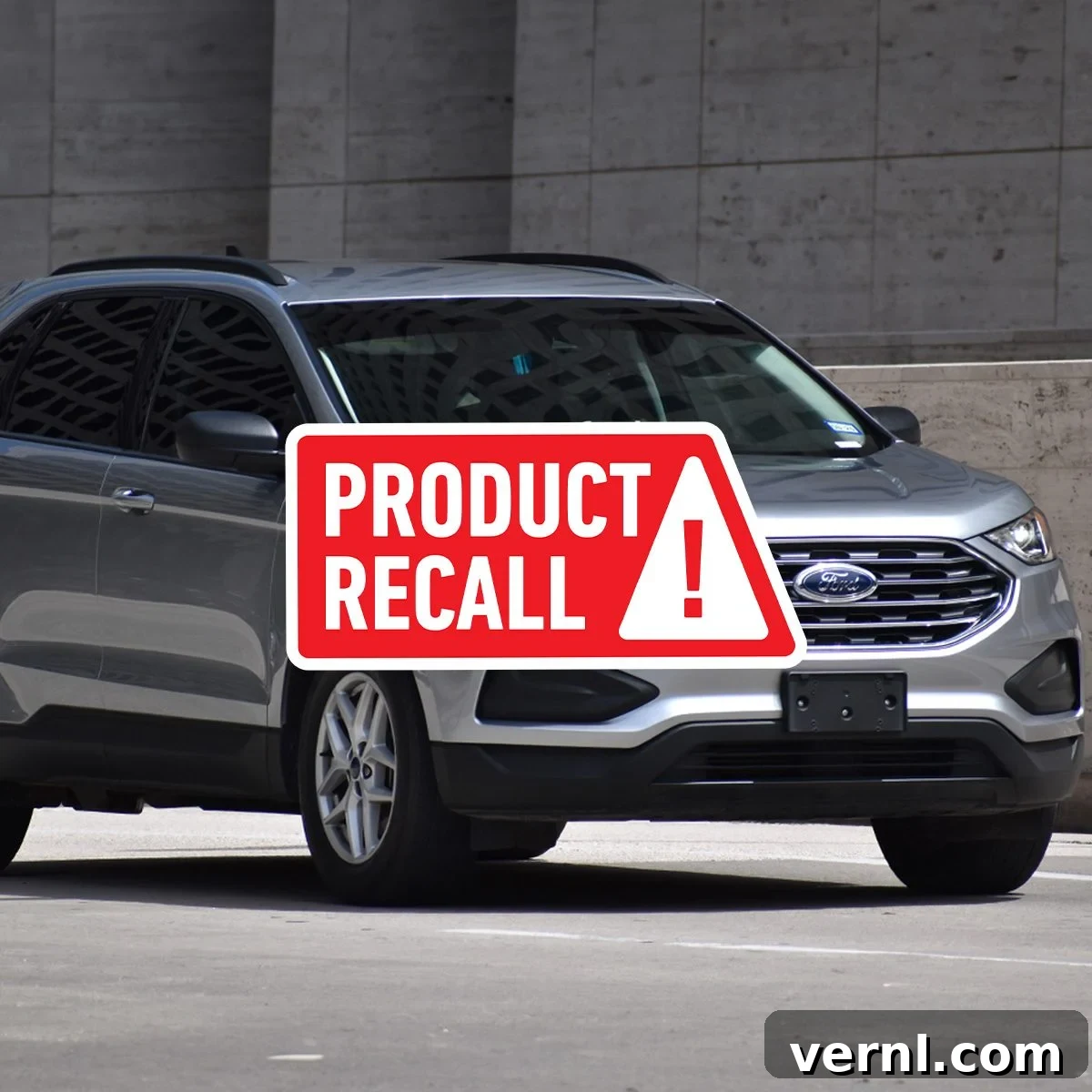
Major Ford Recall: Is Your Vehicle Affected by the Rearview Camera Bug?
Backup cameras have transformed modern driving, becoming an indispensable feature in countless new vehicles. They are widely recognized for significantly enhancing safety by improving rearward visibility, simplifying challenging maneuvers like parallel parking, and reducing the risk of accidents. For many drivers, these systems are so commonplace that their seamless operation is often taken for granted. However, when a crucial safety feature like a rearview camera malfunctions, it can pose a serious safety hazard and create considerable inconvenience. This is precisely the situation facing millions of Ford owners across various models and model years due to a newly announced recall addressing a widespread rearview camera defect.
Ford has issued a substantial recall encompassing nearly 1.1 million vehicles that may experience issues with their rearview camera systems. This software-related defect can cause the rearview image to delay, freeze, or fail to display entirely when the vehicle is shifted into reverse. Such a malfunction compromises driver awareness and significantly increases the risk of a collision, underscoring the critical nature of this recall. If you own a Ford vehicle, there’s a considerable likelihood that your car, truck, or SUV might be included in this broad safety campaign. Understanding the specifics of this recall, including affected models, the underlying cause, and the repair process, is vital for ensuring your safety and compliance.
Extensive Ford Recall: Which Models Are Impacted by the Rearview Camera Glitch?
The scope of Ford’s latest rearview camera recall is extensive, affecting a wide array of popular models across multiple production years. Nearly 1.1 million vehicles are part of this safety campaign, highlighting the widespread nature of the software anomaly. Owners of many different Ford and Lincoln vehicles should carefully review this list to determine if their specific model and year are included. The affected vehicles span popular trucks, SUVs, and even electric models, emphasizing that this is not an isolated incident but a systemic issue requiring immediate attention.
Below is a comprehensive list of the models and their respective model years that Ford has identified as having the potential rearview camera bug:
- Ford Bronco: 2021, 2022, 2023, 2024
- Ford F-150: 2021, 2022, 2023, 2024
- Ford Edge: 2021, 2022, 2023, 2024
- Ford Escape: 2023, 2024
- Ford F-250: 2023, 2024
- Ford F-350: 2023, 2024
- Ford F-450: 2023, 2024
- Ford F-550: 2023, 2024
- Ford F-600: 2023, 2024
- Ford Expedition: 2022, 2023, 2024
- Ford Transit: 2022, 2023, 2024, 2025
- Ford Mustang Mach-E: 2021, 2022, 2023
- Ford Ranger: 2024
- Ford Mustang: 2024
- Lincoln Nautilus: 2021, 2022, 2023
- Lincoln Navigator: 2022, 2023, 2024
- Lincoln Corsair: 2023, 2024
It is important for owners of these vehicles to be vigilant and responsive to communications from Ford. The company plans to send multiple owner notification letters to ensure all affected individuals are informed. The next wave of these letters is anticipated to be mailed around mid-June 2025. A subsequent follow-up letter will be dispatched once the definitive repair solution becomes widely available to dealerships and through over-the-air updates. Ford projects that this final notification regarding the repair’s readiness will be sent sometime in the third quarter of 2025. While awaiting these official communications, concerned owners can proactively check their vehicle’s VIN on the NHTSA recall website to confirm if their specific vehicle is part of this recall.
Understanding the Cause: Why is Ford Recalling These Vehicles?
The core of this extensive recall stems from a critical software error within the vehicle’s rearview camera system. As detailed by the National Highway Traffic Safety Administration (NHTSA), the software anomaly “may cause the rearview camera image to delay, freeze, or not display when the vehicle is in reverse.” This isn’t merely a minor inconvenience; it’s a significant safety concern that directly impacts a driver’s ability to safely maneuver their vehicle, especially in congested or challenging environments.
Modern vehicles are equipped with rearview cameras as a fundamental safety feature, designed to provide drivers with a clear, real-time view of the area directly behind their vehicle. This visibility is crucial for preventing collisions with pedestrians, children, pets, or other obstacles that might be out of sight through traditional mirrors. When this image is delayed, freezes, or fails to appear, the driver is left without this vital visual aid, dramatically increasing the risk of an accident during backing maneuvers. The NHTSA explicitly warns that “a frozen or missing rearview camera image can reduce the driver’s view behind the vehicle, increasing the risk of a crash.”
While experienced drivers understand the importance of checking mirrors and physically looking over their shoulder when reversing, the reliance on backup cameras has grown significantly. For many, especially those in larger vehicles or with limited neck mobility, the camera provides an unparalleled perspective. A malfunctioning camera eliminates this critical safety layer, forcing drivers to rely solely on mirrors which, while essential, cannot cover the same blind spots as a wide-angle camera. This defect undermines the intended safety benefits of the system, transforming a helpful feature into a potential liability.
Until your vehicle has been repaired, it is paramount to exercise extreme caution whenever you engage reverse. Thoroughly check all mirrors, turn your head to survey the area behind and to the sides of your vehicle, and if possible, ask for assistance from a spotter. Do not solely rely on visual cues that may be outdated or absent from your screen. The potential for a serious accident due to this fault underscores the urgency of addressing the recall as soon as a fix becomes available.
The Solution: How Will Ford Address This Recall Issue?
Ford is committed to resolving this software-related issue effectively and efficiently. The company has announced that the fix will involve an update to the Accessory Protocol Interface Module (APIM) software. The APIM is a crucial component within your vehicle’s infotainment and connectivity system, responsible for managing various functions, including the display of the rearview camera image. By updating this software, Ford aims to correct the bug that causes the delay, freezing, or failure of the rearview camera display.
Owners of affected vehicles will have two convenient options for applying this essential software update, ensuring broad accessibility for all drivers:
- Dealer Update: You can schedule an appointment at an authorized Ford or Lincoln dealership. Trained technicians will perform the software update, ensuring the system is correctly configured and tested. This option provides peace of mind that professionals are handling the repair.
- Over-the-Air (OTA) Update: For many modern Ford vehicles, the update can be delivered wirelessly through an over-the-air update. This convenient method allows the software patch to be downloaded and installed directly to your vehicle’s system, often requiring only a few simple steps from the owner. This eliminates the need for a dealership visit, saving time and effort.
Crucially, Ford has confirmed that this repair, whether performed by a dealer or via an over-the-air update, will be provided entirely free of charge to all affected owners. This commitment underscores Ford’s responsibility to rectify safety-related defects and ensure customer satisfaction. Once the repair solution is officially released and made available, it is highly recommended that you take advantage of it at your earliest opportunity. Prompt action will restore the full functionality of your rearview camera and, most importantly, mitigate the increased risk of accidents associated with the malfunction.
For any additional questions or concerns regarding this recall, Ford customer service is readily available to assist. You can contact them directly at 1-866-436-7332. When you call, it’s helpful to clarify that you are inquiring about Ford recall number 25S49. Furthermore, the NHTSA Vehicle Safety Hotline also serves as an invaluable resource for consumers seeking information about vehicle safety recalls. You can reach the NHTSA at 888-327-4236, and their specific reference number for this particular recall is 25V315000. Staying informed and taking prompt action is key to maintaining your vehicle’s safety and functionality.
The Critical Role of Rearview Cameras and Vehicle Safety
The prevalence of rearview cameras in today’s vehicles underscores a broader shift in automotive design towards enhanced safety features. These cameras are no longer just luxury add-ons; they are mandated safety equipment, recognized for their significant role in preventing backing accidents. The Ford recall serves as a stark reminder of how essential these technological aids have become and the potential hazards that arise when they fail. Even seemingly minor software glitches can have profound implications for driver and pedestrian safety.
Beyond the immediate fix for this recall, this situation highlights the importance of maintaining awareness about all your vehicle’s safety systems. While technology provides incredible assistance, it should always complement, never entirely replace, cautious driving practices and thorough situational awareness. Drivers should always be prepared to use traditional methods of checking their surroundings, even when advanced systems are functioning optimally. Regular vehicle maintenance, including software updates and checks of all safety features, is crucial for long-term reliability and safety on the road.
This recall also reinforces the robust system of vehicle safety oversight provided by organizations like the NHTSA. Their role in identifying potential defects, prompting manufacturers to issue recalls, and ensuring consumer notification is paramount to public safety. As a vehicle owner, staying informed about potential recalls, checking your VIN regularly, and promptly acting on recall notices are vital responsibilities. The swift resolution of issues like the Ford rearview camera bug protects not only drivers but also pedestrians and other road users.
In conclusion, the Ford rearview camera recall affects a significant number of popular models and demands immediate attention from vehicle owners. While waiting for Ford’s scheduled owner notifications, we urge you to proactively check your vehicle’s status and prepare to have the necessary software update performed. Restoring your rearview camera’s functionality is not just about convenience; it’s about reinstating a critical safety feature that helps prevent accidents and keeps you and those around you safe. Don’t delay in addressing this important safety concern.
Source
Rearview Camera Image May Not Display, National Highway Traffic Safety Administration, 2025.
RELATED ARTICLES:
- Do You Know What That Little Button on Your Seat Belt Is For?
- What Those Lines on Your Backup Camera Really Tell You
- Here’s What The Small Panel On Your Car’s Front Bumper Is For