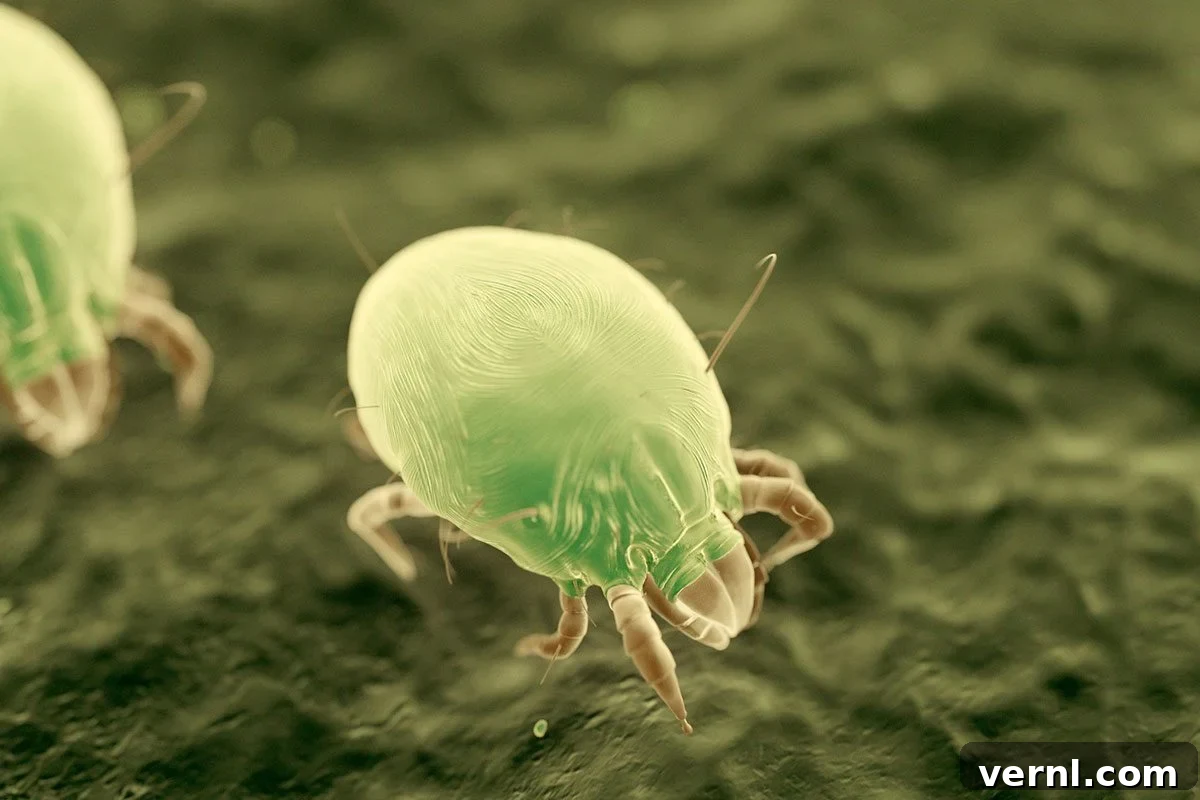
They are tiny, invisible to the naked eye, and reside in nearly every home around the globe. Dust mites, microscopic arachnids, thrive in the softest corners of our living spaces—from mattresses and bedding to upholstered furniture, carpets, blinds, and curtains. They sustain themselves by feeding on the organic detritus of our daily lives, primarily dead skin cells shed by humans and pets, as well as pet dander. While these minuscule creatures do not bite or transmit diseases, their presence can significantly impact human health. The Asthma and Allergy Foundation of America estimates that a staggering 20 million Americans experience allergic sensitivities to dust mites, making them one of the most common triggers for indoor allergies.
Although complete eradication of dust mites is an unrealistic goal due to their omnipresent nature, their populations can be effectively managed. Implementing targeted strategies can dramatically reduce their numbers, liberating you from the discomfort of chronic nasal drip, irritating skin rashes, persistent sneezing, and other adverse reactions associated with dust mite allergies. This comprehensive guide will delve into understanding dust mites, identifying their dangers, recognizing their signs, and providing actionable steps for effective control and prevention, ultimately helping you reclaim a healthier and more comfortable home environment.
What Exactly Are Dust Mites?
Often mistaken for insects, dust mites are actually part of the Arachnida class, making them distant relatives of spiders, ticks, and chiggers. These tiny, translucent creatures are remarkably resilient and uniquely adapted to indoor environments. An adult dust mite measures approximately 1/100th of an inch (around 0.2-0.3 millimeters) in length, rendering them utterly imperceptible without the aid of a powerful microscope.
Their physical characteristics are quite distinctive: a small, almost insignificant head, an oval-shaped, somewhat plump body, and eight spider-like legs that allow them to navigate textile fibers. Interestingly, dust mites lack both eyes and a respiratory system. Instead of lungs, they absorb oxygen directly through their exoskeletons, which is a testament to their primitive yet effective biological design. They rely on tactile and chemical senses to find food and navigate their environment. Their primary food source is the microscopic flakes of dead skin that humans and pets shed daily. A single person can shed up to 500 million tiny skin flakes each day, providing an abundant and continuous buffet for these prolific scavengers.
The life cycle of a dust mite is relatively short but highly productive. It typically takes two to five weeks for a mite egg to mature into an adult. Once mature, a male dust mite lives for about one to two months, while females can live significantly longer, up to three months. During her lifespan, a female dust mite is capable of laying approximately 80 to 100 eggs, often in batches of 3 to 5 at a time. This rapid reproductive rate, coupled with their constant food supply and ideal living conditions within homes, explains why dust mite populations can explode, quickly leading to high concentrations of allergens.
You might remain entirely unaware of their presence until you or a family member begins to exhibit allergic symptoms, such as persistent sneezing, itching, or other respiratory issues. Their silent proliferation underscores the importance of understanding their nature and implementing proactive control measures.
Do Dust Mites Bite? Understanding the Real Threat
It’s a common misconception that dust mites bite, especially when people experience itchy skin rashes. However, to clarify directly: **no, dust mites do not bite humans or animals.** They are not parasites that feed on living tissue or blood. Their oral structure is not designed for biting; they lack the typical mouths, lips, teeth, or tongues found in biting creatures.
Instead, dust mites possess a specialized opening that functions more like a scoop, enabling them to gather the microscopic flakes of dead skin. Once ingested, they secrete powerful digestive enzymes to break down this organic matter. These enzymes, along with their fecal pellets and decaying body fragments, are the true culprits behind dust mite allergies. When these microscopic particles become airborne and are inhaled or come into contact with skin, they can trigger an immune response in sensitive individuals.
Therefore, any skin irritation, redness, or rash experienced in a dust mite-infested environment is almost certainly an allergic reaction to these airborne allergens, not from direct bites. Allergies are often triggered not just by the mere presence of dust and live mites, but predominantly by their allergen-laden fecal matter and the fragmented remains of dead mites that accumulate in dust, carpeting, and fabrics throughout the home if not regularly cleaned and removed.
The Dangers of Dust Mites in the Home: A Health Hazard Unseen
Despite their diminutive size and non-biting nature, dust mites pose significant health challenges, establishing themselves as one of the most pervasive and potent indoor allergens. While generally harmless to non-allergic individuals, their widespread presence can turn a comfortable home into a source of chronic discomfort and health issues for those with sensitivities.
Common Allergic Reactions and Symptoms
The primary danger stems from inhaling or coming into skin contact with the protein-rich allergens found in dust mite fecal pellets and decomposing body parts. These minuscule particles easily become airborne when disturbed by activities like walking, vacuuming, or simply moving around. Once inhaled, they can irritate the delicate membranes of the nose and throat, triggering a cascade of allergic reactions. Common symptoms include:
- Allergic Rhinitis (Hay Fever-like Symptoms): Persistent sneezing, runny or stuffy nose, itchy nose, throat, or roof of the mouth. These symptoms are often worse in the morning or when first entering a dusty environment.
- Asthma Attacks: For individuals with asthma, dust mites are a major trigger. Exposure can lead to coughing, wheezing, shortness of breath, and chest tightness, potentially resulting in severe asthma attacks requiring medical intervention. The American Lung Association highlights dust mites as a significant concern for respiratory health.
- Itchy, Red, or Watery Eyes: Ocular irritation is a common complaint, manifesting as itchy, red, or watering eyes, sometimes accompanied by swollen eyelids.
- Skin Rashes and Eczema: Direct contact with dust mite allergens in infested fabrics (like bedding or upholstered furniture) can provoke skin reactions. This might include hives, eczema flare-ups (especially in children), or general itchy skin.
- Sleep Disturbances: Chronic nasal congestion, coughing, and general discomfort can severely disrupt sleep patterns, leading to fatigue, irritability, and reduced concentration during waking hours.
- Headaches and Sinus Pressure: Persistent inflammation of the nasal passages can lead to sinus pressure and tension headaches.
The long-term exposure to dust mite allergens, especially during critical developmental periods in childhood, is also strongly linked to the development and exacerbation of asthma and other allergic diseases. Effectively managing dust mite populations is therefore not just about comfort, but a crucial step towards safeguarding overall respiratory and dermatological health.
Recognizing the Signs of a Dust Mite Problem
Since dust mites are microscopic, you won’t ever “see” an infestation in the same way you might see ants or cockroaches. Instead, recognizing a dust mite problem relies heavily on observing indirect evidence, primarily through the onset and persistence of allergy symptoms. Where there’s dust, there are almost certainly dust mites, but certain signs can heighten suspicion:
- Chronic Allergy Symptoms: If you or family members experience persistent cold-like symptoms (sneezing, runny nose, congestion, itchy eyes) that don’t seem to be seasonal, especially if they are worse indoors, at night, or upon waking, dust mites are likely culprits.
- Exacerbated Asthma: Unexplained flare-ups of asthma symptoms, particularly in the home environment, are a strong indicator.
- Worsening Eczema: If skin conditions like eczema seem to worsen in specific areas of the house or after contact with certain fabrics, dust mite allergens could be contributing.
- Symptoms Improve Away From Home: A key diagnostic clue is when symptoms noticeably improve when you spend time away from your home (e.g., on vacation) and then return when you get back.
- Persistent Dust Accumulation: While dust alone isn’t a sign of mites, areas with heavy, visible dust accumulation (under beds, behind furniture, on shelves) are prime habitats for them, indicating potential high concentrations.
It’s important to consult with an allergist or healthcare professional if you suspect a dust mite allergy. They can perform diagnostic tests, such as skin prick tests or blood tests, to confirm the allergy and recommend a personalized management plan.
Effective Strategies: How to Get Rid of Dust Mites and Control Their Populations
While achieving a completely dust mite-free environment is not realistically possible, implementing a diligent and consistent management strategy can drastically reduce their numbers and mitigate allergy symptoms. The key lies in targeting their food sources, preferred habitats, and environmental conditions.
1. Prioritize Bedding and Sleep Areas
Your bed is a veritable dust mite metropolis. According to The College of Agriculture, Food and Environment at the University of Kentucky, beds are the most popular sanctuary for dust mites, largely because we spend approximately one-third of our lives there, continuously shedding dead skin cells – a veritable buffet for these tiny arachnids. This makes the bedroom the most critical area to focus on for control.
- Wash Bedding Weekly: All bedding, including sheets, pillowcases, and duvet covers, should be washed weekly. Use hot water (at least 130°F or 54°C) as advised by the Mayo Clinic. This temperature is crucial for killing dust mites and washing away allergens.
- Hot Dryer Cycle: If hot water washing isn’t possible for certain items, a high-heat drying cycle for at least 15 minutes can also effectively kill dust mites.
- Allergen-Proof Covers: Encase mattresses, box springs, and pillows in zippered, allergen-proof covers. These tightly woven fabrics create a barrier that prevents dust mites from entering or escaping, and also denies them access to their food source within the mattress and pillows.
- Vacuum Mattresses: Periodically vacuum your mattress and pillows (before putting on clean covers) using an upholstery attachment to remove surface dust mites and allergens.
- Sun Exposure: On a sunny day, hang bedding items, rugs, or even stuffed animals outdoors in direct sunlight for several hours. The intense heat and UV rays can help kill dust mites.
2. Master Regular Cleaning Techniques
Consistency in cleaning is paramount to keeping dust mite populations in check throughout your home.
- Vacuum with HEPA Filtration: Invest in a vacuum cleaner equipped with a high-efficiency particulate air (HEPA) filter. Standard vacuums can often recirculate fine dust mite allergens back into the air. Vacuum carpets, rugs, and upholstered furniture (couches, chairs, curtains) at least once a week. Focus on areas where dust visibly accumulates or where you spend a lot of time.
- Damp Dusting and Mopping: Avoid dry dusting, which merely stirs up dust mite allergens. Instead, use a damp cloth or microfiber towel to wipe down surfaces daily or weekly. For tiled or wood floors, damp-mop regularly. Pay special attention to windowsills, moldings, and other dusty spots where mites tend to gather.
- Clean Curtains and Blinds: Wash curtains regularly according to fabric instructions (again, hot water if possible). For blinds, wipe them down with a damp cloth. Consider replacing heavy draperies with washable curtains or easy-to-clean blinds.
- Reduce Clutter: Minimize the number of dust-collecting items like decorative pillows, stuffed animals (unless regularly washed), magazines, and knick-knacks, especially in the bedroom.
3. Control the Environment: Humidity and Temperature
Dust mites thrive in specific environmental conditions. Manipulating these can significantly reduce their ability to multiply.
- Manage Humidity Levels: Dust mites flourish when relative humidity levels exceed 70 percent and struggle to survive below 50 percent. Aim to keep your home’s indoor humidity between 35-50%. Use a dehumidifier in naturally damp areas like basements, bathrooms, and bedrooms, and ensure proper ventilation throughout the house.
- Regulate Room Temperature: Dust mites prefer warmth, specifically room temperatures between 68°F (20°C) and 77°F (25°C). While you shouldn’t make your home uncomfortably cold, keeping the temperature slightly outside their ideal comfort zone, combined with humidity control, can be beneficial.
4. Enhance Air Quality with Filtration
Even with diligent cleaning, some airborne allergens will persist. Air filtration can provide an extra layer of protection.
- Invest in a HEPA Air Purifier: A room air cleaner equipped with a high-efficiency particulate air (HEPA) filter is highly effective at capturing airborne particles, including dust mite allergens, pet dander, pollen, and mold spores. Place it in the bedroom or main living areas where you spend the most time.
- HVAC Filters: If you have a central heating and air conditioning system, use high-efficiency filters (MERV rating of 11-13) and change them regularly (every 1-3 months).
5. Thoughtful Product Choices and Pet Management
Making conscious choices about home furnishings and managing pet dander can also contribute to dust mite control.
- Mite-Resistant Furnishings: When purchasing new furniture, opt for leather, vinyl, or wood over upholstered fabrics, which are dust mite magnets. Choose washable rugs over wall-to-wall carpeting, or consider removing carpets entirely in bedrooms if allergies are severe.
- Washable Stuffed Toys: For children’s rooms, choose stuffed animals that can be washed regularly in hot water. Alternatively, place non-washable items in a plastic bag and freeze them for 24 hours to kill dust mites, then brush off any dead mites.
- Control Pet Dander: Pet dander is a significant food source for dust mites. Give pets a quick brush daily outdoors to minimize shedding inside. Bathe dogs as often as once a week, depending on the breed and your sensitivity, as recommended by the American Kennel Club. Most importantly, do your best to keep pets out of the bedroom entirely to reduce both dander and dust mite food in your sleep sanctuary.
Preventing Dust Mite Recurrence: An Ongoing Commitment
Keeping dust mite populations to a manageable minimum is an ongoing process that requires consistent effort. The strategies outlined above are not one-time fixes but components of a sustainable plan for a healthier home environment. Regular cleaning, environmental control, and thoughtful product choices are essential for long-term prevention.
- Maintain Low Humidity: Continuously monitor and control indoor humidity levels, especially in warmer months or humid climates.
- Strict Cleaning Schedule: Adhere to weekly washing of bedding and regular vacuuming and dusting. Create a cleaning schedule and stick to it.
- Educate Family Members: Ensure everyone in the household understands the importance of these measures to maintain a low-allergen environment.
- Consider Professional Cleaning: For deep cleaning of carpets or upholstery, occasional professional steam cleaning (which uses high temperatures) can be effective.
By understanding dust mites and consistently applying these prevention and control tactics, you can significantly reduce your exposure to their allergens, leading to fewer symptoms, improved respiratory health, and a more comfortable living space for everyone, especially those prone to allergies and asthma.