
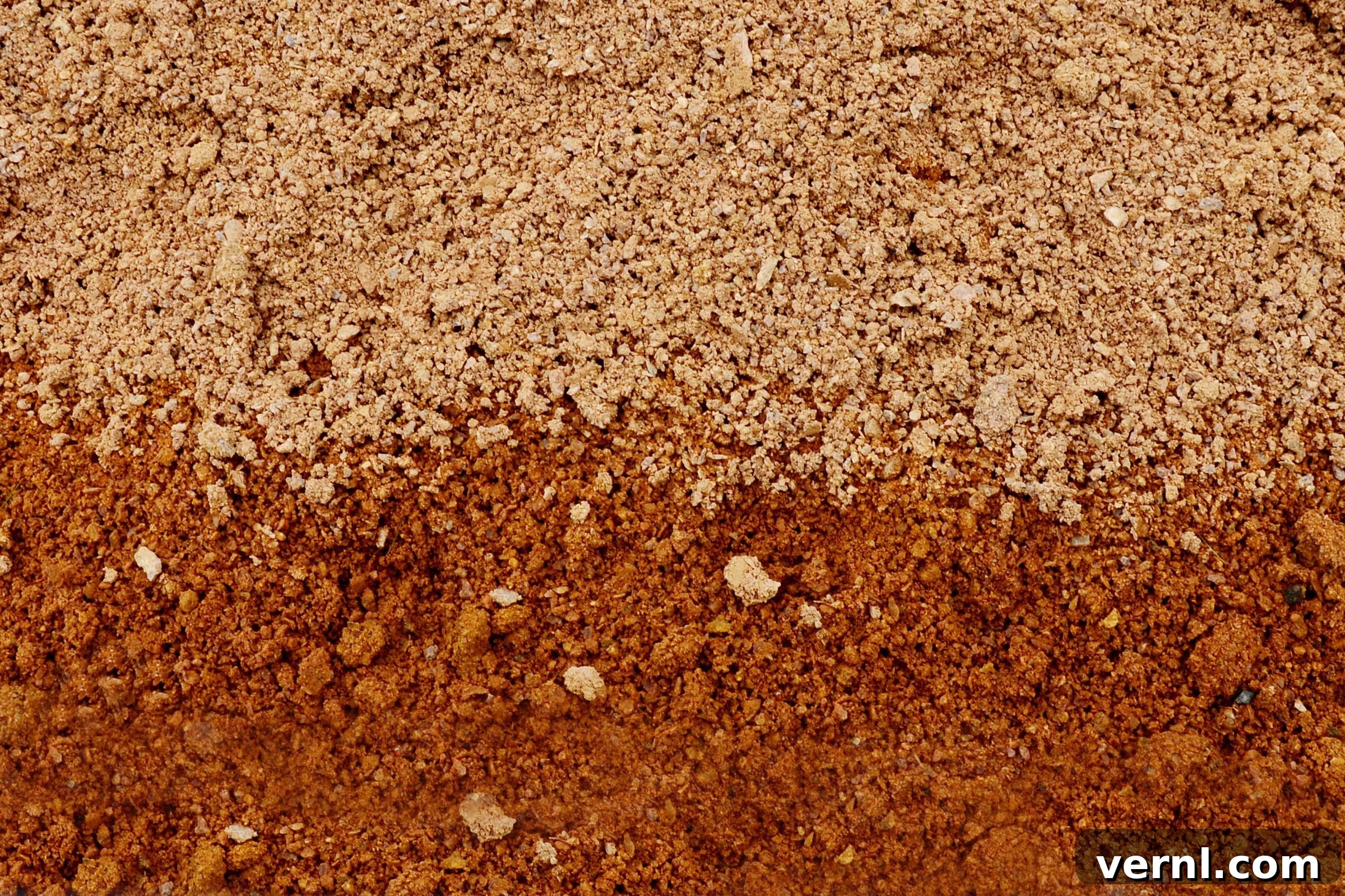
Embarking on the journey to create a home garden often brings the joy of planning and the excitement of growth. However, if your chosen plot features clay soil, you might initially feel a sense of apprehension. Clay soil has long been branded as a gardener’s nemesis, primarily due to its dense texture and propensity to compact. This can make it notoriously difficult to work with and challenging for many plants to thrive in, potentially suffocating roots and hindering overall growth.
Yet, while much of clay soil’s negative reputation is understandable, it’s far from a death knell for your gardening aspirations. With the right strategies, a proper understanding of its unique characteristics, and a touch of patience, you can transform this challenging medium into a highly fertile and stable environment. Instead of viewing it as a limitation, consider it an opportunity to unlock a flourishing home garden. This comprehensive guide will delve into everything you need to know about clay soil, exploring both its disadvantages and often-overlooked benefits, drawing insights from horticulturalist Sam Schmitz of Ball Horticulture.
Understanding Clay Soil: What It Is and Why It Matters
As a horticulturist and garden educator, I’ve seen firsthand how crucial it is to understand the foundation of any garden: its soil. Clay soil, in particular, holds a unique position due to its ancient origins and distinct composition.
Clay soils are essentially old, tightly packed soils that have formed and condensed over geological timescales. They are prevalent across the globe, including large portions of the U.S. Identifying clay soil in your garden is often straightforward: observe if water tends to pool on the surface after rainfall, or if your soil feels noticeably sticky and heavy when wet. A simple “ribbon test” can also confirm its presence: take a small handful of moist soil, roll it into a ball, and then press it between your thumb and forefinger to form a ribbon. If you can create a ribbon longer than two inches before it breaks, you likely have a significant amount of clay.
According to the United States Department of Agriculture (USDA) soil triangle, a soil is classified as clay when it contains between 40 to 100 percent clay particles. These particles are incredibly tiny—the smallest of all soil particle types, far smaller than sand or silt. Their minuscule size allows them to pack together with extreme tightness, leading to a high density. This tight compaction significantly reduces the size and number of air channels (macropores) that plants’ roots and beneficial soil microbes desperately need to thrive. When air is squeezed out, it creates an anaerobic environment, which can be detrimental to most plant life.
The Challenges of Clay Soil: Navigating Its Drawbacks
It’s important to first acknowledge the primary difficulties associated with gardening in clay soil. Its inherent characteristics present several hurdles that gardeners must overcome:
- Poor Drainage and Waterlogging: Horticulturist Sam Schmitz explains, “Since [clay soils] are really good at holding onto moisture, they can easily become waterlogged and stay far too wet for far too long during rainy weather or if too much supplemental water is added.” This density and poor drainage create a disproportionate ratio of micropores—tiny spaces that trap water—compared to macropores, which are larger gaps allowing water and air to move freely. Schmitz notes, “It is easy to fill the profile with moisture and potentially drown root systems. Because roots need oxygen to breathe, plant health can be adversely affected quite quickly in poor conditions.” This suffocates roots, leading to root rot and nutrient deficiencies.
- Dense and Heavy Texture: “The density of [clay] soil is quite high, making it considerably heavier than other soils and harder to break apart or till through,” Schmitz elaborates. If you’ve ever attempted to lift a clump of wet, sticky clay, you can vividly imagine the immense effort required to turn an entire garden plot. This heaviness not only makes manual labor challenging but also impedes the natural downward growth of plant roots, forcing them to expend more energy to penetrate the soil.
- Compaction and Hardening: When clay soil isn’t waterlogged and heavy, it often transforms into a concrete-like substance. Schmitz warns, “Clay tends to form solid layers that can become nearly impermeable to water when compacted.” This extreme hardening can bend or even break gardening tools. In spring, as wet clay soils dry, they can form a tough, crusty layer on the surface, making it exceedingly difficult for delicate seeds to sprout and emerge. This phenomenon is known as “surface crusting” and can severely impact germination rates.
- Slow Warming in Spring: Due to its high water retention capacity, clay soil typically remains colder for longer periods in the spring. Water has a higher heat capacity than air or dry soil, meaning it takes more energy to warm up. This delayed warming can significantly push back planting schedules, especially for heat-loving plants that require warmer soil temperatures to thrive.
Unlocking the Potential: The Hidden Benefits of Clay Soil
Despite these significant challenges, it would be a mistake to dismiss clay soil entirely. Once you understand its unique properties and how to work with them, clay soil’s density and composition actually provide a remarkably stable and beneficial environment for many plants. Here are some compelling reasons to appreciate your clay soil:
- Superior Nutrient Retention: One of clay soil’s most significant advantages is its exceptional ability to hold onto water and nutrients. Horticulturist Sam Schmitz notes, “moisture moves through the profile quite slowly and nutrients have an incredible number of adsorption sites.” Clay particles possess a negative electrical charge, which acts like a magnet for positively charged essential minerals (cations) such as potassium, calcium, ammonium, and magnesium. This phenomenon, known as Cation Exchange Capacity (CEC), means that clay soil acts like a natural “food bank,” storing these vital nutrients and releasing them slowly as plants and microbes demand them. Unlike sandy soils, which are like Teflon where nutrients quickly wash away, clay soils effectively prevent nutrient leaching.
- Excellent Water Retention: During dry spells or periods of drought, clay soil’s capacity to hold moisture becomes an invaluable asset. While its slow drainage can be a disadvantage when overwatered, it means that plants in clay soil have access to moisture for longer periods, reducing the frequency of irrigation needed compared to fast-draining soils. This can be a huge benefit for gardeners looking to conserve water and ensure plant survival during hot, dry weather.
- Natural Erosion Resistance: The very density and weight that make clay soil hard to work with also contribute to its exceptional resistance to erosion. Clay soil is less susceptible to being washed away by heavy rains or blown away by strong winds, which can deplete the mass and nutrient density of lighter, more porous types of soils. This stability helps to preserve your garden’s valuable topsoil and its fertility over time.
- Stable Environment for Root Growth: Once amended and properly aerated, the inherent stability of clay soil provides a firm anchorage for plant roots, especially for larger plants, shrubs, and trees. Its consistent structure, once optimized, helps prevent roots from being dislodged or shifting, offering a robust foundation for strong growth.
Transforming Your Clay Soil: Practical Amendment Strategies
The key to successful gardening in clay soil lies in improving its structure rather than trying to change its fundamental composition. The goal is to create more macropores for better drainage and aeration. Here are effective strategies:
- Embrace Organic Matter: This is the single most important amendment for clay soil. Adding generous amounts of organic matter helps “flocculate” the tiny clay particles, causing them to clump together into larger aggregates. This process creates more air pockets, improving drainage, aeration, and overall soil structure. Organic matter also serves as food for beneficial microbes, which further enhance soil health.
- Types of Organic Matter:
- Compost: Well-rotted compost is ideal. Apply a layer 2-4 inches thick annually.
- Aged Manure: Cow, horse, or chicken manure (ensure it’s well-aged to avoid burning plants).
- Leaf Mold: Decomposed leaves provide excellent soil structure improvement.
- Cover Crops: Planting crops like clover, vetch, or rye in off-seasons and then tilling them under (green manure) significantly adds organic matter and root penetration.
- How to Apply: For new beds, incorporate organic matter into the top 6-12 inches of soil. For established gardens, top-dress annually, allowing worms and natural processes to carry it deeper. Avoid excessive tilling, which can destroy soil structure.
- Types of Organic Matter:
- Consider Raised Beds: If dealing with extremely heavy, intractable clay, raised garden beds filled with a high-quality soil mix (a blend of topsoil, compost, and some sand) offer an immediate and highly effective solution. This allows you to bypass the challenges of clay soil entirely in your planting areas.
- Proper Tillage Techniques: When working clay soil, timing is crucial. Work the soil only when it is moist but not wet. If it’s too wet, you’ll compact it further, creating hard clods. If it’s too dry, it will be impossibly hard. The ideal consistency is when it crumbles easily when squeezed.
- Gypsum (with caution): While often recommended, gypsum (calcium sulfate) is generally only effective on sodic clay soils (soils with high sodium content), which are less common. It helps to replace sodium ions with calcium, promoting flocculation. However, it does not add organic matter or significant nutrients. Always conduct a soil test before adding gypsum, as it’s not a universal solution for all clay soils.
Thriving in Clay: Best Plants for Clay Soil
Once you’ve improved your clay soil, or if you prefer to work with its existing structure, many plants actually flourish in its nutrient-rich, moisture-retentive environment. The key is selecting plants that are tolerant of slower drainage and have robust root systems. Here are some excellent choices:
- Perennials:
- Coneflowers (Echinacea)
- Daylilies (Hemerocallis)
- Black-Eyed Susans (Rudbeckia)
- Hostas
- Astilbe
- Bee Balm (Monarda)
- Ferns (many varieties)
- Siberian Iris
- Sedum
- Yarrow (Achillea)
- Bleeding Hearts (Dicentra spectabilis)
- Shrubs and Trees: Larger shrubs and trees that do not require exceptionally well-draining soil are often excellent candidates for clay. Their deeper root systems can navigate the denser soil over time.
- Red Maple (Acer rubrum)
- River Birch (Betula nigra)
- Bald Cypress (Taxodium distichum)
- Sycamore (Platanus occidentalis)
- Oak (Quercus species)
- Serviceberry (Amelanchier species)
- Dogwood (Cornus species)
- Forsythia
- Viburnum
- Lilac (Syringa vulgaris)
- Vegetables: Many common vegetables can perform well in amended clay soil.
- Cabbage
- Broccoli
- Brussels Sprouts
- Beans
- Peas
- Potatoes (especially if soil is loosened)
- Lettuce
- Spinach
- Swiss Chard
- Squash (summer and winter)
Frequently Asked Questions About Clay Soil
Can I plant directly in clay soil?
You can plant directly in clay soil, but your success will largely depend on the specific plants you choose. Opt for plantings known to thrive in slow-draining conditions. For a wider variety of plants, especially those that prefer good drainage, it is highly recommended to amend the soil with significant amounts of organic matter, such as compost, to improve its structure and drainage capabilities.
What plants grow well in clay soil?
Many resilient plants thrive in clay soil. Excellent perennial options include coneflowers, daylilies, black-eyed-Susans, hostas, astilbe, and Siberian iris. For larger woody plants, consider trees like red maple, river birch, bald cypress, and sycamore, along with shrubs such as viburnum, dogwood, and lilac. Many vegetables like cabbage, beans, peas, and leafy greens also perform well in improved clay. Always select plants suited to your specific climate zone and soil conditions.
How often should I water clay soil?
Watering clay soil requires a different approach than sandy soil. Because clay retains moisture so well, it doesn’t need to be watered as frequently. Overwatering can quickly lead to waterlogging and root rot. It’s best to water deeply and less often. Check the soil moisture by inserting your finger about 2-3 inches deep; if it feels dry at that depth, it’s time to water. Adjust frequency based on weather, plant needs, and how quickly your specific clay soil dries out.
Is clay soil good for all plants?
No, clay soil is not ideal for all plants. While it offers excellent nutrient and water retention, its poor drainage and dense nature can be detrimental to plants that require exceptionally sharp drainage, such as many succulents, lavender, or certain alpine plants. These plants are prone to root rot in consistently wet conditions. However, for a vast array of common garden plants, especially those tolerant of moisture, clay soil can be highly beneficial once its structure has been improved.
What is the “ribbon test” for identifying clay soil?
The “ribbon test” is a simple field method to estimate the clay content of your soil. Take a small, moist (but not wet) handful of soil and roll it into a ball. Then, place the ball between your thumb and forefinger and gently push the soil upward to form a ribbon. If the ribbon extends longer than two inches before breaking, your soil likely has a high clay content. A shorter, crumbly ribbon indicates more sand or silt.
About the Expert
Sam Schmitz is a distinguished horticulturist with Ball Horticulture, a global wholesale distributor of plants and seeds that serves commercial garden centers worldwide. His expertise provides invaluable insights into soil science and plant cultivation.