
Building the Dream: Constructing the Ultimate DIY Dog House for Your Beloved Canine Companions
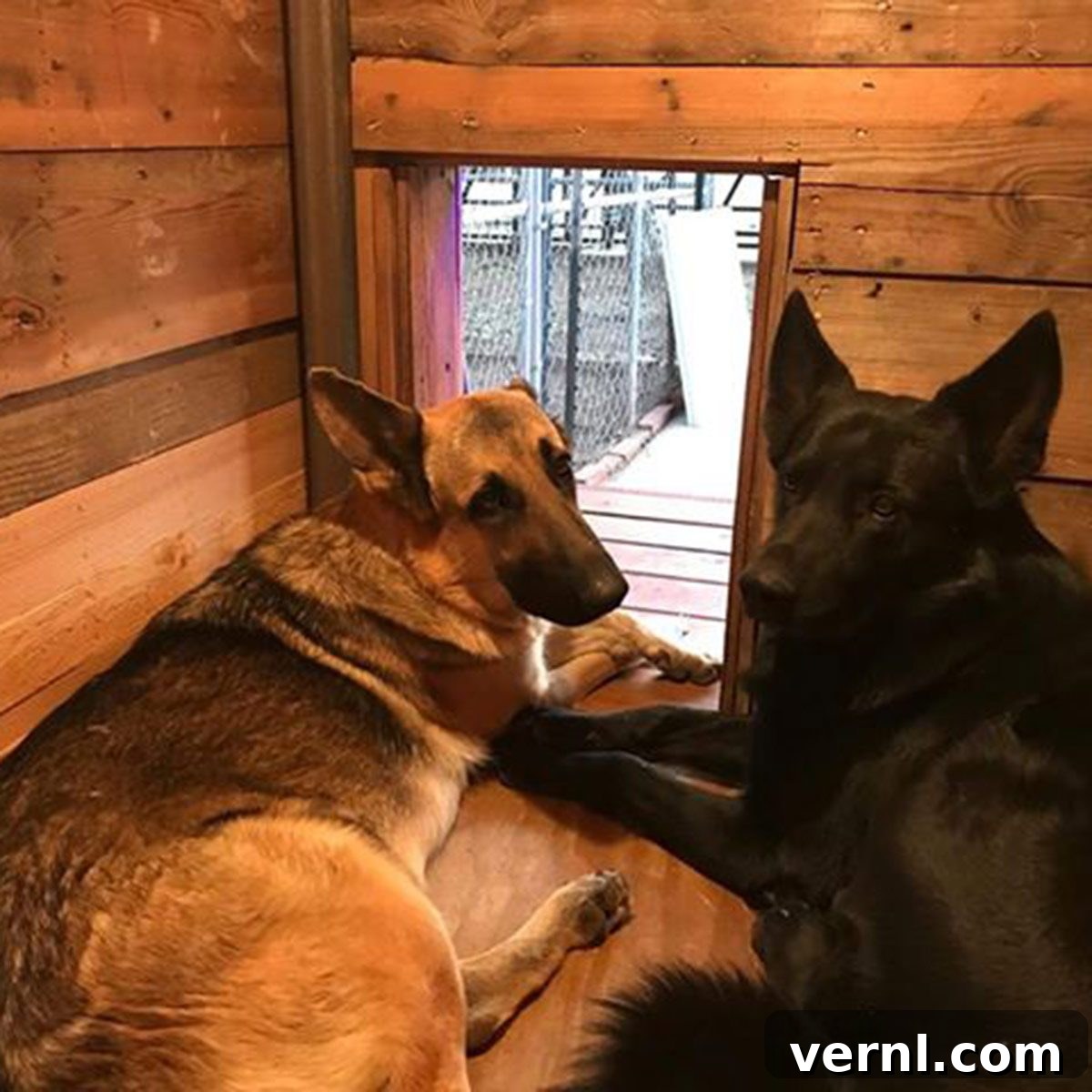
Dogs are more than just pets; they are cherished members of our families, bringing boundless joy, loyalty, and companionship into our lives. For dedicated pet parents, providing the best possible living environment for their furry friends is a top priority. While a simple kennel or basic shelter might suffice for some, others dream of a truly exceptional dwelling – an “ultimate” dog house that offers unparalleled comfort, safety, and enrichment. This is precisely the vision brought to life by individuals like Corey Hosick, who embarked on a remarkable mission to create a bespoke paradise for his two magnificent German Shepherds.
This comprehensive guide delves into the world of ultimate DIY dog houses, exploring the inspiration behind such ambitious projects and outlining the key features that transform a simple structure into a luxurious, functional haven for your canine companions. Whether you’re a seasoned DIY enthusiast or a passionate pet owner looking to undertake a rewarding project, the concept of a custom-built, feature-rich dog house offers endless possibilities.
A Glimpse into Canine Luxury: Corey Hosick’s Inspirational Creation
Imagine a dog house so thoughtfully designed, so rich in amenities, it rivals human dwellings in its attention to detail and creature comforts. That’s the caliber of project undertaken by reader Corey Hosick, whose dedication to his pets has set a new standard for pet accommodations. Driven by an unwavering love for his two majestic German Shepherds, Corey didn’t just build a shelter; he crafted a luxurious retreat equipped with an array of “bells and whistles” aimed at maximizing their well-being and happiness.
Corey’s incredible build showcases what’s possible when passion meets craftsmanship. His project serves as a fantastic blueprint and immense inspiration for anyone considering elevating their dog’s outdoor living space. It’s a powerful testament to what passionate DIYers can achieve with a bit of ingenuity, planning, and elbow grease. While the specifics of every innovative feature in Corey’s personalized German Shepherd dog house are best explored through his detailed project photos and descriptions, the spirit of his endeavor – to provide the absolute best for his fur babies – resonates deeply with pet owners everywhere.
To fully appreciate the scope of Corey’s achievement and gather ideas for your own ultimate dog house, take a moment to watch the video below, which offers a visual journey into his extraordinary creation:
Corey’s commitment to his pets illustrates that a standard dog house can be transformed into a personalized haven, offering far more than just shelter. It becomes a true extension of your home, designed with your dog’s specific needs and comfort in mind.
Why Invest in an Ultimate DIY Dog House?
Beyond providing basic shelter from the elements, an ultimate dog house offers numerous advantages, particularly for larger, more active breeds like German Shepherds. These benefits extend to both the dog and the owner, fostering a healthier, happier living situation for everyone involved:
- Enhanced Comfort and Protection: A well-designed dog house provides superior protection from extreme weather conditions, whether it’s scorching summer heat, freezing winter cold, or heavy rain. Insulated walls, floors, and roofs ensure a stable, comfortable internal temperature.
- Optimal Health and Hygiene: A clean, dry, and well-ventilated environment reduces the risks of illness, pest infestations, and skin issues. Easy-to-clean surfaces and thoughtful design contribute to better hygiene.
- Mental Stimulation and Enrichment: Features like viewing windows, shaded porches, or integrated play areas can provide mental stimulation, preventing boredom and allowing your dog to observe their surroundings safely and comfortably.
- Safety and Security: A sturdy, well-constructed dog house offers a secure retreat where your dog feels safe from external threats and can enjoy undisturbed rest. It also provides a designated safe space during outdoor activities.
- Personalization and Customization: Building it yourself allows you to tailor every aspect to your dog’s specific needs, size, breed characteristics, and even personality. You can match the aesthetic to your home and garden, creating a harmonious outdoor living space.
- Cost-Effectiveness and Quality Control: While an ultimate dog house can involve significant material costs, building it yourself can often be more economical than purchasing a high-end, pre-made luxury kennel of comparable quality. Furthermore, DIY construction gives you complete control over the materials and craftsmanship, ensuring durability and safety.
- Strengthening the Bond: The act of creating such a dedicated space for your dog is a labor of love that strengthens the bond between you and your canine companion. It demonstrates your commitment to their well-being in a tangible way.
Essential Features for the Ultimate German Shepherd Dog House
German Shepherds are large, intelligent, and active dogs that require ample space and robust shelter to thrive. Their thick coats offer some protection, but extreme temperatures still demand a high-quality, insulated dwelling. When designing an ultimate dog house for them, several key considerations come into play, focusing on comfort, durability, and functionality.
1. Climate Control and Insulation: The Foundation of Comfort
One of the most critical aspects of an ultimate dog house is effective climate control. German Shepherds, like all dogs, thrive in comfortable, stable temperatures. This means careful attention to insulation and possibly heating or cooling systems:
- Superior Insulation: Use high-quality insulation materials (such as rigid foam panels, fiberglass batts, or even spray foam) in the walls, floor, and roof. This is crucial for maintaining warmth in winter and keeping the interior cool in summer.
- Effective Heating Systems: For colder climates, consider a safe, low-wattage radiant floor heater, an insulated heating pad specifically designed for pets, or a small, enclosed space heater with safety features. Ensure all electrical components are pet-safe, waterproof, and out of your dog’s reach.
- Efficient Cooling Solutions: In hotter climates, incorporate excellent ventilation through strategically placed vents (e.g., ridge vents and soffit vents for passive airflow). A small, pet-safe, low-noise fan or even a shaded porch area can provide relief. Cross-ventilation is key to preventing stale air and heat buildup.
- Elevated Floor: Raising the dog house off the ground prevents moisture ingress, minimizes temperature transfer from the ground (cold in winter, hot in summer), and provides an additional layer of insulation and protection.
- Shade and Orientation: Position the dog house to maximize natural shade from trees or structures, especially during the hottest parts of the day. Consider the prevailing winds for natural cooling.
2. Durability and Materials: Built to Last
An ultimate dog house must be built to withstand the elements, the test of time, and the playful energy of large, active dogs. Material selection is paramount:
- Robust Framing: Use pressure-treated lumber for the base and exterior frame. This material is resistant to rot, insects, and moisture, ensuring a long-lasting structure.
- Weatherproof Siding: Options like treated wood siding (cedar, redwood), vinyl siding, fiber cement boards, or composite materials offer excellent durability, minimal maintenance, and aesthetic appeal.
- Reliable Roofing: A sloped roof design is essential for effective water runoff. Use durable roofing materials such as asphalt shingles (like those used on human homes), metal roofing, or even an EPDM rubber membrane. Incorporating generous roof overhangs helps protect the entrance and sides from rain and direct sun.
- Non-Toxic Finishes: All paints, stains, sealants, and glues used should be specifically labeled as pet-safe and non-toxic, ensuring your dog’s health and safety.
- Heavy-Duty Hardware: Use stainless steel or galvanized screws, hinges, and latches to prevent rust and ensure structural integrity.
3. Comfort and Interior Design: A Canine Sanctuary
The interior of the ultimate dog house should be a true sanctuary, prioritizing your canine companions’ comfort and well-being:
- Spacious Interior: Provide ample room for your German Shepherds to stand, turn around, stretch out, and lie down comfortably. For two dogs, this means significantly more space than a single-dog house, possibly even divided zones.
- Comfortable Bedding: Incorporate built-in platforms for orthopedic beds, elevated cots, or thick memory foam mattresses. Design areas for different types of rest, such as a cozy corner for curling up and a more open space for sprawling.
- Easy-to-Clean Surfaces: Interior walls and floors should be made of materials that are easy to wipe down, sanitize, and prevent odors. Options include sealed plywood, vinyl flooring, or smooth, painted surfaces.
- Divided Zones (for multiple dogs): If housing two dogs, separate sleeping areas or at least clearly defined individual ‘spots’ can be beneficial, providing each dog with a sense of personal space.
- Safe Entry/Exit: Consider a durable, insulated flap door or a small, hinged door that provides easy access while minimizing heat loss or gain. Ensure the opening is appropriately sized for your dogs.
4. Health, Hygiene, and Convenience: Streamlining Pet Care
An ultimate dog house goes beyond basic shelter to include features that simplify pet care and promote your dog’s long-term health:
- Integrated Feeding and Watering Stations: Built-in, elevated bowls for food and water reduce strain on your dog’s neck and joints, especially beneficial for larger breeds. These stations can be designed to be spill-resistant and easy to clean.
- Automatic Dispensers: Consider incorporating automated food and water dispensers for added convenience, particularly if you’re away for extended periods or want to ensure consistent feeding schedules.
- Easy Access for Cleaning: A hinged roof, removable back panel, or large access door makes routine cleaning and maintenance much simpler, ensuring a hygienic environment.
- Waste Management Considerations: While unlikely to be *inside* the house, easy access to a designated, nearby potty area (e.g., a patch of artificial turf or gravel) should be considered in the overall outdoor layout.
- Storage Compartments: Small, waterproof compartments for leashes, treats, or grooming tools can add to the convenience factor.
5. Entertainment and Enrichment: Keeping Minds Active
Keeping intelligent breeds like German Shepherds mentally stimulated and engaged is crucial. The ultimate dog house can contribute to this:
- Viewing Windows: Strategically placed, shatterproof windows allow your dogs to observe their surroundings, preventing boredom and satisfying their natural curiosity. Ensure they are positioned at the appropriate height.
- Covered Porch or Deck: A small, shaded porch or deck provides an outdoor lounging area, allowing your dogs to relax comfortably while protected from direct sun or light rain. This acts as an extension of their indoor space.
- Integration with Play Area: While not part of the house itself, consider how the house integrates with an adjacent secure play yard or dog run, providing seamless transition from rest to play.
- Sensory Elements: For the truly ultimate build, consider elements like a small, secure, clear panel on the roof to let in natural light (a skylight), or even a small, weather-proof outdoor speaker playing calming music (if the house is wired for power).
6. Smart Home Integration: The “Ultimate” Tech Touch
For the tech-savvy pet owner, modern technology can take an ultimate dog house to an unprecedented level of functionality and monitoring:
- Smart Thermostat: Remotely monitor and control the internal temperature of the dog house, ensuring optimal comfort regardless of external conditions.
- Security Camera: Integrate a pet-friendly security camera (e.g., a motion-activated indoor/outdoor camera) to monitor your dogs from your smartphone, ensuring their safety, well-being, and providing peace of mind.
- Automated Lighting: Install motion-sensor lights or timed lighting for nighttime safety and visibility around the dog house.
- Smart Feeders/Waterers: Connect automated food and water dispensers to your smart home system for scheduled feedings, portion control, and monitoring of consumption.
- Environmental Sensors: Incorporate sensors for humidity, air quality, or even pest detection to maintain the healthiest possible environment.
Designing Your Own Dream Dog House: A Step-by-Step Guide
Inspired by Corey Hosick’s incredible project? Here’s a structured approach to help you plan and build your own ultimate DIY dog house:
1. Planning and Design: The Blueprint for Success
- Assess Your Dogs’ Needs: Begin by thoroughly considering the size, breed, age, activity level, and specific preferences of your dogs (e.g., do they prefer to burrow, sprawl, or perch?). For multiple dogs, plan for individual space.
- Site Selection: Choose a level, well-drained area in your yard that offers some natural shade throughout the day. Consider proximity to water and power sources if you plan on advanced features.
- Define Your Budget: Determine how much you are willing to spend on materials, tools, and any technological enhancements. This will guide your material choices and feature inclusions.
- Sketch It Out: Draw detailed plans, including precise dimensions (length, width, height), material specifications, and the placement of specific features like windows, doors, and internal dividers. Consider different angles and cross-sections.
- Research and Gather Ideas: Look at other DIY dog house plans, luxury dog houses, and architectural designs for inspiration. Online forums and dedicated pet project websites can be invaluable resources.
2. Material Selection: Quality and Safety First
- Frame: Pressure-treated lumber is highly recommended for its resistance to rot and insects.
- Walls/Roof Sheathing: Exterior-grade plywood, OSB (Oriented Strand Board), or cedar panels.
- Insulation: Rigid foam insulation panels are excellent for ease of installation and thermal performance.
- Flooring: Treated plywood sealed with pet-safe sealant, vinyl flooring, or durable outdoor tile.
- Roofing: Asphalt shingles, metal roofing, or a robust rubber membrane for superior weather protection.
- Exterior Siding: Cedar, treated pine, vinyl siding, or fiber cement for durability and aesthetics.
- Finishes: Always choose pet-safe, non-toxic paints, stains, and sealants.
- Windows: Shatterproof acrylic or tempered glass for safety.
- Hardware: Stainless steel or galvanized screws, hinges, and latches to prevent rust.
3. Construction Process: Bringing Your Vision to Life
- Build the Foundation: Start with a sturdy, elevated base (e.g., on concrete blocks or skids) to keep the house off the ground.
- Construct the Framing: Assemble the floor, wall, and roof frames according to your detailed plans.
- Install Insulation: Carefully fit insulation panels into the floor, wall, and roof cavities.
- Attach Sheathing and Siding: Cover the exterior frame with sheathing, then attach your chosen siding material.
- Install Roofing: Apply the roofing material (shingles, metal, etc.), ensuring it is watertight and properly secured.
- Interior Finishing: Install interior wall panels (if desired), flooring, and any built-in features like sleeping platforms or feeding stations.
- Doors and Windows: Install the main entrance (flap door, hinged door) and any shatterproof windows.
- Integrate Climate Control: Safely install any heating, cooling, or advanced ventilation systems, ensuring all wiring is protected and inaccessible to your pets.
- Finishing Touches: Apply pet-safe paints or stains, and integrate any smart home components or decorative elements.
4. Safety First: Prioritizing Your Dog’s Well-being
- No Exposed Wires: Ensure all electrical wiring is safely enclosed within conduit or walls and completely inaccessible to your dogs to prevent chewing or electrocution hazards.
- Smooth Edges and Surfaces: Sand down all rough edges, corners, and potential splinters. Ensure there are no sharp points or protrusions that could injure your pets.
- Secure Fasteners: Use screws rather than just nails for all structural components, as screws provide much greater holding power and structural integrity.
- Adequate Ventilation: Proper ventilation is paramount for air quality, preventing moisture buildup, and regulating temperature. Never compromise on airflow.
- Non-Toxic Materials: Double-check that every material, adhesive, paint, and sealant used is certified as pet-safe and non-toxic.
- Stable Structure: Ensure the entire structure is stable, level, and securely anchored to prevent tipping or shifting, especially with active or large dogs.
Conclusion: A Labor of Love for Your Best Friend
Building an ultimate DIY dog house, much like Corey Hosick’s impressive project, is more than just a construction endeavor; it’s a profound expression of love, dedication, and commitment to your canine companions. It offers them a sanctuary designed specifically for their comfort, safety, and joy, enriching their lives and strengthening the unique bond you share.
By investing your time, creativity, and effort into creating such a bespoke dwelling, you’re not just providing shelter; you’re building a lasting legacy of care and comfort for your furry family members. The satisfaction of seeing your dogs happily enjoying their custom-built haven is a reward in itself, proving that with a little vision and elbow grease, truly extraordinary things can be accomplished for our beloved pets.
For more detailed inspiration, photos, and to delve deeper into Corey Hosick’s incredible journey of constructing his ultimate dog house, be sure to explore the original project details. His work truly sets the bar for what a dedicated pet owner can achieve:
Reader Project: How to Build the Ultimate DIY Dog House