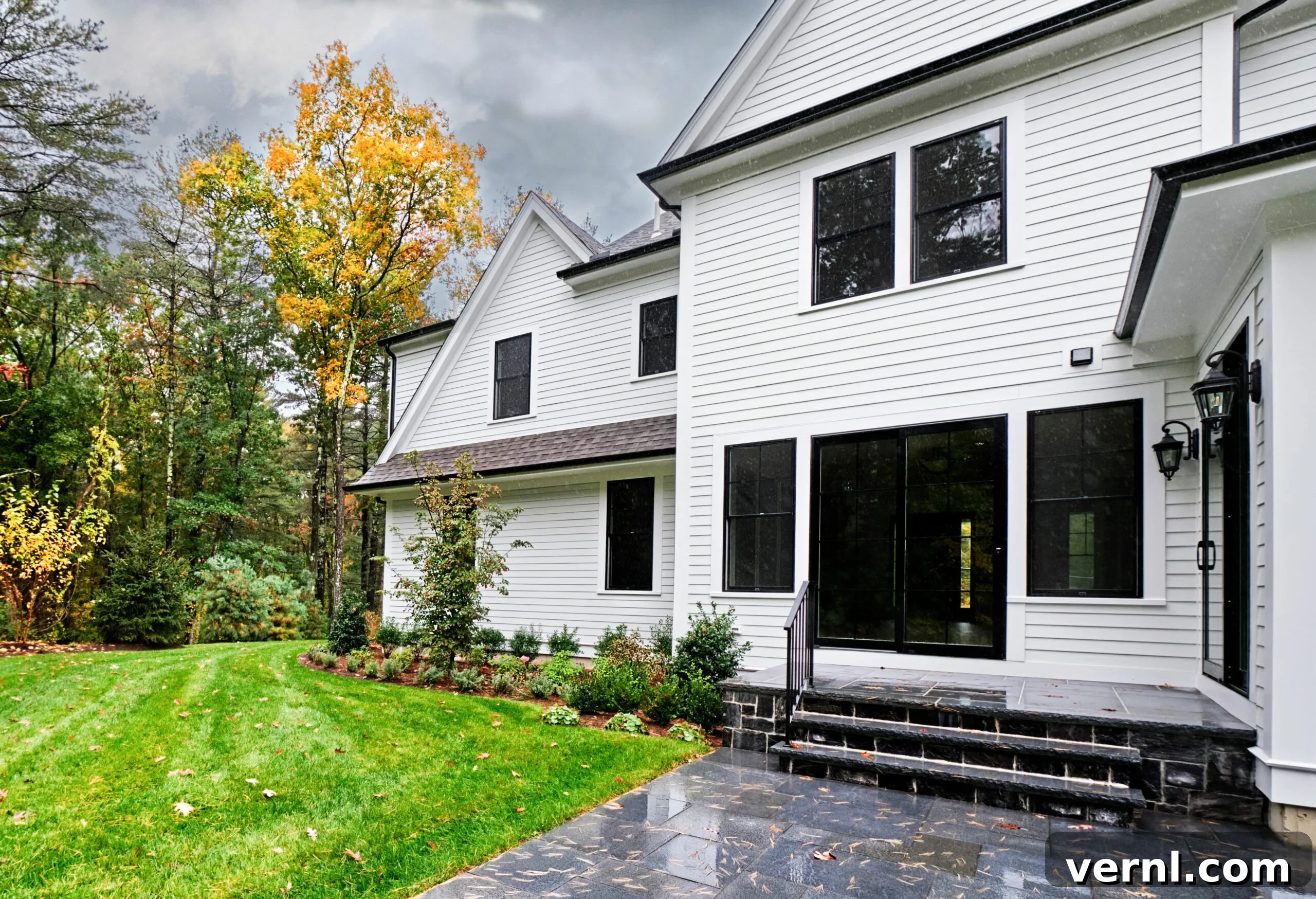
Building a Home in the Rain: Uncovering the Risks, Ensuring Durability, and Safeguarding Your Investment
A recent viral TikTok video has ignited a significant conversation among current and prospective homeowners, spotlighting the critical issue of house construction during adverse weather conditions. The video dramatically illustrates homes under construction enduring heavy rain, with the creator issuing a stern warning against building in such environments. The focal point of the concern was sheathing materials, specifically oriented strand board (OSB) and particle board, which were singled out as potential catalysts for severe black mold problems if exposed to excessive moisture during the building process. This widely shared content prompts a crucial inquiry: given the frequent reality that construction often proceeds despite rain, should you genuinely worry about the long-term safety, structural integrity, and overall health of your home?
It’s an undeniable fact that construction projects routinely encounter and must adapt to periods of rain. The key distinction, however, lies in the specific methods and diligence employed by builders to manage these conditions effectively. Russell Vent, vice president of Paul Davis Restoration, a renowned expert in disaster management and property restoration, clarifies, “Generally, framing materials are treated to withstand moisture and rain during the construction process.” While this offers a baseline level of protection, Vent quickly introduces a vital caveat that resonates with homeowner concerns: “That being said, most residential home builders are, more often than not, not savvy when it comes to structural drying, mold prevention, or mold remediation.” This expert insight exposes a potential vulnerability, suggesting a gap between standard construction practices and the specialized knowledge essential for thorough moisture mitigation.
For anyone involved in a new build, considering the purchase of a newly constructed home, or even harboring concerns about an existing property potentially built during a wet season, gaining a comprehensive understanding of these issues is paramount. Being well-informed can serve as your first line of defense against potentially significant and costly problems that might only surface years after construction completion. This in-depth guide aims to provide you with critical insights into the hidden pitfalls of building in the rain, equip you with the knowledge to identify warning signs, and empower you with proactive steps to safeguard your investment, ensure the enduring durability of your home, and maintain a healthy living environment for your family.
Why Buying a House Built During the Rainy Season Deserves Extra Scrutiny
The appeal of a brand-new home is universally strong, promising modern amenities, fresh starts, and minimal immediate maintenance. However, if that home was constructed during heavy downpours or extended periods of wet weather, it might be harboring unseen issues that could compromise its integrity and your well-being years down the line. The risks associated with such construction extend far beyond superficial damage, potentially impacting the home’s structural stability, its indoor air quality, and its overall lifespan and resale value.
Structural Compromises and Inevitable Dimensional Challenges
One of the most profound and concerning risks when a house is built under persistently wet conditions is the potential for significant structural damage. Many common building materials, especially those derived from wood and wood composites, are highly absorbent and react poorly to moisture. Particle board, for example, is notoriously susceptible to water. When it gets wet, it swells irreversibly, loses its dense composition, and crumbles, rendering it structurally unsound. This vulnerability is precisely why it is almost never used for critical exterior sheathing in quality construction, yet its principles highlight the broader issue of material vulnerability.
Traditionally, plywood has been the preferred material for sheathing due to its superior strength-to-weight ratio and inherent moisture resistance. Its unique layered, cross-grain construction makes it remarkably resilient against swelling, warping, and delamination when exposed to water for short periods. However, plywood’s higher manufacturing cost often leads builders to seek more budget-friendly alternatives, with oriented strand board (OSB) being the most common choice. OSB is engineered from layers of wood strands bonded together with waterproof resins and waxes under extreme pressure, providing reasonable water resistance under normal, temporary exposure. The critical distinction arises under prolonged or excessive moisture exposure: OSB can absorb water, leading to significant and often irreversible swelling. Unlike plywood, once OSB swells, it typically does not fully return to its original dimensions even after drying. This permanent deformation can create a cascade of problems, ranging from uneven wall surfaces and wavy subfloors to compromised fastening points for siding, roofing, and interior finishes.
Beyond sheathing materials, the dimensional lumber used for the primary framing of a house is equally vulnerable. Josh Rudin, owner of ASAP Restoration, a specialist in comprehensive water damage solutions, observes, “Houses built in the wetter months also tend to have dimensional challenges that homes built during dryer times of the year don’t experience.” He further explains the long-term implications: “This means that a straight piece of wood today might turn into a corkscrew come the dry season.” This phenomenon, known as warping, can manifest in several detrimental forms, including cupping (where the edges of a board rise higher than its center), bowing (a bend along the length), or twisting. While such warping may not always immediately jeopardize the overarching structural safety of the home, its subtle and progressive nature can lead to a multitude of issues. These include floors that are not perfectly level, walls that are noticeably out of plumb, and a general lack of squareness throughout the entire structure. Over time, these foundational shifts can contribute to an array of irritating and often costly problems, such as persistent creaking and groaning from floors and stairs, stress cracks appearing in drywall and plaster, doors that stick or no longer close properly, and windows that become difficult to operate. Such issues not only detract from the aesthetic appeal and comfort of the home but can also complicate future renovations, repairs, and potentially diminish the property’s long-term market value. Moreover, the integrity of metal fasteners like nails, screws, and hurricane ties can be compromised. Rusting components lose their strength, and wood softened by water provides a significantly less secure grip, potentially weakening critical structural connections over time. Even the concrete foundation, if subjected to excessive water during its initial curing stages, might experience subtle issues, although modern concrete formulations are generally robust.
The Insidious and Costly Threat of Mold Growth
Perhaps the most insidious and health-threatening consequence of a house being built in the rain is the high potential for pervasive mold growth. Mold spores are ubiquitous; they are always present in the air around us. To activate and thrive, mold requires a specific confluence of conditions: moisture, an organic food source (such as wood, drywall, insulation, or fabric), a suitable temperature range, and sufficient time. If a house frame, sheathing, or subfloor gets wet during construction but is then allowed to dry thoroughly and quickly before being enclosed, the risk of significant mold development is usually minimal. The true danger emerges when framing lumber, OSB, subflooring, or other porous building materials are exposed to prolonged moisture, or critically, are sealed up within the building envelope while still damp. This negligent practice creates an ideal, often dark, and perpetually humid environment—a veritable petri dish—allowing dormant mold spores to activate, colonize, and multiply rapidly within inaccessible cavities.
“Concerns should be focused on the prolonged moisture,” reiterates Russell Vent, emphasizing the duration of wetness. He offers a compelling analogy to illustrate this point: “If I turned on the hose and wet the wood subfloor, and then allowed it to dry out over the next few days, there would be a much less likelihood for mold growth than if I sprayed that same hose every day for three days, or if after I wet that wood floor, I quickly installed vinyl plank flooring before it had a chance to dry.” This vivid example perfectly encapsulates the absolute necessity of rigorous and timely drying protocols at every stage of construction. When moisture becomes trapped within wall cavities, under flooring, or behind insulation, it cannot evaporate naturally, thus fostering a perfect breeding ground for various types of mold. Among these, the infamous black mold (Stachybotrys chartarum) is particularly concerning, often associated with more severe and chronic health issues, though any mold can be detrimental to indoor air quality.
Beyond the structural degradation it causes as it feeds on building materials, mold poses serious and diverse health risks to occupants. Exposure to mold spores and their byproducts (mycotoxins) can trigger a wide range of adverse health effects, including allergic reactions, exacerbated asthma symptoms, chronic respiratory problems, skin irritation, persistent headaches, sinus congestion, and fatigue. For individuals with compromised immune systems, existing respiratory conditions, or severe allergies, the health implications can be significantly more severe and debilitating. Once mold establishes itself within enclosed spaces like wall cavities, behind drywall, or underneath flooring, it becomes incredibly challenging, invasive, and costly to detect and remediate. This often necessitates extensive demolition to expose the affected areas, followed by specialized cleaning and remediation techniques. Furthermore, the characteristic musty, earthy odor associated with active mold growth can permeate the entire home, serving as a constant, unpleasant reminder of the issue and significantly impacting both indoor air quality and the property’s market value.
How to Detect if Your House Was Built in the Rainy Season: Signs and Due Diligence
Determining whether your house endured prolonged exposure to wet conditions during its construction can be a complex task, especially once the home is fully finished and enclosed. However, astute observation and diligent investigation can reveal several key indicators that might signal past moisture intrusion and potential underlying problems.
Key Visible Signs of Past Water Damage and Stress
In some instances, the remnants of water damage from construction might be immediately visible or become apparent over time. Look carefully for:
- Persistent Staining and Discoloration: Observe walls, ceilings, and any exposed wooden elements (such as beams in an unfinished basement or attic). Water stains typically manifest as yellow, brown, or even dark black spots or streaks, indicating a history of moisture penetration. Pay particular attention to areas around windows, doors, and where walls meet the ceiling or floor.
- Rust on Metal Components: Inspect for rust on metal framing connectors, nails, screws, ductwork, plumbing pipes, or electrical junction boxes and conduits. While minor surface rust might occasionally be present, widespread or severe rusting strongly suggests prolonged exposure to significant moisture levels.
- Uneven Surfaces and Distinct Cracks: As Josh Rudin points out, “Even finished homes can show signs of stress in the form of cracks in drywall and uneven surfaces.” While some minor settlement cracks are normal in any new home, look for extensive or unusual cracking patterns in drywall, particularly around window and door frames, at ceiling-wall junctions, or in corners. These can be indicative of structural movement caused by warped or shifting framing. Uneven floors that sag or noticeably bow, or walls that are clearly not plumb, are significant red flags that demand further investigation.
- Pervasive Musty Odors: A persistent musty, earthy, or damp smell, especially concentrated in basements, crawl spaces, utility rooms, or specific areas of the home, is one of the most reliable and common indicators of hidden mold growth. Even without visible mold, the odor often confirms its presence within concealed spaces.
- Swelling, Warping, or Delamination: If any sheathing or subflooring is visible, such as in an unfinished basement ceiling, utility closet, or garage, inspect it closely. Swelling, warping, or delamination (where layers of plywood or OSB separate) unequivocally points to significant water exposure during or after installation.
- Peeling Paint or Wallpaper: Moisture trapped behind finishes can cause paint to bubble and peel or wallpaper to lift and separate from the wall surface. This is often a sign of ongoing moisture issues or a past event that was not adequately dried.
“Typically, the building inspector will force corrections on things like this before they get that far down the line, but it is still possible they’ve missed them, or those clues weren’t present yet during the inspection,” cautions Rudin. This statement highlights a crucial reality: standard home inspections, while valuable, have limitations. Some issues may be hidden, or the subtle signs may not manifest until the home has undergone seasonal cycles, further settling, or increased humidity. Therefore, homeowners must remain vigilant and consider additional professional assessments if concerns arise.
Proactive Investigative Steps and Engaging Your Builder
Beyond visual inspections, proactive investigation and clear communication with your builder are indispensable:
- Review Historical Weather Records: If you know the approximate construction timeline of your home, you can access historical weather data from local meteorological services, government archives (like NOAA for the U.S.), or reputable online weather databases. Research periods of heavy rainfall, prolonged wet conditions, or significant snowfall that coincided with the critical framing, sheathing, and enclosure phases of construction. While this won’t confirm direct material exposure, it can certainly raise your level of concern and justify further inquiry.
- Engage Directly with the Builder: For new construction, do not hesitate to ask your builder specific and detailed questions about their water mitigation practices. Inquire about:
- Their documented protocols for protecting exposed framing and other building materials from rain, snow, and excessive humidity. Do they utilize temporary covers, robust tarps, or specific scheduled pauses during inclement weather?
- How they rigorously ensure that critical building materials, especially subflooring, wall sheathing, and dimensional lumber, are thoroughly dry before insulation, vapor barriers, and drywall are installed. Do they employ moisture meters for quantitative checks?
- Their procedures for promptly and efficiently clearing any standing water from the foundation, crawl spaces, or other areas of the job site.
- Any specific warranties or guarantees they provide that cover moisture intrusion, water damage, or mold issues directly attributable to the construction process.
“Everyone should assume that as their home was being built it, experience rain or other weather,” acknowledges Russell Vent. This is a pragmatic outlook, as achieving perfect weather throughout an entire construction cycle is an unrealistic expectation. However, Vent adds a crucial layer of distinction that empowers homeowners: “But I also wouldn’t be extremely alarmed if my home got wet during the initial stages on construction. It happens, but how the home builder is prepared to deal with it should be a point of understanding.” This emphasizes that the mere presence of rain is not inherently the problem; rather, it is the builder’s comprehensive preparedness, their adherence to stringent drying procedures, and their unwavering commitment to proper moisture management that ultimately dictate the long-term health and durability of your home.
What to Do to Avoid Mold If Your House Was Built in the Rain or if Issues Emerge
If you have valid concerns, or if you suspect your home was constructed without adequate precautions during periods of rain or snow, taking prompt and decisive action is absolutely crucial. Proactively addressing potential moisture-related issues early on can effectively prevent minor, manageable problems from escalating into devastatingly costly and health-threatening structural damage or widespread mold infestations.
Seeking Professional Assessment and Expert Remediation
The first and most vital step when faced with such concerns is to engage a qualified professional inspector. This expert can thoroughly evaluate your home for elevated humidity levels, hidden wet building materials, underlying construction flaws that permit moisture intrusion, and existing mold growth. Russell Vent strongly advocates for specialized expertise: “Mold inspectors, home inspectors with specialized training in moisture diagnostics, industrial hygienists, and indoor environmental professionals (IEPs) are a great place to start, and often do not come at a huge price point,” he advises. These highly trained professionals utilize advanced diagnostic equipment, including thermal imaging cameras to detect hidden moisture pockets, sensitive moisture meters to quantify dampness within materials, and sophisticated air quality testing kits to identify airborne mold spores. Their objective assessment can precisely pinpoint the source and extent of any issues, providing clear recommendations for appropriate courses of action.
Should mold be detected, especially in significant quantities, in inaccessible areas, or if health symptoms are present, professional mold remediation is not merely advisable but essential. “If they find mold, have it professionally remediated,” states Josh Rudin unequivocally. Attempting to clean large or deeply embedded mold infestations yourself can be both ineffective and hazardous; it risks spreading mold spores throughout your home and exposing you to potentially harmful health effects. Professional mold remediators adhere to stringent industry protocols designed to safely contain the mold, meticulously remove all contaminated materials, thoroughly clean and sanitize affected areas, and implement preventative measures to ensure that recurrence is minimized. Their expertise encompasses a deep understanding of mold biology, containment strategies, and best practices for comprehensive and lasting remediation, providing you with peace of mind and a healthier living environment.
Proactive Moisture Control, Diligent Maintenance, and Long-Term Prevention
Beyond addressing existing issues through remediation, adopting a consistent and proactive approach to moisture control within your home is paramount, particularly if you suspect past water exposure during construction. The overarching goal is to meticulously create an environment within your home where mold simply cannot thrive:
- Rigorous Humidity Control: Implement and utilize exhaust fans in bathrooms and kitchens, and deploy dehumidifiers in inherently moisture-prone areas such as basements, crawlspaces, and laundry rooms. Aim to consistently maintain indoor relative humidity levels between 30% and 50% for optimal comfort and mold prevention. Additionally, ensure adequate and functional ventilation in attics and crawlspaces to prevent condensation and moisture buildup from ground sources or outdoor air.
- Active Condensation Prevention: Promote excellent air circulation throughout your home, especially around exterior walls, windows, and cold surfaces, to proactively prevent the formation of condensation. Upgrading to insulated windows and ensuring all windows and doors are properly sealed can dramatically reduce condensation issues.
- Seal All Moisture Entry Points: Regularly conduct thorough inspections of your home’s exterior and interior for any potential areas that could be allowing moisture to infiltrate. This includes meticulously checking your foundation for cracks, ensuring that exterior grading slopes away from the house, maintaining clean and functional gutters and downspouts that direct water far from the foundation, and sealing any gaps or cracks around window and door frames, utility penetrations, and roof flashing.
- Ensure Surfaces Remain Dry: “This means keeping wood, drywall, and any fabrics or porous surfaces free from standing water,” emphasizes Rudin. Develop a habit of promptly addressing any leaks, spills, or sources of standing water. Ensure your HVAC system is correctly sized and properly maintained, as it plays a crucial role in managing overall indoor humidity.
- Regular Inspections and Monitoring: Make it a routine practice to periodically inspect vulnerable areas such as basements, attics, crawlspaces, and even under sinks for any new signs of moisture intrusion, leaks, or musty odors. Early detection is key to preventing widespread problems.
- Optimize Drainage: Beyond gutters, ensure that landscaping and soil grading around your foundation direct water away from the house. Consider French drains or sump pumps in areas prone to water accumulation.
Rudin powerfully encapsulates the fundamental principle of mold prevention: “Mold spores live in the air around us all the time, and there is no way to prevent their growth other than to prevent the environment that they need to live from existing inside your home.” By diligently managing moisture, optimizing ventilation, and maintaining a dry interior environment, you can effectively deny mold the essential conditions it requires to flourish, thereby safeguarding both your home’s structural integrity and, most importantly, your family’s health and well-being for years to come.
About the Experts
- Russell Vent serves as the distinguished Vice President of Paul Davis Restoration of Greater Rochester, New York. Paul Davis Restoration stands as a premier disaster management, mitigation, and restoration network, boasting an extensive presence with over 350 locations strategically positioned across the U.S. and Canada. The organization specializes in expertly guiding communities through recovery from a wide array of property damage incidents, from water and fire to mold and storm devastation.
- Josh Rudin is the visionary owner of ASAP Restoration, proudly based in Tempe, Arizona. Mr. Rudin commenced his entrepreneurial journey by founding the company as a dedicated one-man operation in 2008. Through his unwavering dedication, profound expertise, and commitment to excellence, ASAP Restoration has since flourished, evolving into one of the region’s most trusted and leading specialists in comprehensive disaster mitigation and restoration services, addressing critical property damage needs for countless clients.