
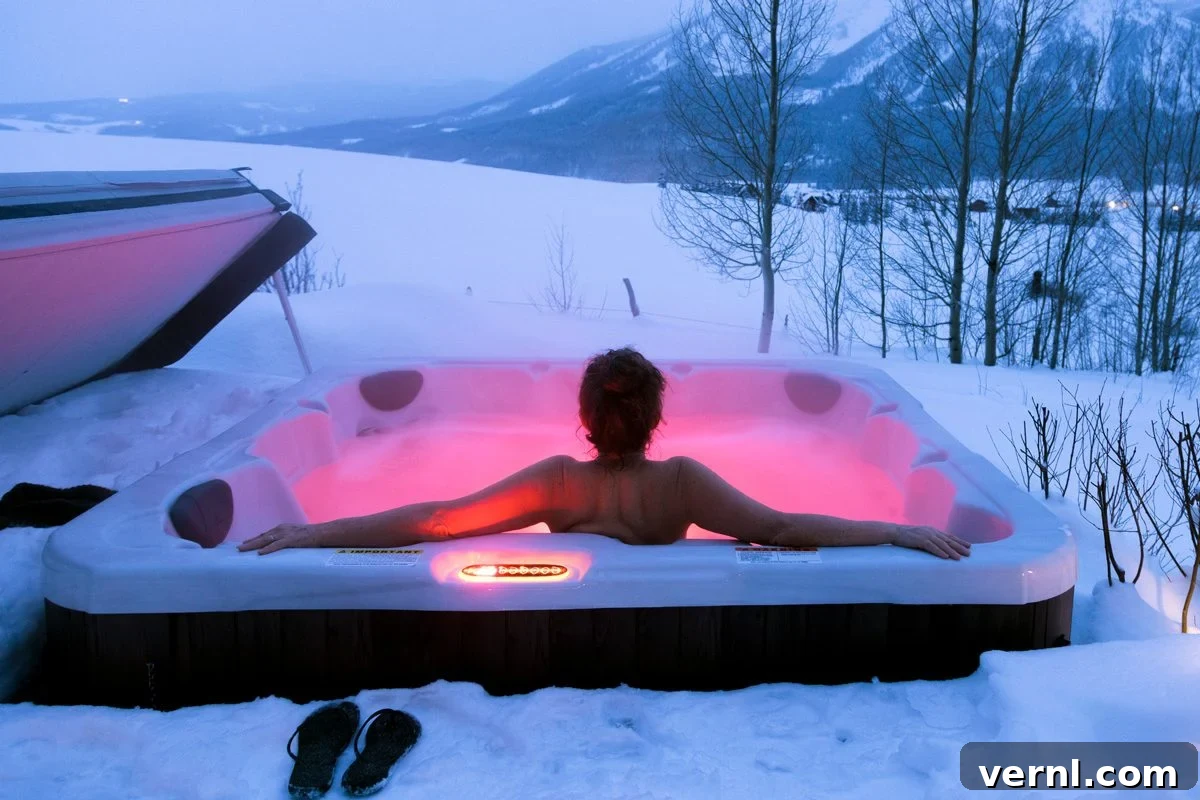
Welcome to Family Handyman’s Ultimate Guide to Hot Tub Winterization. Prepare your home and outdoor living spaces for the colder months with expert advice designed to help you avoid common winter woes. Say goodbye to the anxiety of frozen pipes and unexpectedly high heating bills this season.
There’s nothing quite like the serene experience of unwinding in a warm hot tub as snow gently falls around you. For many, a hot tub is a cherished escape, enjoyed year-round. If you’re like me, consistent use through winter means primarily focusing on routine water chemistry, cleaning, and general maintenance. However, if your plans involve an extended absence from your hot tub, or if you intend to shut it down completely for the winter season, then proper winterization becomes an absolutely critical task – one that ensures its longevity and protects your investment.
Hot tub expert John Uhle acknowledges that this essential process often isn’t a homeowner’s favorite. “People hate this part,” he states. “It’s quite a messy job and requires some dedicated time and effort. However, it’s undeniably a much easier undertaking than facing the nightmare of frozen pipes, having to purchase expensive new parts, or trying to fix things when it’s already too late and damage has occurred.”
This comprehensive guide will walk you through the precise, step-by-step process for winterizing your hot tub. We’ll also delve into the crucial ‘why’ behind this task and help you understand the optimal ‘when’ to ensure your hot tub remains protected and ready for enjoyment come spring.
Why Is Hot Tub Winterization So Important?
Properly winterizing your hot tub when it won’t be in use throughout the colder months is paramount for several reasons, extending its lifespan and safeguarding it from potentially catastrophic damage. The primary concern is preventing harm caused by freezing water, which possesses an incredible power to expand as it turns to ice. This expansion can crack pipes, damage pumps, ruin heating elements, and destroy various other delicate components within your hot tub’s intricate system.
“It also eliminates the need for continuous maintenance when the tub isn’t in use, saving you time and money on chemicals,” explains Uhle. Furthermore, he adds, “It effectively stops undesirable processes like algae growth and bacteria buildup that inevitably happen and can infect every corner of the tub if it’s simply forgotten about and left dormant with water inside.” Beyond just freeze damage, stagnant water creates a breeding ground for unsanitary and corrosive conditions that can degrade materials over time.
Protecting Your Investment: The Benefits of Proper Winterization
Beyond preventing costly repairs, effective winterization offers several advantages:
- Extended Lifespan: By eliminating the risks of freeze damage and stagnant water, you significantly prolong the operational life of your hot tub.
- Cost Savings: Avoid the expense of replacing damaged components, which can often run into hundreds or even thousands of dollars. You also save on electricity by not running the heater and pump to prevent freezing, and on chemicals that would otherwise be needed to maintain unused water.
- Easier Spring Startup: A properly winterized hot tub will be much quicker and simpler to get ready for use in the spring, requiring less intensive cleaning and troubleshooting.
- Peace of Mind: Knowing your hot tub is safely prepared for the harsh winter elements allows you to relax without worrying about potential damage while you’re away or not using it.
What Happens If You Don’t Winterize Your Hot Tub?
Neglecting hot tub maintenance at any time of year can lead to a host of issues, but skipping winterization, especially in freezing climates, escalates these problems dramatically. In milder seasons, ignoring your hot tub will likely result in a number of costly maintenance headaches, including cloudy, foul-smelling water, rampant algae growth, clogged filters, and mildew accumulation. These are mere inconveniences compared to the severe damage that winter brings.
During winter, the list of potential disasters expands significantly to include frozen water lines, cracked plumbing, damaged jets, and completely broken pumps and heaters. “The heating element and its surrounding plumbing are particularly vulnerable to ice buildup and expansion,” warns home maintenance expert Levi Freedman. “This pressure can easily destroy the unit, leading to an expensive replacement.”
He further elaborates, “Overall, the cumulative effect of freezing temperatures, water stagnation, and the presence of any debris can drastically shorten the hot tub’s expected lifespan, turning what should be a long-term investment into a short-lived liability.” Repairing a hot tub that has sustained freeze damage is often more expensive than the comprehensive winterization process itself, sometimes even costing as much as a new hot tub. Beyond the financial burden, the inconvenience of repairs and the loss of use can be extremely frustrating for any hot tub owner.
Your Comprehensive Guide: How To Winterize a Hot Tub
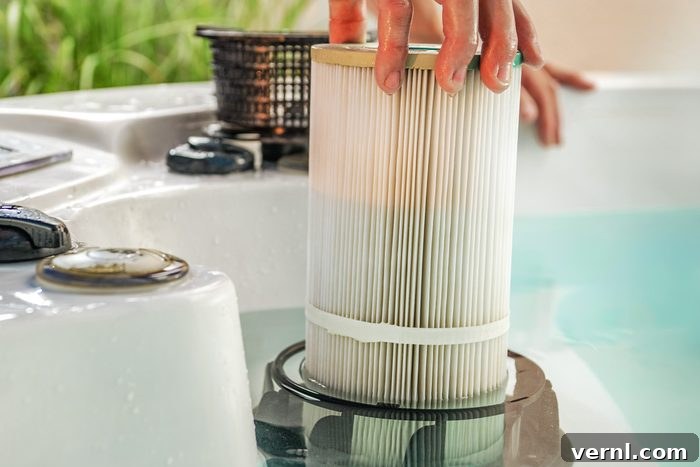
Winterizing a hot tub is fundamentally about removing all water and clearing out every last piece of debris to prevent freezing and stagnant conditions. John Uhle stresses that meticulousness is key. Here’s a detailed, step-by-step guide to ensure your hot tub is thoroughly protected:
Tools You’ll Need:
- Wet/dry vacuum (with blower function)
- Sump pump (optional, for faster draining)
- Garden hose
- Bucket
- Soft cloths or sponges
- Hot tub shell cleaner
- Non-toxic RV antifreeze (DO NOT use automotive antifreeze)
- Funnel
- Filter cleaner (for deep cleaning)
- Cover cleaner/conditioner
- Secure cover straps or clips
- Tarp (optional, for harsh climates)
The Winterization Process:
- Turn Off All Power: This is your absolute first step for safety. Locate the hot tub’s dedicated breaker in your main electrical panel and switch it off. Confirm that the hot tub’s control panel is completely dark. This prevents accidental activation during the draining process, which could damage pumps.
- Remove Large Debris: Before you even begin draining, use a scoop net to remove any leaves, pine needles, insects, or other floating debris from the water. This prevents them from clogging the drain lines or getting trapped in the plumbing during the draining process.
- Drain the Hot Tub Completely:
- Using the Drain Spout: Most hot tubs have a drain valve (usually a spigot with a hose attachment). Connect a garden hose and direct the water to a suitable drainage area away from your home’s foundation or any sensitive landscaping. This method can be slow.
- Using a Sump Pump: For faster draining, especially if your hot tub is large, place a submersible sump pump directly into the hot tub. Connect a hose and run it to your desired drainage spot. A sump pump can drain a hot tub in a fraction of the time, making the process much more efficient.
Ensure the tub is as empty as possible. You may need to tilt the tub slightly if it’s portable to get every last drop.
- Purge Water from Jets and Pipes (Critical Step): This is arguably the most vital step. Even a small amount of residual water can expand when frozen, causing significant damage.
- Wet/Dry Vacuum (Blower Function): Remove your hot tub filters. Set your wet/dry vacuum to its blower function. Systematically aim the nozzle into each jet, forcing air through the lines. You will see water being pushed out through other jets or the filter housing. Continue until no more water emerges.
- Wet/Dry Vacuum (Suction Function): After blowing, switch your wet/dry vac to suction mode. Place the hose over each jet, the filter housing, and any open plumbing lines (like where the pump connects) to draw out any remaining water. Uhle emphasizes, “People often forget about this, but every drop of water is enough to freeze and crack a fitting, and every bit of debris can rot and clog the system.”
- Air Blower (Alternative): Some people use a dedicated air compressor or leaf blower, but a wet/dry vac is usually sufficient and more versatile.
- Disconnect and Drain Pumps and Heater: Locate the unions (large plastic nuts) connecting the plumbing to your hot tub’s pumps and heater. Carefully loosen these unions to allow any trapped water to drain out. This protects these expensive and vital components from internal freeze damage. “If there’s water left inside, it can freeze and crack the housing of expensive equipment,” Uhle warns. You might need to gently tilt these components to facilitate complete drainage.
- Remove, Clean, and Store Filters: Take out all filters. Clean them thoroughly using a specialized filter cleaning solution to remove oils, debris, and mineral deposits. Rinse them completely, allow them to air dry fully, and then store them indoors in a dry, temperate place to prevent mildew growth and deterioration.
- Clean the Interior Shell, Jets, and Seats: With the tub now empty, use a soft cloth or sponge and a non-abrasive hot tub cleaner to wipe down all interior surfaces, including the shell, jets, and seats. This removes any residue, grime, or potential mildew spores. Rinse with clean water and immediately proceed to drying.
- Wipe Down and Dry the Shell and Cover: Using clean, dry cloths, meticulously wipe down every interior surface of the hot tub. It is imperative that the shell is completely dry to prevent mold and mildew from forming during its dormant period. Also, clean both sides of your hot tub cover with a specialized cleaner and allow it to dry completely. If your cover is in good condition, apply a UV protectant to extend its life.
- Apply Non-Toxic RV Antifreeze (Optional, but Recommended): For an extra layer of protection, especially in harsh climates, Levi Freedman recommends pouring non-toxic RV antifreeze into the plumbing lines, jets, and pumps. This type of antifreeze is specifically designed for potable water systems and will not harm your hot tub components or leave toxic residues. “Pro-tip: Use a funnel to pour the antifreeze directly into the plumbing lines through the pump unions and drain plugs you previously opened,” he advises. Ensure you pour enough to see it come out of the jets, confirming the lines are full.
- Secure the Hot Tub Cover: Place the clean, dry cover back on the hot tub. Ensure it seals tightly around all edges to prevent moisture, debris, and pests from entering. Use all available cover clips or straps to secure it firmly. If your cover tends to sag in the middle, Uhle recommends creating a slight slope with a support bar or cover lifter to prevent water from pooling, which can cause damage to the cover over time.
- Add Extra Protection (for Harsh Climates): If you live in an area with extremely severe winters, consider securing a heavy-duty waterproof tarp over the entire hot tub cover. This provides an additional layer of protection from heavy snow, ice, and harsh winds, further extending the life of your primary cover.
- Periodic Ventilation: As temperatures permit, crack the cover open every few weeks for a short period (15-30 minutes) on a dry day to allow any accumulated condensation to escape. This helps prevent moisture buildup underneath the cover, which could still lead to mold or mildew.
- Consult Your Owner’s Manual: Always refer to your specific hot tub’s owner’s manual for model-specific instructions or any unique winterization requirements recommended by the manufacturer.
- Consider Professional Help: If you’re uncertain about any step, if your hot tub is particularly complex, or if you simply prefer professional assurance, don’t hesitate to hire a qualified hot tub technician to perform the winterization for you. The cost of professional winterization is far less than the cost of potential freeze damage.
Frequently Asked Questions About Hot Tub Winterization
Do you have to winterize a hot tub?
It depends on several factors. You generally don’t *have* to winterize if your outdoor temperatures never drop below freezing consistently, or if you plan on actively using your hot tub and running the heater continuously throughout the entire winter months. The constant circulation and heating prevent water from freezing.
However, if you anticipate being away for an extended period, unable to perform regular maintenance, or if you live in a climate where temperatures consistently fall below freezing, then winterizing your hot tub is an excellent idea, regardless of your typical usage. It’s a proactive measure that prevents costly damage and ensures peace of mind. Even in seemingly mild climates, unexpected cold snaps can occur, making winterization a wise precaution if the tub won’t be actively used and heated.
When should you winterize and dewinterize a hot tub?
Winterization: The ideal time to winterize a hot tub is either just before the first expected freeze of the season or whenever you decide you will stop using it for an extended period, typically several months. Don’t wait until temperatures are already consistently below freezing, as performing the process in extreme cold can be uncomfortable and increase the risk of overlooked details.
Dewinterization: You should dewinterize your hot tub as soon as you feel you want to use it again on a constant basis and are ready to commit to regular maintenance. Uhle advises against dewinterizing for just a single, one-time use. “Dewinterization is a bad idea just for one-time use, because you either need to winterize it again after the use, or keep maintaining it in vain until you’re ready for constant use.” A quick dewinterization and immediate re-winterization is usually more hassle and cost than it’s worth.
What type of antifreeze should I use for my hot tub?
Only use non-toxic RV (Recreational Vehicle) antifreeze. This type of antifreeze is specifically formulated for potable water systems and is safe for plumbing, seals, and pumps in hot tubs. It typically contains propylene glycol, which is non-toxic and biodegradable. NEVER use automotive antifreeze (ethylene glycol), as it is highly toxic and can cause severe damage to your hot tub’s components and pose a significant environmental and health hazard.
Can I just drain my hot tub and leave it without doing the full winterization?
No, simply draining your hot tub without further steps is a common mistake and can be just as damaging as not draining it at all. As highlighted in the guide, even small amounts of residual water left in pipes, pumps, or jets can freeze, expand, and crack components. The critical steps of purging lines with a wet/dry vac and potentially adding RV antifreeze are essential to ensure all water is removed or protected against freezing, safeguarding your system from harm.
About the Experts
- John Uhle is the founding partner and product expert at Discount Salt Pool. He boasts more than a decade of extensive experience, having assisted thousands of pool and hot tub owners in maintaining their systems efficiently and affordably.
- Levi Freedman is the co-owner of Des Moines Home Buyers, LLC, a family-run business dedicated to helping homeowners sell their properties. He brings nearly 20 years of practical experience in the fields of property repair, renovation, and ongoing maintenance.