
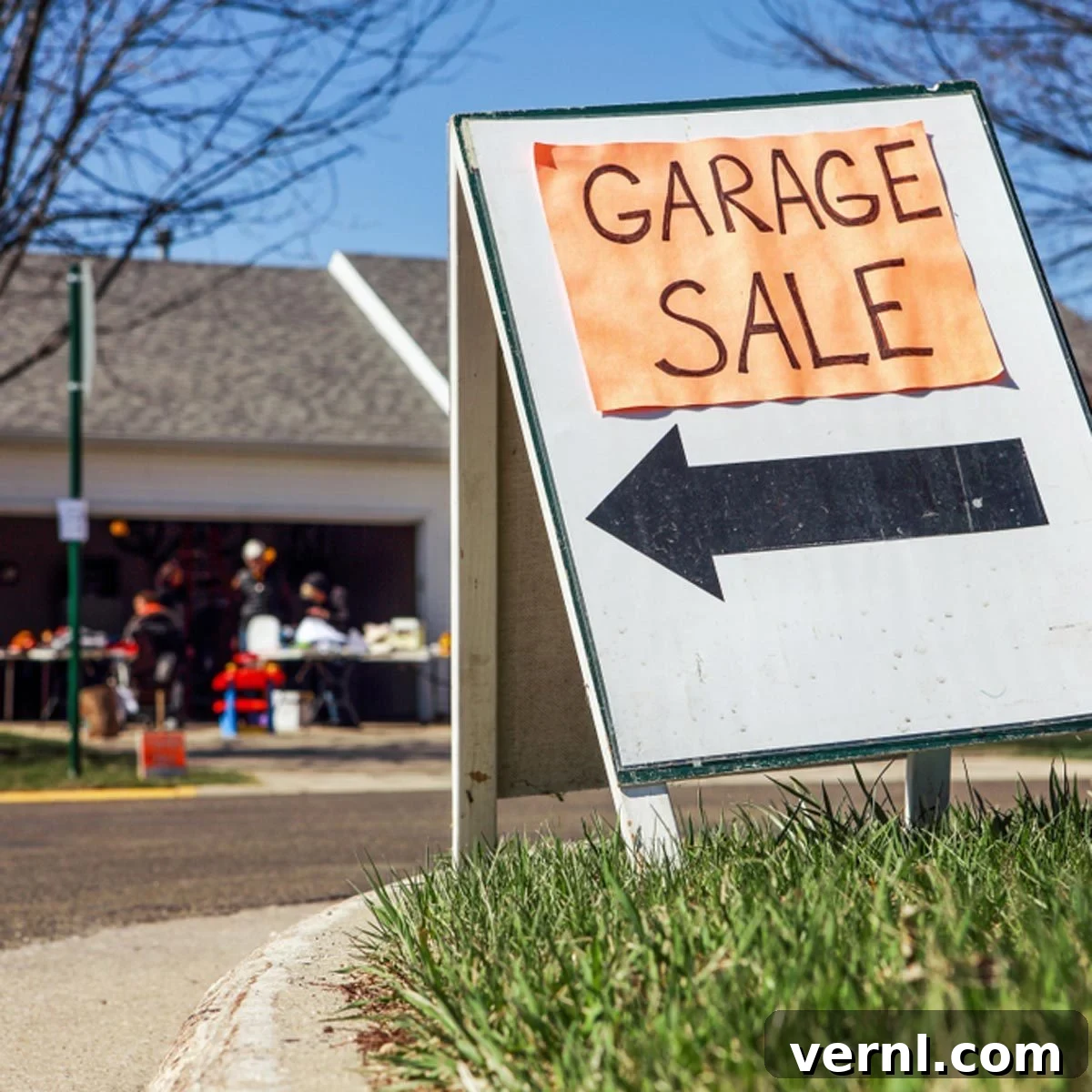
Is your home feeling overwhelmed with clutter? Are your closets, drawers, and garage bursting at the seams with items you no longer use, need, or love? Perhaps you’re embarking on a major home renovation, eager to clear out the old to make way for the new. Whatever your motivation, it sounds like the perfect time to host a successful garage sale. But to truly maximize your efforts and profits, understanding the optimal timing and strategies is key.
Beyond simply clearing space, a well-executed garage sale offers a fantastic opportunity to declutter purposefully, earn some extra cash, and contribute to a more sustainable lifestyle by giving items a second life. However, timing is everything. A thriving sale depends on various factors, from the weather to local community events and even the specific items you plan to sell. Let’s dive deep into how you can pinpoint the absolute best time for your next yard sale, ensuring maximum foot traffic and eager buyers.
Unlocking the Secrets to a Successful Yard Sale: Timing and Strategy
Hosting a profitable garage sale is an art that blends careful planning, appealing presentation, and, most importantly, strategic timing. While many instinctively think of spring and summer as the prime seasons, each period of the year presents unique advantages and considerations. As Elizabeth Dodson, co-founder of HomeZada, wisely advises, “Garage sales are good when it is not raining! Not only will rain damage the products being sold, but most people do not enjoy shopping for large items in the rain.” Indeed, favorable weather is paramount, but there’s much more to consider beyond avoiding precipitation.
Understanding the ebbs and flows of consumer behavior and seasonal trends can significantly boost your sale’s success. Michele Vig, founder of Neat Little Nest, highlights the importance of aligning your sale with key life transitions. “It can help to hold one during those times of year when people typically move, such as when the college year starts or ends,” she explains. “People are actively looking for items to furnish a home with, so that makes garage sales more successful.” This insight suggests targeting periods when local demographics are in search of specific items.
Furthermore, aligning your inventory with the season can create compelling appeal. Courtney Cummings, owner of The Stylish Organizer, recommends, “Think about selling lawn care tools and children’s outdoor items in the spring.” She adds a crucial tip for boosting turnout: “Team up with some neighbors to draw more interest and make it a community event.” A multi-family or neighborhood-wide sale often acts as a magnet for serious bargain hunters.
Decoding Garage Sale Seasonality: A Comprehensive Guide
The traditional garage sale season kicks off with the enthusiasm of spring cleaning, as warmer weather beckons people outdoors. This momentum typically continues through the early summer months, offering ideal conditions for outdoor sales under sunny skies. However, intense summer heat can cause a dip in attendance, prompting some sellers to adjust their hours to cooler parts of the day or even defer their sales.
As early fall arrives and temperatures become pleasantly mild, there’s often a resurgence in yard sales. Many individuals are motivated to declutter before the winter months set in, making way for holiday preparations or simply enjoying the crisp air. As fall progresses and temperatures drop further, outdoor sales naturally wane, leading into winter, which is generally considered the off-season for traditional outdoor events. Understanding these seasonal shifts allows you to strategically plan your sale for maximum impact.
Spring & Summer: Prime Time for Outdoor Bargain Hunting
These seasons are undeniably popular for a reason, offering an abundance of opportunities for a flourishing sale. Here’s what makes them shine:
- Extended Daylight & Ideal Weather: The longer days and generally warm temperatures of spring and summer create a comfortable environment for shoppers to browse at their leisure. Clear, sunny days are always a major draw.
- Peak Shopping Days: Saturdays remain the undisputed prime day for garage sales, drawing the largest crowds. Sundays are a solid secondary choice, often attracting last-minute shoppers or those looking for deeper discounts. For those with a substantial inventory, consider a multi-day sale starting on a Friday afternoon to capture early bird shoppers.
- Coinciding with Paydays: Strategically scheduling your sale around the beginning or middle of the month can align with many people’s paydays, meaning shoppers are more likely to have disposable income.
- Leveraging Local Events: Keep an eye on your community calendar. Hosting your sale alongside a popular local festival, farmers market, or other event that naturally draws crowds can significantly boost your visibility. Conversely, avoid dates that conflict with major community events where many residents might be otherwise occupied, like large sports tournaments or school fairs.
- Holiday Weekends – Proceed with Caution: While holiday weekends might seem appealing due to extra time off, they are often less ideal. Many families travel or have pre-existing plans, leading to reduced local foot traffic. Unless your area is a popular holiday destination with an influx of visitors, it’s generally best to steer clear.
- Seasonal Item Appeal: Spring is perfect for selling gardening tools, outdoor furniture, sports equipment, and spring/summer clothing. As summer progresses, think about camping gear, beach accessories, and children’s outdoor toys.
Fall: A Hidden Gem for Savvy Sellers
Don’t underestimate the charm and potential of a fall garage sale. As temperatures cool and new routines begin, fall offers unique opportunities:
- Pleasant & Comfortable Weather: The crisp, cool air of fall is a welcome relief after the summer heat, making it incredibly comfortable for shoppers to spend extended periods outdoors browsing your treasures.
- Back-to-School & Dorm Room Cleanup: Once the kids are settled back into school, many families initiate a significant decluttering effort. This period is ideal for selling student supplies, dorm room essentials, children’s clothes (especially for the next growth spurt), and gently used textbooks. Michele Vig’s advice about college year transitions is particularly relevant here.
- Holiday Preparations & Budget-Friendly Gifts: As the holiday season approaches, people actively seek budget-friendly gifts, decorations, and entertaining essentials. A fall sale is an opportune time to offer these items, helping shoppers get a head start on their holiday lists without breaking the bank. Many also declutter before hosting holiday guests.
- Less Competition, More Visibility: With fewer garage sales typically happening in the fall compared to the peak spring/summer months, your sale might stand out more, attracting a larger share of the available shoppers.
- Seasonal Item Advantage: Fall is an excellent time to sell items related to the upcoming holidays (Halloween costumes, Thanksgiving decor), cooler weather clothing, winter sports gear (early birds!), and cozy home furnishings. Courtney Cummings’ advice on matching items to the season is particularly potent here.
Essential Considerations for Fall Garage Sales
While fall offers distinct advantages, a few practical considerations will ensure your sale runs smoothly:
- Vigilant Weather Checks: Fall weather can be notoriously unpredictable. Always check the forecast thoroughly a week in advance and have a contingency plan for unexpected rain or a sudden drop in temperature. This could involve tarps, pop-up tents, or even moving smaller items under a covered porch or into the garage.
- Embrace Shorter Daylight Hours: With daylight diminishing in the fall, it’s crucial to start your sale early. Aim to open bright and early to make the most of the available light, as serious shoppers often arrive first thing in the morning. Consider having portable lighting if you anticipate selling into the late afternoon.
- Navigating Weekend Activities: Fall weekends are often bustling with school events, local sports leagues, and community festivals. Be mindful of these potential conflicts, as they could impact the number of shoppers in your area. Check local school and community calendars before setting your date.
- Aesthetic Appeal and Cleanup: While fall foliage is beautiful, falling leaves can quickly create a messy appearance. Ensure your yard is tidy and well-maintained on sale day to present an inviting atmosphere. Regular sweeping can make a big difference.
Maximizing Your Earnings: Key Strategies Beyond Timing
Regardless of the season you choose, meticulous preparation and attention to detail are paramount for a truly successful sale. From pricing to presentation, these strategies will set you up for success:
- Organize and Display Attractively: Group similar items together (e.g., all kitchenware, all children’s clothing). Use tables, shelves, and racks to get items off the ground and at eye level. Clean items thoroughly; a little effort goes a long way in making something more appealing.
- Clear Pricing: Price every item clearly and legibly. Shoppers are often deterred if they have to constantly ask for prices. Consider color-coded stickers for different price points or categories.
- Advertise Widely: Don’t just rely on word-of-mouth. Post on local social media groups (Facebook Marketplace, Nextdoor), community bulletin boards, and free online classifieds. Include photos of desirable items, your address, date, and hours. Good signage on nearby streets will also guide traffic.
- Be Prepared to Negotiate: Garage sale shoppers expect a deal. Be friendly and open to reasonable negotiation, especially as the day progresses.
- Have Change Handy: Ensure you have a good supply of small bills and coins. A fanny pack or apron with multiple pockets can keep your money secure and organized.
- Team Up for Greater Impact: As Courtney Cummings suggests, collaborating with neighbors for a multi-family or neighborhood-wide sale significantly increases foot traffic and advertising reach.
Frequently Asked Questions About Garage Sales
What items tend to sell best at garage sales?
The appeal of items can be highly localized, depending on your community’s demographics and needs. However, as Michele Vig advises, “Priced-to-go items tend to sell faster. People shopping garage sales are looking for deals, so your pricing strategy is the best way to see the most go quickly.” Items that are priced affordably and offer clear value will always move swiftly.
For maximizing profits, certain categories consistently perform well. Courtney Cummings notes, “If you are looking to maximize your profits, think of tools and furniture. These items tend to be the most in demand, and generally hold up well over time.” Quality tools, small appliances, and functional furniture pieces are often highly sought after. She adds, “Baby clothes and children’s clothes also do pretty well, since kids are constantly growing,” making them a perennial favorite for budget-conscious parents. Other strong sellers include home decor, kitchen gadgets, vintage items, and electronics.
How much can an average person expect to make from a garage sale?
The earnings from a garage sale can vary significantly, typically ranging between $100 to $1,000, largely dependent on the quantity, quality, and value of the items you’re selling. The more valuable items you have – such as quality furniture, collectible pieces, or designer clothing – the higher your potential profit.
When it comes to pricing, Courtney Cummings offers a popular guideline: “Most people follow the 10% rule when it comes to pricing. List your item for sale at 10% of the original price you paid. It’s important to set realistic expectations for your sales for the day.” While this rule serves as a good starting point, remember to adjust based on the item’s condition, demand, and your goal (quick clear-out vs. maximizing profit).
Beyond financial gain, Elizabeth Dodson reminds us that “giving items a good home is another primary reason to have a garage sale.” She emphasizes, “Focusing on what your goals are of the garage sale helps you understand how to price items and how to negotiate with buyers.” If your main goal is simply decluttering, you might price items lower to ensure they find new owners. If profit is your primary driver, you might hold firm on prices for more valuable items and be prepared to negotiate more readily on others.
Consider bundling smaller, less expensive items together (e.g., “fill a bag for $5”) toward the end of the day to clear out remaining inventory and boost your overall earnings.
About Our Expert Contributors
- Michele Vig is the visionary founder of Neat Little Nest, a distinguished member of the National Association of Productivity and Organizing Professionals, and the accomplished author of The Holistic Guide to Declutter. Her expertise lies in creating organized and harmonious living spaces.
- Courtney Cummings is the dedicated founder of The Stylish Organizer, a highly regarded professional organizing business based in Dayton, Ohio. She specializes in crafting personalized organizing solutions that blend functionality with aesthetics.
- Elizabeth Dodson is the innovative co-founder of HomeZada, a comprehensive platform for home management. She is a recognized authority in home management, maintenance, and organization, offering practical advice for efficient household living.