
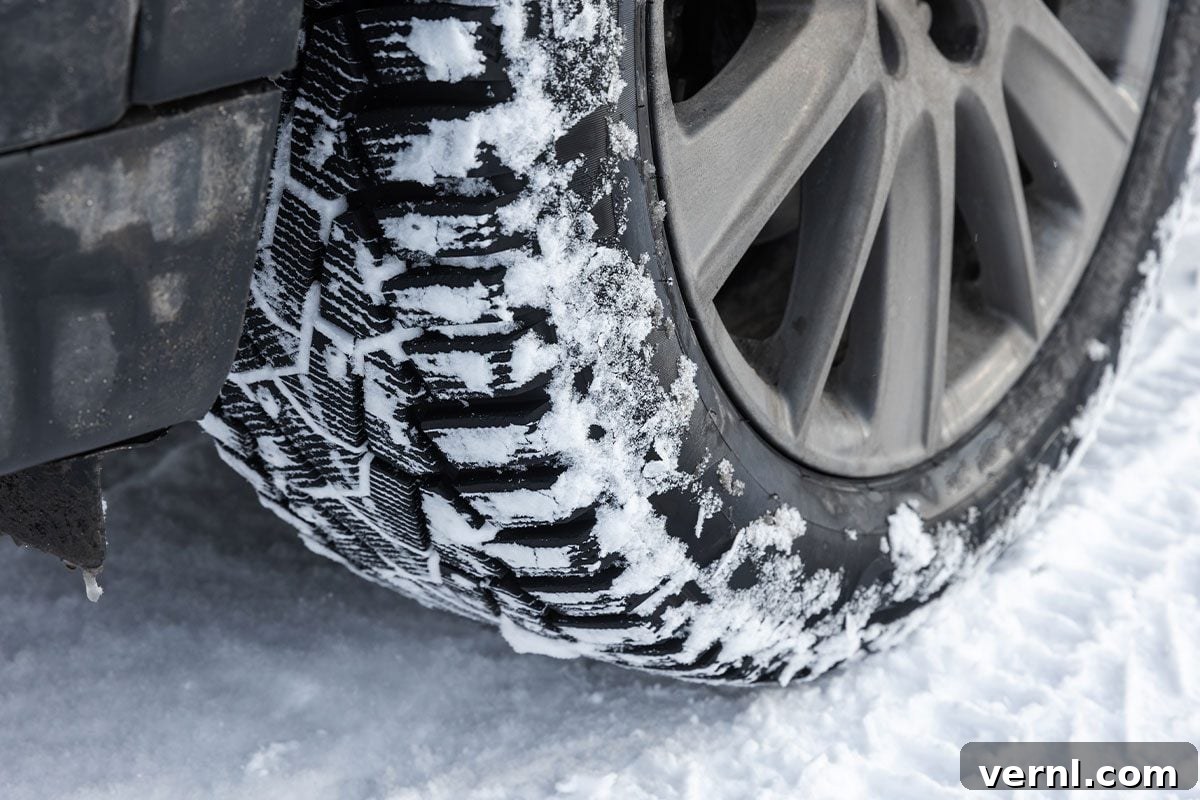
Navigating the treacherous conditions of winter roads presents a unique challenge for drivers. Icy surfaces, relentless strong winds, and blinding snow squalls combine to create harrowing driving scenarios that demand specialized equipment, especially when it comes to tires. For decades, a common modification to conventional snow tires has been the integration of small metal spikes, known as studs, directly embedded into the rubber. These studs are designed to dig into icy roads, dramatically enhancing traction and providing a crucial safety advantage. However, this enhanced grip comes at a significant cost: accelerated wear and tear on the very road surfaces they are meant to conquer.
The environmental and economic impact of studded tires is substantial. A compelling 2019 study by the Alaska Department of Transportation brought these concerns into sharp focus. The findings revealed that studded tires could reduce the lifespan of asphalt road surfaces from an average of 15 years down to a mere 6 to 8 years. Furthermore, they were found to cause an astonishing 287 percent more rutting compared to standard tires. Cumulatively, this damage translated into an estimated cost to taxpayers exceeding $200 million over a 20-year period. While drivers could mitigate this damage by swapping their studded tires for regular ones during non-icy conditions, the reality is that most opt for the convenience of leaving studded tires on throughout the entire winter season.
In response to this pressing problem, Finnish tire manufacturing giant Nokian has unveiled a revolutionary line of winter tires: the Hakkapeliitta 01. This innovative series features an engineering marvel – retractable studs. This article, with insights from automotive experts, delves into the mechanics of traditional winter tires, explores the challenges posed by studded options, and shines a spotlight on Nokian’s groundbreaking innovation that promises to redefine winter driving safety and road preservation.
Understanding Winter Tires: Engineered for Extreme Conditions
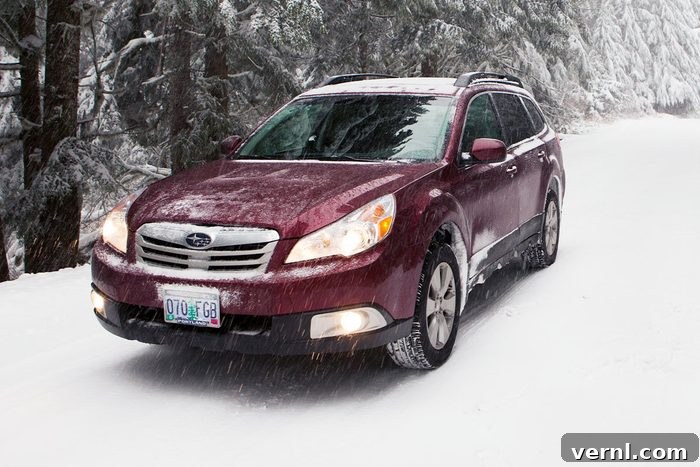
Winter tires are far from just ordinary tires with a different label. They incorporate several distinct features that set them apart from standard all-season or summer tires, specifically engineered to provide superior grip and safety on snowy, icy, and cold road surfaces. These specialized characteristics are crucial for anyone driving in regions prone to harsh winter weather.
One of the most critical differentiators is the rubber compound used in their construction. As Lucas Waldenbäck, a seasoned driving instructor, explains, “Winter tires are crafted from a softer, more pliable rubber compound that maintains its flexibility even when temperatures plummet below 45 degrees Fahrenheit (7 degrees Celsius).” Unlike all-season tires, which tend to stiffen in the cold, this unique formulation – often incorporating high concentrations of silica – allows winter tires to remain supple. This flexibility is paramount, as Waldenbäck emphasizes, enabling them “to maintain crucial grip and conform to the road surface, even when the ambient temperature and road surface are extremely cold.” This enhanced pliability directly translates to better contact with the road, improving traction, braking, and steering response.
Beyond the rubber compound, winter tires boast a unique tread design. They feature significantly deeper and more aggressive tread patterns compared to their all-season counterparts. These deep grooves are designed to effectively channel away slush, water, and loose snow, preventing hydroplaning and maintaining consistent contact with the road. Integrated into these robust treads are thousands of tiny, intricate grooves known as sipes. “These small cuts in the tread,” Waldenbäck elaborates, “play a vital role in helping the tire bite into snow and ice, providing countless additional gripping edges. They also efficiently channel away slush and water, significantly improving both traction and braking performance on challenging winter roads.” Sipes act like miniature squeegees, enhancing the tire’s ability to grip slick surfaces without relying solely on friction.
For even greater traction in the most extreme icy conditions, some winter tires incorporate an additional feature: studs. These are small, hardened metal or ceramic pins embedded into the tread. When included on a winter tire, there can be anywhere from 80 to 120 of these studs, protruding approximately 1/32 to 1/16 inches (1 to 1.5 mm) from the tire surface. Their primary function is to physically dig into hard-packed snow and ice, offering an unparalleled level of grip that friction alone cannot provide. While highly effective on ice, the constant contact of these exposed studs with bare pavement introduces a significant drawback that has long challenged road authorities and environmentalists.
The Environmental and Economic Impact: Why Studded Tires Can Be Detrimental to Roads
While the specialized rubber compounds and advanced tread designs of conventional winter tires are not inherently harmful to road infrastructure, the presence of metal studs fundamentally changes this equation. Studded tires, by their very design, are abrasive. The continuous grinding of these small metal spikes against asphalt and concrete surfaces acts like a persistent, albeit slow, chiseling tool. This relentless action gradually wears down the road material, leading to a range of significant issues.
The primary concern is accelerated road surface degradation. As the Alaska Department of Transportation study highlighted, this wear can drastically shorten the lifespan of costly road surfaces, necessitating more frequent and expensive repairs and resurfacing projects. Beyond general wear, studded tires are a major contributor to rutting—the formation of longitudinal depressions or grooves in the wheel paths of a road. These ruts collect water, increasing the risk of hydroplaning and making driving more hazardous, especially at higher speeds or during heavy rain. The additional friction generated by studs on dry pavement can also slightly increase fuel consumption and road noise, impacting both the environment and driver comfort.
Acknowledging these detrimental effects, “some regions restrict or heavily regulate the use of studded tires,” as Lucas Waldenbäck notes. These regulations often specify permitted usage periods, typically aligning with the coldest months, and some areas prohibit them entirely. The challenge for drivers has always been balancing the undeniable safety benefits of studded tires on ice with their equally undeniable negative impact on road infrastructure and the associated taxpayer burden. This long-standing dilemma has spurred tire manufacturers to seek innovative solutions that can offer the best of both worlds.
Nokian’s Groundbreaking Adaptations: The Hakkapeliitta 01 with Retractable Studs
Enter the Nokian Hakkapeliitta 01, a revolutionary tire that seeks to resolve the persistent conflict between superior icy road traction and road surface preservation. This innovative tire incorporates a sophisticated system of retractable studs, offering drivers the ability to engage or disengage their grip on demand. The studs in the Nokian Hakkapeliitta 01 are precisely 0.41 inches (10.5 mm) long, and their unique functionality is attributed to an ingenious multi-layered rubber embedding system, as detailed by Austin Irwin in Car and Driver Magazine.
At the core of this system is a 0.1-inch (2.5 mm) foundational layer crafted from a reactive rubber compound. This proprietary material is the secret behind the studs’ dynamic behavior. When temperatures plummet below freezing, this base compound hardens significantly, providing a firm and stable platform that supports the studs, allowing them to extend and dig into ice with maximum effectiveness. Conversely, as temperatures rise and the road surface warms, this reactive compound softens. This softening mechanism allows the studs to retract into the tire, effectively minimizing their contact with bare pavement. Nokian closely guards the specific chemical composition of this reactive base compound, recognizing it as a key competitive advantage.
Layered above the reactive base is a 0.04-inch (1 mm) locking layer. This intermediate layer plays a crucial role in precisely controlling the movement and stability of the studs, ensuring they deploy and retract smoothly and maintain their correct orientation. On the outermost surface, a specialized fixative compound binds the entire system together, keeping the studs and their multi-layered housing perfectly aligned within the tire’s tread. This intricate engineering ensures durability and consistent performance throughout the tire’s lifespan.
Beyond the retractable mechanism, Nokian has also optimized the orientation of the studs across the tire’s tread for specialized performance. “The studs positioned near the center of the tread are specifically oriented to enhance traction during critical maneuvers such as acceleration and braking,” explains Irwin. This strategic placement ensures maximum grip where it’s most needed for straight-line control. Moving towards the tire’s shoulders, the studs are rotated 180 degrees. Nokian asserts that this altered orientation provides superior grip for steering and cornering, allowing for more precise handling and stability when navigating turns on slick surfaces. This meticulous attention to detail in stud placement and material science underscores Nokian’s commitment to delivering unparalleled safety and performance in varying winter conditions.
Assessing Effectiveness and Future Prospects of Retractable Studs
The introduction of the Nokian Hakkapeliitta 01 with retractable studs has generated considerable interest, leading to early testing by prominent automotive publications such as Car and Driver and Road & Track. Reviewers traveled to Finland in the winter of 2026 to conduct rigorous tests on genuine icy surfaces, the very conditions for which these tires are designed. The initial feedback from these cold-weather evaluations has been overwhelmingly positive, with testers reporting exceptional grip and control on ice, mirroring the performance expected from top-tier studded tires.
However, a crucial aspect of these innovative tires is their performance on bare roads when the studs are retracted. At the time of the initial publications, reviews focusing on warmer weather performance were not yet available. This gap is significant because the core advantage of retractable studs lies in their ability to minimize road damage and reduce noise and wear when ice is not present. The tires are slated for general release in the autumn of 2026, which provides a full summer season for comprehensive testing on dry and wet bare roads. Future evaluations will need to thoroughly assess how well the retracted studs perform in terms of handling, fuel efficiency, road noise, and overall longevity when not engaged. The success of this technology will largely depend on its ability to offer the dual benefit of aggressive ice traction and uncompromised bare-road performance.
Should subsequent tests confirm superior performance across all conditions, Nokian’s Hakkapeliitta 01 could set a new benchmark for winter tire technology. This innovation has the potential to dramatically influence market trends, alleviate concerns about road infrastructure damage, and ultimately enhance safety for drivers in winter climates worldwide. It represents a significant step forward in intelligent tire design, offering a versatile solution that adapts to changing road conditions without requiring manual tire changes.
Beyond Tires: Essential Tools and Practices for Safe Winter Driving
While investing in specialized winter tires, especially those with advanced features like retractable studs, is a monumental step toward safer winter driving, they are only one component of a comprehensive safety strategy. Drivers in regions prone to harsh winter weather need to equip themselves with a range of essential tools and adopt prudent driving habits. Lucas Waldenbäck provides an invaluable list of necessities:
- Windshield Scraper and Snow Brush: Visibility is paramount. A sturdy scraper and brush are essential for completely clearing snow and ice from all windows, mirrors, headlights, and taillights before embarking on any journey. Partial clearing significantly compromises safety.
- Tire Pressure Gauge: Proper tire inflation is critical year-round, but it’s especially vital in cold weather. Tires tend to lose pressure as temperatures drop (approximately 1 PSI for every 10-degree F drop), which can negatively impact handling, fuel efficiency, and traction. Regularly checking and adjusting tire pressure ensures optimal performance and safety.
- Traction Aid: Even the best winter tires can struggle in deep snow or on slick ice. Keeping a bag of sand, cat litter, or a specialized traction mat in your trunk can provide the necessary grip to get your vehicle unstuck from a tricky situation. These materials create friction under the drive wheels, allowing them to gain purchase.
- Emergency Kit: Being prepared for unexpected breakdowns or extended delays is non-negotiable in winter. An emergency kit should include essential items such as warm gloves, a bright flashlight with spare batteries, emergency blankets or a sleeping bag, non-perishable food, and bottled water. Jumper cables, a small shovel, and a first-aid kit are also highly recommended additions.
In addition to these tools, adopting defensive driving habits is crucial. Reduce your speed, increase your following distance, avoid sudden braking or acceleration, and be extra vigilant for black ice. Never use cruise control on slippery roads, as it can cause loss of control. Awareness of local weather forecasts and road conditions before driving can also help you make informed decisions and avoid hazardous routes.
FAQ: Winter Tire Usage and Maintenance
When are winter tires truly needed?
“A good rule of thumb,” advises Lucas Waldenbäck, “is to install winter tires when the ambient temperature consistently drops below 45 degrees Fahrenheit (7 degrees Celsius).” This temperature threshold is critical because it’s when the rubber compound in standard all-season or summer tires begins to harden significantly, losing its elasticity and, consequently, its ability to grip effectively on cold pavement. The softer compound of winter tires, designed for cold weather, remains flexible, ensuring superior traction, braking, and handling when temperatures consistently dip into this range. Conversely, it’s time to remove them when temperatures consistently rise above this threshold.
When should you put winter tires on your car, and when should you take them off?
The timing for installing and removing winter tires depends largely on your geographical location and its typical winter climate. In regions that experience consistently harsh winters with frequent snow and ice, the ideal time to put winter tires on is typically in late autumn, well before the first significant snowfall or ice storm arrives. “Waiting until the roads are already icy significantly reduces their safety benefit,” warns Waldenbäck, as proactive installation ensures you’re prepared for the season’s initial dangers. Being ahead of the weather curve maximizes the safety advantage these specialized tires offer.
Conversely, the appropriate time to remove winter tires is generally in early spring, once temperatures reliably remain above the 45-degree Fahrenheit (7 degrees Celsius) mark. Driving winter tires in consistently warm weather causes several issues. The soft rubber compound, optimized for cold conditions, wears out much faster on hot asphalt, significantly shortening their lifespan. Furthermore, the aggressive tread patterns and softer rubber can lead to diminished handling, increased road noise, and reduced fuel efficiency in warmer temperatures. Proper seasonal tire changes not only extend the life of your winter tires but also optimize your vehicle’s performance and safety throughout the year.
About the Expert
- Lucas Waldenbäck is the co-founder of Zutobi, an innovative online driver’s education platform dedicated to empowering users with safe driving practices and helping them confidently pass their DMV tests.
Source
- Car and Driver: Nokian’s New Studded Winter Tire Can Do Something Amazing; (2026)
Related Articles for Enhanced Winter Readiness
- Do You Know What That Little Button on Your Seat Belt Is For? Discover Hidden Car Features
- Mastering Your View: What Those Lines on Your Backup Camera Really Tell You
- Unlocking Your Car’s Secrets: Here’s What The Small Panel On Your Car’s Front Bumper Is For