Ultimate Guide to Fixing Frayed Straps: Restore & Extend Lifespan
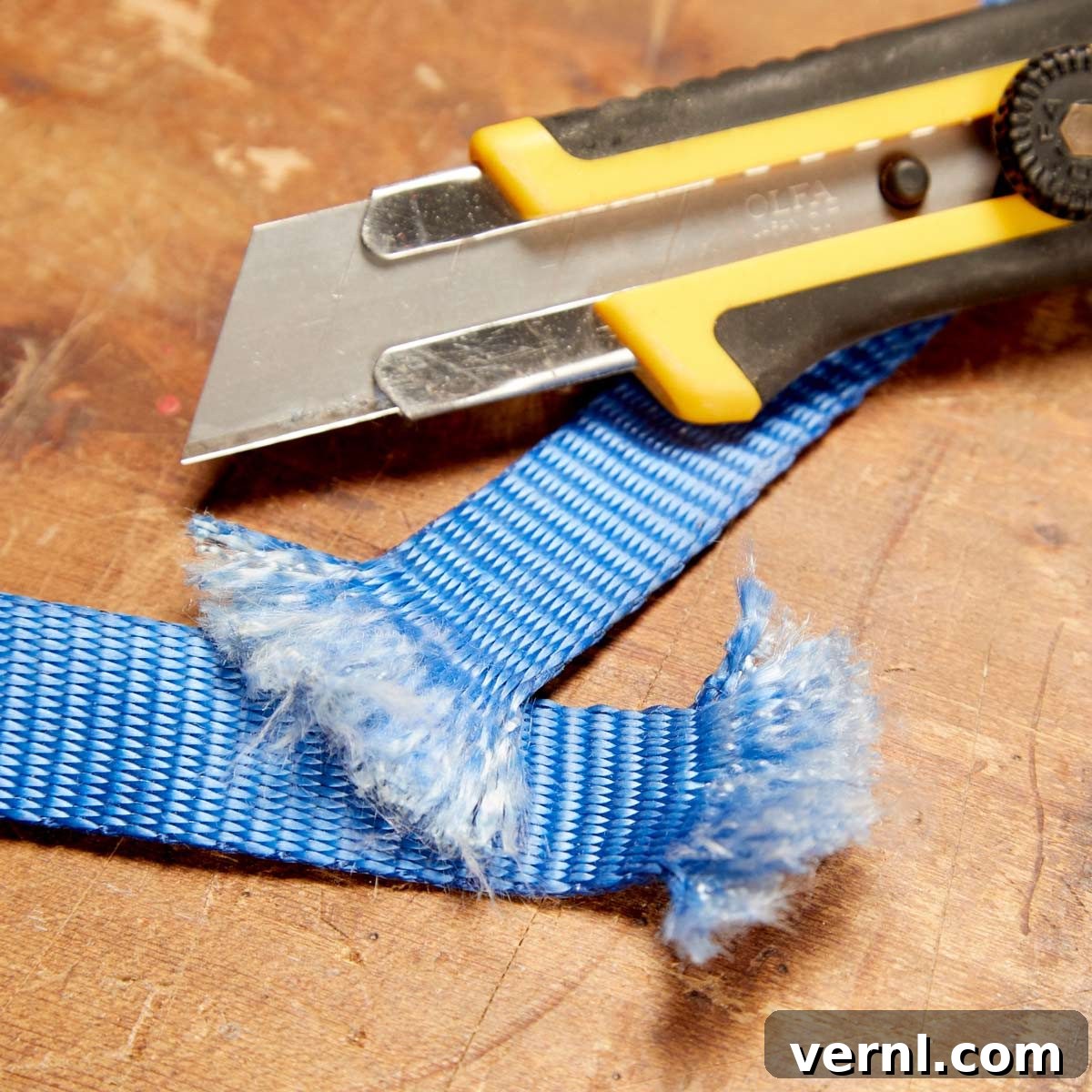
Few things are as frustrating as a frayed strap. Whether it’s a critical ratchet strap for securing a heavy load, a sturdy strap on your favorite backpack, or a simple tie-down for camping gear, frayed ends can quickly transform an essential tool into a frustrating hindrance. They are difficult to feed through buckles, ratchets, or loops, and more importantly, they compromise the strap’s strength and overall safety. But don’t despair! With a few simple techniques and minimal tools, you can easily repair those tattered ends, making them “good as new” and significantly extending the life and functionality of your valuable equipment. This comprehensive guide will walk you through the most effective repair methods, crucial prevention strategies, and essential safety tips to keep all your straps in optimal condition.
The Ubiquitous Problem and Its Impact
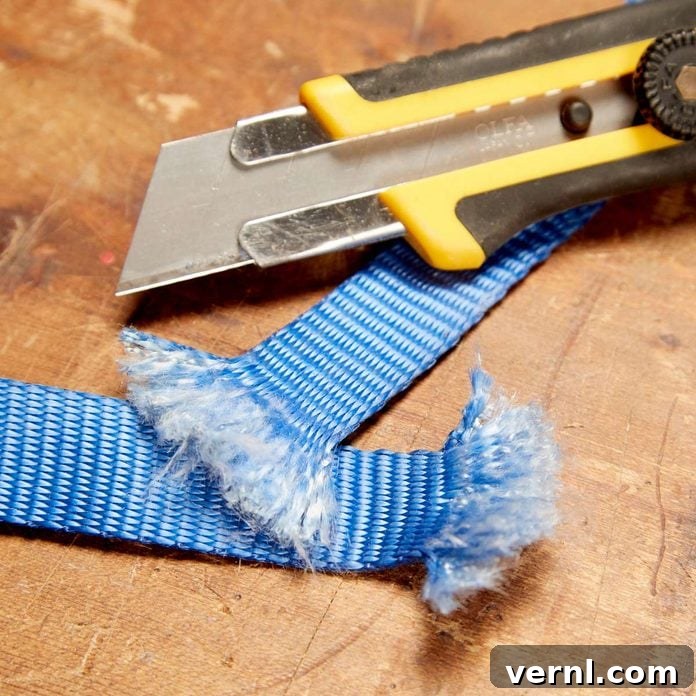
Straps are workhorses in our daily lives, from securing cargo on a truck to holding up a tent or carrying a heavy camera bag. Their strength, flexibility, and reliability are often taken for granted until they start to fail. Fraying is one of the most common forms of degradation, typically occurring at the ends or along edges where friction is highest. A frayed end isn’t just an aesthetic issue; it presents several practical and safety concerns:
- Difficulty of Use: As mentioned, feeding a bushy, frayed strap through a tight buckle or ratchet mechanism is a struggle that wastes time and effort.
- Reduced Strength: Each individual fiber contributes to the strap’s overall tensile strength. When fibers break and unravel, the strap’s integrity is compromised, reducing its load-bearing capacity.
- Safety Hazard: For critical applications like securing loads during transport, a weakened strap can lead to dangerous situations, including shifting cargo, accidents, and potential injury.
- Shortened Lifespan: Unaddressed fraying will continue to worsen, leading to complete unraveling and rendering the strap unusable much sooner than necessary.
Understanding these impacts underscores the importance of prompt and effective repair and maintenance.
Understanding the Causes: Why Do Straps Fray?
To effectively prevent and fix frayed straps, it’s crucial to understand the common factors that contribute to their wear and tear. Knowing the causes allows for targeted prevention and more informed repair decisions:
- Friction and Abrasion: This is the most prevalent cause. Constant rubbing against rough surfaces, sharp edges, other straps, or even components of the buckle itself can gradually abrade and break the individual fibers that make up the webbing.
- UV Radiation Exposure: Prolonged exposure to the sun’s ultraviolet (UV) rays is highly detrimental to synthetic fibers like nylon and polyester. UV light can degrade the material over time, making it brittle, weaker, and much more susceptible to fraying and breakage.
- Chemical Degradation: Contact with certain chemicals, such as petroleum products (oil, fuel), harsh cleaning agents, or strong solvents, can chemically break down the fibers of synthetic straps, leading to weakening, discoloration, and increased fraying.
- Improper Handling and Storage: Leaving straps tangled in a heap, exposed to the elements, or improperly coiled can cause them to get pinched, kinked, or rubbed against abrasive surfaces, accelerating wear.
- Overloading and Stress: Consistently using a strap beyond its rated working load limit (WLL) or subjecting it to sudden, heavy shock loads can stretch and stress the fibers beyond their elastic limit, leading to internal damage and eventual external fraying.
- Material Type: While this guide primarily focuses on synthetic straps, it’s worth noting that natural fibers (like cotton, jute, or hemp) are inherently more prone to fraying and cannot be heat-sealed. Synthetic materials generally offer better resistance but are not immune.
The Primary Solution: Heat Sealing for Synthetic Straps
For the vast majority of straps found in tools, vehicles, and outdoor equipment – typically made from durable synthetic materials like nylon, polyester, or polypropylene – the most effective, reliable, and enduring repair method is heat sealing. This technique, which involves carefully melting the fibers at the cut end, fuses them together into a solid, fray-proof bead. It’s quick, simple, and makes strap ends easy to manage.
Essential Tools for Heat Sealing:
- Sharp Cutting Tool: A very sharp utility knife, box cutter, heavy-duty scissors, or a rotary cutter. A clean cut is paramount.
- Heat Source: A common lighter (Bic-style), a utility lighter, or even a small butane torch (for greater control).
- Non-Flammable Work Surface: Concrete, a metal workbench, or a thick ceramic tile is ideal to prevent accidental fires.
- Safety Gear: Gloves (to protect your hands from heat and cutting tools), safety glasses, and ensure you have adequate ventilation. Always keep a cup of water or a small fire extinguisher nearby as a precautionary measure.
Step-by-Step Guide: How to Heat Seal Frayed Strap Ends
-
Prepare Your Workspace and the Strap
Begin by laying your strap flat on your stable, non-flammable work surface. Identify the frayed section. For the best results, you’ll need to cut a few inches beyond the most severely frayed part. This ensures you’re working with a section of undamaged, uncompromised webbing, allowing for a strong and clean seal. Make sure your hands are steady and the strap is held securely for the next step.
-
Execute a Clean, Straight Cut
Using your chosen sharp cutting tool, make a single, decisive, and perfectly straight cut across the strap. The straighter and cleaner this cut, the more professional and effective your sealed end will be. A jagged or uneven cut will be more challenging to seal uniformly and may leave rough patches. For wider straps, using a straight edge or ruler as a guide can help achieve a perfectly perpendicular cut.
-
Carefully Apply Heat to the Freshly Cut Edge
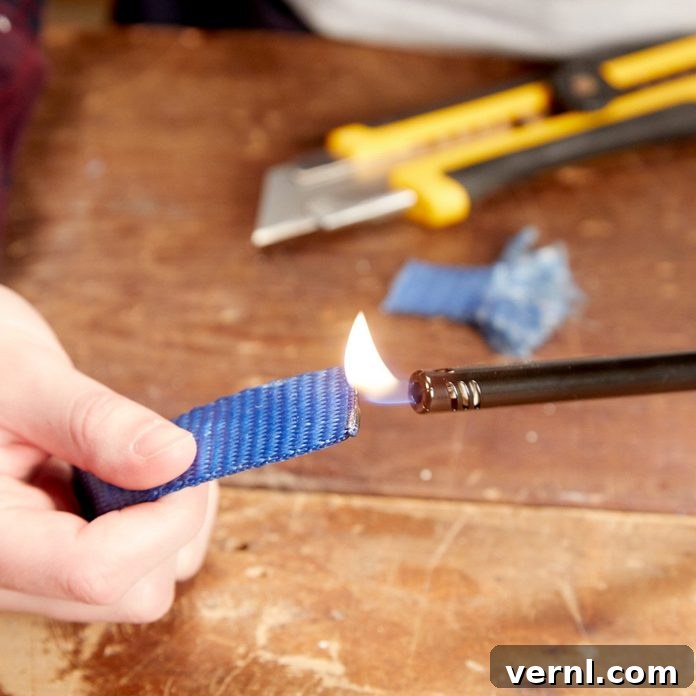
Holding the strap firmly with one hand (gloves are highly recommended), ignite your lighter. Slowly and carefully pass the flame just beneath the freshly cut edge of the strap. The key is to melt the fibers, not to burn them. Avoid holding the flame in one spot for too long, as this can cause the strap to ignite or create an excessive amount of black soot. You will observe the individual fibers beginning to melt and fuse together, forming a slightly hardened, smooth bead along the edge.
Move the flame continuously and evenly along the entire width of the cut. For thicker webbing, you might need to apply heat to both sides of the edge to ensure a thorough melt. Pay particular attention to the corners, as these are often the first areas to re-fray if not properly sealed.
-
Allow to Cool and Inspect
Once you’ve achieved a smooth, melted edge across the entire width of the strap, extinguish the flame. Immediately place the strap on your non-flammable surface and allow the melted plastic to cool completely and harden. This usually takes only a few seconds. Once cooled, gently feel the newly sealed edge. It should be firm, smooth, and entirely free of any loose fibers. If you discover any unsealed spots or rough edges, you can carefully reapply the flame to those specific areas for a touch-up.
Crucial Material Note: This heat-sealing method is exclusively effective for synthetic materials such as Nylon, Polyester, and Polypropylene. These materials are thermoplastics, meaning they soften and melt when heated, allowing their fibers to fuse. This method will NOT work on natural fibers like cotton, jute, or hemp, which will simply char, burn, and potentially ignite rather than melt and seal. Always verify your strap’s material composition before attempting this repair.
Alternative and Supplementary Strap Repair Methods
While heat sealing remains the gold standard for synthetic straps, other situations, material types, or personal preferences might call for different approaches. Here are a few alternative or supplementary methods to consider:
- Heat Gun or Soldering Iron: For those who require more precise temperature control or are working with wider, thicker webbing, a heat gun on a low setting or a soldering iron with a flat tip can be superior to a lighter. These tools offer a more controlled heat application, reducing the risk of accidental burning or scorching. Always use a heat-resistant mat underneath and exercise extreme caution.
- Fray Stop Liquid or Fabric Glue: For non-synthetic materials that won’t melt, or if you prefer a no-heat method, specialized “fray stop” liquids or strong fabric glues (like flexible super glue or fabric sealant) can be applied to the freshly cut edge. These products typically soak into the fibers and dry clear, creating a hardened, sealed edge. This method is also suitable for small, delicate straps or areas where heat application is impractical.
- Electrical Tape or Duct Tape (Temporary Fix): For a quick, temporary fix, especially if you’re in the field or need immediate relief from fraying, tightly wrapping the end of the strap with several layers of electrical tape or strong duct tape can prevent further unraveling. While not a permanent solution, it can buy you time until a proper repair can be made.
- Heat Shrink Tubing: If you have access to various sizes, heat shrink tubing offers a very clean, professional, and durable finish. After trimming the frayed end cleanly, slide a piece of appropriately sized heat shrink tubing over the end. Then, apply heat (with a heat gun or carefully with a lighter) to shrink the tubing firmly around the strap, creating a highly resistant and aesthetically pleasing sealed end.
- Stitching and Reinforcement: For decorative straps, or if you wish to add extra durability to a newly cut and heat-sealed end, you can stitch across the end with heavy-duty thread. A tightly sewn zigzag stitch or a simple straight stitch line just above the melted edge can provide additional security against unraveling and give a more finished look, particularly on thicker webbing or straps that experience high stress.
Preventing Fraying: A Proactive Approach to Strap Longevity
While fixing frayed straps is entirely achievable, the best solution is often prevention. By adopting proactive measures, you can significantly extend the lifespan of your straps, minimize maintenance, and ensure they remain safe and functional for longer periods:
- Proper Storage: Always store your straps neatly coiled. Avoid leaving them in tangled messes where they can get pinched, rubbed, or exposed to sharp objects. Store them in a dry, cool, and shaded area, away from direct sunlight, extreme temperatures, and harsh chemicals. A dedicated strap bag, roll, or wall rack can be an invaluable investment.
- Regular Inspection: Make it a habit to visually inspect all your straps before and after each use. Look for any initial signs of fraying, cuts, abrasions, thinning, or damage to buckles and hardware. Catching a small fray early makes repair much easier and prevents it from worsening.
- Protect from Edges and Abrasion: When securing loads, especially those with sharp corners, rough surfaces, or abrasive textures, always use edge protectors, sleeves, or corner guards. These simple accessories create a buffer between the strap and the load, preventing direct rubbing and protecting the strap’s fibers from damage.
- Avoid Overloading: Always adhere strictly to the working load limit (WLL) and break strength of your straps. Overloading places excessive and undue stress on the fibers, accelerating wear, causing internal damage, and drastically increasing the risk of catastrophic failure.
- Cleanliness: Dirt, grit, sand, and other debris can act as abrasive agents, accelerating wear on strap fibers. Periodically clean your straps with mild soap and water (avoid harsh detergents), rinse them thoroughly, and allow them to air dry completely before coiling and storing them.
- Use the Right Strap for the Job: Different tasks require different types of straps with varying materials, widths, and strength ratings. Ensure you are always using the appropriate strap for the specific application to avoid unnecessary stress and wear.
When to Replace: Prioritizing Safety Over Repair
While repairing frayed ends can restore functionality and extend the life of many straps, there are critical situations where a strap is simply beyond safe repair and must be replaced entirely. This is paramount for load-bearing straps, such as those used for cargo securement or heavy lifting, where failure can lead to severe injury, significant property damage, or even fatality.
Consider immediate replacement if you observe any of the following signs of severe damage:
- Extensive Fraying, Cuts, or Tears: If fraying extends significantly beyond the very end of the strap (e.g., deep into the main webbing), or if there are any substantial cuts, tears, or holes in the strap itself, its structural integrity is compromised beyond simple repair.
- Chemical Damage: Any discoloration, staining, stiffening, or brittle spots on the strap due to chemical exposure (e.g., acid, oil, fuel) indicate irreversible fiber degradation.
- Melted or Burnt Sections: Beyond a neatly sealed end, any areas of excessive melting, charring, stiffness, or brittleness within the main body of the strap indicate severe heat damage and weakened fibers.
- Hardware Damage: Rust, bends, cracks, deformation, or any other signs of damage to the buckles, hooks, ratchets, or other metal hardware can severely compromise their function and the overall safety of the strap system.
- Excessive Wear and Thinning: If the strap appears noticeably thinner in certain areas, if the weave pattern is significantly distorted, or if there are excessive broken stitches, its strength is likely drastically reduced.
- Fade and Age: While not always indicative of immediate failure, severe fading and age can signify material degradation due to prolonged UV exposure, reducing the strap’s overall resilience.
Always remember that the cost of replacing a compromised strap is negligible compared to the potential costs (financial, physical, and emotional) associated with equipment failure and accidents. When in doubt, err on the side of caution and replace the strap.
Conclusion: Keep Your Gear Functional, Safe, and Reliable
Frayed straps are a common and frustrating problem for anyone who relies on webbing for securing, lifting, or carrying. However, they don’t have to lead to premature replacement or unsafe conditions. By understanding the causes of fraying and mastering simple, effective repair techniques like heat sealing for synthetic materials, you can significantly extend the useful life of your essential gear.
More importantly, by implementing proactive prevention strategies – such as proper storage, regular inspection, and protecting against abrasion – and knowing when a strap is truly beyond safe repair, you ensure maximum safety, efficiency, and reliability in all your projects and adventures. Take a few moments to inspect your straps regularly, perform these easy repairs when needed, and invest in proper care. Your well-maintained equipment will thank you, and you’ll avoid the frustration and potential hazards of unreliable gear.
To further enhance your knowledge of versatile tools and safe practices, we recommend exploring more related content:
Check out these amazing uses for ratchet straps and learn how to transport things safely and efficiently!