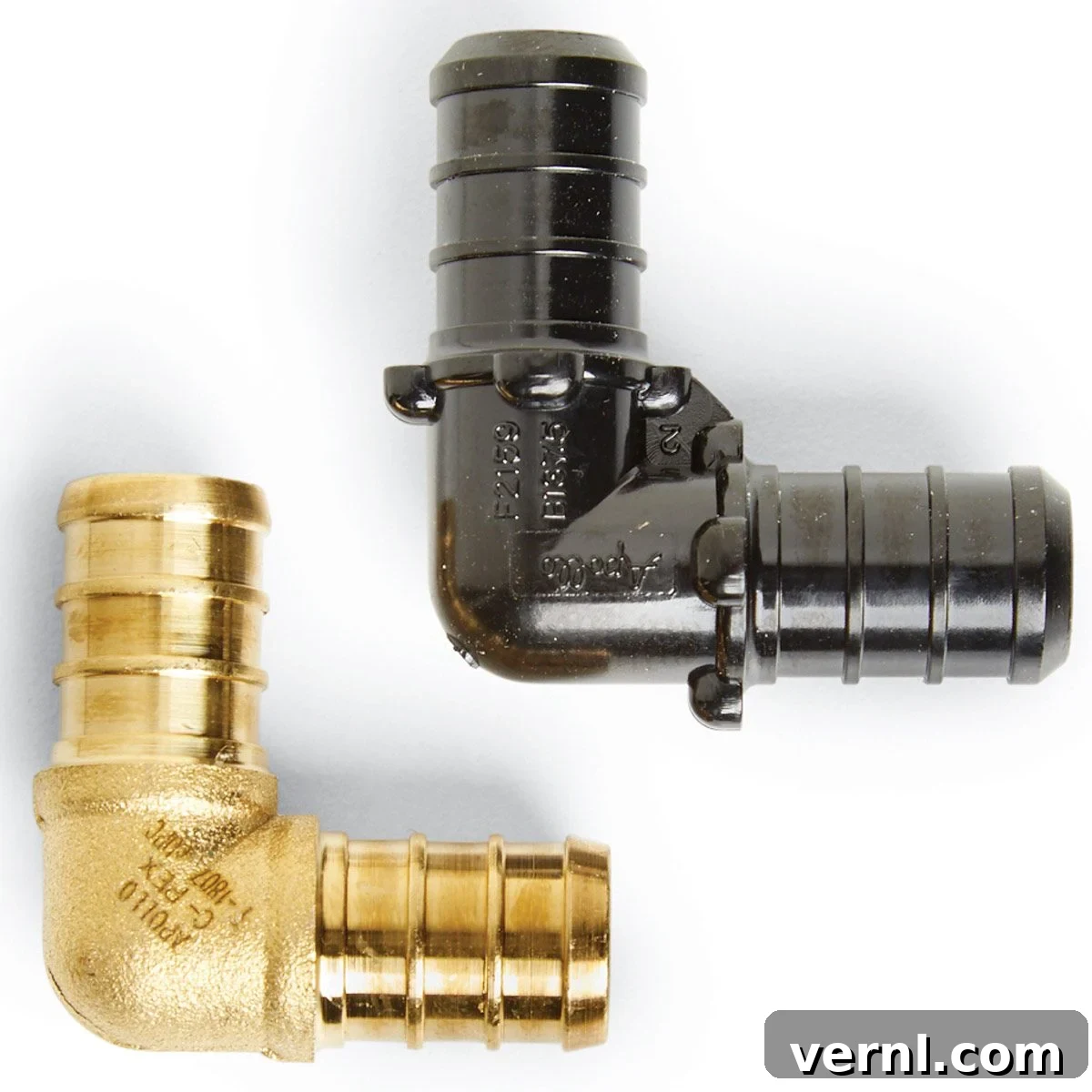
Choosing the right materials for any plumbing project is paramount for ensuring longevity, reliability, and cost-effectiveness. In modern plumbing, PEX (cross-linked polyethylene) piping has revolutionized installations, offering flexibility, durability, and ease of use. However, a critical decision arises when selecting fittings to connect these pipes: should one opt for plastic PEX fittings or their brass counterparts? This seemingly simple choice can significantly impact the overall performance and cost of a plumbing system. While traditional wisdom often favored metal components for their perceived robustness, recent advancements and real-world data suggest that plastic PEX fittings are not only a viable alternative but, in many scenarios, a superior choice.
Understanding PEX Plumbing Systems
Before diving into the specifics of fittings, it’s essential to understand the foundation: PEX piping itself. PEX is a flexible plastic tubing that has rapidly gained popularity as a substitute for copper, PVC, and CPVC in both residential and commercial plumbing applications. Its key advantages include resistance to freezing, corrosion, scaling, and chlorine, alongside a much easier installation process due to its flexibility. The system relies on various types of fittings – connectors, elbows, tees – to create a complete and functional water distribution network. Historically, brass fittings were the standard, but the evolution of plastic polymers has paved the way for highly engineered plastic PEX fittings that challenge the old guard.
Plastic vs. Brass PEX Fittings: A Comprehensive Analysis
The debate between plastic and brass PEX fittings is multifaceted, encompassing factors such as cost, professional preference, reliability, installation considerations, and specific application requirements. Understanding these nuances is key to making an informed decision for any plumbing project.
Shifting Professional Preferences: The Rise of Plastic
One of the most compelling indicators of the changing landscape is the observable shift in purchasing habits among professional plumbers. Industry reports and distributor data consistently reveal that plumbing professionals are increasingly selecting plastic PEX fittings over brass. This isn’t merely a minor trend; purchasing patterns indicate that plastic fittings are bought at a rate three times greater than brass. This significant adoption rate among experts, who rely on reliable materials for their livelihoods and reputations, speaks volumes about the perceived quality and performance of plastic PEX. This shift is not arbitrary; it’s driven by a combination of factors including evolving material science, easier installation, and consistent field performance.
Economic Advantages: Cost-Effectiveness and Value
Economics invariably play a crucial role in material selection, and here, plastic PEX fittings offer a distinct advantage. Brass fittings, even lead-free versions, typically come with a significantly higher price tag – often costing approximately five times more than their plastic equivalents. For plumbers who often bear the upfront cost of materials or for homeowners looking to manage project budgets, this price difference can be a decisive factor. Beyond the initial purchase price, the lighter weight of plastic fittings can reduce shipping costs for large orders, and their ease of handling can lead to faster installation times, further contributing to overall project savings. Over the lifespan of a plumbing system, these cost efficiencies can be substantial, making plastic a highly attractive option for both new constructions and renovations.
Unwavering Reliability and Trust
The growing adoption of plastic fittings is not solely a matter of cost; it’s fundamentally rooted in trust and proven reliability. Professional plumbers prioritize the longevity and dependability of their installations to minimize costly callbacks for repairs and protect their hard-earned reputation. The increasing preference for plastic PEX fittings signifies a broad professional trust in their durability and consistent performance over time. This confidence is further underscored by manufacturers, who frequently provide warranties for plastic fittings that are comparable to, and often identical with, those offered for brass fittings. This parity in warranty coverage is a strong testament to the manufacturers’ belief in the robust nature and long-term viability of their plastic products.
Key Reliability Aspects of Plastic PEX Fittings:
- Corrosion Resistance: Unlike brass, which can be susceptible to dezincification (a form of corrosion where zinc is leached out, leaving a weakened copper structure) or other forms of chemical degradation depending on water chemistry, plastic PEX fittings are inherently resistant to corrosion. This ensures cleaner water and a longer service life, particularly in areas with aggressive water conditions.
- Scaling Prevention: The smooth interior surface of plastic PEX fittings is less prone to mineral buildup and scaling compared to metal fittings, which can eventually restrict water flow and reduce system efficiency.
- Freeze Damage Resistance: While PEX pipes themselves are flexible and resistant to bursting from freezing, plastic fittings also exhibit excellent performance in cold conditions, contributing to the overall integrity of a freeze-resistant system.
- Chemical Resistance: Modern plastic polymers used in PEX fittings are engineered to withstand a wide range of chemicals commonly found in domestic water supplies, ensuring stability and preventing degradation over time.
Enhanced Installation and Flow Characteristics
Beyond cost and reliability, plastic PEX fittings often offer advantages during the installation process. They are typically lighter, making them easier to handle and maneuver in tight spaces. The connection methods for PEX, such as crimp, cinch, or expansion, are often simpler and faster with plastic fittings, reducing labor time. Furthermore, the smooth interior walls of plastic fittings contribute to better flow characteristics. A smoother surface reduces friction, potentially leading to less pressure drop across the fitting compared to some brass fittings, which can have slightly rougher interiors or more abrupt changes in flow path. This can translate to improved water pressure and overall system efficiency.
Specific Considerations and Exceptions for Material Choice
While plastic PEX fittings offer numerous advantages and are suitable for the vast majority of plumbing applications, there are specific scenarios where metal fittings remain the mandatory or preferred choice. It’s crucial for plumbers and DIY enthusiasts alike to understand these limitations to ensure code compliance and system integrity.
UV Light Exposure: A Critical Limitation for Plastic
- The Problem: Plastic materials, including PEX, are susceptible to degradation when exposed to ultraviolet (UV) light for extended periods. UV radiation breaks down the polymer chains, leading to brittleness, discoloration, and a significant reduction in the material’s structural integrity and lifespan. This process can compromise the fitting’s ability to maintain a watertight seal and withstand pressure.
- The Solution: In situations where fittings might be directly or indirectly exposed to UV light – such as in outdoor plumbing installations, exposed runs in attics with skylights, or areas near windows where direct sunlight can consistently reach the pipes – metal fittings are mandatory. Brass or other UV-resistant metal fittings provide the necessary durability and protection against environmental degradation.
Proximity to High-Heat Sources: Temperature Limits
- The Problem: Plastic pipes and fittings, including PEX, have temperature limitations. While PEX is designed for hot water distribution, its performance can degrade at extremely high temperatures. Proximity to certain heating devices can expose the fittings to radiant heat or conductive heat beyond their rated capacity, potentially leading to softening, deformation, or weakening of the material. This could compromise the integrity of the fitting and lead to leaks or catastrophic failure.
- The Solution: Building codes and manufacturer guidelines universally stipulate that plastic pipes and fittings should not be used within a certain distance of water heating devices, typically 18 inches. This exclusion zone ensures that the PEX system is not subjected to temperatures that could exceed its operational limits. For these specific connections directly to water heaters, boilers, or other high-temperature appliances, brass or other appropriate metal fittings are required. This ensures a robust connection capable of withstanding the localized heat.
Other Niche Scenarios for Metal Fittings:
- Transition Connections: When transitioning from existing metal piping (like copper or galvanized steel) to a new PEX system, specialized brass transition fittings are often employed. These fittings are specifically designed to create a secure and compatible connection between dissimilar materials.
- High-Stress or Impact Zones: In some commercial or industrial settings where fittings might be subjected to unusually high mechanical stress or potential physical impact, the inherent rigidity and strength of brass might be preferred for added protection, although such scenarios are less common in typical residential plumbing.
The Indispensable Role of Local Building Codes and Standards
Regardless of the general advantages or disadvantages of plastic versus brass, the most critical factor in any plumbing installation is adherence to local building codes and industry standards. These regulations are in place to ensure public safety, system reliability, and environmental protection. Before making any final decision on fitting materials, it is absolutely essential to:
- Consult Local Authorities: Always check with your local building department or a licensed plumbing inspector. Codes vary significantly by region, and what is acceptable in one area may be prohibited in another.
- Review Manufacturer Specifications: Adhere strictly to the installation guidelines and specifications provided by the PEX piping and fitting manufacturers. Their recommendations are based on extensive testing and ensure proper product performance.
- Verify Certifications: Ensure that all PEX pipes and fittings carry relevant certifications (e.g., NSF, ASTM, CSA). These certifications indicate that the products have been tested and meet specific quality and performance standards.
Making the Informed Decision: Plastic or Brass PEX Fittings?
The plumbing landscape has undeniably evolved. While brass fittings have a long-standing history as a reliable staple, the advancements in material science and manufacturing processes have firmly established plastic PEX fittings as a highly competitive and often preferable alternative. The widespread adoption by plumbing professionals, compelling economic benefits, and comparable warranties all point to a paradigm shift in the industry.
However, an informed decision requires a balanced perspective. The choice between plastic and brass PEX fittings is not a one-size-fits-all scenario. It necessitates a careful evaluation of the specific requirements of each project, including environmental exposure, proximity to heat sources, budget constraints, and, most importantly, compliance with all local building codes and standards. By weighing these factors, homeowners and professionals can confidently select the fitting material that ensures a durable, efficient, and cost-effective plumbing system for years to come.