
Ultimate Guide to Storm Shelters and Safe Rooms: Your Family’s Essential Protection
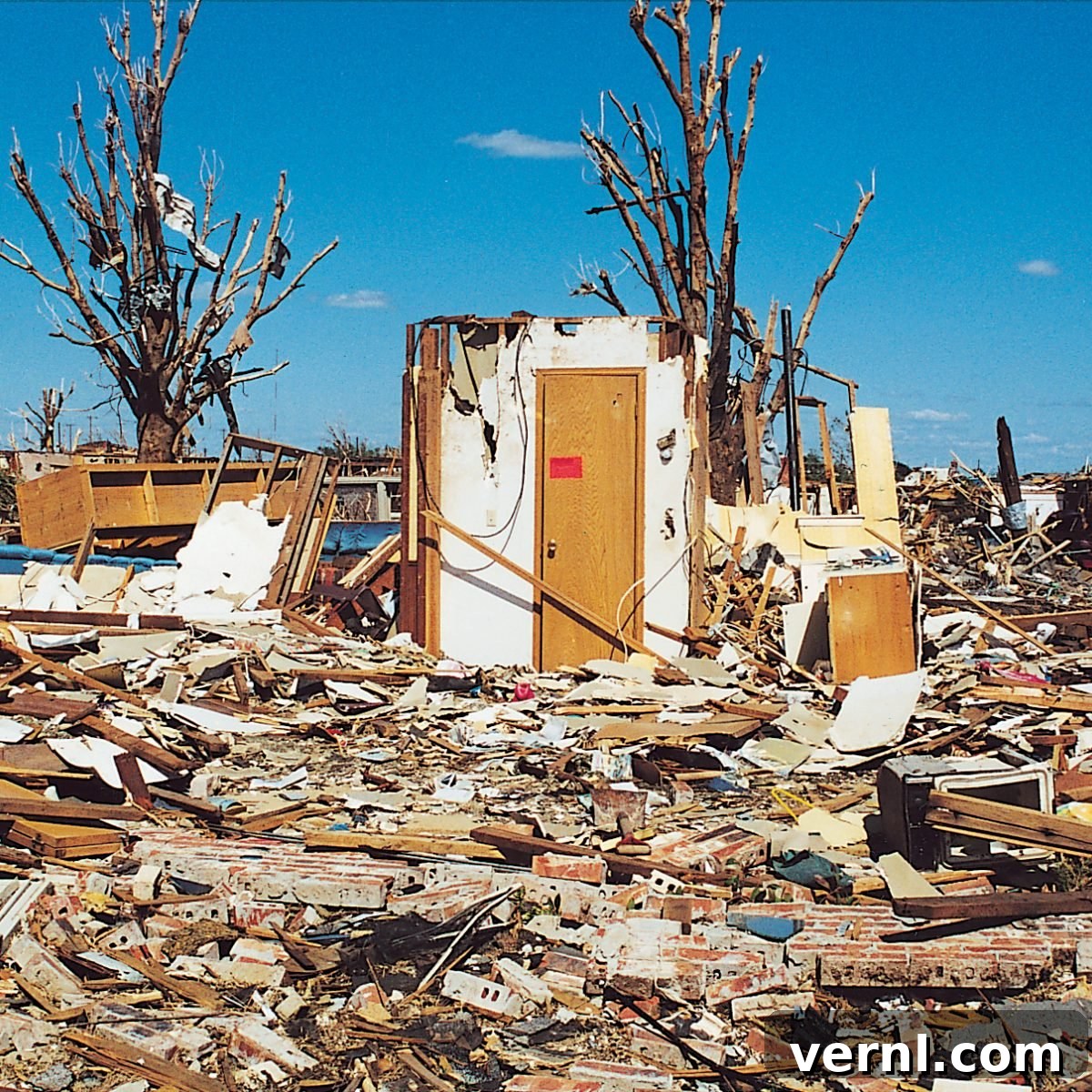
Living in areas prone to violent storms, such as the infamous “Tornado Alley” stretching across the central United States, brings with it a unique set of challenges and concerns. For residents of places like the Texas panhandle or any region frequently impacted by high-velocity winds and severe weather phenomena, the question isn’t just about preparing for a storm, but about surviving one. While traditional advice often suggests seeking refuge in an interior room or heading to a cellar, these areas, unfortunately, offer limited protection against the truly devastating forces of nature. This is where the crucial role of a dedicated storm shelter, often referred to as a safe room, becomes undeniably clear.
A purpose-built storm shelter is engineered to provide a haven of security when your home is under siege from extreme winds and the treacherous, wind-driven debris they carry. Unlike a standard interior closet or a basement not designed for storm impact, a certified safe room is a meticulously constructed fortress, separate from your home’s main structure, built to withstand the unimaginable. It’s an investment that offers not just physical protection but an invaluable sense of peace of mind, knowing that your family has the best possible chance of emerging unharmed from even the most powerful natural disasters.
The Indispensable Need for a Storm Shelter in High-Risk Zones
When a tornado or hurricane unleashes its fury, the conventional wisdom of retreating to an interior bathroom or a makeshift cellar often falls tragically short. Standard residential construction, typically featuring drywall over 2×4 framing, is simply not designed to resist the catastrophic power of winds exceeding 100 mph, let alone the destructive force of flying debris. Imagine a simple 2×4 stud becoming a projectile traveling at over 100 miles an hour—it can easily penetrate multiple layers of conventional building materials, even in the “safest” parts of a house.
The stakes are particularly high when dealing with extreme events like Force 5 tornadoes or Category 5 hurricanes. These monumental storms can generate sustained winds well over 200 mph, capable of literally tearing a well-built house from its foundation and pulverizing its structure into a dangerous field of debris. In such scenarios, the false sense of security offered by an interior room can quickly turn into a grave danger. A properly designed and constructed tornado shelter is not merely an optional amenity; it is an essential safeguard that can spell the difference between life and death in a vulnerable high-wind zone.
Beyond Basic Protection: Understanding the Forces at Play
The destructive power of severe storms extends far beyond simple wind pressure. Tornadoes, in particular, involve complex phenomena like uplift, suction, and intense rotational forces that can cause structures to explode outwards. Hurricanes, while characterized by broader areas of high winds, also generate tremendous surge and rainfall, though storm shelters primarily address wind and impact threats. The primary cause of injury and fatalities in these events is often not the wind itself, but the impact from wind-driven projectiles – everything from roofing materials and tree branches to entire sections of homes. A dedicated storm shelter’s design specifically counters these impact forces, offering a robust shield that conventional construction cannot replicate.
An Investment in Safety: Affordability and Long-Term Value
Many homeowners are under the impression that building a robust storm shelter or safe room requires a prohibitive financial outlay. However, this is often not the case. While costs can vary significantly based on size, materials, and whether you opt for a DIY approach or professional installation, a protective shelter is often far more affordable than one might assume. The initial investment, paired with a bit of “elbow grease” for those inclined to tackle construction themselves, can all but guarantee your family’s injury-free survival in the face of any storm that might sweep through your region.
Consider the alternative: the potentially astronomical costs associated with property damage, medical bills from injuries, and the emotional toll of losing cherished possessions or, worse, loved ones. When weighed against these devastating possibilities, the cost of a storm shelter emerges as a prudent and profoundly valuable investment in your family’s future and well-being. Furthermore, in many high-risk areas, local and federal programs, such as those offered by FEMA, may offer grants or financial assistance to help offset the cost of installing a safe room, making this vital protection even more accessible.
Maximizing Utility: The Multi-Functional Safe Room
One of the most appealing aspects of a well-designed safe room is its versatility. Far from being a bunker used only during emergencies, a storm shelter can seamlessly integrate into your home or property, serving multiple practical purposes in its everyday life. This dual functionality ensures that your investment provides continuous value, rather than sitting idle for most of the year.
Integrated Home Uses:
- Storage Room: A safe room’s secure and often climate-controlled environment makes it ideal for storing valuable or sensitive items. Think emergency supplies, seasonal decorations, important documents, or simply general household clutter you want to keep organized and protected.
- Walk-in Closet: For those with ample space, a safe room can be designed as an oversized walk-in closet, providing unparalleled protection for your wardrobe and personal effects. The sturdy construction also offers an added layer of security against theft.
- Bathroom: With careful planning for plumbing and ventilation, a safe room can function as a secondary bathroom, adding convenience to your home while retaining its primary emergency function.
- Pantry: Its cool, dark, and secure nature makes a safe room an excellent choice for a pantry, especially for bulk food storage or emergency food supplies.
- Home Office or Study: While less common, the quiet and secure nature could even allow for a small, fortified home office, providing a peaceful workspace with unparalleled safety.
Outdoor and Security Applications:
- Yard or Storage Shed: When constructed outside the main dwelling, a standalone safe room can double as an incredibly durable and secure shed for garden tools, outdoor equipment, or other items that need robust protection from both weather and theft.
- Secure Vault: Perhaps one of the most compelling secondary uses is its function as a vault. The formidable construction designed to withstand extreme forces also makes it impervious to typical break-in attempts. This provides an ideal secure location for precious valuables, sensitive documents, firearms, expensive equipment, or family heirlooms, offering peace of mind not just from storms but from other potential threats as well.
Storm Shelter Design Options: Engineering for Extreme Safety
The core principle behind all effective storm shelter designs is the creation of a room that is entirely independent of the main house structure and robustly anchored to a concrete slab. This critical independence ensures that even if the surrounding home collapses or is swept away, the shelter remains intact and secure. Beyond structural integrity, a paramount requirement is a tough, impact-resistant shell. This shell is specifically engineered to shield occupants from the aforementioned wind-blown debris, which, statistically, accounts for the vast majority of storm fatalities and injuries.
Diverse Materials for Ultimate Protection
While the wood/steel sandwich design we often highlight is a popular and effective choice for DIY enthusiasts, the world of storm shelter construction employs a variety of equally robust materials, each with its own advantages:
- Poured Reinforced Concrete: Widely regarded as the gold standard for strength and durability, poured reinforced concrete shelters offer exceptional resistance to impact, wind, and even fire. Their installation typically requires professional contractors due to the complexity of formwork and pouring.
- Reinforced Concrete Block: Similar to poured concrete in its protective qualities, shelters built with reinforced concrete block utilize rebar and grout within the block cores to create a strong, resilient structure. This can be a more labor-intensive DIY option but still benefits from professional oversight.
- Fiberglass: Often used for pre-fabricated, underground units, fiberglass shelters are lightweight, impervious to rot and rust, and highly resistant to moisture. They offer a quick installation solution, often involving simply dropping the unit into an excavated hole.
- Welded Solid Steel: Offering immense strength and security, solid steel shelters are typically prefabricated off-site and then installed. They are excellent for both above-ground and underground applications, providing a completely enclosed, unyielding space.
For specialized materials like poured concrete, fiberglass, or welded steel, homeowners typically engage a certified contractor or purchase a pre-engineered kit. These options often come with professional installation services, ensuring adherence to stringent safety standards and building codes.
Prebuilt Units: Convenience Meets Strength
Another increasingly popular option includes prebuilt, one-piece steel or modular cast concrete units. These innovative solutions can be delivered to your site and either dropped into a pre-excavated hole for an underground shelter or integrated into a home during its construction phase. The sheer strength and integrity of these units mean that even if the house around the safe room disintegrates in the teeth of a powerful tornado, its occupants will remain snug and safe inside (though perhaps profoundly scared!). This method significantly simplifies the construction process while delivering maximum protection.
While the concept of standardized safe rooms and storm tornado shelters is still evolving, driven by ongoing research and advancements in materials science, the designs available today are incredibly effective. The DIY-friendly wood/steel design often showcased is among the sturdiest and most accessible options, suitable for installation in most basements, large garages, or even as a standalone structure outside on a separate concrete slab. For exterior installations, the basic structure needs the addition of a roof and appropriate siding to protect it from the elements, transforming it into a fully functional and secure outdoor safe room.
Designing Your Storm Shelter: Key Considerations for Optimal Safety
When embarking on the design phase for your storm shelter or safe room, flexibility in size is certainly an advantage. However, this flexibility must always be guided by stringent structural specifications, particularly those detailed in official publications like the FEMA P-320 booklet, “Taking Shelter from the Storm: Building a Safe Room for Your Home or Small Business.” Adhering to these federal guidelines is not just recommended; it is paramount to ensuring the shelter will perform as intended during a severe weather event.
When planning the dimensions and layout, several critical factors should influence your decisions:
- Available Space: Assess where the shelter will be located—basement, garage, or outside—and how much footprint is realistically available.
- Number of Occupants: Consider the maximum number of people (and pets) you anticipate needing to shelter. FEMA guidelines typically recommend a minimum of 6-10 square feet per person, but more space is always better for comfort during extended waits.
- Secondary Purpose: As discussed, what other function will the room serve? This will impact layout, internal fixtures, and overall size.
- Budget: Naturally, your financial allocation will play a significant role in material choices, size, and whether you undertake a DIY project or hire professionals.
The Anatomy of an Impact-Resistant Shelter Wall
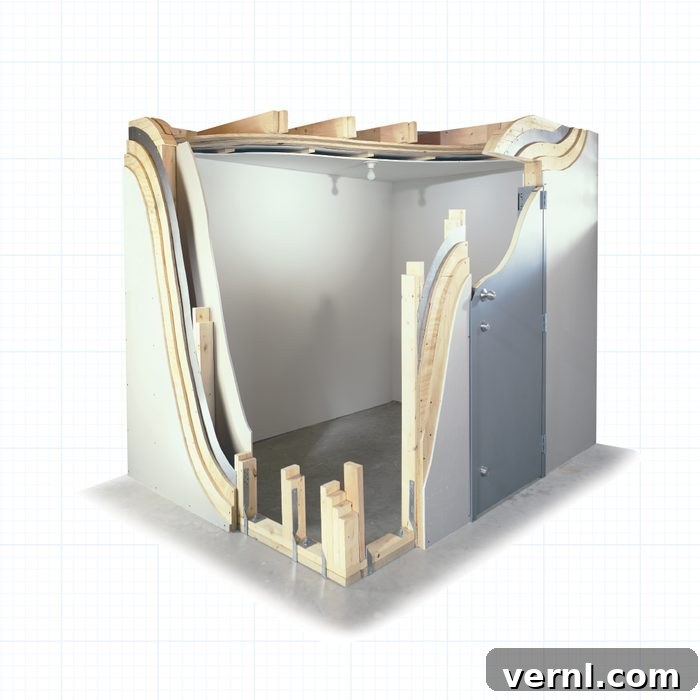
The protective “sandwich skin” construction of a storm shelter’s walls and ceiling is a testament to clever engineering designed to diffuse and absorb extreme forces. This design typically incorporates at least two layers of plywood, strategically oriented with their grain directions opposite to each other. This cross-grain configuration significantly enhances the panel’s ability to absorb the initial impact of flying objects, distributing the force across a larger area and preventing penetration.
Crucially, on the interior or “safe side” of the room, an additional layer of robust 14-gauge steel is installed. This steel layer acts as the ultimate barrier, further blocking any debris that might manage to compromise the plywood layers. The combination of flexible, energy-absorbing plywood with the rigid, impenetrable steel creates a formidable defense against projectiles, ensuring the safety of those inside.
Strategic Construction for Enhanced Security and Ease
For optimal construction ease and structural integrity, the sandwiched skin layers (plywood and steel) should ideally be installed on the outside surface of the wall studs. This configuration offers several distinct advantages:
- Easier Electrical Installation: By placing the steel layer on the exterior, you can run electrical wires and install outlet boxes and light fixtures within the stud cavities without the arduous task of cutting through steel. This simplifies the wiring process immensely for DIY builders.
- Enhanced Interior Customization: It allows for the easy fastening of an optional cosmetic layer of drywall or other finishes directly to the plywood on the outside, and to the studs on the inside. This way, your safe room can blend seamlessly with the aesthetic of your home while maintaining its impenetrable core.
The integrity of the entrance is just as critical as the walls and ceiling. A purpose-built storm shelter door must be a solid steel door, mounted within a heavy-duty steel frame. This door should feature at least three deadbolts, strategically located opposite robust, heavy-duty hinges. This design ensures that the door not only withstands direct impact but also resists the immense forces that would otherwise try to rip it from its frame. Such a meticulously engineered entrance will allow only people and pets into the room, effectively barring the entry of any door-busting debris and securing your family’s safety.