
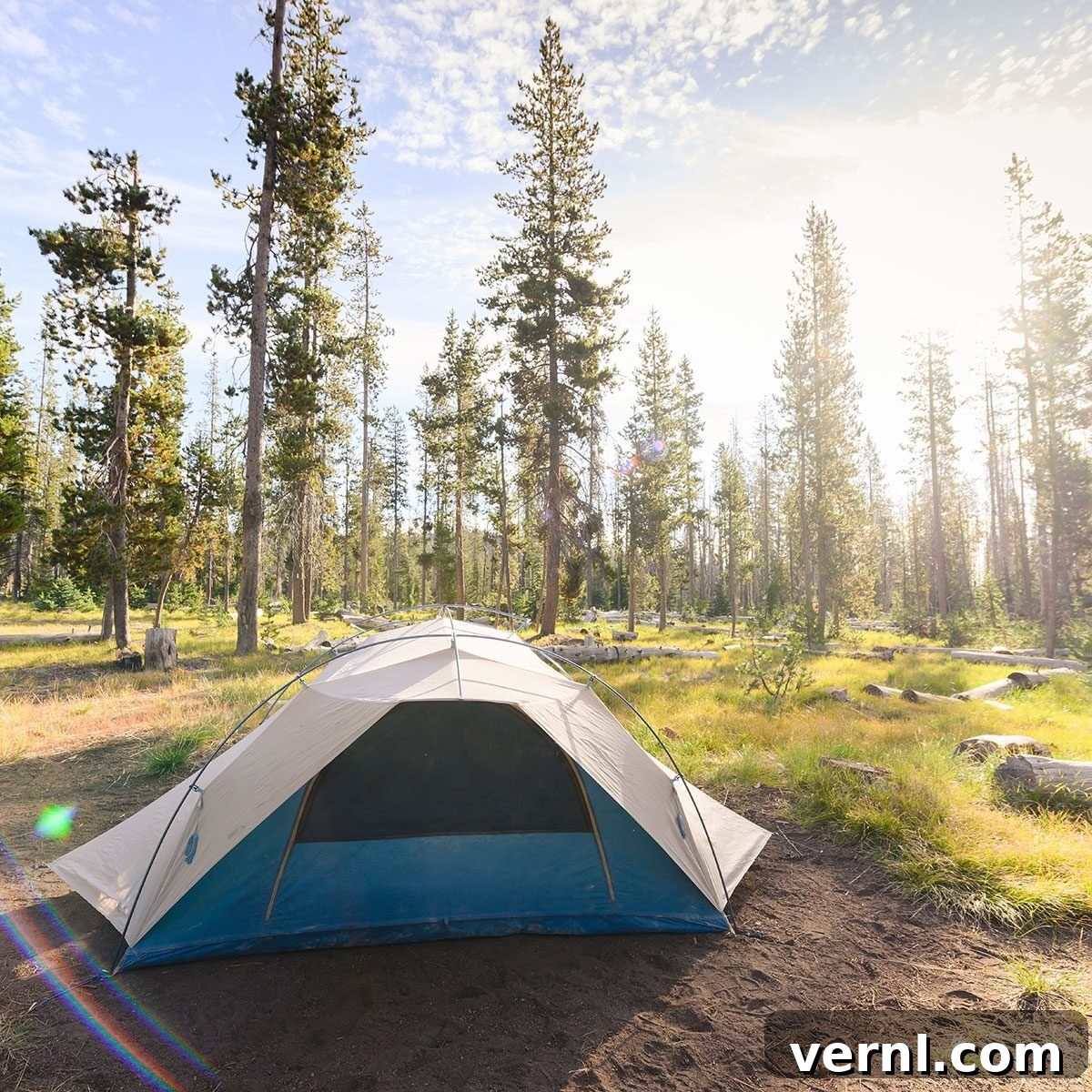
As the vibrant hues of late summer paint the landscapes, the call of the wild remains irresistible for many eager campers. However, this beautiful season often brings with it the challenge of extreme heat waves, transforming what should be a refreshing escape into an uncomfortable or even perilous experience. For outdoor enthusiasts, a crucial question arises: How hot is truly too hot for camping?
While this query might seem straightforward, a safe and enjoyable camping trip in warmer months requires considering much more than just the number displayed on a thermometer. A comprehensive assessment involves evaluating various environmental factors and understanding their combined impact on human physiology. This guide will delve into critical metrics for determining camping safety in elevated temperatures and provide actionable strategies to keep cool and comfortable when camping in hotter weather conditions.
Understanding Dangerous Temperatures for Camping
Defining ‘too hot’ for camping isn’t an exact science, as individual tolerance and specific conditions vary. However, expert consensus and health guidelines provide valuable benchmarks. According to the National Weather Service, outdoor temperatures generally become dangerous for humans when the heat index reaches 103 degrees Fahrenheit (approximately 39.4 degrees Celsius). This threshold signals a significant risk of heat-related illnesses.
However, most seasoned outdoor experts and experienced campers advocate for a more cautious approach. They strongly recommend reconsidering or postponing a camping trip even before temperatures climb into the triple digits. Resources like Outdoor Know How and Decide Outside suggest that daytime temperatures around 95 degrees Fahrenheit (35 degrees Celsius) and nighttime lows hovering around 80 degrees Fahrenheit (26.7 degrees Celsius) are already pushing the limits for safe and enjoyable camping. At these temperatures, not only does the risk of heat exhaustion and heatstroke escalate dramatically, but other critical concerns also emerge, such as significantly increased wildfire risk and profound difficulty achieving restful sleep, which further compromises safety and well-being.
The physiological stress placed on the body in extreme heat can lead to a cascade of problems. The body struggles to dissipate heat effectively, leading to dehydration, electrolyte imbalance, and potentially severe organ damage. Children, the elderly, and individuals with pre-existing health conditions are particularly vulnerable to these risks.
Beyond the Thermometer: Crucial Factors to Consider Before Camping
While the ambient temperature provides a foundational understanding of your potential camping experience, it’s merely one piece of a larger puzzle. To accurately assess the safety and comfort of a campsite, campers must also meticulously evaluate several other environmental elements: humidity levels, the site’s exposure to direct sunlight, and the availability of water resources.
The Impact of Humidity: The Heat Index Explained
The common refrain, “It’s not the heat, it’s the humidity,” holds significant scientific truth. Humidity profoundly influences how the human body perceives and reacts to heat. According to the National Weather Service, to gain the most accurate understanding of how hot it truly feels and the associated danger, it’s essential to combine the actual air temperature with the relative humidity into a single metric: the “heat index.” Some sources, such as The Camping Air Conditioner, also refer to a similar concept as the “wet-bulb temperature,” which is critical for determining survivability thresholds in extreme conditions.
The heat index quantifies how hot it feels to the human body when both temperature and humidity are factored in. High humidity prevents sweat from evaporating efficiently from the skin, which is the body’s primary cooling mechanism. When sweat can’t evaporate, the body’s core temperature rises, making even moderate temperatures feel oppressively hot and significantly increasing the risk of heat-related illnesses like heat exhaustion and heatstroke.
To determine the heat index for your chosen camping location, consult this comprehensive chart from the National Weather Service, or utilize reputable weather applications such as Weather Bug. It is imperative to exercise extreme caution with any heat index reading exceeding 103 degrees Fahrenheit (39.4 degrees Celsius), as this indicates a severe danger level. Furthermore, it’s crucial to remember that these heat index values are typically calculated for shaded conditions. The National Weather Service explicitly states that “If you are exposed to direct sunlight, the heat index value can be increased by up to 15 degrees.” This significant jump underscores the importance of seeking shade, as direct sun exposure can dramatically amplify perceived temperatures and health risks.
Site Exposure: Sun, Shade, and Wind
The amount of direct sun exposure at your chosen campsite will dramatically alter how a given temperature feels and its potential impact on your well-being. A 90-degree Fahrenheit (32.2 degrees Celsius) day will feel significantly different in an open, arid meadow baking under relentless sunshine compared to a densely shaded grove where a gentle breeze provides natural cooling. Understanding your site’s exposure is paramount for safe summer camping.
Before embarking on your trip, thoroughly research your prospective camping site. Scrutinize online photos and maps to identify any naturally shaded areas, such as those provided by large trees or topographical features. Modern weather applications can also provide valuable information regarding expected wind conditions, which can offer significant relief by enhancing evaporative cooling. When setting up camp, strategically position your tent, cooking area, and relaxation spots in these shaded zones, considering the sun’s movement throughout the day to optimize coverage.
The specific type of camping you plan will also play a role in your sun exposure. If you are staying in an RV or a fully equipped camper, your exposure to the elements will naturally be mitigated by the vehicle’s structure and often by air conditioning. However, for those opting for traditional camping tents, direct sun exposure becomes a much more pressing concern. Tent materials can absorb and trap heat, turning your temporary shelter into an oven if not carefully positioned and ventilated.
Access to Water: Hydration and Cooling
The availability and accessibility of water will profoundly influence the comfort and safety of your camping experience, especially in hot conditions. Imagine a 95-degree Fahrenheit (35 degrees Celsius) day: if your campsite is nestled beside a refreshing, swimmable lake or offers convenient access to cool showers, your ability to manage the heat and remain comfortable will be dramatically enhanced. Conversely, a remote site without easy water access presents a far greater challenge and risk.
Beyond simply drinking water, medical experts, including Healthline, emphasize the therapeutic benefits of quick plunges or dips in cool water as an effective method for rapidly lowering body temperature. Whether this means taking a cool bath, a refreshing shower, or submerging yourself in a natural body of water like a lake or stream, these brief exposures can provide significant relief and prevent overheating. It’s crucial to differentiate these cooling practices from extreme ice baths, which involve water temperatures as low as 50 degrees Fahrenheit (10 degrees Celsius).
Ice baths are a specialized recovery technique and should not be attempted without the direct supervision and guidance of a qualified physical therapist or athletic trainer. For individuals not accustomed to such extreme cold exposure, ice baths can be dangerous, potentially leading to hypothermia or cardiovascular stress. For general cooling during hot weather camping, aim for comfortably cool, not icy, water. Always ensure any natural water source is safe for swimming or immersion and be aware of any currents or hazards.
Mastering the Heat: Practical Strategies for Cool Camping
If, after careful consideration, you decide to proceed with camping in high temperatures, meticulous preparation and adherence to proper precautions are absolutely essential. Following these practical strategies will help ensure your comfort, protect your health, and prevent serious heat-related illnesses, such as heatstroke, for yourself and everyone in your party:
- Pack Wisely and Lightly: Your packing list for hot weather camping needs careful thought. Foremost, ensure you have a comprehensive first aid kit equipped to handle heat-related issues. Pack an abundance of food that is easy to digest and hydrating, alongside a generous supply of water (far more than you think you’ll need). Consider bringing a portable, battery-operated fan or a mister to create your own personal cool zone. However, if your campsite requires a hike, prioritize packing lightly to minimize physical exertion and unnecessary stress on your body, especially during the hottest parts of the day. Essential items like cooling towels and electrolyte supplements should also be high on your list for effective heat management.
- Hydrate Consistently and Strategically: Adequate hydration is the single most critical factor in combating heat. A good rule of thumb is that one adult camper typically requires at least one gallon (approximately 3.8 liters) of drinking water per day, and often more in extremely hot or active conditions. The key is consistent, small sips throughout the day, rather than attempting to chug large quantities all at once. This steady intake allows your body to absorb water more efficiently and maintain proper hydration levels. Incorporating electrolyte-rich drinks or supplements is also highly recommended, as sweating depletes essential salts and minerals that plain water cannot replace. Watch for early signs of dehydration, such as increased thirst, dark urine, or dizziness.
- Dress Appropriately for Sun and Heat: Your clothing choices can significantly impact your body’s ability to regulate temperature. Opt for light-colored, loose-fitting layers made from breathable, moisture-wicking fabrics like linen, cotton, or specialized synthetics. These materials allow air to circulate and sweat to evaporate more effectively. Prioritize clothing that offers extensive sun coverage, such as long sleeves and wide-brimmed hats, to protect your skin from direct UV radiation. Regularly apply a broad-spectrum sunscreen with a high SPF, and reapply it often, especially after sweating or swimming. Consider UPF-rated clothing for an extra layer of sun protection.
- Strategically Seek Out Shade: Shade is your best friend in hot weather. When you arrive at your campsite, meticulously assess the sun’s path and plan your setup accordingly. Position your tent, camping chairs, and dining area in the densest available shade, whether it’s from natural tree cover or artificial tarps you’ve brought. Pay attention to how the sun moves throughout the day and be prepared to adjust your setup or move your activities to maintain optimal coverage. Creating a shaded canopy over your tent during the day can significantly lower its internal temperature.
- Optimize Your Tent for Cooler Sleep: Your tent can quickly become a heat trap if not managed correctly. Maximize ventilation by fully opening all mesh windows and vents to encourage airflow. If conditions allow and there’s no threat of rain or heavy dew, consider removing the rain fly completely. The rain fly, while essential for protection, can effectively lock heat inside the tent, turning it into a sauna. Choose a tent with ample mesh for cross-ventilation, and if possible, set it up on higher ground or where a breeze is most likely to pass through. Reflective covers placed over the tent can also help deflect sunlight.
- Avoid Strenuous Activity During Peak Heat: High heat is not the time to challenge yourself with demanding physical activity. Postpone any pro-level hikes, intense trail running, or heavy lifting until cooler temperatures prevail, ideally during the early morning or late evening hours. During the hottest parts of the day, prioritize low-impact activities like reading, playing board games, or simply relaxing in the shade. The goal is to minimize sweating to conserve body fluids and avoid placing undue strain on your cardiovascular system. If you must engage in any physical activity, do so slowly, take frequent breaks, and immediately replace any water and electrolytes lost.
- Know the Signs of Heat Sickness and Emergency Protocols: Education is your first line of defense against heat-related emergencies. Before your trip, thoroughly familiarize yourself with the signs and symptoms of dehydration, heat exhaustion, heatstroke, and sunstroke. These conditions can progress rapidly and become life-threatening. Consistently monitor yourself and every member of your party for these warning signs. Symptoms of heat exhaustion include heavy sweating, weakness, cold/clammy skin, faintness, and nausea. Heatstroke, a severe medical emergency, is characterized by a very high body temperature (above 103°F), red/hot/dry skin (or sometimes damp), a rapid pulse, confusion, and loss of consciousness. If you suspect heatstroke, call for emergency help immediately, move the person to a cooler place, and begin cooling efforts (e.g., cool cloths, fanning). Always ensure you remain within range of reliable cell service or have an alternative communication device in case of an emergency.
By diligently adhering to these guidelines and preparing thoroughly, you can transform a potentially challenging hot-weather camping trip into a safe, comfortable, and memorable outdoor adventure. Prioritizing safety and well-being will allow you to fully enjoy the beauty of nature, even when the temperatures rise.