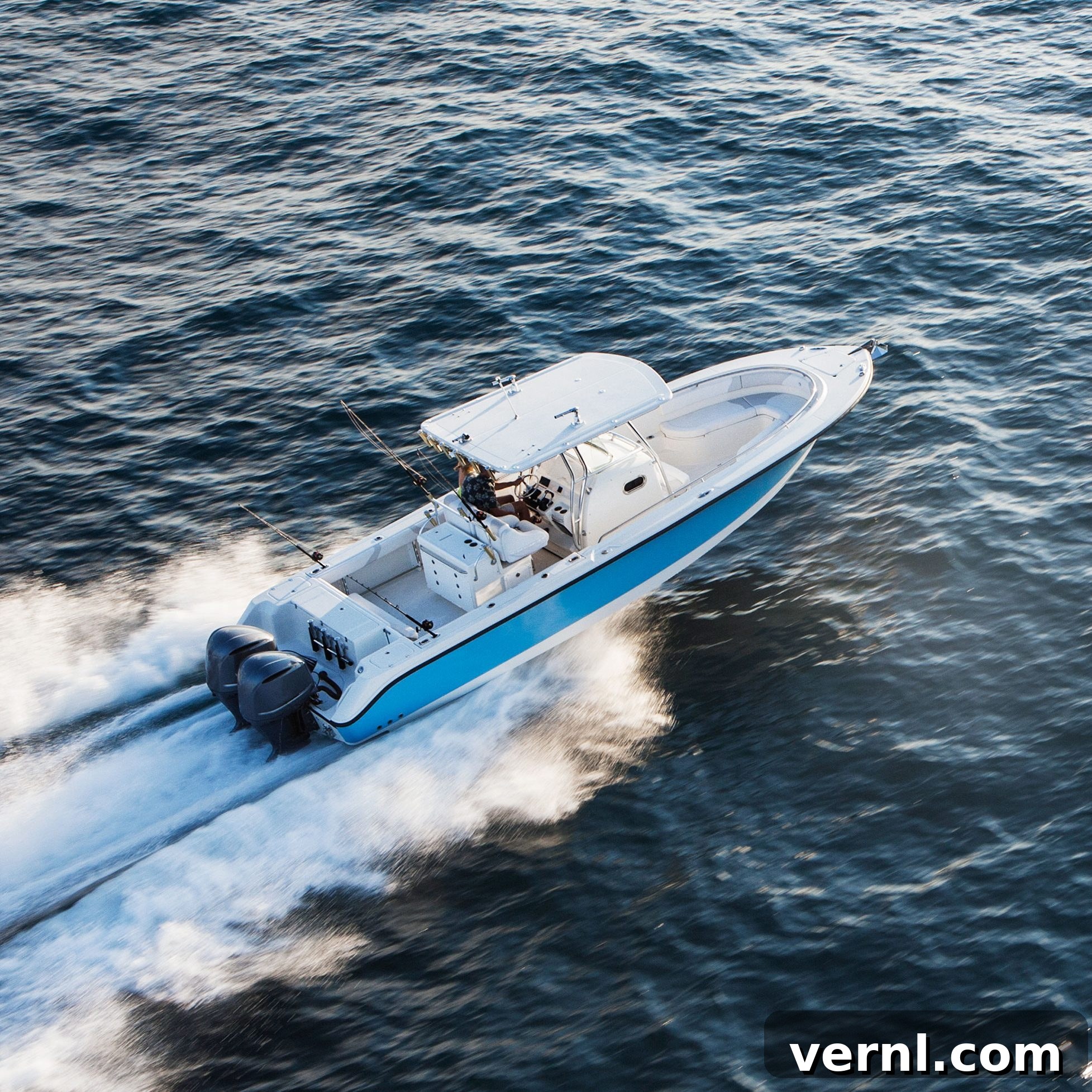
There’s an undeniable allure to owning a boat – the freedom of open water, the thrill of exploration, and the peace of escaping the everyday grind. After envisioning endless days of sun on your face and wind in your hair, you’ve likely decided that a boat is indeed in your future. While new boat sales have soared, leading to scarce inventory and higher prices, the pre-owned market presents an excellent opportunity to dive into boating without breaking the bank. However, buying a used boat requires careful consideration and a thorough inspection to ensure your dream doesn’t turn into a costly nightmare. This comprehensive guide will walk you through everything you need to know before making your purchase, ensuring you find a reliable vessel that promises years of enjoyment on the water.
Opting for a used boat can be a smart financial decision, but it comes with the responsibility of assessing its true condition. Unlike new boats, which come with warranties and pristine systems, pre-owned vessels carry the history of their previous owners, including their maintenance habits and any potential mishaps. A meticulous inspection of various components, from the hull to the engine and electronics, is paramount. By understanding what to look for, you can identify red flags, negotiate effectively, and ultimately invest in a boat that is safe, seaworthy, and ready for adventure. Let’s explore the essential areas you must examine to make an informed decision.
Title and Registration: The Foundation of Ownership
The first and most critical step in buying any used boat is verifying its legal documentation. Without proper title and registration, you could face significant legal hurdles, ownership disputes, or even the possibility that the boat was stolen. When purchasing from a reputable marina or dealership, you can generally expect them to handle the necessary paperwork, providing you with a clear title and registration. These businesses operate under strict regulations and maintain transparent records for all their sales.
However, if you’re buying directly from a private seller, an extra layer of diligence is required. Always insist that the seller presents a valid registration card and a clear title, both bearing their name and current address. This ensures they are the legal owner and have the right to sell the vessel. The same stringent verification process applies to the boat trailer; it should also have its own registration and title documents. Verify that all serial numbers, including the boat’s Hull Identification Number (HIN), match the details on the registration and title. The HIN is a unique, 12-digit code typically found on the starboard side of the transom, and it’s crucial for tracking the boat’s history and verifying its identity. Discrepancies here are a major red flag.
Furthermore, if you plan to finance your used boat purchase, banks and lending institutions will require accurate registration and title information. A signed bill of sale is also indispensable. This document should explicitly state the boat’s make, model, year, HIN, engine serial numbers, and the agreed-upon purchase price. It should also clearly outline any warranty coverage offered by the seller, even if it’s “as-is” with no warranty. Keep all these documents in a safe place, as they are your proof of ownership and crucial for future registration or resale.
Hull: The Boat’s Structural Integrity
The hull is the backbone of any boat, providing buoyancy and structural integrity. Its condition is paramount to both safety and performance. A thorough inspection of the hull, both above and below the waterline, is absolutely essential. Start by looking for any visible defects such as dents, gouges, holes, or significant scratches. Pay close attention to areas that may have been repaired; while some repairs are cosmetic, extensive or poorly executed repairs can indicate more serious underlying structural issues or past collisions.
Fiberglass hulls, common in many recreational boats, can suffer from stress cracks, blistering (osmosis), and delamination. Small spiderweb cracks might be superficial gelcoat damage, but larger cracks that penetrate deeper could compromise the hull’s strength. Blistering, which appears as small bubbles on the hull’s surface, indicates water absorption into the fiberglass layers and can be an expensive fix. Check for any visible signs of previous repairs, such as variations in color or texture, which might hide deeper issues. For aluminum hulls, look for signs of corrosion, especially around rivets or welds, and examine for any bends or distortions that could affect performance or watertightness.
For older boats, particularly those with wooden components, the transom—the vertical section at the rear where the engine is mounted—is a critical inspection point. Wood transoms are susceptible to internal rot due to prolonged water exposure. You can often detect a weak or rotten transom by observing excessive movement when lifting the motor up and down or by pushing it forward and backward. Any significant give or soft spots indicates severe deterioration. Similarly, examine the stringers, which are longitudinal supports running the length of the hull, for signs of rot or damage. A structurally sound hull is non-negotiable for your safety on the water.
Deck: Surface and Substructure
After inspecting the hull, turn your attention to the boat’s deck, which is the platform you’ll be walking on and where much of the boat’s equipment is mounted. A thorough and unhurried inspection is key. Look for any signs of rot, cracks, dents, holes, or, most importantly, soft spots. When you press down on various areas of the deck with your hands or even tap with a rubber mallet, it should feel solid and firm, not mushy or spongy. Soft spots typically indicate water intrusion and core material (often plywood or balsa wood) deterioration, which can be an expensive and invasive repair.
Pay attention to areas around deck hardware such as cleats, stanchions, hinges, and grab rails, as these are common entry points for water if not properly sealed. Look for discoloration, swelling, or signs of plywood delamination, which can all point to hidden damage beneath the deck’s surface. Inspect the non-skid surfaces for excessive wear that could compromise safety. The seating and upholstery should also be checked for tears, excessive wear, mold and mildew, and sun damage. While upholstery can be replaced, its condition often reflects the overall care the previous owner gave the boat. If the hull and deck appear to be in good shape, proceed to carefully inspect the rest of the boat’s interior and systems.
Trailer: Your Boat’s Roadworthiness
For trailerable boats, the trailer itself is an integral part of the purchase and requires as much scrutiny as the boat. Many states mandate an annual safety inspection for boat trailers, so ensure the inspection sticker or placard is current and valid. Begin by inspecting the trailer’s frame for severe rust, especially around welds and structural points. Look for any signs of bending, twisting, or cracks that could compromise its integrity. The suspension system, including springs, axles, and hubs, should be free from excessive corrosion or damage. Test the brake system if applicable, ensuring it engages smoothly.
Tires are another critical component. Check for adequate tread depth, even wear, and any signs of dry rot, cracking on the sidewalls, or bubbles, which indicate internal damage. Don’t forget the spare tire! Next, focus on the wheel bearings. If possible, carefully remove the grease caps. The appearance of the grease can tell you a lot: silver-colored grease often indicates metal-on-metal wear and imminent bearing failure, while milky or brownish grease suggests water intrusion into the bearing hubs, which can lead to corrosion and failure. Check the trailer lights for proper function and the wiring for frays, cracks, or loose connections. Inspect the winch, strap, safety chains, and coupler to ensure they are all in good working order and securely attached. A faulty trailer can turn a fun day on the water into a dangerous towing nightmare.
Engine: The Heart of Your Boat
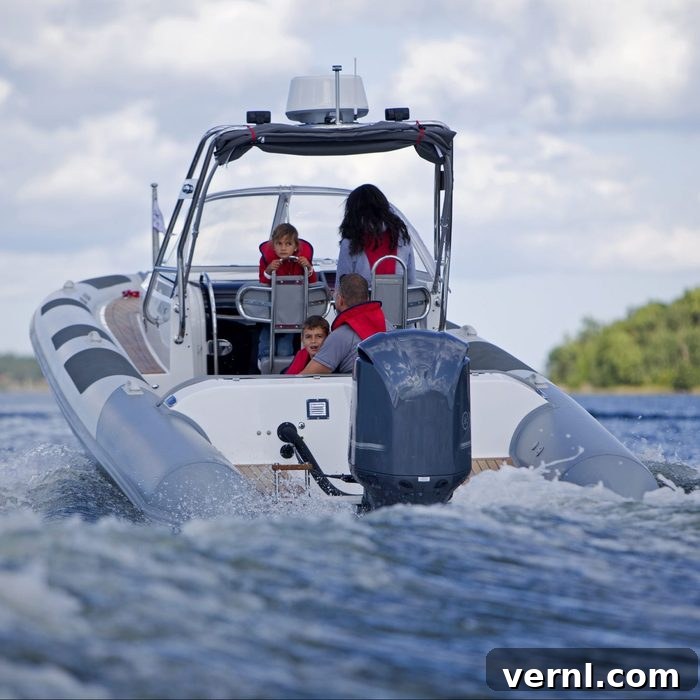
The engine is arguably the most complex and expensive component of any boat, making its thorough inspection paramount. Issues here can quickly negate any savings from buying used. Start your visual inspection under the engine cover: look for signs of corrosion, especially around electrical connections, hoses, and metal components. Check for fluid leaks (oil, coolant, fuel) that might indicate gaskets or seals are failing. Inspect all belts for deterioration, fraying, or cracks, and hoses for swelling, softness, or hard spots.
Request a cold start and observe the engine’s behavior. Does it start easily? Listen for any unusual noises like knocking, grinding, or excessive rattling. A smooth, consistent idle is a good sign. Ask the owner to run the engine at various RPMs, including full throttle, for at least 10 seconds, if conditions permit. During this test, monitor for excessive smoke (black, blue, or white smoke each indicates different problems), vibrations, or a rough running engine. A loose engine mount can also cause excessive vibration and noise. Rub a small amount of engine oil between your fingers to check for grit, moisture, or metallic dust, which could indicate internal wear.
For larger or more expensive boats, or if you’re not confident in your mechanical assessment skills, consider hiring a certified marine engine mechanic. They can perform a comprehensive diagnostic check, including compression tests, exhaust gas analysis, and a detailed examination of the cooling and fuel systems. A fluid analysis test (for engine oil, transmission fluid, and coolant) can reveal hidden internal issues that are impossible to detect with a physical inspection alone, potentially saving you from future catastrophic failures and expensive repairs.
Battery: Powering Your Adventures
A reliable battery system is crucial for starting your engine and powering all onboard electronics. Marine batteries typically have a lifespan of about five years, though this can vary depending on usage and maintenance. Begin your inspection by checking the battery terminals for corrosion (a white or green powdery buildup). Excessive corrosion can impede electrical flow and indicate poor maintenance or a charging issue. Look closely at the battery case for any cracks, bulges, or signs of leaking, which are clear indicators of a failing battery that could pose a safety hazard.
Most importantly, ensure the battery or batteries are securely anchored in their battery trays. A loose battery can shift during rough conditions, leading to short circuits, damaged terminals, or even a fire or explosion. Check the battery cables for fraying or damage and ensure all connections are tight. If multiple batteries are present, verify their type (starting, deep cycle, or dual-purpose) and how they are wired to ensure they meet the boat’s electrical demands. A failing battery can lead to frustrating breakdowns and potentially leave you stranded.
Starter Motor: Essential for Ignition
The starter motor is responsible for cranking the engine to get it running. A defective starter motor can leave you unable to start the boat, no matter how good the battery is. When attempting to start the engine, listen carefully. A healthy starter should engage quickly and turn the engine over smoothly. Warning signs of a failing starter include a rapid clicking sound (often indicative of a weak battery or solenoid issue), a slow or labored cranking, or a loud clanging, grinding, or high-pitched spinning/whizzing noise without the engine engaging. These sounds suggest internal component wear or damage.
Marine environments are harsh on electrical components. Water intrusion into the starter motor, especially if it cannot drain out effectively, can lead to corrosion and premature failure of internal components like the solenoid, brushes, or armature. Visually inspect the starter for external signs of corrosion or damage. If you hear any of these warning sounds, it’s a strong indicator that the starter motor is nearing the end of its life and will likely need replacement soon, a repair that can be costly and inconvenient.
Electronics: The Nervous System
Modern boats are equipped with an array of electronic systems, from navigation and communication to engine management and entertainment. While some minor electrical glitches are common and often easily fixed, widespread issues can signal a more profound problem with the boat’s wiring or electrical system. Test every electronic component individually: radios, GPS units, depth finders, radar systems, chartplotters, and all lights (navigation, anchor, cabin, bilge). Look for flickering lights, unresponsive controls, or inaccurate readings.
A crucial part of this inspection is examining the wiring itself. Look for melted or damaged insulation, which could indicate overheating or short circuits. Corroded wiring connections, often appearing as green or white powdery buildup, are a common cause of intermittent electrical problems and reduced performance. Excessive splices where wires have been repaired can also be warning signs of amateur work or ongoing issues. Marine-grade wiring and proper connections are essential for safety and reliability in a damp environment. Poorly maintained or faulty electrical systems can lead to system failures, battery drain, or even fire hazards.
Bellows: Stern Drive Protection
If the boat you’re considering has a stern drive (also known as an inboard/outboard drive), then the bellows are incredibly important. These rubber, accordion-like components protect critical control cables, mechanical linkages, and the drive shaft from dirt, debris, and, most importantly, water intrusion from the outside environment, all while allowing them to flex and move freely with the drive unit. Similar in function to the constant velocity (CV) joint boots on an automobile, once a bellows is damaged, expensive internal components are quickly exposed and will deteriorate rapidly, potentially leading to catastrophic failure or allowing water directly into the boat’s bilge.
Inspect the bellows carefully for any signs of cracks, splits, dry rot, or punctures. These can be difficult to spot if they are small, so bend and manipulate the bellows gently to expose any hidden damage. Also, check the clamps at both ends of the bellows to ensure they are tight and free from rust. Loose or corroded clamps can allow water to seep in, even if the bellows itself is intact. Replacing damaged bellows is a labor-intensive job, and neglecting them can lead to much more expensive repairs involving the gimbal bearing, U-joints, and shift cables. It’s often recommended to replace bellows every few years as a preventative maintenance measure, so inquire about their last replacement date.
Cables and Hardware: Control and Connection
The various cables and hardware on a boat are crucial for its operation, control, and securing. Inspect all control cables for the shifting, steering, and throttle systems. They should move smoothly and freely without any excessive resistance, stickiness, or binding. Look for signs of fraying, rust, or kinks in the cables, which can indicate impending failure or poor maintenance. Test the steering system from lock to lock to ensure smooth operation and no excessive play. If it’s a hydraulic steering system, check for leaks around the pump and cylinder.
Deck hardware, such as cleats, railings, stanchions, hinges, latches, and anchor winches, can be surprisingly expensive to repair or replace. Give all these components a good shake and pull to ensure they are securely held in place. Wobbly parts can sometimes be caused by loose or stripped screws, which are relatively easy to fix. However, significant corrosion around hardware or persistently loose fittings can indicate underlying rot or hidden structural damage beneath the deck. Check that all through-hull fittings are properly sealed and free from leaks. The overall condition of these smaller but vital components often reflects the boat’s general maintenance level.
Maintenance Records and Sea Trial: Final Checks
Beyond the physical inspection, gaining insight into the boat’s history is incredibly valuable. Always ask to see the boat’s maintenance and storage records. A diligent owner will have documented service history, repairs, and seasonal winterization. These records can provide a clear picture of how well the boat has been cared for and help predict future maintenance needs. They also indicate if the boat has been stored outside year-round, which can lead to increased wear from sun and weather exposure, compared to a boat stored in a garage or under cover.
Finally, and perhaps most importantly, arrange for a sea trial. This is your opportunity to experience the boat in its natural environment and test all systems under real-world conditions. During the sea trial, pay attention to how the engine starts, runs, and shifts into gear (forward and reverse). Check the steering for responsiveness and ease of control. Operate all electronic components, bilge pumps, lights, and any other onboard systems. Listen for unusual noises, feel for excessive vibrations, and observe how the boat handles wakes and turns. A sea trial is the ultimate test and can reveal issues that static inspections might miss.
Making Your Decision
Buying a used boat can indeed save you a significant amount of money and open the door to years of unforgettable fun and enjoyment on the water. However, the key to a successful purchase lies in diligence and informed decision-making. If you lack the confidence or expertise to thoroughly evaluate the condition of a used boat yourself, consider hiring an accredited marine surveyor. Much like a home inspector, a marine surveyor will perform a comprehensive structural integrity and systems inspection, providing you with a detailed report of the boat’s condition, potential issues, and estimated values for repairs. This professional assessment can be an invaluable investment, protecting you from unforeseen expenses down the line.
Remember that even with a thorough inspection, unforeseen issues can arise with any boat, new or used. This is why understanding boat insurance is another critical step in safeguarding your investment and providing peace of mind. By combining a diligent inspection, professional advice, and appropriate insurance, you can confidently navigate the used boat market and embark on your aquatic adventures knowing you’ve made a sound choice. Happy boating!