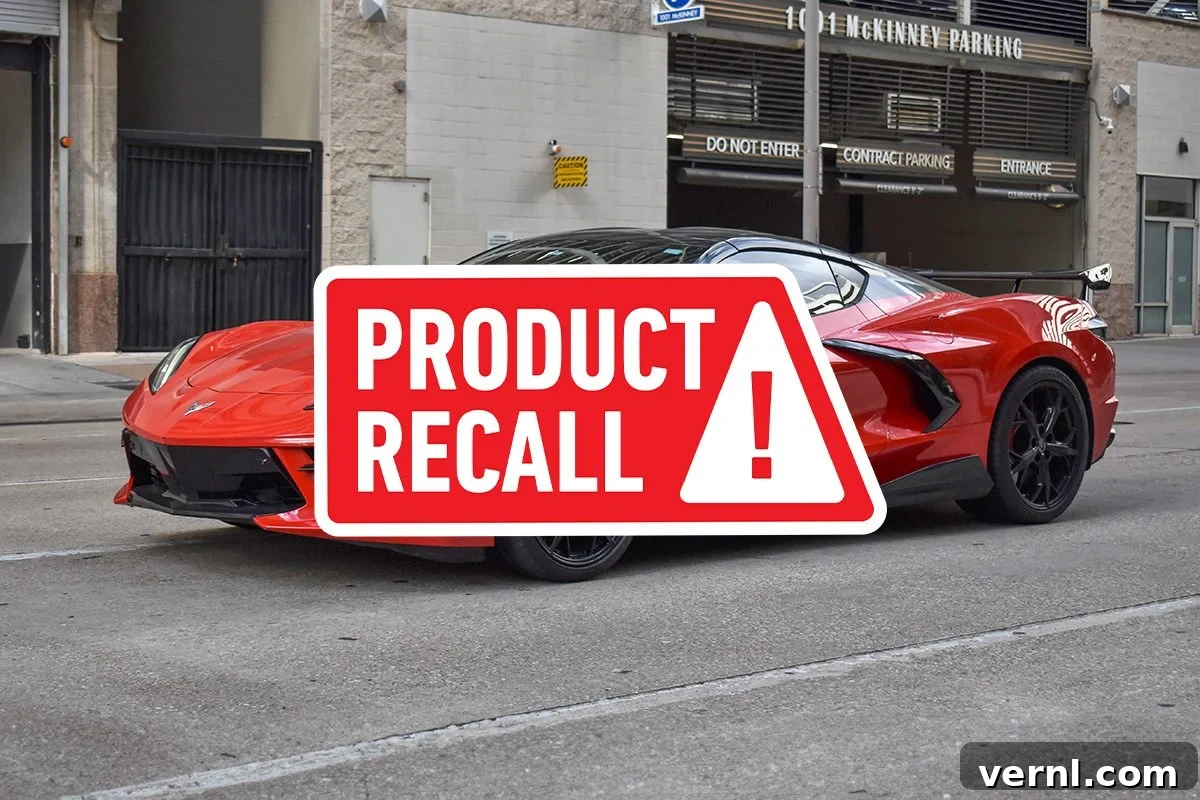
The thought of a car fire ranks high among a driver’s most terrifying nightmares. Prudent vehicle owners diligently practice preventative measures: avoiding smoking near gas pumps, adhering to regular maintenance schedules, and ensuring their car is in optimal condition. However, for a specific segment of Chevy owners, these diligent efforts might unfortunately not be enough to guarantee safety against such a catastrophic event. Recent reports from the National Highway Traffic Safety Administration (NHTSA) have cast a concerning shadow over tens of thousands of Chevy vehicles, identifying a significant fire hazard that has prompted an urgent recall by the manufacturer. This comprehensive guide will delve into the specifics of this recall, outlining which Chevy models are affected, the underlying cause of this dangerous defect, and the crucial steps owners must take to mitigate the risk.
Why General Motors is Recalling Tens of Thousands of Vehicles
At the heart of this widespread recall is a potentially catastrophic fuel leak issue that poses a severe fire risk. According to the detailed NHTSA brief, General Motors (GM) is initiating this recall due to a specific design flaw that allows for “excess fuel [to] spill into the vehicle fuel-filler pocket during refueling and leak onto an ignition source.” This isn’t a problem stemming from driver negligence or improper refueling techniques; rather, it’s an inherent defect within the vehicle’s design itself. The implications of such a fault are gravely serious, elevating the risk of a vehicle fire exponentially.
Understanding the mechanism of this defect is crucial. During the refueling process, if too much fuel is introduced or if the vehicle’s fuel system doesn’t properly manage the flow, the excess can overflow from the filler neck. Instead of safely draining away or being contained, this spilled fuel then collects in the fuel-filler pocket. From there, it can drip onto various potential ignition sources that are an integral part of any running vehicle. Imagine highly flammable gasoline coming into contact with a scorching hot engine block, superheated exhaust components, or even a stray electrical spark within the engine bay. The NHTSA’s warning cannot be overstated: “a fuel leak in the presence of an ignition source, such as a hot engine or exhaust components, can increase the risk of a fire.” Car fires are not only destructive to property but can also be life-threatening, progressing rapidly and making escape difficult. This inherent flaw necessitates immediate attention and rectification to safeguard drivers and passengers alike.
Identifying the Chevy Vehicles Posing a Fire Hazard
The scope of this recall is substantial, impacting nearly 24,000 vehicles manufactured by General Motors, LLC (GM). Per the official NHTSA brief, the recall specifically targets a range of Chevrolet Corvette models, spanning multiple model years. Owners of the following vehicles should pay particularly close attention:
- 2023 Chevrolet Corvette
- 2024 Chevrolet Corvette
- 2025 Chevrolet Corvette
- 2026 Chevrolet Corvette
A key characteristic identifying the affected vehicles is their equipment configuration: all recalled units are “equipped with a left-side radiator/fan combination.” This specific component setup is believed to be linked to the design flaw causing the fuel spillage. If you are an owner of any of the aforementioned Corvette models, it is imperative to remain vigilant. Chevrolet has outlined a multi-phase communication strategy to inform affected owners. The first round of owner notification letters is scheduled to be mailed in early October 2025. These initial letters will serve as an urgent notification, apprising owners of the potential dangers associated with their vehicle. It’s crucial to understand that this first mailing is solely for awareness and does not yet include instructions for repair. A second round of owner letters will follow, distributed “once the remedy is available.” This staggered approach highlights the manufacturer’s process of not only identifying the problem but also developing and implementing a robust, tested solution before instructing owners to bring their vehicles in for service. In the interim, owners are strongly advised to minimize the use of these vehicles as much as possible to reduce potential exposure to the fire risk.
To confirm if your specific vehicle is included in this recall, even if you do not receive a letter promptly, you can utilize the NHTSA’s online recall search tool. By entering your vehicle’s 17-character Vehicle Identification Number (VIN), you can quickly ascertain its recall status and access the most up-to-date information directly from official sources. Proactive checking is always recommended for peace of mind.
Chevy’s Solution: Implementing a Critical Safety Shield
General Motors has devised a precise and practical solution to address the critical fuel leak issue. Chevrolet has confirmed that “dealers will install a shield to divert spilled fuel, free of charge.” This protective shield is designed to act as a barrier, effectively redirecting any excess fuel that may spill during refueling away from vulnerable ignition sources, such as the hot engine or exhaust components. The installation of this shield is intended to prevent the spilled fuel from accumulating in the fuel-filler pocket and subsequently reaching areas where it could ignite, thus dramatically reducing the risk of a vehicle fire.
It is paramount that owners understand the importance of this repair. Once notified of the remedy’s availability, scheduling an appointment with an authorized Chevrolet dealership should be a top priority. The fact that the repair will be performed “free of charge” underscores the manufacturer’s responsibility for the defect and ensures that safety modifications are accessible to all affected owners without financial burden. However, until this crucial modification has been completed, the inherent risk remains. Therefore, owners are strongly advised to refrain from driving their Corvette models as much as possible. Every mile driven with the uncorrected defect carries an elevated risk. Car fires can escalate with terrifying speed and intensity, making prompt evacuation difficult and posing a severe threat to life. Taking advantage of the free repair immediately upon its availability is not just a recommendation; it’s a critical safety measure that could prevent a tragic incident.
For any further questions, clarifications, or concerns regarding this recall, Chevrolet customer service representatives are available to assist. You can reach them directly at 1-800-222-1020. Additionally, the official NHTSA number assigned to this particular recall for easy reference and tracking is 25V536000.
Important Steps for Affected Owners and General Vehicle Safety
If you own one of the recalled Chevrolet Corvette models, taking proactive steps is vital for your safety and the safety of others. Firstly, pay close attention to your mailbox for the official recall notifications from Chevrolet. While waiting for the second letter that details the remedy, minimize driving your vehicle. If driving is unavoidable, be extra cautious during refueling, ensuring not to overfill the tank and always observing the area around the fuel filler for any signs of leakage. When parking, choose outdoor, open spaces away from other vehicles or structures to minimize collateral damage in the unlikely event of a fire.
Once the second owner letter arrives, promptly contact your local authorized Chevrolet dealership to schedule the free repair. Ensure you understand the scope of the repair and confirm the timeline for completion. Keep all correspondence related to the recall, including letters and repair receipts, for your records. This documentation can be valuable for future reference or if any further issues arise. Moreover, it’s always a good practice to regularly check the NHTSA website using your VIN, as recall information can sometimes be updated.
Beyond this specific recall, staying informed about all potential safety recalls for your vehicle is a critical aspect of responsible car ownership. The NHTSA plays a crucial role in safeguarding public safety by mandating recalls for vehicles and automotive equipment that pose unreasonable risks. These recalls, though sometimes inconvenient, are vital mechanisms for correcting manufacturing defects that could lead to serious injury or death. Ignoring a recall notice can have dire consequences, not only for the vehicle occupants but also for pedestrians and other road users.
Regular vehicle maintenance, including routine inspections of fuel lines, engine components, and electrical systems, can also help identify potential issues before they escalate. While this particular recall addresses a specific manufacturing defect, general vigilance contributes significantly to overall road safety. Always be alert to unusual smells, leaks, or warning lights that could indicate a problem with your vehicle’s fuel system or other critical components.
Conclusion
The Chevrolet Corvette recall concerning a potential fuel leak and fire hazard is a serious safety concern that demands immediate attention from affected owners. While the prospect of a vehicle fire is unsettling, General Motors is taking responsible action to rectify this defect by providing a free-of-charge shield installation. By understanding the risks, identifying the affected models, and following the outlined steps for repair and communication, owners can ensure their safety and restore confidence in their vehicles. Prioritizing vehicle safety, staying informed about recalls, and acting promptly on notifications are paramount for every driver. For further assistance, remember to contact Chevrolet customer service or refer to the NHTSA recall number 25V536000.
Source
Fire Risk When Refueling, National Highway Traffic Safety Administration, 2025.