Transforming a room often starts with the right window treatments, and few elements offer as much impact as curtains. More than just functional barriers, curtains are essential design components that can dramatically alter the mood, style, and practicality of any space. They do far more than just cover a window; they weave together the entire aesthetic of a room, adding layers of color, controlling the ingress of natural light, introducing varied textures, and infusing an undeniable sense of warmth and coziness.
From providing essential privacy and shielding interiors from harsh sunlight, to enhancing insulation and dampening sound, curtains are versatile tools for home decorators. Properly chosen and expertly hung, they can make a small room feel grander, a minimalist space more inviting, or a drafty area significantly warmer. For instance, did you know that strategically chosen and hung curtains can even double as effective insulation in the winter, helping to keep your home snug and energy bills lower?
The art of hanging curtains, however, is often overlooked, with many homeowners simply attaching them to the window frame without considering the broader impact on the room’s design. This comprehensive guide will walk you through the essential dos and don’ts, revealing professional tips and tricks to ensure your curtains not only look fantastic but also perform at their best. We’ll explore everything from rod placement and height to fabric choices and length, empowering you to create a sophisticated and functional window display that elevates your entire home.
The Foundational Step: Selecting and Mounting Curtain Rods
The curtain rod serves as the backbone of your window treatment, dictating how your curtains will hang and significantly influencing the perceived size and scale of your window. Choosing the right rod and installing it correctly is paramount for achieving a polished, professional look.
Optimal Rod Width for a Grander Illusion
When selecting a curtain rod, resist the temptation to pick one that is exactly the same width as your window. Instead, opt for a rod that extends beyond the window frame. A general rule of thumb is to choose a curtain rod that is between eight and 12 inches wider than the window itself. This means allowing four to six inches of rod to extend past each side of the window frame. This extra width serves a crucial dual purpose:
- Full Window Coverage: It enables your chosen curtains to be drawn completely open, allowing them to stack neatly against the wall on either side of the window. This ensures that the entire window glass is exposed, maximizing natural light and offering an unobstructed view when desired.
- The Illusion of Size: By extending the rod beyond the window frame, you create the optical illusion that your window is larger and grander than its actual dimensions. This is a brilliant trick for making a small room appear bigger and more expansive, adding a touch of architectural elegance to your space.
Types of Curtain Rods and Their Aesthetics
Curtain rods come in various materials and styles, each contributing to the overall aesthetic:
- Standard Rods: Simple, often made of metal or wood, suitable for rings or grommet curtains.
- Traverse Rods: Feature an internal track system, allowing curtains to open and close smoothly with a cord or wand, ideal for heavy drapes or frequent use.
- Tension Rods: Spring-loaded, fitting inside the window frame without drilling, perfect for lightweight curtains or temporary solutions.
- Decorative Rods: Often feature elaborate finials (decorative ends) and a range of finishes (bronze, brushed nickel, gold) that become part of the room’s decor. Decorative curtain rods are an easy and inexpensive way to upgrade your window hardware and add a touch of personal style.
Consider the weight of your curtains when choosing a rod. Heavier fabrics will require a sturdier rod and robust mounting hardware to prevent sagging over time.
Mastering Curtain Height: Elevating Your Space
The vertical placement of your curtain rod significantly impacts the perceived height of your ceiling and the overall grandeur of your room. This is where a simple adjustment can create a dramatic difference.
The Golden Rule for Rod Placement
Interior designers universally agree on a fundamental rule for curtain rod height: curtains should be hung between four to six inches above the window frame. This means installing your curtain rod brackets not directly above the frame, but a few inches higher on the wall.
- Why it Works: When you hang the curtain rod high, it draws the eye upward, making the window appear taller and more substantial. This trick simultaneously creates the illusion of higher ceilings, adding an airy, expansive feel to the entire room. It’s a remarkably effective way to enhance the architectural presence of your windows without any actual construction.
- Architectural Digest’s Wisdom: This guideline is frequently echoed by design authorities, including Architectural Digest, underscoring its timeless validity in interior design.
Exceptions and Stylistic Considerations
While the 4-6 inch rule is excellent, there are nuances:
- Very High Ceilings: In rooms with exceptionally high ceilings (e.g., 10 feet or more), you can hang curtains even higher, perhaps 10-12 inches above the frame, or even close to the ceiling line, to truly emphasize the room’s verticality and create a dramatic, luxurious effect.
- Architectural Constraints: Sometimes, architectural features like crown molding or a lack of wall space above the window might prevent ideal high placement. In such cases, hang the rod as high as comfortably possible without interfering with other elements.
- Window Treatments for Small Windows: Hanging the rod significantly wider and higher than a small window can transform it into a focal point, rather than an afterthought, making the entire wall feel more balanced.
Psst! For more innovative installation ideas, check out this handy curtain rod hack that might inspire your next project!
The Power of Fabric: Texture, Light, and Insulation
The fabric you choose for your curtains profoundly influences the room’s ambiance, light control, privacy levels, and even its energy efficiency. Different materials offer unique aesthetic and functional properties.
Lightweight vs. Denser Fabrics
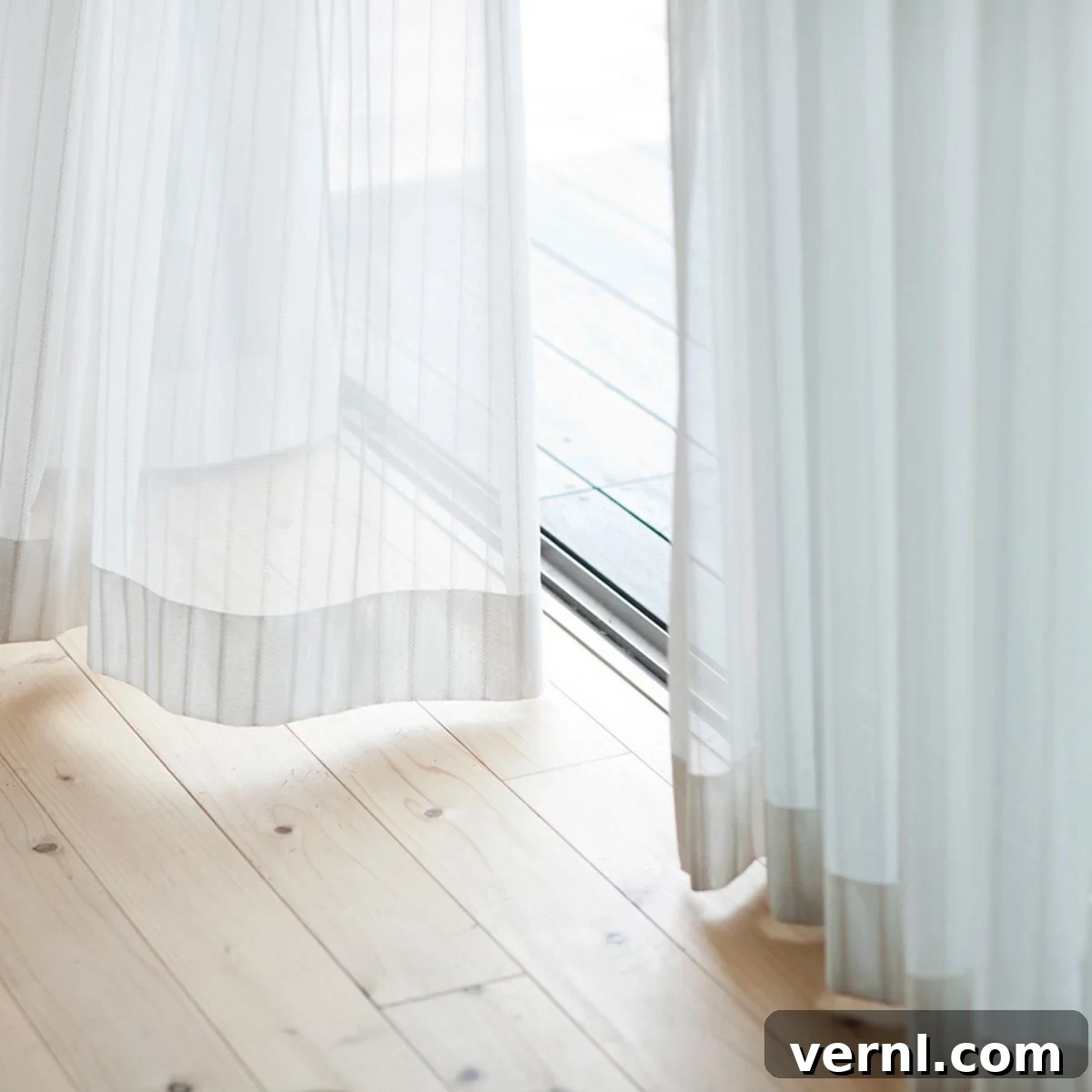
- Lightweight Fabrics (e.g., Sheers, Voiles): These delicate fabrics allow abundant natural light to filter through, creating an airy, bright, and inviting atmosphere. They offer a softer degree of privacy, blurring views from the outside without completely obstructing them. Sheer curtains are perfect for rooms where natural light is a priority and a gentle, diffused glow is desired. They also add a layer of texture without overwhelming the space.
- Denser Fabrics (e.g., Cotton, Linen, Velvet, Silk, Synthetics): As the fabric weight increases, so does its ability to control light, enhance privacy, and provide insulation.
- Thermal Drapes: If you need to warm up a room or block out light more effectively, thermal drapes are an excellent choice. These are typically made with multiple layers or a specialized backing that traps air, significantly reducing heat loss in winter and heat gain in summer. This makes them highly effective winter curtains, capable of stopping drafts and contributing to considerable energy savings.
- Velvet & Suede: Known for their luxurious feel and excellent insulating properties, these fabrics add richness and depth to a room, along with superior light blocking and sound dampening.
- Cotton & Linen: Versatile and natural, offering a range of weights. Heavier cottons and linens provide good privacy and moderate insulation, while lighter versions offer a softer drape and more diffused light.
- Silk: Offers a sophisticated sheen and elegant drape but can be delicate and prone to sun damage. Often used with a protective lining.
- Synthetics (Polyester, Rayon): Durable, often wrinkle-resistant, and available in a vast array of colors and patterns. They can mimic the look of natural fibers at a lower cost and are often easier to clean.
The Importance of Linings
Beyond the primary fabric, consider a lining for added functionality:
- Privacy Lining: A standard lining adds an extra layer for privacy and protects the main fabric from sun damage.
- Blackout Lining: Essential for bedrooms or media rooms, blackout linings completely block light, ensuring total darkness and superior insulation.
- Thermal Lining: Similar to thermal drapes, this lining significantly boosts the curtain’s insulating properties without requiring a specialized outer fabric.
The choice of fabric should align with the room’s function, your desired aesthetic, and your practical needs for light control, privacy, and insulation.
Achieving the Perfect Curtain Length and Fullness
Once you’ve chosen your fabric, the next critical decisions are the length and width of your curtains. These choices have a profound impact on both the practical functionality and the visual style of your window treatments.
The Proper Length for Curtains: Four Key Styles
Interior designers emphasize that the bottom of your curtains should almost always relate to the floor, creating a cohesive and intentional look. There are generally four accepted lengths:
- Sill Length: Curtains that end exactly at the windowsill. This is a practical choice for kitchens or bathrooms where splashes are common, or for windows that have radiators or built-in seating directly underneath. While functional, it can sometimes look less formal or “finished.”
- Apron Length: Curtains that fall approximately four inches below the windowsill. This offers a slightly softer look than sill length while still being practical for windows with obstructions.
- Floor Length (Kiss/Float): This is the most popular and generally recommended length. The curtains should barely touch or “kiss” the floor, or stop about an inch from it. This length provides an elegant, clean line that makes the room feel taller and more refined. It also makes opening and closing the curtains smooth and easy, as they won’t drag on the floor. This length is ideal for most living rooms, dining rooms, and bedrooms.
- Puddle Length: This style allows the curtains to “puddle” or gather on the floor by several inches (typically 2-6 inches). Puddling creates a romantic, luxurious, and highly dramatic effect, often seen in formal settings or bohemian-inspired spaces. However, it requires more fabric and can be less practical as the fabric gathers dust and may need more frequent washing. If you opt for this look, ensure your curtains are made of a fabric that drapes well and isn’t too stiff.
When measuring for length, measure from the curtain rod (or where the top of your curtain will attach to the rod) down to your desired ending point, whether it’s the sill, apron, or floor.
Ensuring Proper Width and Fullness
The width of your curtains is just as important as their length for achieving an aesthetically pleasing and functional look. Curtains that are too narrow will look skimpy and won’t properly cover the window when closed, detracting from the room’s overall design.
- The Fullness Rule: As a general guideline, your curtains should be at least two times (2x) the width of the window opening (including the extended rod width). For a more luxurious and generous gather, many designers recommend two and a half (2.5x) or even three times (3x) the width.
- Why Fullness Matters: This extra width ensures that when the curtains are closed, they have ample folds and pleats, creating a rich, soft, and inviting look. Without sufficient fullness, curtains appear flat and unfinished, failing to provide adequate privacy or insulation.
- Measuring for Width: Measure the entire length of your installed curtain rod, from finial to finial (if applicable), or simply the full width you intend for your curtains to cover. Then, multiply this measurement by 2, 2.5, or 3, depending on your desired fullness.
Investing in the correct length and width ensures your curtains will not only frame your windows beautifully but also function effectively for years to come.
Beyond the Rod: Decorative Hardware and Accessories
While the curtains themselves are the star, the supporting cast of hardware and accessories plays a crucial role in the overall aesthetic and functionality of your window treatments. Don’t overlook these details, as they can significantly elevate your design.
Finials and Decorative Rods
If you’re not a fan of the utilitarian look of basic curtain rods, there are countless more appealing hardware options. Decorative curtain rods, often featuring ornate finials (the decorative caps at the ends of the rod), are an easy and inexpensive way to upgrade your window hardware. These elements come in a vast array of styles, from sleek and modern to ornate and traditional, allowing you to perfectly match them with your room’s decor. Materials like wrought iron, brass, chrome, and crystal can add a touch of personality and luxury.
Rings, Clips, and Hooks
How curtains attach to the rod also impacts their drape and ease of movement:
- Curtain Rings: These are the most common choice, allowing curtains to slide smoothly along the rod. Rings can be sewn directly onto the curtain or clipped onto the top edge.
- Clip Rings: Offer flexibility as they can be easily attached or removed, and the curtain length can be slightly adjusted.
- Grommets: Metal rings punched directly into the top of the fabric create a modern, wavy fold and glide easily.
- Back Tabs: Loops sewn onto the back of the curtain create a tailored, pleated look.
Tiebacks and Holdbacks
When you want to draw your curtains open and keep them neatly out of the way, tiebacks and holdbacks are essential accessories. Tiebacks are fabric bands that cinch the curtain in, while holdbacks are decorative hooks or arms mounted to the wall that hold the curtain panels back. Both can add a decorative flourish and allow more light into the room.
Valances, Cornices, and Pelmets
For a truly finished and custom look, consider adding a top treatment:
- Valances: Short pieces of fabric that cover the top of the window and curtain rod. They can add color, pattern, and softness.
- Cornices: Structured boxes, often made of wood and upholstered in fabric, that conceal the curtain rod and hardware, providing a clean, architectural finish. You can even learn how to build a DIY window cornice for a personalized touch.
- Pelmets: Similar to cornices but often with a more elaborate or decorative shape, often upholstered.
These top treatments not only hide hardware but also add another layer of design interest, helping to frame the window and complete the room’s aesthetic.
Maintaining Your Curtains: Longevity and Freshness
Once you’ve invested time and effort in choosing and hanging the perfect curtains, proper maintenance is key to preserving their beauty and extending their lifespan.
- Regular Dusting and Vacuuming: Curtains accumulate dust and allergens. Lightly vacuuming them with an upholstery attachment or shaking them out regularly can prevent build-up.
- Spot Cleaning: Address small stains promptly with a mild fabric cleaner suitable for your curtain material. Always test on an inconspicuous area first.
- Professional Cleaning: For delicate fabrics like silk or velvet, or for heavily soiled drapes, professional dry cleaning is recommended.
- Machine Washing: Many synthetic and cotton curtains can be machine washed on a gentle cycle with cold water. Always check the care label carefully before washing.
- Protection from Sun: Direct sunlight can fade curtain fabrics over time. If your curtains are in a very sunny room, consider adding a protective lining to prevent premature aging and discoloration.
By following these maintenance tips, your curtains will remain a vibrant and functional element of your home decor for years to come.
Conclusion: Crafting Your Perfect Window Story
Curtains are far more than mere window coverings; they are powerful design tools that offer a blend of aesthetic beauty, practical functionality, and personal expression. From offering essential privacy and controlling light to enhancing insulation and weaving together the narrative of your interior design, their impact is undeniable.
By mastering the art of hanging curtains – understanding the importance of proper rod placement and height, choosing fabrics that align with your needs, and selecting the correct length and fullness – you can transform any room. Whether you aim to create an illusion of grander windows, infuse your space with warmth, or simply add a touch of refined elegance, the dos and don’ts outlined in this guide provide a clear roadmap to achieving professional, stunning results.
Embrace these timeless design principles, and embark on a journey to craft a window story that not only looks exquisite but also enhances the comfort and character of your home. Your windows are a canvas; let your curtains be the masterpiece.