The Ultimate Guide to Drying Clothes Faster: Debunking the Towel Trick and Expert Tips
We’ve all been there: staring impatiently at the dryer, waiting for that last load of laundry to finish, especially when time is of the essence. It’s a universal chore that, while necessary, can often feel like a time sink. While multitasking with other household duties like loading the dishwasher or vacuuming can help pass the time, wouldn’t it be wonderful to significantly shorten the drying cycle itself?
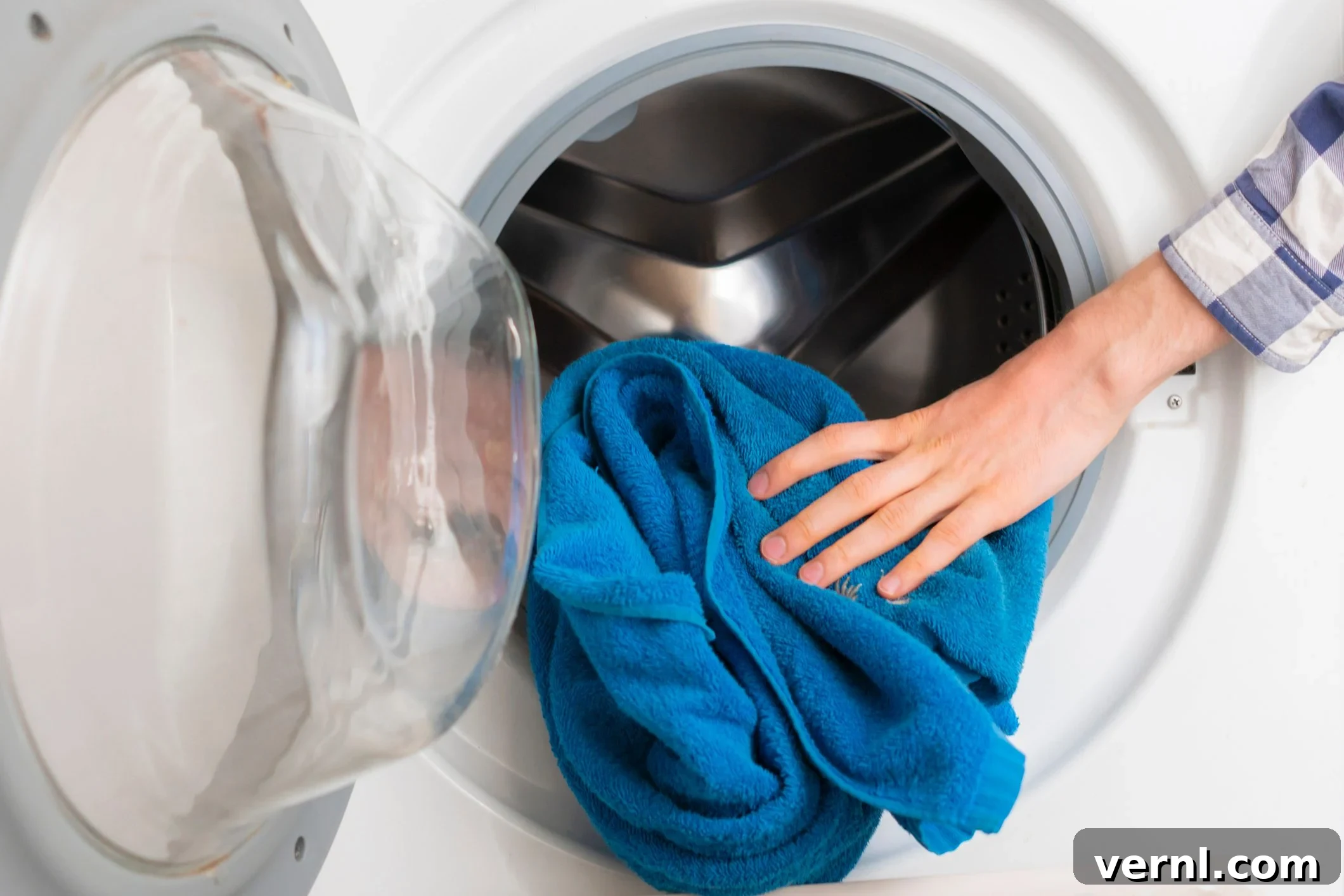
In the world of laundry, where efficiency is key, a particular hack has gained considerable traction. It promises to dramatically cut down your drying time, and the only tool you supposedly need is a simple dry towel. The theory is straightforward: by adding a dry towel to the dryer along with your wet clothes, the moisture will be absorbed, thus accelerating the drying process.
But does this widely circulated trick actually live up to its hype? To get a definitive answer, we consulted leading appliance experts: Haven Polich, product manager at ASKO laundry appliances, and Ron Shimek, president of Mr. Appliance. We also sought the invaluable perspective of Patric Richardson, famously known as the Laundry Evangelist and author of Laundry Love: Finding Joy In a Common Chore, who also lent his expertise to this investigation.
Beyond expert opinions, this article will also delve into personal testing results and provide a comprehensive array of proven, professionally endorsed strategies to help you dry clothes faster and more efficiently. So, before you toss that dry towel into your next load, let’s explore what the experts—and real-world testing—have to say.
The Science Behind the Dry Towel Trick: Understanding Its Purpose
The core concept behind adding a dry towel to your dryer is rooted in its inherent absorbency. We use towels to dry our hair, wipe up spills, and generally tackle moisture, so the idea seems intuitively logical. According to Ron Shimek, “A dry towel in the dryer acts as a kind of sponge, pulling excess moisture away from the wet clothes.” This ‘sponging’ action is designed to kickstart the drying process by quickly reducing the initial moisture content of the entire load.
As the dryer tumbles, mixing the wet garments with the dry towel, the towel’s fibers draw water out of the damp fabrics. Shimek further elaborates, “As the wet and dry items mix, the dry towel absorbs some of the moisture from the wet clothes, reducing overall humidity in the dryer and allowing the clothes to dry faster.” By lowering the humidity inside the dryer drum, the air can then more effectively absorb remaining moisture from the clothes, thereby accelerating evaporation.
How to Properly Implement the Dry Towel Hack
If you decide to try this hack, there’s a specific method to follow for the best (albeit potentially minor) results:
- Select the Right Towel: Choose a clean, dry, medium-sized bath towel. Avoid overly thick towels, as they can take longer to dry themselves, defeating the purpose.
- Add to the Wet Load: Place the dry towel into the dryer along with your freshly washed, wet laundry.
- Monitor Carefully: This is the most crucial step. Haven Polich advises that the towel should be removed after just five to 15 minutes, depending on the size and dampness of your load. “If you leave it in too long,” Polich warns, “it will start to become damp.” The goal is for the towel to absorb initial surface moisture and humidity, not to become another wet item that the dryer has to work on.
- Remove the Towel: Once the towel feels noticeably damp, remove it from the dryer. Allow the remaining clothes to continue drying without it.
The effectiveness of this trick, as Polich points out, is largely dependent on your specific dryer model and the size of your load. It’s considered a “very helpful trick if you’re in a pinch,” but its utility diminishes if not managed correctly.
Does the Dry Towel Hack Actually Work? A Critical Examination
So, given the scientific premise and expert endorsements, does this popular dry towel hack truly deliver on its promise? The answer, it turns out, is nuanced and depends heavily on your definition of “work.”
From a purely technical standpoint, yes, a dry towel will absorb moisture. The added bulk of the towel within the drum can also contribute to the tumbling action, helping to fluff and separate your clothes. This improved air circulation around individual garments can indeed lead to slightly more efficient drying. Patric Richardson, the Laundry Evangelist, confirms this, stating, “It does speed it up a little.”
Quantifying the Time Savings: Is It Worth the Effort?
However, if your expectation is a dramatic reduction in drying time—say, cutting a 60-minute cycle down to 30 minutes—then the reality might be somewhat disappointing. Ron Shimek indicates that while the practice “might have a slight effect on drying time, it’s unlikely to be a significant reduction.”
My own informal test reinforces this perspective. I conducted an experiment with two identical loads of towels, adding a dry towel to one of them. The result? A modest saving of six minutes. While six minutes isn’t nothing, especially if you’re doing multiple loads back-to-back, it’s hardly the game-changer many hope for.
Richardson is even more direct in his assessment: “I don’t think it’s worth it.” This candid opinion reflects the sentiment that the minimal time saved might not justify the extra step of adding and then remembering to remove the towel mid-cycle.
Potential Downsides and Considerations
While the downsides are generally few, as long as you follow Polich’s advice to remove the towel before it becomes damp, there are a few points to consider:
- Increased Wrinkles: Richardson notes that you may end up with more wrinkles if the towel is left in too long or if the load becomes unevenly dried.
- Wear and Tear on the Towel: Shimek points out that repeatedly heating a dry towel in this manner isn’t ideal for the towel itself, potentially accelerating its wear.
- Risk of Forgetting: The primary challenge is remembering to remove the towel at the opportune moment. If left in, it simply becomes another wet item the dryer must work to dry, effectively negating any benefit and potentially increasing overall drying time and energy consumption.
Ultimately, while the dry towel hack does technically contribute to faster drying, it’s generally considered to be low on the list of effective strategies for optimizing dryer efficiency. If you’re looking for significant time savings and energy conservation, there are far more impactful methods available.
How To Dry Clothes Fast: Expert-Endorsed Strategies That Really Work
The dry towel hack might offer a minor advantage, but its usefulness is certainly debatable. If you’re truly committed to making the most out of your drying time and achieving genuinely faster results, you’ll want to implement these professionally-endorsed tips. These strategies focus on optimizing the drying environment and process, leading to more substantial time and energy savings.
1. Separate Your Clothes by Fabric Type and Weight
This is perhaps one of the most fundamental yet overlooked tips. “Heavy fabrics take longer to dry, so separate them from lighter items,” advises Ron Shimek. Think about it: a thick denim jean or a heavy cotton towel will retain far more water and require significantly more heat and tumbling time than a lightweight synthetic blouse or a pair of thin socks. Drying them together means that by the time the heavy items are dry, the lighter ones have been over-dried, potentially shrinking, damaging fibers, and wasting energy. Sorting your laundry into groups of similar weight and fabric composition ensures that each load receives the appropriate drying time, preventing both under-drying and over-drying.
2. Utilize Dryer Balls
These small, often spiky, spheres are fantastic dryer sheet alternatives that offer multiple benefits. Dryer balls, whether wool or plastic, work by lifting and separating clothes as they tumble, which significantly improves air circulation within the dryer drum. This prevents wet garments from clumping together, allowing hot air to reach more surfaces simultaneously. The constant movement also helps to break up static cling and can even soften clothes naturally. By enhancing airflow and separation, dryer balls can effectively reduce drying time, saving both energy and minutes from your laundry routine.
3. Always Clean the Lint Filter
This isn’t just a tip for efficiency; it’s a critical safety measure. A clogged lint filter is one of the most common causes of dryer fires. Beyond the safety aspect, a blocked filter severely restricts airflow, which is essential for efficient drying. When air cannot circulate properly, moisture-laden air gets trapped inside the drum, making it much harder for clothes to dry. Make it a habit to clean the lint filter before or after every single load. This simple, quick action ensures optimal airflow, reduces drying time, and significantly lowers fire risk.
4. Re-Spin Excessively Wet Clothes
Sometimes, clothes come out of the washer feeling exceptionally heavy and waterlogged, especially after washing dense items like towels or bedding. If your garments are soaking rather than just damp, Haven Polich recommends running a quick extra spin cycle in the washing machine before transferring them to the dryer. The washer’s spin cycle is much more energy-efficient at removing water than the dryer’s heat-based evaporation process. By extracting more water upfront, you significantly reduce the workload on your dryer, leading to shorter drying times and lower energy consumption.
5. Avoid Overloading the Dryer
It might be tempting to cram as many items as possible into the dryer to finish laundry faster, but this strategy almost always backfires. “Overloading can result in longer drying times and less efficient drying,” explains Shimek. When the dryer is too full, clothes can’t tumble freely. They remain clumped together, preventing hot air from circulating effectively around individual garments. This leads to uneven drying, with some items still damp while others are over-dried. Aim for a load size that allows clothes ample space to move and fluff, ensuring even heat distribution and optimal airflow.
6. Check and Clean Dryer Vents Regularly
Beyond the internal lint filter, the external dryer vent system is crucial. Over time, lint can accumulate in the dryer hose and outside vent, creating blockages. These blockages not only restrict airflow, making your dryer work harder and longer, but they also pose a significant fire hazard. Periodically inspect and clean the entire vent system, including the ductwork that leads outside. For multi-story homes or long vent runs, professional cleaning might be necessary.
7. Shake Out Clothes Before Drying
Before tossing clothes into the dryer, give each item a quick shake. This simple action helps to unroll sleeves, untangle legs, and generally loosen up the fabric. Shaking clothes out prevents them from drying in crumpled balls, which can lead to wrinkles and areas that remain damp longer. It also aids in promoting better air circulation from the very beginning of the cycle.
8. Use Appropriate Dryer Settings
Modern dryers come with various settings for different fabric types and moisture levels. Utilizing the “automatic dry” or “moisture sensing” feature is often more efficient than setting a timed dry. These sensors detect when clothes are dry and automatically shut off the machine, preventing over-drying and saving energy. For delicate items, use lower heat settings, which, while potentially taking slightly longer, protect your clothes from damage and shrinkage.
9. Consider Air Drying for Select Items or Pre-Drying
For particularly heavy items or clothes that don’t need to be perfectly dry, consider air drying on a clothesline or drying rack. Air drying is the most energy-efficient method. Even partially air-drying items before transferring them to the machine dryer can significantly reduce the machine’s run time and energy consumption, especially for large items like blankets or towels.
About the Experts
- Haven Polich is a product manager at ASKO, a company specializing in Scandinavian-inspired laundry and kitchen appliances. Polich brings eight years of extensive experience in the luxury appliance market to his role.
- Patric Richardson is widely recognized as the Laundry Evangelist. He is the charismatic host of The Laundry Guy on HGTV and Discovery+, and the bestselling author of Laundry Love: Finding Joy In a Common Chore. You can explore Richardson’s helpful tips and engaging content on his popular YouTube channel, through his numerous talk show appearances, and in various national publications.
- Ron Shimek is the esteemed president of Mr. Appliance, a Neighborly company, providing expert insights into appliance maintenance and efficiency.