
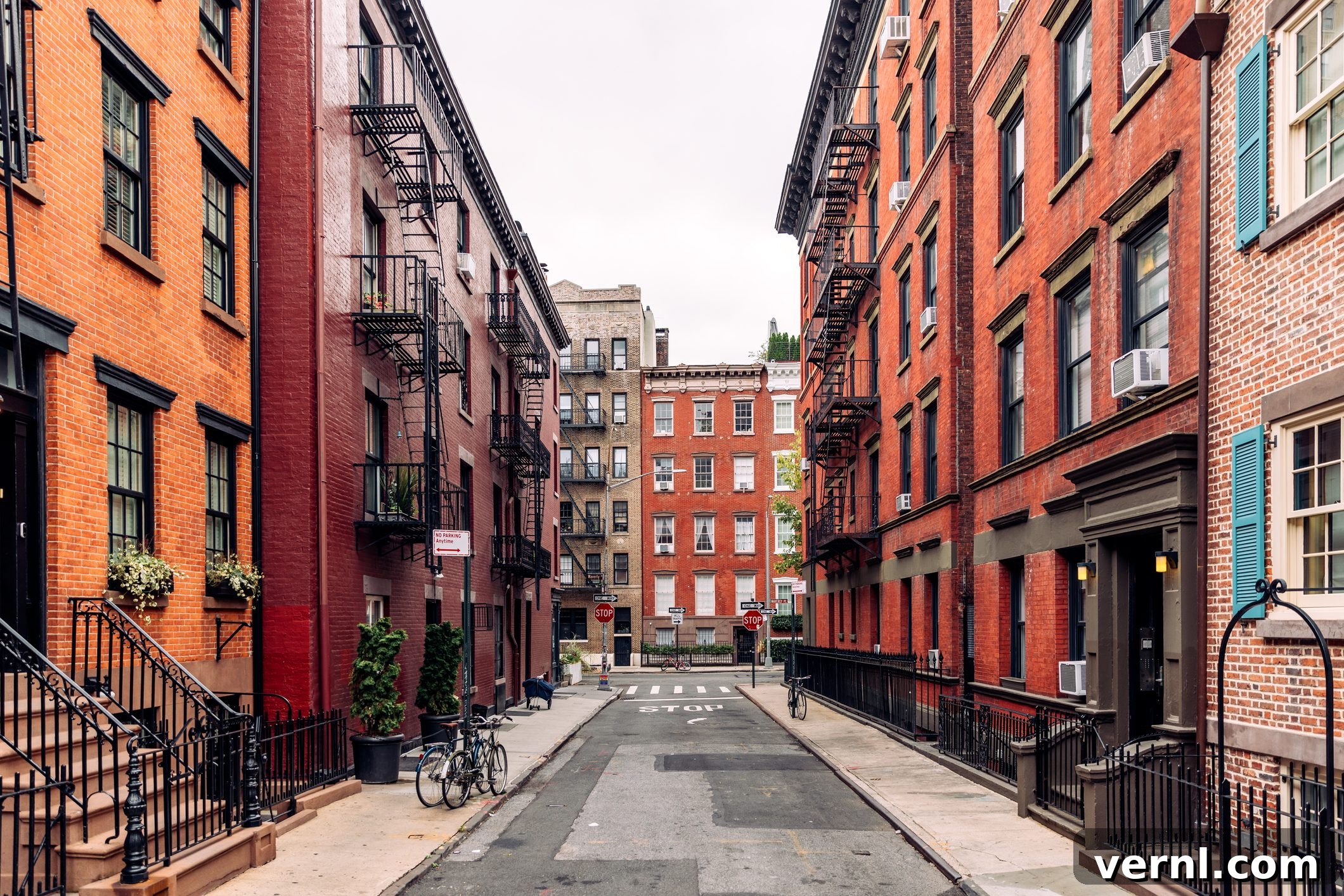
Have you ever encountered a dwelling with proportions so peculiar, or situated in such an improbable spot, that you’re left wondering about the logic behind its creation? Perhaps a house so narrow it defies belief, or one that casts an eternal shadow over a neighbor’s once-sunny garden? If so, you may have just witnessed a unique architectural anomaly known as a spite house—a concrete testament to long-standing grievances and creative retaliation.
The Curious World of Spite Houses: When Architecture Meets Vendetta
In the vast landscape of architectural history, most buildings are conceived with practicality, comfort, and aesthetic appeal in mind. However, a fascinating subgenre exists where the primary motive is none of these. Instead, it’s a desire to vex, obstruct, or simply annoy a neighbor. These structures are known as spite houses, and they tell stories as compelling as their unconventional designs.
The concept of a spite house transcends mere quirky design; it embodies a deeply human saga of conflict, property disputes, and the lengths individuals will go to assert their perceived rights or exact revenge. From incredibly slender homes to strategically placed walls, these structures are physical manifestations of past disagreements, often built during eras with less stringent building regulations than today.
What Exactly Defines a Spite House?
At its core, a spite house is a building constructed with the express, and often singular, purpose of inconveniencing or irritating neighboring property owners. The methods for achieving this “spiteful” intent can vary wildly, reflecting the creativity—and sometimes the malice—of the builder.
Common strategies include:
- Obstructing Views: Erecting a tall, often unsightly structure directly in front of a neighbor’s once-picturesque vista, whether it be a scenic landscape, a city skyline, or a waterfront view.
- Blocking Light: Positioning a building to deliberately deprive an adjacent property of natural sunlight, plunging rooms or gardens into perpetual shade.
- Cutting Off Access: Constructing a building or fence that impedes a traditional pathway, shortcut, or even vehicular access to a neighbor’s property.
- Lowering Property Value: Creating an eyesore or an inconvenient structure that detracts from the desirability and market value of nearby homes.
- Creating Noise or Nuisance: While less common for the structure itself, the placement or design might amplify existing nuisances or create new ones.
These edifices were not always intended as primary residences. In fact, many were designed with minimal comfort or functionality, their internal layout often sacrificed for the sake of maximizing the external aggravation. The focus was less on creating a livable space and more on crafting a monumental grievance.
Beyond Houses: Spite Fences, Walls, and Other Structures
The spirit of “spite architecture” isn’t limited to full-fledged houses. If resources were scarce, or if the land available didn’t permit a full building, the disgruntled individual might opt for other obstructive constructions. A common variant is the spite wall or fence. These structures, often disproportionately tall or unusually placed, serve the same purpose of annoyance, albeit on a smaller scale.
In centuries past, if enough land was available, one might even encounter the concept of a “spite farm”—a small, often non-productive parcel of land cultivated or developed purely to vex an adjoining landowner, perhaps by blocking future development plans or access roads. Today, with increasingly strict building codes and zoning laws, elaborate spite houses are rare, making spite fences the most common remaining form of architectural retaliation, though even these are now subject to legal scrutiny and height regulations.
The Genesis of Grievance: Why Would Someone Build a Spite House?
It’s easy to dismiss the idea of building an entire structure out of animosity as extreme. Most people, even those with deeply annoying neighbors, wouldn’t go to such lengths. However, the motivations behind spite houses are often rooted in profound conflicts, financial disputes, and a historical context that made such radical actions more feasible.
In past centuries, when urban planning was rudimentary and building codes were far less comprehensive, property owners had considerably more freedom regarding what they could erect on their land. This freedom, coupled with intense personal feuds, boundary disputes, or strategic financial maneuvers, provided fertile ground for spite architecture to flourish.
Common triggers for building a spite house included:
- Property Line Disputes: Disagreements over exact boundaries, rights of way, or shared resources could escalate dramatically.
- Inheritance Battles: Sibling rivalries or family feuds over bequeathed land often led to spiteful divisions or constructions.
- Retaliation for Perceived Wrongs: A neighbor might feel slighted by a specific action, a denied sale, or an ongoing nuisance, leading to a desire for vengeance.
- Blocking Development: Sometimes, a spite house was built to prevent a large-scale development or to depress the value of adjacent land that a builder wished to acquire cheaply.
- Strategic Advantage in Sales: In some cases, a homeowner might deliberately build a structure to make a neighbor’s property undesirable, hoping to force a sale at a reduced price.
These motivations underscore a human tendency towards extreme measures when feeling wronged or cornered, especially when deeply personal property rights are at stake. A spite house, therefore, isn’t just an odd building; it’s a dramatic, tangible record of human conflict.
Where to Discover These Architectural Curiosities
Spite houses, due to their unique nature and often challenging layouts, don’t come on the market frequently. However, for those with a keen interest in owning an unusual piece of architectural history—perhaps prioritizing a captivating story over conventional comfort—keeping an eye out for these rare listings can be rewarding. Prospective buyers should be aware that old homes, especially those built under such peculiar circumstances, often come with their own set of unique and potentially expensive problems, from structural quirks to outdated systems.
For most, merely observing these homes offers enough intrigue. The United States, with its rich history of evolving property laws and spirited individuals, boasts several famous examples of spite architecture that have become local legends. Here are three of the most well-known:
The Skinny House, Boston, Massachusetts
Perhaps one of the most iconic examples of a spite house in America, the Skinny House in Boston’s North End is a testament to sibling rivalry taken to an architectural extreme. Legend has it that in the aftermath of the Civil War, two brothers inherited land from their father. While one brother was away at war, the other built a substantial home on the shared lot. Upon his return, the soldier found that his brother had left him only a tiny sliver of land, deeming it too small to build anything useful.
Incensed, the returning brother proceeded to construct the narrowest possible house on his remaining parcel, specifically designed to block the light and harbor views from his sibling’s much larger residence. The resulting structure, sometimes referred to as the “Spite House” or “The O’Donnell Spite House,” stands at just 10.4 feet wide at its widest point and tapering to 6.2 feet at its narrowest. Its striking appearance and compelling backstory have made it a beloved landmark in Boston, attracting tourists and locals alike who marvel at this narrow act of revenge. It remains a fascinating example of how personal grudges can be immortalized in brick and mortar.
The Miracle House, Freeport, New York
Another intriguing tale of architectural defiance comes from Freeport, New York, in the form of the Miracle House. Built in the 1920s by a man named William Broad, this house emerged from a heated property dispute. Broad owned a piece of land that was seemingly landlocked and inaccessible, surrounded by property owned by a rival developer who had built a large apartment complex. The developer denied Broad access, believing his plot was worthless and that he would eventually be forced to sell it at a bargain price.
However, Broad had other plans. In an incredible feat of engineering and sheer will, he arranged for all the materials and equipment to be brought in via barge from the nearby canal. Piece by piece, a house was constructed on the seemingly inaccessible plot. The house, which stood defiantly in the face of its surrounding properties, became known as the “Miracle House” because of the astonishing way it was built against all odds and the seemingly miraculous feat of construction. Its existence served as a perpetual reminder of Broad’s victory and the developer’s foiled plans. This improbable dwelling stands as a testament to determination and a subtle, yet powerful, act of spite.
The Old Spite House, Marblehead, Massachusetts
Marblehead, Massachusetts, a town rich in maritime history and colonial charm, also hosts its own famous example of architectural vengeance: the Old Spite House. While details vary slightly in local lore, the general story involves two brothers, once again, and a disagreement over inherited land with prime harbor views. One brother, perhaps feeling cheated or simply seeking to annoy the other, built a small, narrow house on his portion of the land, specifically positioning it to block his sibling’s access to the picturesque harbor views that were a significant asset to the adjacent property.
Built in the late 1700s, this house, despite its unusual origins, has a charming, quaint appearance, blending into the historic streetscape of Marblehead. Its enduring presence serves as a quiet reminder of an old family quarrel, frozen in time and brick. The Old Spite House is a less dramatic but equally illustrative example of how deeply personal conflicts can shape the built environment and leave a lasting legacy.
The Modern Legal Landscape: Preventing Spiteful Constructions Today
While the stories of historic spite houses are captivating, the likelihood of such extreme constructions occurring today is significantly diminished. Modern society has implemented a robust framework of legal and regulatory measures designed to prevent precisely these kinds of disruptive and malicious building practices.
Key legal tools and concepts that curb spite architecture include:
- Zoning Laws: These regulations dictate what can be built where, establishing minimum lot sizes, setbacks from property lines, and restrictions on building height and type. This prevents random, obstructive structures from being erected.
- Building Codes: Comprehensive building codes ensure that all new constructions meet minimum standards for safety, structural integrity, and livability, making it difficult to build a purely “spiteful” structure without genuine intent for occupancy.
- Permitting Processes: Most jurisdictions require detailed permits for any significant construction or alteration, involving reviews by planning and building departments. This provides oversight and a mechanism to flag potentially problematic projects.
- Easement and Right-of-Way Laws: These laws protect access to properties and ensure that essential services can be maintained, preventing neighbors from completely cutting off access.
- “Spite Fence” Laws: Many localities have specific statutes addressing fences or walls built solely to annoy a neighbor, often imposing height restrictions or requiring them to serve a legitimate purpose.
- Nuisance Laws: General nuisance laws allow property owners to seek legal recourse against neighbors whose actions, including construction, significantly and unreasonably interfere with their use and enjoyment of their own property.
- Light and Air Rights: While less common in general law, some jurisdictions or specific historical easements protect a property’s right to natural light and air, preventing deliberate obstruction.
Today, disputes between neighbors are far more likely to be settled in court, through mediation, or by appeals to local planning authorities, rather than through the construction of an elaborate edifice of animosity. The shift reflects a societal evolution towards more structured conflict resolution and urban planning.
The Allure and Challenges of Owning a Piece of Architectural Spite
For an adventurous homebuyer, the prospect of owning a spite house presents a unique blend of historical charm and practical challenges. On the one hand, these homes offer:
- Unparalleled History: Owning a spite house means owning a living piece of history, a physical monument to a dramatic past.
- Conversation Starter: It’s undoubtedly a property that will spark curiosity and conversation, making it ideal for those who love unique stories.
- Architectural Curiosity: Many spite houses, despite their origins, possess distinctive architectural features born from their unusual constraints, appealing to those with an eye for the unconventional.
However, the very nature of these homes also comes with significant drawbacks:
- Odd Layouts: Built for spite, not comfort, their internal layouts can be cramped, impractical, or difficult to furnish and adapt.
- Potential Structural Issues: Rushed construction or unusual designs might lead to long-term structural problems, requiring costly repairs.
- Negative History: The backstory, while intriguing, is rooted in conflict, which might deter some buyers or cast a shadow on the property.
- Resale Challenges: The unique and often quirky nature of a spite house can limit its appeal to a niche market, potentially making it harder to sell in the future.
- Ongoing Maintenance: Like all old homes, they often require continuous maintenance and may have outdated systems that need significant investment to modernize.
Ultimately, a spite house is more than just a place to live; it’s a commitment to a story, a willingness to embrace the unconventional, and an appreciation for the enduring, sometimes peculiar, legacy of human nature expressed in architectural form.
Conclusion: Enduring Legacies of Human Conflict
Spite houses stand as intriguing monuments to human stubbornness, ingenuity, and the often-fraught relationships between neighbors. They are physical reminders of a bygone era when property rights were fiercely contested, and the built environment could become a stage for personal vendettas. While modern regulations have largely curtailed the construction of new spite houses, the existing ones continue to fascinate, offering glimpses into the complex tapestry of local history and the enduring power of human emotion. They teach us that every structure, no matter how unusual, often has a story etched into its very foundations—a story that speaks volumes about the people who built it and the times in which it stood.