Every driver understands the critical role a healthy car battery plays in their vehicle’s reliability. It’s also widely known that extreme temperatures can significantly compromise a battery’s performance and lifespan. While many proactively prepare their vehicles for the harsh grip of winter, often ensuring car batteries are adequately insulated against biting cold, fewer consider the equally damaging impact of sweltering summer months. Both freezing cold and excessive heat are formidable adversaries, capable of drastically shortening a battery’s operational life and causing unexpected breakdowns.
“Insulating a battery helps maintain its temperature in extreme weather conditions,” advises Garrett Tortelli, a Senior Merchandise Manager at Batteries Plus. This simple yet highly effective car battery tip is becoming increasingly vital as weather patterns grow more unpredictable, offering a proactive measure to improve your driving experience and potentially prevent you from being stranded on the roadside.
By implementing proper car battery insulation, you can significantly prolong its service life, ensure more reliable starts, and save on costly replacements. Understanding the dual threats of temperature extremes and the protective role of insulation is key to optimal automotive battery maintenance. Here’s everything you need to know about protecting your car battery from the elements.
Understanding the Dual Threats: Cold and Heat on Your Car Battery
The impact of cold weather on a car battery is a universally recognized challenge for drivers. Low temperatures fundamentally alter the chemical reactions within the battery, reducing its capacity and making it harder for the battery to deliver the high current needed to start your engine. The electrolyte becomes less efficient, and the internal resistance of the battery increases, meaning it has less available power precisely when your vehicle demands the most from it – on a frigid morning when the engine oil is thick and the starter motor requires extra effort. This reduced cranking power often manifests as slow starts or, worse, a completely dead battery.
However, what often surprises many drivers is that high heat is an equally, if not more, formidable adversary to car battery health. Prolonged exposure to elevated temperatures can cause the battery fluid (electrolyte) to evaporate at an accelerated rate. This process leads to the concentration of sulfuric acid, which can corrode internal components and weaken the battery’s overall structure, ultimately leading to premature failure. Heat also significantly speeds up the internal chemical reactions, including self-discharge and plate degradation, effectively “cooking” the battery from the inside out. The combination of ambient heat, particularly in hot climates, and the intense heat generated by your vehicle’s engine bay creates a hostile environment that rapidly deteriorates the battery’s integrity and dramatically shortens its lifespan.
Why Battery Insulation is Your Car’s Best Defense
Given these pervasive threats, car battery insulation emerges as a crucial component of comprehensive automotive maintenance. An insulating jacket or heat shield acts as a thermal barrier, moderating the battery’s internal temperature regardless of external conditions. This isn’t just about preventing breakdowns; it’s about optimizing battery performance and significantly extending its operational life. A properly insulated battery maintains a more stable internal environment, allowing its chemical processes to function efficiently, which translates to more reliable starting power and consistent performance throughout its lifespan.
The Indispensable Role of the Car Battery Insulating Jacket
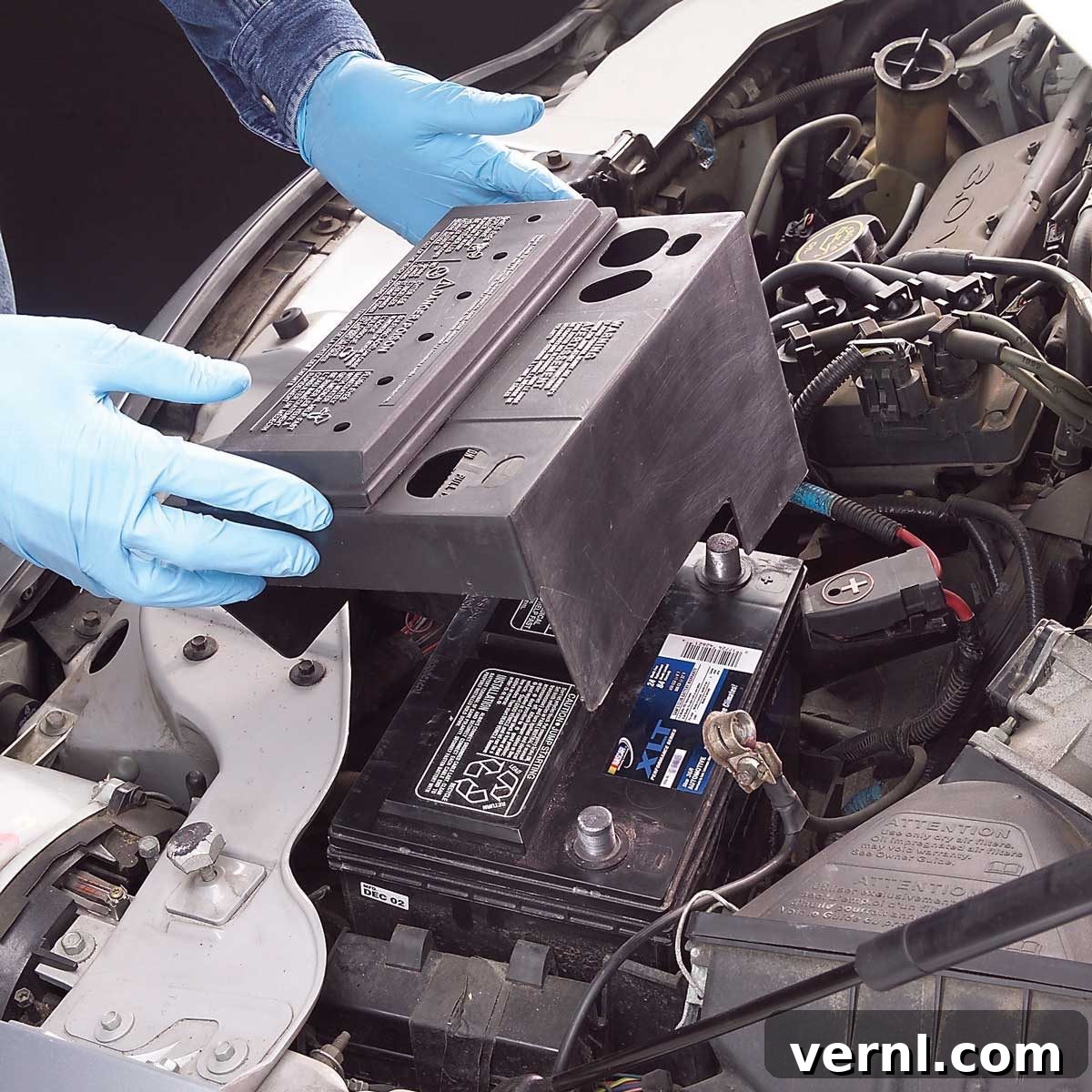
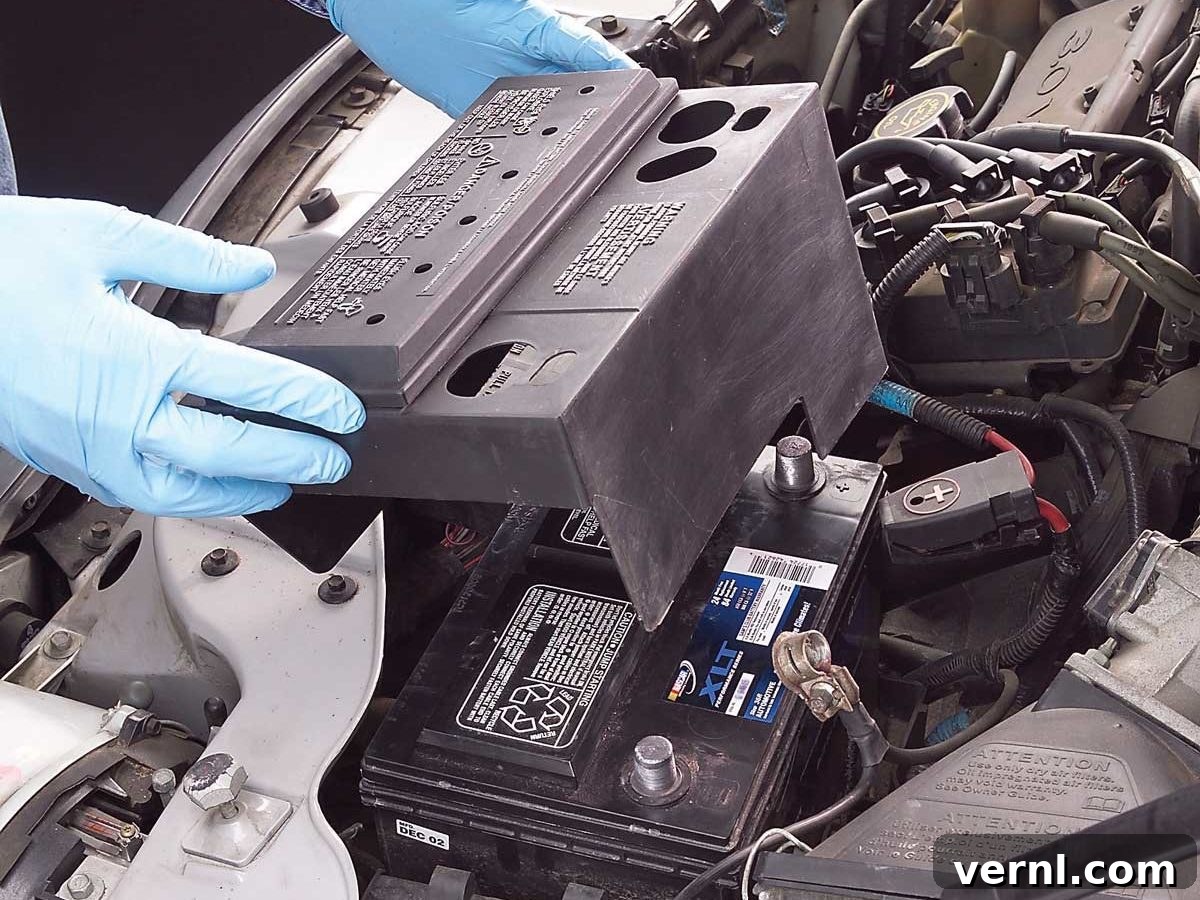
This critical understanding of temperature’s impact underscores the vital need for dedicated car battery insulating jackets. “They wrap around the battery and can either passively insulate or, if electrically powered, heat the battery to ensure it starts more easily in freezing conditions,” explains Garrett Tortelli. Often included as standard equipment in late-model vehicles, particularly those sold in regions with extreme climates, this jacket serves as a protective cocoon around the battery. In winter, it helps the battery retain crucial warmth, preventing the electrolyte from becoming sluggish and preserving its cranking power. During the scorching summer months, it shields the battery from the excessive heat radiating from the engine and the environment, slowing down the damaging evaporation and degradation processes.
Neglecting or improperly managing this insulating jacket can have dire consequences for your battery’s health and longevity. Removing one, failing to reinstall it after servicing, or using one that doesn’t fit properly can drastically reduce the battery’s life by nearly two-thirds. This impact is even more pronounced for drivers residing in particularly hot climates where ambient temperatures, combined with engine heat, create an unforgiving environment for an unprotected battery. The small effort to ensure your battery is properly insulated can save you significant inconvenience and expense in the long run.
Beyond the Jacket: Different Types of Battery Insulation
While the standard insulating jacket is common, other forms of car battery insulation offer enhanced protection depending on your specific needs and climate:
- Felt or Polypropylene Jackets: These are common passive insulators, often found in OEM applications. They provide a basic thermal barrier against both heat and cold.
- Thermal Wraps and Blankets: Made from foam, rubber, or specialized composite materials, these wraps offer superior insulation. For extremely cold climates, electrically heated battery blankets are available. These connect to your vehicle’s electrical system or an external power source to gently warm the battery before startup, ensuring optimal performance even in sub-zero temperatures.
- Battery Heat Shields: Specifically designed for hot climates, these shields are typically made from reflective materials that deflect radiant heat away from the battery. They are crucial for preventing rapid electrolyte evaporation and internal component damage caused by high temperatures.
- Battery Boxes or Trays: While primarily for securing the battery, some designs incorporate insulating properties to offer an additional layer of thermal protection, especially in custom installations or off-road vehicles.
Battery Replacement Best Practices: Don’t Overlook the Jacket
When the time comes to replace your car battery or even just perform a routine check, it is absolutely vital to pay attention to its insulating jacket. Many drivers, in their haste to swap out a failing battery, either discard the jacket or forget to reinstall it with the new one. This oversight can quickly negate the benefits of a fresh battery. The insulating jacket is an integral part of your vehicle’s battery system design and should always be reinstalled.
Furthermore, if you decide to upgrade to a larger battery with more cold-cranking amps or reserve capacity, the original insulating jacket from your old battery will likely become obsolete due to size differences. In such cases, it is imperative to acquire a replacement jacket that precisely fits the dimensions of your new battery. An ill-fitting or loose jacket cannot effectively perform its protective function, leaving your battery vulnerable to temperature extremes. Always prioritize a snug, proper fit for maximum thermal efficiency.
Does Your Vehicle Require a Battery Insulating Jacket?
If you’ve recently purchased a used vehicle, had its battery replaced by a third party, or simply haven’t checked, it might be an opportune time to inspect your car for a battery insulating jacket. Most modern vehicles are equipped with these jackets as a standard feature, recognizing their importance for longevity and reliability. However, older models, certain budget brands, or vehicles that have undergone previous battery services might be missing this crucial component.
Adding an insulating jacket or a suitable heat shield is a relatively small investment, both in terms of cost and effort, but it yields significant returns in prolonging your car battery’s life and ensuring consistent, reliable performance. A quick trip to your local auto parts store or a consultation with a certified mechanic can confirm whether your vehicle needs this vital protection. Consider it an essential upgrade for peace of mind, especially if you live in an area prone to harsh winters or scorching summers.
Frequently Asked Questions About Car Battery Insulation
What materials are recommended for insulating my car battery?
“Foam or rubber-based insulation wraps are common choices for keeping batteries at optimal temperatures,” advises Garrett Tortelli. He also strongly recommends using specialized battery blankets that wrap around the battery. For particularly cold climates, these blankets should be electrified, connecting to the vehicle’s electrical system to pre-warm the battery. “For hot climates, dedicated heat shields made from reflective materials can be strategically used to protect the battery from excessive engine bay heat that might cause it to degrade much faster,” he adds, emphasizing the need to match the insulation type to the environmental conditions.
Can I simply use a standard household blanket for battery insulation?
Jeffrey Rand, President of Interstate Batteries of Las Vegas, emphatically states that this is not a good idea. “The intuitive concept of wrapping a car battery in a regular blanket may seem logical, but standard cotton or wool blankets are entirely unsuitable for battery insulation.” He explains that these materials can absorb moisture and, more critically, they deteriorate rapidly with exposure to battery acid fumes. This deterioration not only renders them ineffective as insulators but can also create a fire hazard if the material contacts hot engine components or interferes with electrical connections. “It’s always best to stick with materials specifically engineered and designed to insulate a car battery, such as rigid foam inserts, purpose-built plastic trays, or durable rubberized wraps, which are resistant to chemicals and designed for automotive environments,” Rand advises.
How does extreme heat specifically damage a car battery?
Extreme heat accelerates the chemical reactions within the battery, including self-discharge and corrosion of the internal lead plates. It also causes the electrolyte (battery fluid) to evaporate faster, leading to lower fluid levels and a more concentrated acid solution. This combination results in reduced battery capacity, weakened internal structure, and ultimately, premature failure. High temperatures can shorten a battery’s life by half or more compared to operating in moderate climates.
Are car battery insulation jackets effective in both hot and cold weather?
Yes, well-designed car battery insulation jackets are effective in both hot and cold conditions. In cold weather, they help retain the heat generated during operation, preventing the battery from becoming too sluggish. In hot weather, they act as a thermal barrier, shielding the battery from the intense heat of the engine bay and ambient temperatures, thus slowing down the harmful effects of heat on the battery’s internal components and electrolyte.
When should I consider replacing my battery’s insulating jacket or heat shield?
You should consider replacing your battery’s insulating jacket or heat shield if it becomes torn, damaged, saturated with battery acid, or if you install a new battery that has a different size or shape from the original. A damaged or ill-fitting jacket cannot provide adequate protection and should be replaced to ensure your battery remains properly insulated.
About the Automotive Battery Experts
- Garrett Tortelli is the Senior Merchandise Manager of Batteries Plus, a leading retailer of batteries and light bulbs.
- Jeffrey Rand is the President of Interstate Batteries of Las Vegas, an authorized distributor for one of the nation’s largest car battery brands.