
Silent Invaders: Understanding and Eliminating Fleas in Pet-Free Homes
The excitement of moving into a new home is a cherished experience for many. However, for my parents, this joy was unexpectedly overshadowed by an unwelcome discovery: a significant flea infestation. The irony was palpable, as the house had been vacant for an extended period, leading to the common assumption that without resident pets, fleas would be a non-issue. This experience highlights a critical misconception: fleas can indeed thrive and persist in a home, even in the complete absence of furry companions.
To unravel this perplexing phenomenon and provide a definitive guide for homeowners, we consulted with leading pest control experts. Their insights shed light on how such infestations can occur in seemingly pet-free environments, how long these resilient parasites can survive, and, most importantly, effective strategies for their detection, elimination, and future prevention. Understanding these aspects is crucial for anyone who might mistakenly believe their pet-free status grants them immunity from fleas.
How Do Fleas Get Into Homes Without Pets?
The notion that fleas only infest homes with pets is a widespread myth. In reality, these agile parasites possess various ingenious methods for infiltrating and establishing themselves in human dwellings. Here are the most common scenarios that lead to a flea infestation in pet-free homes:
Wild Animals as Unwilling Carriers
-
Rodents and Wildlife: Frank Meek, a board-certified entomologist and technical services manager for Orkin, emphasizes that common urban and suburban wildlife, such as mice, rats, squirrels, raccoons, and even stray cats or opossums, are frequent carriers of fleas. These animals often seek shelter in attics, crawl spaces, basements, or even within wall voids of homes. As they move through these spaces, they can inadvertently drop flea eggs, larvae, or even adult fleas. Even if the animal is eventually trapped and removed, the fleas they brought in are often left behind.
-
Relocation of Fleas: Meek further explains a critical aspect of this transmission: “The fleas that previously fed on [the wild animal] are forced to focus their feeding activity on other hosts that reside in the home.” Once their primary host is gone, these hungry fleas will actively seek out any warm-blooded creature, including humans, to feed on, quickly turning a minor nuisance into a full-blown household problem.
-
Access Points: Homes with unsealed cracks in foundations, gaps around pipes, unmaintained vents, or damaged screens provide easy entry points for these flea-carrying animals, facilitating the infestation process.
Hitchhiking on Clothing, Furniture, and Belongings
-
The Power of the Jump: “[Fleas] have the ability to jump as high as six inches,” Meek states. This remarkable athletic ability allows them to easily transfer from one surface to another. This means you don’t even need direct contact with an infested animal to bring fleas into your home.
-
Unsuspecting Travelers: Fleas are adept at “hitching a ride.” They can attach themselves to a wide array of materials. This includes your clothing, shoes, bags, bedding, and even furniture or rugs purchased from a garage sale, thrift store, or an uncleaned storage unit. Visiting a friend’s house with pets, spending time in an outdoor area frequented by wildlife, or even walking through a public park can provide an opportunity for a flea to latch onto your belongings and be unknowingly transported into your pet-free sanctuary.
-
Used Items: Particularly vulnerable are homes that acquire second-hand items. A pre-owned sofa, carpet, or even a box of books from an infested environment can carry dormant flea stages or adult fleas directly into your living space, triggering a new infestation.
The Dormant Threat: Surviving Larvae and Pupae
-
Resilient Life Stages: Nancy Troyano, Ph.D., director of operations, education and training, and a board-certified entomologist with Rentokil, highlights the incredible resilience of developing fleas. “Developing fleas in the larval stage can stay dormant for months, emerging when they detect a food source,” she explains. This dormancy is a key factor in how vacant homes, like my parents’ new house, can harbor fleas.
-
Waiting for a Host: Troyano elaborates on this survival mechanism: “Therefore, if a rental unit has an untreated flea infestation but is then emptied of people and pets, the flea larvae in cocoons can remain dormant for six to 12 months, waiting until they detect a host.” The cocoons provide a protective shield, allowing the pupae to survive harsh conditions and lack of food. When a new host (like a human moving in) generates vibrations, warmth, or exhaled carbon dioxide, it signals to the dormant fleas that a food source is present, prompting them to emerge as hungry adults.
-
Old Infestations: This means that a previous occupant’s untreated flea problem can become a new occupant’s nightmare, even if no pets have been in the home for a year or more. The fleas are simply waiting for an opportunity to resume their life cycle.
Spotting the Silent Invaders: Signs of Fleas in Your Home
Identifying a flea infestation early is crucial for effective treatment. Since you don’t have pets to scratch and alert you, you need to be vigilant for other tell-tale signs. Here are the most common indicators, as advised by Frank Meek:
Unexplained Bites on Humans
-
Distinctive Appearance: Flea bites on humans are often the first and most obvious sign of an infestation, especially in pet-free homes. These bites typically appear as small, red bumps, often surrounded by a reddened halo. They frequently occur in clusters or lines, as fleas tend to bite several times in one area to find a suitable blood vessel.
-
Common Locations: Fleas prefer to bite around the ankles, feet, and lower legs because these areas are easily accessible as they jump onto a host from carpets or furniture. However, bites can appear anywhere on the body, particularly on areas exposed when sitting or sleeping. The bites are extremely itchy, often causing significant discomfort, and can sometimes lead to secondary skin infections from scratching.
-
Allergic Reactions: Some individuals may also develop allergic reactions to flea saliva, leading to larger, more inflamed welts and even hives in severe cases.
The Tell-Tale Flea Dirt
-
What It Is: Flea dirt, scientifically known as flea feces, is essentially digested blood. It appears as tiny, dark, gritty specks, often described as looking like coarse ground black pepper. You’ll typically find this on carpets, rugs, pet bedding (if applicable, or even old bedding left behind), and upholstered furniture.
-
The “Wet Paper” Test: A simple test to confirm flea dirt is to dab a suspected speck with a damp paper towel or tissue. If it’s flea dirt, the specks will dissolve and leave a reddish-brown streak, indicating the presence of dried blood. If it’s just dirt, it will remain gritty and dark.
-
Inspection Areas: Pay close attention to areas where you or previous occupants spent a lot of time sitting or sleeping, as fleas tend to congregate in these zones to ambush hosts.
Visible Fleas: The Unwelcome Sight
-
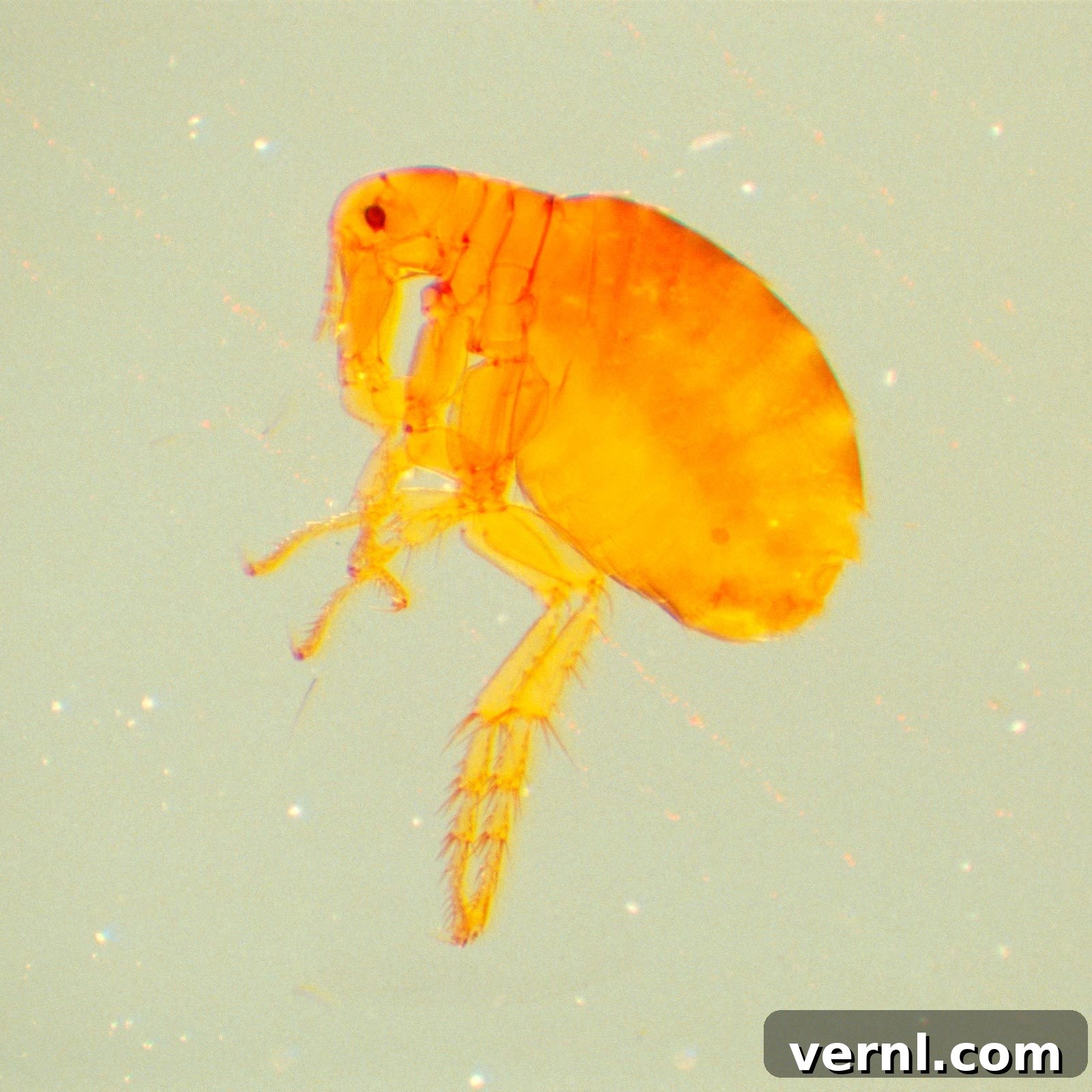
Direct Observation: Adult fleas are relatively easy to see once you know what to look for. They are tiny (about 1/8 inch long), dark reddish-brown, and flattened from side to side, which helps them move easily through hair or carpet fibers. Their powerful hind legs are adapted for jumping, not flying.
-
Peak Activity: In more extreme cases, especially when occupants of a home return after a long vacation or another absence, they are often greeted by a sudden eruption of fleas. The lack of host activity during their absence causes many dormant fleas to emerge simultaneously, desperately seeking a blood meal. You might see dozens, or even hundreds, of fleas jumping around and trying to land on you, creating a disturbing and undeniable sign of a major infestation.
-
Inspection Method: To check for fleas, wear white socks and walk slowly over carpets and rugs. The dark fleas will be more visible against the white background. You might see them jump onto your socks.
Finding Eggs, Larvae, or Pupae
-
Flea Eggs: Flea eggs are tiny (about 0.5 mm), oval, and whitish. They are often laid on a host but quickly fall off into the environment. You might find them in carpets, cracks in flooring, or bedding, though they are difficult to spot with the naked eye.
-
Flea Larvae: Flea larvae are worm-like, legless, and whitish, typically about 2-5 mm long. They are light-sensitive and feed on flea dirt, skin flakes, and other organic debris. They tend to hide in dark, secluded places like under baseboards, deep within carpet fibers, inside cracks and grooves in hardwood floors, or around the edge of carpeting where they are less likely to be disturbed.
-
Flea Pupae: The pupal stage is enclosed in a sticky, silken cocoon, which often gets covered with dust, dirt, or carpet fibers, making it perfectly camouflaged and extremely difficult to detect. This is the stage where fleas can remain dormant for extended periods, waiting for the right conditions to emerge.
The Flea Lifecycle: How Long Can Fleas Live in a Home Without Pets?
The longevity of a flea infestation, even in a pet-free environment, is directly linked to understanding their complex life cycle and their incredible adaptability. This insight is crucial for effective eradication.
Understanding the Flea Life Cycle Stages
The flea life cycle consists of four main stages: egg, larva, pupa, and adult. The duration of each stage varies depending on environmental conditions like temperature, humidity, and the availability of a host.
-
Eggs: Laid on a host, but they quickly fall off into the environment (carpets, bedding, cracks). They hatch within 2-14 days.
-
Larvae: These tiny, worm-like creatures are light-sensitive and burrow deep into carpets, cracks, and under furniture. They feed on flea dirt (adult flea feces) and other organic debris. This stage can last anywhere from 5 to 14 days, but can extend significantly in suboptimal conditions.
-
Pupae: Larvae spin a silken cocoon and transform into pupae. This is the most resilient stage. The pupae can emerge as adults in as little as a week or remain dormant for many months (up to 6-12 months, as noted by Troyano) if no host is detected. Vibrations, warmth, and carbon dioxide from a potential host stimulate them to emerge.
-
Adults: Once they emerge, adult fleas are immediately ready to find a blood meal. Without a host, an adult flea typically dies within a few days to two weeks. However, Meek informed us that under the right conditions – specifically, with a consistent blood source – adult fleas could potentially live for up to 12 months. “As long as there is a host to feed on, untreated flea infestations will continue to thrive,” Troyano confirms.
The Resilient Cat Flea: Ctenocephalides felis
“The most common flea that we see infesting homes in the U.S. is the cat flea, Ctenocephalides felis,” Troyano explains. Despite its name, the cat flea is not exclusive to cats. Its preferred hosts include cats, dogs, and various other mammals such as raccoons, opossums, and even livestock. While these fleas will “readily bite humans to feed,” Troyano clarifies a crucial point: “but cannot proliferate on humans alone.” This means that while humans can serve as a temporary blood meal, fleas cannot complete their entire reproductive cycle by feeding solely on human blood. They require an animal host for successful breeding and population growth, which is why a sustained infestation often indicates the presence of an unseen animal host (like a rodent in the walls) or a previous infestation that left dormant pupae.
Beyond Bites: The Hidden Dangers of Fleas
Beyond the intense itch and discomfort, fleas pose several other significant risks that homeowners should be aware of, even in pet-free environments:
-
Tapeworm Transmission: Troyano warns, “Fleas are also an intermediate host for tapeworms and are commonly associated with tapeworm infections in pets and, occasionally, people.” If a person accidentally ingests an infected flea (e.g., through contaminated food or by handling an infested area and then touching their mouth), they could contract tapeworms.
-
Disease Vectors: While less common in many developed countries, fleas are historical vectors for serious diseases. “Fleas can also transmit diseases such as plague in places where these diseases are endemic,” Troyano notes. Although the risk of plague in most modern homes is extremely low, it underscores the potential health hazards associated with uncontrolled flea populations. Additionally, fleas can transmit other bacterial diseases like typhus.
-
Allergic Reactions: As mentioned, some individuals can develop severe allergic dermatitis (flea allergy dermatitis) from flea bites, leading to painful rashes, persistent itching, and even secondary bacterial infections from constant scratching.
Comprehensive Flea Eradication: How to Get Rid of Fleas
Eliminating a flea infestation, especially one that has been allowed to establish itself in a home without obvious hosts, requires a multi-faceted and persistent approach. Meek correctly states that getting rid of fleas means targeting the root of the problem and all stages of their life cycle.
Initial Steps: Thorough Cleaning and Vacuuming
Before any chemical treatments, meticulous cleaning is paramount:
-
Vacuuming is Key: “Upon identifying an infestation, it’s important to clean your home thoroughly,” Meek advises. Focus intensely on vacuuming all floors, especially carpets and rugs. Use a vacuum with strong suction and a beater bar, as this helps dislodge eggs, larvae, and pupae from carpet fibers. Pay extra attention to areas under furniture, along baseboards, and in cracks where fleas and their offspring tend to hide. Vacuum daily, or even multiple times a day, for several weeks. The vibrations from the vacuum cleaner stimulate dormant pupae to emerge, making them vulnerable to insecticides.
-
Proper Disposal: After each vacuuming session, immediately seal the vacuum bag in a plastic bag and dispose of it in an outdoor trash bin. For bagless vacuums, empty the canister outdoors, clean it thoroughly with hot, soapy water, and replace the filter if possible.
-
Laundry: All linens, including bedding, throws, curtains, and washable cushion covers, should be washed in hot water and dried on the highest heat setting recommended for the fabric. High temperatures kill fleas at all life stages.
-
Hard Surfaces: Mop hard floors (tile, wood, linoleum) with hot, soapy water. Clean all surfaces, including countertops and tabletops, to remove any flea dirt or potential food sources for larvae.
DIY Flea Treatment Options: What Works and What Doesn’t
Once cleaning is done, you might consider over-the-counter treatments. Troyano acknowledges that “There are over-the-counter products that can potentially be effective in lighter infestations.” However, she issues a strong warning:
-
Flea Bombs (Foggers): “However, products such as ‘flea bombs’ may wind up dispersing fleas to a wider area rather than killing them.” Flea bombs often fail to penetrate deep into carpets, cracks, and under furniture where larvae and pupae reside. They mainly affect adult fleas in exposed areas, leaving behind a significant population of developing fleas that will soon emerge. They also leave a chemical residue and require extensive ventilation.
-
Effective Insecticides: For DIY treatment, if chosen, look for insecticides that contain an Insect Growth Regulator (IGR) in addition to an adulticide. “Insecticides used to treat fleas should include ones that are effective at killing adults as well as larvae,” Troyano advises. IGRs prevent flea eggs from hatching and larvae from maturing into adults, breaking the life cycle. Always read and follow product instructions carefully, ensuring proper ventilation and safety precautions.
-
Diatomaceous Earth: Food-grade diatomaceous earth can be sprinkled on carpets and left for a few days before vacuuming. It works by dehydrating fleas (and other insects) upon contact. Ensure it’s food-grade and used cautiously, as inhaling fine dust can be irritating.
The Professional Advantage: When to Call Pest Control
Due to the complexity of the flea life cycle and the resilience of their pupal stage, Troyano strongly recommends hiring a professional for treatment, especially for moderate to severe infestations or if DIY methods have failed. “Eliminating flea infestations is a complex process,” she states.
-
Expert Knowledge: “Pest control professionals are trained to apply the right combination of insecticides to the right places,” Troyano explains. They have access to professional-grade products that are more potent and effective than most over-the-counter options. They understand flea biology and behavior, allowing them to target specific hiding spots and life stages.
-
Customized Solutions: Meek notes, “It’s important to contact your local pest control expert to discuss customized solutions for your home and extermination options.” A professional can assess the severity of your infestation, identify potential entry points for wildlife, and develop a tailored treatment plan that addresses all stages of the flea life cycle.
-
Integrated Pest Management (IPM): Professionals often employ an IPM approach, combining chemical treatments with environmental modifications and homeowner cooperation for long-term control.
Post-Treatment Maintenance: Crucial for Success
Even after professional treatment, your role as a homeowner remains critical. Troyano emphasizes, “However, they do need the help of the homeowner to vacuum several times a day after treatment in order to stimulate the fleas to emerge from their cocoons to contact the insecticide.” This continued vacuuming is vital for drawing out the dormant pupae that are protected from initial insecticide applications. Without it, new waves of adult fleas will continue to emerge, prolonging the infestation.
Preventing Future Flea Infestations: Long-Term Solutions
Once you’ve successfully eradicated fleas from your pet-free home, implementing preventative measures is essential to avoid future re-infestations.
Sealing Entry Points
As Troyano advises, “seal up any foundation-level cracks or access points, whether you have a crawl space or a full basement. Check under decks as well. Simple exclusion techniques like screening can go a long way.” This directly addresses the issue of wild animals bringing fleas into your home:
-
Foundation and Walls: Inspect your home’s exterior for any cracks, gaps, or holes in the foundation, walls, and siding. Seal these with appropriate sealants, mortar, or wire mesh.
-
Vents and Chimneys: Ensure all vents (attic, dryer, foundation) are securely screened. Cap chimneys to prevent squirrels, raccoons, and birds from entering.
-
Doors and Windows: Repair or replace damaged screens on windows and doors. Install door sweeps and repair weather stripping to eliminate gaps at entry points.
-
Decks and Porches: Skirt decks and porches with wire mesh or solid barriers to prevent wildlife from nesting underneath.
Regular Inspection and Maintenance
-
Outdoor Areas: Keep your yard tidy. Mow lawns regularly, trim overgrown shrubs, and remove leaf litter and woodpiles, as these provide harborage for wildlife and fleas. Consider treating outdoor areas where wildlife might frequent with appropriate insecticides or natural deterrents if a recurring problem is identified.
-
Second-Hand Items: Be cautious when bringing used furniture, rugs, or other textiles into your home. Inspect them thoroughly, vacuum them, and if possible, steam clean or treat them before introducing them into your living space.
-
Travel Awareness: If you travel to areas known for flea activity or visit homes with pets, be mindful of fleas hitchhiking on your clothing or luggage. Consider washing travel clothes immediately upon return.
-
Ongoing Vigilance: While pets are excellent early warning systems for fleas, in a pet-free home, you must be your own detective. Regularly check for flea dirt or bites, especially if you spend time outdoors or in areas where wildlife is present.
A flea infestation in a pet-free home can be a frustrating and unsettling experience, but it is by no means an insurmountable challenge. By understanding how these resilient parasites enter and survive in your home, recognizing the subtle signs of their presence, and diligently following expert advice for eradication and prevention, you can reclaim your living space from these tiny, unwelcome invaders. Your home, whether with or without pets, deserves to be a comfortable and flea-free sanctuary.