
Boost Your Home’s Comfort and Cut Energy Bills with Effective Draft Stoppers
In the quest for a more comfortable and energy-efficient home, sometimes the simplest solutions prove to be the most powerful. Improving insulation and regulating indoor temperatures can feel like a daunting task, often bringing to mind expensive renovations. However, a humble yet incredibly effective tool exists: the draft stopper. These ingenious devices provide a crucial barrier against unwanted airflow, sealing breezy gaps along the lower edge of doors, beneath windows, and even across the front of fireplace boxes – anywhere persistent drafts compromise your indoor climate.
By preventing the ingress of cold air in winter and hot air in summer, while simultaneously keeping your conditioned air indoors, draft stoppers are an essential component of any energy-conscious household. They represent a quick, affordable, and remarkably impactful fix for enhancing comfort, reducing energy waste, and ultimately lowering your utility bills.
What Exactly is a Draft Stopper?
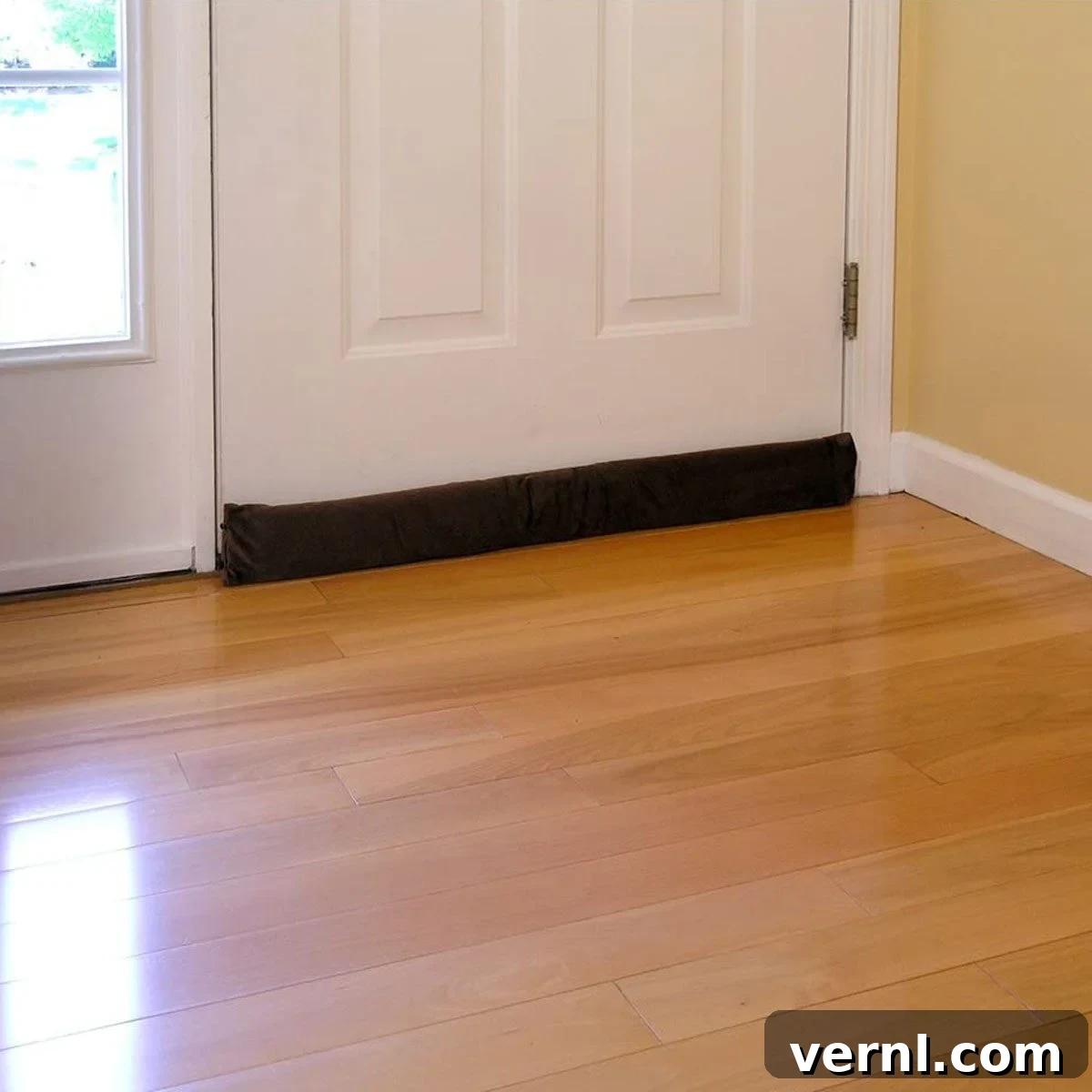
At its core, a draft stopper, often referred to as a draft blocker or door snake, is a simple yet effective device designed to seal gaps where unwanted air infiltrates or escapes your home. Typically, it’s a snakelike or cylindrical tube made of fabric, generously stuffed with various materials such as batting, rice, beans, sand, or even cedar chips. When strategically placed across cracks under doors or along window sills, a draft stopper functions much like a fabric version of weatherstripping. Its primary role is to create a physical barrier that obstructs the flow of air, preventing cold drafts from blowing inside during chilly months and keeping precious warm air from escaping.
The beauty of a draft stopper lies in its dual-action capability. In addition to regulating temperature by blocking air currents, it also serves as an outstanding soundproofing tool. The dense material helps to muffle external noises, contributing to a quieter, more peaceful indoor environment. Furthermore, this barrier can effectively shut out unpleasant fumes and odors, enhancing the overall quality of your living space. This makes them versatile allies against a range of common household annoyances, providing comfort and tranquility beyond mere temperature control.
The effectiveness of a draft stopper stems from its ability to address microclimates within your home. Even small gaps, when aggregated, can lead to significant air leakage, causing rooms to feel consistently colder or hotter than the thermostat indicates. By directly targeting these specific points of vulnerability, draft stoppers offer a localized solution that yields systemic benefits, making your entire home feel more stable and comfortable without the need for complex installations or significant investments.
Why Are Drafts Such a Problem for Your Home?
Understanding the pervasive issue of drafts is crucial for appreciating the value of draft stoppers. Drafts are essentially uncontrolled air leaks, minute pathways through which conditioned air escapes your home and unconditioned outside air infiltrates. These leaks can occur in numerous places, often unnoticed, yet they collectively undermine your home’s thermal envelope and energy efficiency.
Common culprits for air leaks include gaps under exterior doors, cracks around window frames, ill-fitting pet doors, unsealed utility penetrations, and even electrical outlets on exterior walls. Each of these small openings acts like a tiny vent, constantly exchanging indoor and outdoor air. This exchange leads to fluctuating indoor temperatures, forcing your heating, ventilation, and air conditioning (HVAC) system to work harder and longer to maintain your desired comfort level. The constant struggle of your HVAC system directly translates into increased energy consumption and, consequently, higher utility bills.
Beyond the financial strain, drafts significantly diminish home comfort. Imagine a cozy winter evening, only to be disrupted by a persistent chill wafting from under a door or through a window. This discomfort can make certain areas of your home less inviting or even unusable during extreme weather. Moreover, uncontrolled airflow can carry dust, pollen, and even moisture indoors, potentially affecting indoor air quality and contributing to allergen issues. Addressing drafts isn’t just about saving money; it’s about reclaiming comfort, ensuring consistent indoor temperatures, and creating a healthier living environment for you and your family.
Diverse Types of Draft Stoppers for Every Need
While the classic, sausage-shaped fabric draft stopper is what typically comes to mind, the world of draft-blocking solutions is far more expansive and innovative. Understanding the various types available allows homeowners to select the most appropriate and effective solution for specific problem areas in their residence. Here’s a look at the diverse range of draft stoppers and complementary solutions:
- Traditional Fabric Draft Stoppers: These are the most common and versatile. They come in various lengths to fit different doors and windows. Some are single-sided, simply laid against the gap, while double-sided versions, often held together by elastic or Velcro, slide under the door and block drafts from both sides, moving with the door for continuous coverage. Fillings range from lightweight batting for easy repositioning to heavier rice or sand for a more secure, weighted seal.
- Silicone Door Sweeps: These are more permanent solutions that attach directly to the bottom of a door. Made of flexible silicone or rubber, they create a durable seal against the threshold. Unlike fabric stoppers, door sweeps require a one-time installation and offer continuous protection, making them ideal for high-traffic exterior doors. They are highly effective at blocking air, dust, and even insects.
- Permanent Weatherstripping: This category encompasses rubberized, foam, or brush-style seals that adhere around the frames of doors, sliding glass doors, garage doors, and windows. They compress when the door or window is closed, creating an airtight seal. Weatherstripping is a foundational element of home insulation, offering a long-term solution against drafts. It’s particularly useful for older homes where frames may have settled, creating small but significant gaps.
- Chimney Balloons and Fireplace Plugs: Fireplaces, while charming, can be major sources of drafts when not in use. A chimney acts as a direct conduit for outside air. Inflatable chimney balloons or foam rubber wedges are inserted into the flue when the fireplace is cold and inactive. They expand to create a tight seal, blocking cold air from descending and conditioned air from escaping up the chimney.
- Thermal Drapes and Window Treatments: While not direct draft stoppers in the traditional sense, thermal drapes and curtains play a crucial role in mitigating drafts around windows. Made with multiple layers of fabric, often with an insulating lining, they create a thermal barrier that reduces heat transfer and blocks air movement near the windowpane. When combined with traditional draft stoppers on the windowsill, they offer comprehensive window insulation.
- Outlet and Switch Sealers: Often overlooked, electrical outlets and light switches on exterior walls can be surprisingly significant sources of drafts. Thin foam gaskets designed to fit behind the cover plates of these fixtures provide a simple, inexpensive, and permanent seal against air leakage.
- Insulation Gap Fillers: While this often requires more advanced home improvement, addressing larger wall insulation gaps or sealing penetrations for pipes and wires with expanding foam or caulk is crucial for a truly draft-free home. These are typically permanent fixes that complement the temporary or semi-permanent solutions listed above.
Each type offers distinct advantages, and a combination of these methods often yields the best results, creating a holistic strategy for a comfortable, energy-efficient living space.
Do Draft Stoppers Really Save Energy and Money? The Undeniable Truth
The answer is an unequivocal yes. Because draft stoppers efficiently prevent air from flowing freely in and out of your home, there is no doubt they can lead to substantial savings on your energy bills. The principle is simple yet powerful: by eliminating drafts, you significantly reduce the workload on your heating and cooling systems, translating directly into lower energy consumption.
Consider this: your furnace or air conditioner is constantly battling to maintain a set temperature. When drafts allow cold air to seep in during winter or warm air during summer, your system must run more frequently and for longer periods to compensate for the lost conditioned air. This continuous battle against external temperatures leads to excessive energy use. A draft stopper acts as a vigilant guardian, sealing these vulnerabilities and allowing your HVAC system to operate more efficiently. It reduces the amount of heat lost in winter and cool air escaping in summer, stabilizing your home’s internal temperature with less effort from your appliances.
Estimates suggest that air leaks can account for a significant percentage of a home’s heat loss—sometimes as much as 10-20% of your total heating and cooling costs. By investing in simple, inexpensive draft stoppers, you are effectively plugging these hidden money drains. Don’t throw money out the window or under the door. A simple, well-placed draft stopper is a cost-effective, air-tight, and energy-conserving solution that delivers tangible savings year after year. It’s one of the quickest and most affordable ways to make your home more energy-efficient and put more money back into your pocket.
When and Where to Deploy Your Draft Stoppers for Maximum Effect
The versatility of draft stoppers means they can be utilized almost any time you want to enhance your home’s comfort and energy efficiency, but certain periods and locations yield optimal results. You’ll often notice an almost immediate improvement in a room’s temperature stability once a draft stopper is properly positioned.
Seasonal Use:
- Winter: This is unequivocally the optimum time to deploy your draft stoppers. As temperatures plummet, cold drafts from under doors and around windows can make rooms feel perpetually chilly, even with the heat on. Draft stoppers create a vital barrier, preventing icy blasts from permeating your living spaces and keeping warm air securely trapped inside. This not only makes your home feel cozier but also dramatically reduces the need for your furnace to cycle on, leading to significant heating bill savings.
- Summer: While commonly associated with winter, draft stoppers are equally effective in the warmer months. They can keep you cool by blocking out hot air during the summer months. Just as they prevent cold air from entering, they stop heat and humidity from infiltrating your home, helping your air conditioning system run more efficiently and maintaining a refreshing indoor climate.
- Year-Round: Beyond extreme temperatures, draft stoppers contribute to overall indoor air quality and comfort throughout the year. They can help block dust, pollen, and even insects, making your home a cleaner and more pleasant environment regardless of the season.
Strategic Placement:
- Exterior Doors: Your front door, back door, patio doors, and even garage access doors are prime candidates for drafts. These are often the largest and most frequently used openings to the outside, making them significant sources of air leakage.
- Windows: Older windows, especially those that are not double-paned or well-sealed, can be notorious for letting in drafts. Placing draft stoppers along the sills provides an extra layer of insulation.
- Fireplaces: When not in use, the chimney flue acts like a giant open window. A fireplace draft stopper or fireplace blanket can effectively block this large opening, preventing cold air from entering your home and warm air from escaping.
- Utility Room Doors: Doors leading to unheated garages, basements, or utility rooms can also be major sources of drafts, pulling cold air into your main living areas.
- Internal Doors: While less critical for energy saving, draft stoppers can also be used on internal doors to block sounds, odors, or light from other rooms, enhancing privacy and comfort within different zones of your home.
By strategically placing draft stoppers in these key areas, you can create a more consistently comfortable home environment, reduce energy waste, and enjoy tangible benefits almost immediately.
Store-Bought vs. DIY Draft Stoppers: Finding Your Perfect Solution
When it comes to acquiring draft stoppers, you have two excellent paths: convenient store-bought options or the rewarding route of DIY. Both offer unique advantages, catering to different preferences and needs.
Store-Bought Draft Stoppers: Convenience and Innovation
The market is flooded with a plethora of fun, functional, and inexpensive draft stoppers, designed to suit every aesthetic and specific requirement. These pre-made solutions offer immediate relief from drafts without any effort on your part beyond selection and placement. You can find:
- Aesthetic Designs: From cute animal shapes like the Giraffe Door Draft Stopper by Maxtid to sleek, minimalist designs that blend seamlessly with modern decor, there’s a style for every home. These can add a touch of personality while serving a practical purpose.
- Innovative Features: Some store-bought draft stoppers come with advanced features. Magnetic versions, such as the Evelots Door Draft Stopper, are designed for steel doors, offering a secure, self-adjusting seal. Others have adhesive strips for windows or can be cut to custom lengths.
- Specialized Solutions: You can find specific products like fireplace blankets or heavy-duty industrial-grade door sweeps for more demanding environments.
- Variety of Materials and Fillings: Store-bought options often feature durable, easy-to-clean fabrics and a range of fillings optimized for weight and insulation.
The main advantages of buying a draft stopper are convenience, a wide array of choices, and often specialized designs that might be harder to replicate at home. They are a quick fix for busy individuals looking for an immediate solution.
DIY Draft Stoppers: Customization and Sustainability
For those who enjoy a bit of crafting or prefer a more personalized and budget-friendly approach, making your own draft stopper is an incredibly satisfying project. Draft stoppers are super-easy and cheap to construct, requiring minimal materials and basic sewing skills.
How to Craft Your Own Draft Stopper:
- Choose Your Casing Material: First, select a piece of sturdy fabric for the cylindrical casing. Durable options like denim, canvas, or upholstery fabric are excellent for longevity. For a softer touch, consider fleece or flannel. Be sure it measures a few inches longer than the width of the door or window you intend to seal, to allow for overlap and a snug fit. A common dimension is 3-4 feet long and about 10-12 inches wide, which you’ll fold and sew.
- Prepare the Fabric: Fold your chosen fabric lengthwise, right sides together, and sew a seam along the long edge and one short end, creating a tube. Leave one short end open for filling.
- Select Your Filling: Next, choose a filling material. This is where you can get creative and sustainable!
- Batting or Fleece Scraps: Lightweight and insulating, perfect for windows or doors where less weight is needed.
- Rice, Dried Beans, or Sand: Excellent for adding weight, ensuring the stopper stays firmly in place against the draft. For sand, consider using a separate inner bag to prevent leakage.
- Cedar Chips: Offer a fresh, natural scent, doubling as a subtle air freshener.
- Fabric Scraps: A fantastic way to repurpose old clothes or remnants, making your draft stopper eco-friendly.
You can also mix fillings, for example, using sand at the ends for weight and batting in the middle for bulk.
- Stuff the Tube: Begin stuffing the tube evenly with your chosen material. Use a funnel for granular fillings like rice or beans. Ensure the filling is distributed consistently along the length of the tube.
- Seal the Ends: Once filled, stitch the remaining open end closed, either by hand or machine. You can fold the raw edges inward for a clean finish before sewing.
Your custom-made draft stopper is now ready to do its job!
Pro Tip: Don’t overfill the tube. If it’s too stiff and rigid, it won’t be able to conform snugly against the door or window frame, leaving small gaps that defeat its purpose. A slightly pliable stopper will provide a more effective seal.
DIY draft stoppers offer the unique advantages of being highly customizable in terms of size, fabric, and filling, as well as being a significantly more cost-effective and environmentally friendly option, especially if you repurpose old materials.
Installation and Maintenance Tips for Long-Lasting Comfort
To maximize the effectiveness and lifespan of your draft stoppers, proper installation and a little maintenance go a long way.
Effective Placement:
- Snug Fit: Always ensure the draft stopper fits snugly against the gap it’s meant to seal. For doors, it should touch both the door and the floor or threshold. For windows, it should sit firmly on the sill.
- Length Matters: Measure the width of your door or window precisely. A draft stopper that is too short will leave unsealed gaps, while one that is excessively long might bunch up and not sit flat. Aim for a length that covers the entire gap with a slight overlap if possible.
- Double-Sided Advantage: For doors, consider double-sided draft stoppers that slide under the door. These move with the door, providing continuous protection without needing to be repositioned every time the door is opened or closed.
Care and Maintenance:
- Regular Cleaning: Fabric draft stoppers can accumulate dust, dirt, and pet hair. Most fabric covers can be removed and machine-washed on a gentle cycle. For non-removable covers or delicate fabrics, spot cleaning with a damp cloth and mild detergent is recommended. Ensure the stopper is completely dry before placing it back to prevent mildew.
- Check for Wear: Periodically inspect your draft stoppers for signs of wear and tear, such as rips in the fabric or flattening of the filling. Over time, fillings like batting can compress, reducing effectiveness.
- Refilling/Repairing: If a DIY stopper loses its bulk, it’s easy to unstitch one end, add more filling, and reseal it. For store-bought versions, if the fabric is torn or the filling completely flat, it might be more practical to replace it.
- Seasonal Storage: If you use certain draft stoppers only seasonally (e.g., heavy, weighted ones for deep winter), clean them thoroughly before storing them in a dry, cool place to prolong their life.
By following these simple tips, your draft stoppers will continue to provide efficient service, keeping your home comfortable and energy-efficient for years to come.
Embrace Comfort and Savings: The Power of Draft Stoppers
In conclusion, the seemingly simple draft stopper is a remarkably powerful tool in the arsenal of any homeowner aiming for greater comfort and significant energy savings. From traditional fabric snakes to innovative magnetic designs and permanent weatherstripping solutions, these devices serve as vigilant guardians against the relentless intrusion of drafts that compromise our indoor environments.
By diligently sealing those often-overlooked gaps under doors, around windows, and within fireplace openings, draft stoppers directly reduce the burden on your heating and cooling systems. This not only translates into noticeably lower utility bills but also creates a more stable, comfortable, and peaceful home atmosphere, free from temperature fluctuations, disruptive noises, and unwelcome odors.
Whether you choose the convenience of a store-bought option or the satisfaction of a custom-made DIY project, the investment in draft stoppers is minimal, while the returns in comfort, energy efficiency, and cost savings are substantial and immediate. Don’t underestimate the impact of these small but mighty energy savers. Embrace the simple solution of draft stoppers and transform your house into a haven of consistent comfort and efficiency, all year round.