
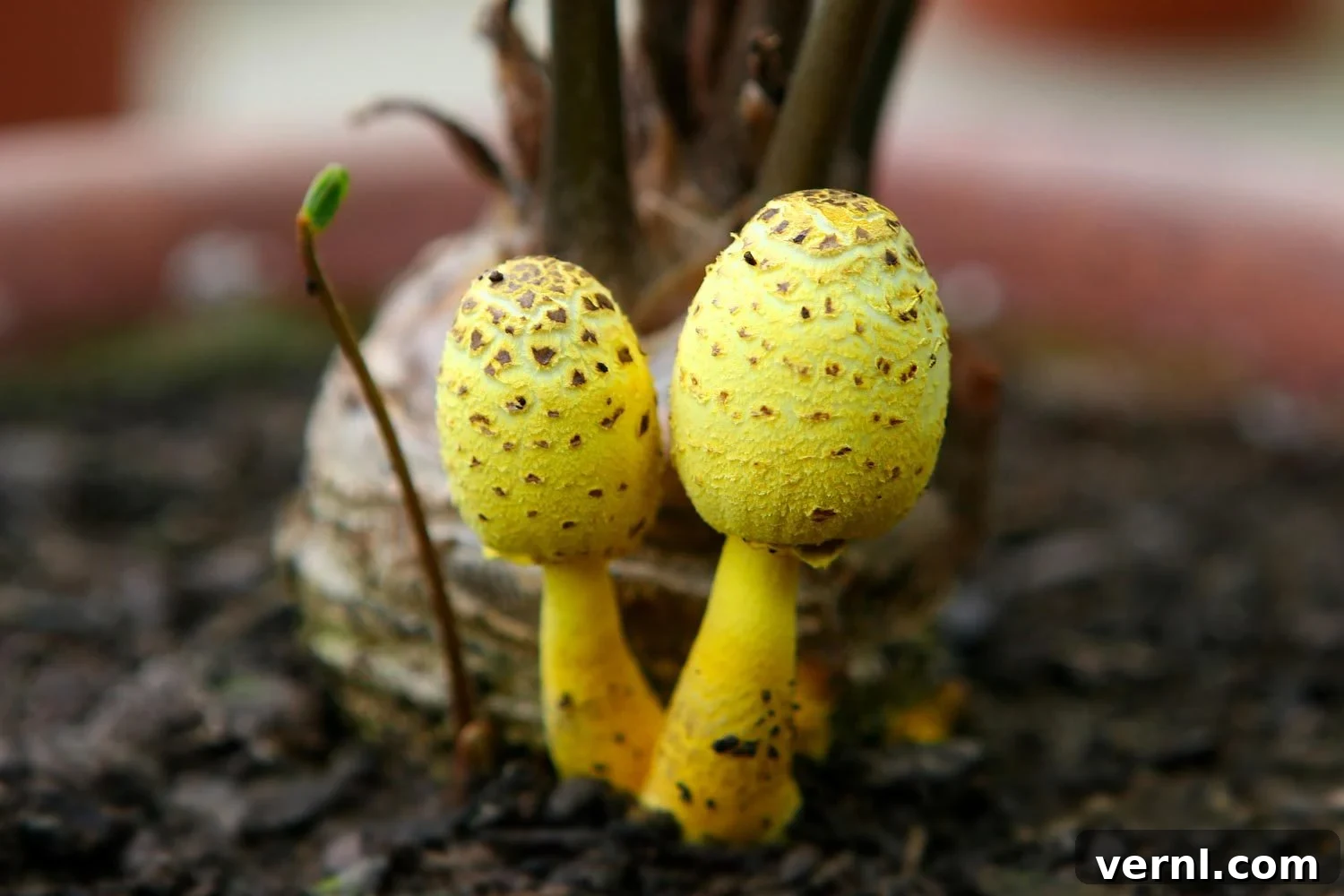
As a devoted plant parent, maintaining the vibrant health of your indoor companions is a constant endeavor. Your eyes are trained to spot any deviation from the norm, whether it’s the tell-tale signs of yellowing leaves, wilting foliage, or the subtle indications of soggy roots. These familiar symptoms often guide you in adjusting your plant care routine to ensure your beloved greenery thrives. However, among the myriad of visual cues your plants present, there’s one phenomenon that can appear particularly perplexing and even alarming: the sudden emergence of mushrooms sprouting from the soil of your houseplants.
These unexpected visitors, often characterized by their striking bright yellow hue, tend to spark immediate concern. Are they a symptom of a deeper problem? Do they pose a risk to your cherished plants or, more importantly, to the inhabitants of your home, including pets and small children? This comprehensive guide aims to demystify these intriguing fungi, offering clarity on their identity, why they appear, their true impact, and practical, SEO-friendly methods for managing them. We’ll explore everything you need to know, from the specific species commonly found in indoor pots to effective strategies for removal and proactive prevention.
What Are the Yellow Mushrooms Growing in My Houseplant Soil?
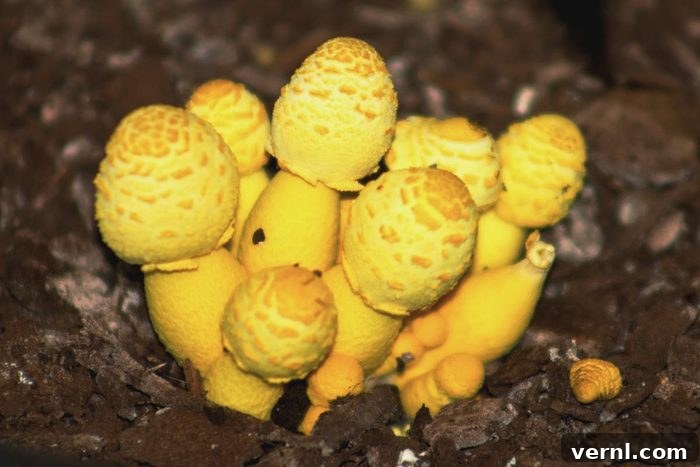
When you spot a small, vibrant yellow mushroom emerging from your houseplant’s potting mix, you are most likely encountering Leucocoprinus birnbaumii. This particular species is overwhelmingly the most common yellow fungus found thriving in potted plants and greenhouse environments worldwide. It’s so prevalent in indoor settings that it has earned several descriptive common names, including the “yellow houseplant mushroom,” “yellow parasol,” and “flower pot parasol.” Another frequently used moniker is the “plantpot dapperling,” which aptly describes its often delicate and somewhat elegant appearance.
These distinctive fungi typically grow to a height of one to three inches. Their caps, which can range from ovular in their nascent stages to a more classic bell-shape as they mature, can expand up to two inches in diameter. You might find them growing as solitary specimens, adding a touch of unexpected color to your pot, or they could appear in charming clusters, creating a miniature fungal landscape. The entire fruiting body, from stem to cap, usually exhibits that characteristic bright sulfur-yellow coloration. Understanding this specific identification, as highlighted by authoritative sources like Iowa State University’s Horticulture and Home Pest News, is the first step in addressing its presence.
Why Are Yellow Mushrooms Appearing in My Houseplant Soil?
The sudden appearance of mushrooms can be puzzling, but their presence is usually a sign of specific environmental conditions coupled with the origin of your potting mix. Leucocoprinus birnbaumii, like many fungi, flourishes in environments that are consistently warm and humid. These conditions are often precisely what we strive to create for many tropical houseplants, inadvertently making our homes ideal habitats for these yellow fungi to sprout year-round.
While many plant owners might initially jump to the conclusion that overwatering is the sole culprit, leading to a moist soil environment, this isn’t always the direct cause. While excessive moisture certainly contributes to an inviting habitat for fungal growth, the primary reason for their appearance often lies within the potting medium itself. As explained by resources like Garden Know How, the spores responsible for mushrooms growing in houseplant soil are commonly introduced via contaminated soilless mixes. Potting soil, being rich in organic matter (like peat moss, coir, or compost), provides an abundant food source for these fungi. Spores can sometimes be present in these mixes from manufacturing or storage, waiting for the right conditions—warmth, moisture, and organic material—to germinate and produce visible mushrooms.
Beyond the potting mix, there are other potential vectors for these tiny spores. They can be carried indoors by air currents, hitch a ride on clothing, pet fur, or gardening tools that have been used outdoors. Even new plants you bring home might harbor dormant spores in their soil. Essentially, once the spores are present and the environment is conducive, it’s only a matter of time before these fascinating yellow fungi make their appearance.
Are the Yellow Mushrooms in My Houseplant Dangerous?
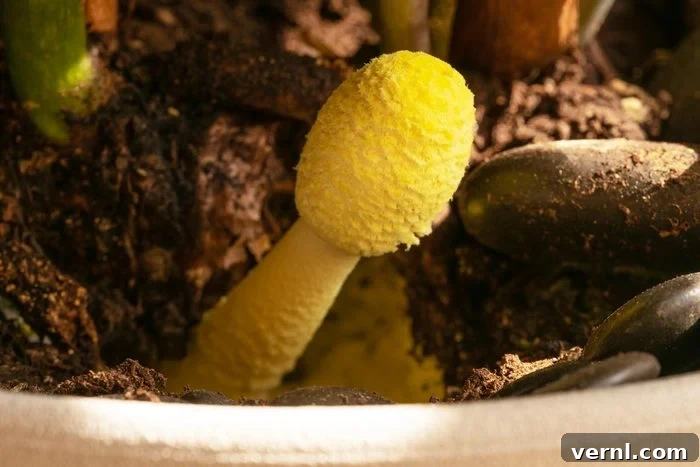
This is perhaps the most pressing question for any plant parent discovering these bright yellow growths. The good news is that for the vast majority of houseplants, the presence of Leucocoprinus birnbaumii is generally not harmful to the plant itself. In fact, these fungi often play a beneficial role within the soil ecosystem.
Impact on Your Houseplant
Dan Gill, a respected garden columnist, offers reassuring insight, stating that the fungus responsible for these mushrooms is primarily “just decaying the organic matter in the potting mix.” This saprophytic nature means they feed on dead or decaying organic material, breaking it down into simpler compounds that can then be reabsorbed by the plant. Far from being detrimental, this decomposition process is vital for nutrient cycling in the soil, enriching the environment for your houseplant. Gill even recommends ignoring it if concerns about ingestion aren’t present.
Further elaborating on their beneficial aspects, resources like TheSill.com explain that mushrooms perform several vital functions within their ecosystem. They actively absorb ammonium, a nitrogen compound, which is crucial for plant growth. Moreover, they aid in solubilizing and mobilizing essential metals and phosphates, making these vital nutrients more accessible to your plant’s roots. This often happens through an extensive underground network of fungal threads called mycelium.
The mycelial network is a fascinating aspect of fungal life. It’s a vast, intricate web that spreads throughout the soil, connecting different areas and even different plants. This network acts as an underground communication system. Per TheSill.com, “Nearby plants will boost their own innate defenses [against insects] if they hear over the mycelium that one of their neighbors is being attacked.” This incredible natural intelligence suggests that fungi not only provide essential nutrients but also offer valuable “intel” to the houseplants, enhancing their resilience and overall health. So, in many ways, these mushrooms can be seen as helpful members of your plant’s soil community.
Toxicity to Pets and Humans
Despite their beneficial role in the soil, there’s a critical reason to consider removing these yellow mushrooms: their potential toxicity to pets and humans. While generally not considered deadly, Leucocoprinus birnbaumii is known to be mildly poisonous if ingested. Symptoms can include gastrointestinal distress such as nausea, vomiting, and diarrhea. This risk is particularly significant in households with curious pets or small children who might be tempted to touch or taste the brightly colored fungi.
For this reason, Iowa State University’s Horticulture and Home Pest News strongly advises removing the mushrooms as soon as they appear, especially if “pets or small children reside in the home.” It’s always better to err on the side of caution when it comes to the safety of vulnerable family members. If ingestion is suspected, it is imperative to seek immediate medical or veterinary attention.
How Can I Effectively Get Rid of Yellow Mushrooms in My Houseplant?
While these yellow fungi are generally harmless to your plants and even beneficial to the soil ecosystem, their potential toxicity to pets and humans makes removal a priority for many plant owners. If you decide to eliminate them, follow these steps, building upon the advice from sources like Garden Know How, for the most effective results:
- Promptly Remove the Mushroom Caps: This is the most immediate and crucial step. As soon as you spot any yellow mushrooms, carefully pluck or snip off their caps. The primary goal here is to prevent the mushrooms from reaching maturity and releasing their spores. Spores are microscopic reproductive units that can easily spread throughout your home, leading to new fungal growth in other pots. Discard the caps in a sealed bag in the outdoor trash to prevent further spread. Always wear gloves during this process.
- Consider a Partial or Full Soil Change: The most effective way to eliminate the fungal mycelium (the underlying network that produces the mushrooms) is to remove its food source and the spores it originated from.
- Full Soil Change (Recommended): Gently remove the plant from its pot. Carefully shake off as much of the old, potentially contaminated potting mix from the roots as possible without damaging them. Repot the plant into a clean pot using fresh, sterile, uncontaminated potting soil. Ensure the new pot is clean, as spores can cling to old pot surfaces.
- Partial Soil Change (Alternative): If repotting the plant is not feasible due to its size, fragility, or simply convenience, an alternative is to remove the top two to three inches of the existing soil. This is where most of the fungal activity and spores are concentrated. Replace it with fresh, sterile potting mix. While less effective than a full change, it can significantly reduce the fungal load and prevent immediate re-sprouting.
- Re-evaluate Fungicide Application: The effectiveness of fungicides against saprophytic mushrooms like Leucocoprinus birnbaumii is often debated. While some sources might suggest specific products, general horticultural fungicides are typically designed for pathogenic fungi that directly attack plants, not decomposers. Iowa State University’s Horticulture and Home Pest News, for example, claims fungicides don’t affect them. Prioritize environmental controls and physical removal over chemical treatments for these specific mushrooms, especially in an indoor setting where chemical use should be minimized.
- Alter Environmental Conditions: Since these mushrooms thrive in warm, humid environments, modifying these conditions can make your houseplant’s pot less hospitable for their growth.
- Lessen Humidity: Reduce misting frequency for the affected plant. Ensure good air circulation around your plants, perhaps by placing them near a fan on a low setting or opening windows for natural ventilation. If you have a humidifier, consider reducing its output or moving the affected plant further away.
- Lower Soil Moisture: While overwatering isn’t always the direct cause of their presence, consistently moist soil encourages their growth. Allow the top inch or two of soil to dry out completely between waterings. Use a moisture meter or simply feel the soil with your finger to gauge its dryness. Ensure your pot has adequate drainage holes to prevent waterlogging.
While none of these methods offer an absolute, foolproof guarantee against a future mushroom invasion, consistently applying these strategies will significantly decrease the likelihood of their recurrence. The key is a combination of direct removal and environmental management. Remember, since these mushrooms are only poisonous if ingested, a pragmatic approach, especially if you have pets or children, is to simply place the houseplants with potential fungal growth well beyond their reach. This allows the beneficial fungi to continue their work in the soil while ensuring the safety of your family.
Preventative Measures to Keep Yellow Mushrooms at Bay
Beyond removal, taking proactive steps can help prevent future appearances of Leucocoprinus birnbaumii:
- Use High-Quality, Sterile Potting Mix: Always opt for reputable brands of potting soil. While no mix is 100% sterile indefinitely, higher quality products are less likely to contain a heavy spore load from the outset. Consider sterilizing your own potting mix if you’re particularly concerned, though this is often unnecessary for commercial mixes.
- Inspect New Plants: Before introducing any new houseplants into your collection, thoroughly inspect their soil for any signs of fungal growth or mushrooms. Isolate new plants for a few weeks if you suspect any issues.
- Maintain Good Air Circulation: Proper airflow helps dry out the topsoil more quickly and reduces overall humidity around the plant foliage and soil surface.
- Avoid Overwatering: While not the sole cause, persistently soggy soil creates the perfect breeding ground for dormant spores to germinate. Practice proper watering techniques tailored to each plant’s needs.
- Clean Your Tools: Regularly clean and sterilize your gardening tools, especially if you use them for multiple plants or for both indoor and outdoor gardening. This prevents the unintentional transfer of spores.
In conclusion, discovering yellow mushrooms in your houseplant’s soil is a common occurrence that, while visually striking, is rarely a cause for alarm concerning your plant’s health. These fascinating fungi play a beneficial role in decomposing organic matter and enriching the soil. However, their potential toxicity to pets and humans necessitates careful management. By understanding their nature, implementing effective removal techniques, and adopting preventative measures, you can ensure a safe and thriving indoor garden environment for everyone.