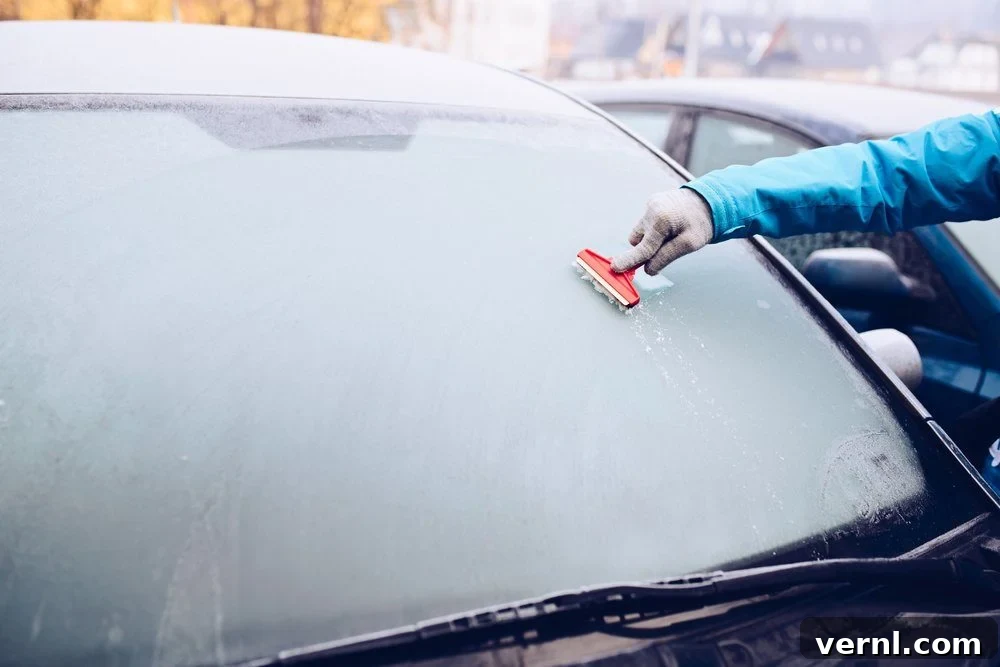
The Ultimate Guide to Rapid Windshield Defrosting: Say Goodbye to Winter Scrapes
There are few things more frustrating on a cold winter morning than stepping out, already running behind schedule, only to find your car’s windshield completely frosted over. That opaque sheet of ice not only delays your commute but also poses a significant safety risk. The traditional method of scraping, while necessary at times, can be an arduous, hand-numbing process that seems to take forever.
Fortunately, you don’t have to dread frosty mornings anymore. We’re here to share an incredibly simple yet highly effective trick that will teach you how to defrost your car windows and windshield in mere seconds. This guide will help you reclaim your precious morning minutes, ensure clear visibility, and make your winter drives safer and more pleasant.
The Magic Spray: How to Defrost Car Windows Fast with Rubbing Alcohol
Forget the endless scraping and the dangerous practice of pouring hot water (which can crack your windshield!). The secret to quick ice removal lies in a simple, homemade solution you can prepare in minutes: a spray bottle filled with water and rubbing alcohol.
What You’ll Need:
- A sturdy spray bottle
- One-third part water (tap water is fine)
- Two-thirds part rubbing alcohol (isopropyl alcohol, commonly found at drugstores)
Preparation and Application:
Simply combine the water and rubbing alcohol in your spray bottle. Shake it gently to mix. Keep this filled spray bottle in your car, ready for action. When you encounter a frosty windshield, liberally spray the solution across the entire icy surface. You’ll be amazed as the ice begins to melt almost instantly. A quick wipe with your wipers or a soft cloth will then clear away any remaining residue, leaving you with a crystal-clear view.
Why This Solution Works Like Magic: The Science Behind It
The effectiveness of this DIY de-icer is rooted in basic chemistry. Rubbing alcohol has a significantly lower freezing point than water – specifically, around 128 degrees Fahrenheit below zero (-89 degrees Celsius). When you spray this solution onto ice, the alcohol immediately goes to work:
- It lowers the freezing point of the ice it comes into contact with, causing it to melt rapidly.
- It helps to disrupt the crystalline structure of the ice, making it less cohesive and easier to remove.
- The residual alcohol on the surface can also help to prevent immediate refreezing, offering a brief window of protection on extremely cold mornings.
This powerful combination speeds up the melting process dramatically, reducing your wait time from several minutes to mere seconds.
Safety Considerations and Tips:
- Ventilation: While generally safe, ensure good ventilation when using the spray, especially if applying inside the car to address interior condensation.
- Storage: Store the bottle in your car, but ensure it’s in a place where it won’t freeze solid itself (though less likely with the alcohol content) or be exposed to direct extreme heat.
- Car Finish: Rubbing alcohol is generally safe for car glass and most paint finishes. However, avoid prolonged contact with rubber or plastic seals to prevent potential drying over time. A quick rinse with plain water after de-icing, if convenient, can be beneficial.
- Cost-Effective: This homemade solution is much cheaper than commercial de-icing sprays and uses common household ingredients.
Preventative Measures: Stop Frost Before It Starts
While the alcohol spray is fantastic for rapid defrosting, wouldn’t it be even better to prevent frost from forming in the first place? Here are a couple of ingenious preventative tricks that can significantly reduce your battle against ice.
The Kitty Litter Moisture Trap: A Quirky Yet Effective Solution
This might sound odd, but a simple sock filled with kitty litter can be a game-changer for interior condensation and frost prevention. The principle is simple: kitty litter, especially the silica gel variety, is an excellent desiccant, meaning it absorbs moisture from the air.
How to Prepare and Use:
- Fill a Sock: Take an old, clean sock and fill it with non-clumping kitty litter. Silica gel-based litter is particularly effective due to its high absorbency.
- Secure It: Tie the end of the sock securely or use a rubber band to prevent the litter from spilling out.
- Placement: Place this “moisture trap” on your car’s dashboard, on the rear parcel shelf, or even under the seats. Its primary job is to suck up any humidity inside your vehicle.
Why It Works:
Excess moisture inside your car often condenses on the cold glass surfaces, leading to interior fogging and, in freezing temperatures, a layer of frost on the inside of your windshield. By absorbing this moisture, the kitty litter significantly reduces the chances of interior condensation, thus preventing internal frost from collecting on your windshield.
Maintenance Tip:
When the kitty litter starts to feel heavy or less effective, you can “recharge” it. Spread the litter (or the sock) on a baking sheet and bake it in a low oven (around 200°F / 90°C) for an hour or two. This will dry out the litter, restoring its moisture-absorbing capabilities.
Other Preventative Strategies for Frost-Free Windows:
- Windshield Covers: The most straightforward method is to place a specialized windshield cover or even a large piece of cardboard or an old towel over your windshield overnight. Secure it with your wiper blades or by closing the car doors over the edges. This creates a physical barrier that prevents frost from settling directly on the glass.
- Park Strategically: If possible, park your car facing east. The morning sun can often provide enough warmth to naturally melt away light frost before you even get to your car.
- Clean Interior Windows: A dirty interior window surface provides more nucleation points for moisture to condense and freeze. Regularly cleaning the inside of your windows can reduce interior fogging and frost build-up.
- Check Your Cabin Air Filter: A clogged cabin air filter can restrict airflow and prevent your car’s defroster from working efficiently, leading to more interior condensation.
Comprehensive Winter Car Care: Beyond Defrosting
Effective defrosting is just one part of ensuring your vehicle is ready for winter’s challenges. A little proactive winter car maintenance can save you a lot of hassle and potential breakdowns. Here are some essential winter car tips:
Key Areas to Focus On:
- Battery Health: Cold weather severely impacts battery performance. Have your battery tested before winter sets in. A weak battery is more likely to die in freezing temperatures.
- Tire Condition: Ensure your tires have adequate tread depth. Consider investing in winter tires for superior grip on snow and ice. Always check tire pressure regularly, as it drops in cold weather.
- Wiper Blades and Fluid: Install winter-specific wiper blades if you live in an area with heavy snowfall. Crucially, make sure your windshield washer fluid is a winter-grade formula that won’t freeze in the reservoir or on your windshield.
- Antifreeze Levels: Check your engine’s coolant/antifreeze levels to prevent your engine from freezing.
- Lubricate Door Seals: Apply a silicone-based lubricant to your car’s door and trunk seals to prevent them from freezing shut.
- Emergency Kit: Always keep a winter emergency kit in your car, including jumper cables, blankets, a flashlight, first-aid supplies, a small shovel, and some non-perishable food.
Using Your Car’s Built-In Defroster Effectively:
While DIY methods are great, don’t neglect your car’s own defroster system. For optimal results:
- Start Cold: When you first turn on your car, set the defroster to cold air initially. This prevents moisture from being drawn from the warm engine compartment onto the cold windshield, which can actually worsen fogging.
- Engage AC: Turn on your car’s air conditioning (AC) system, even if you’re using heat. The AC acts as a dehumidifier, removing moisture from the air and helping to clear fog and ice faster.
- Recirculation Off: Ensure your air intake is set to draw in fresh outside air, not recirculate interior air, which can be moisture-laden.
- Be Patient: Once the engine warms up, switch to warm air on the defroster setting. Direct the vents towards the windshield and side windows.
Conclusion: Embrace Frost-Free Winter Mornings
Dealing with a frozen windshield no longer needs to be a source of daily dread. With these incredibly simple yet powerful tricks – from the rapid-action rubbing alcohol spray to the preventative magic of kitty litter – you can conquer winter’s icy grip with ease. By combining these quick defrosting methods with smart preventative strategies and thorough winter car preparation, you’ll not only save time but also ensure clear visibility, making every journey safer. So, stock up on rubbing alcohol, grab an old sock, and get ready to enjoy truly frost-free winter mornings!