
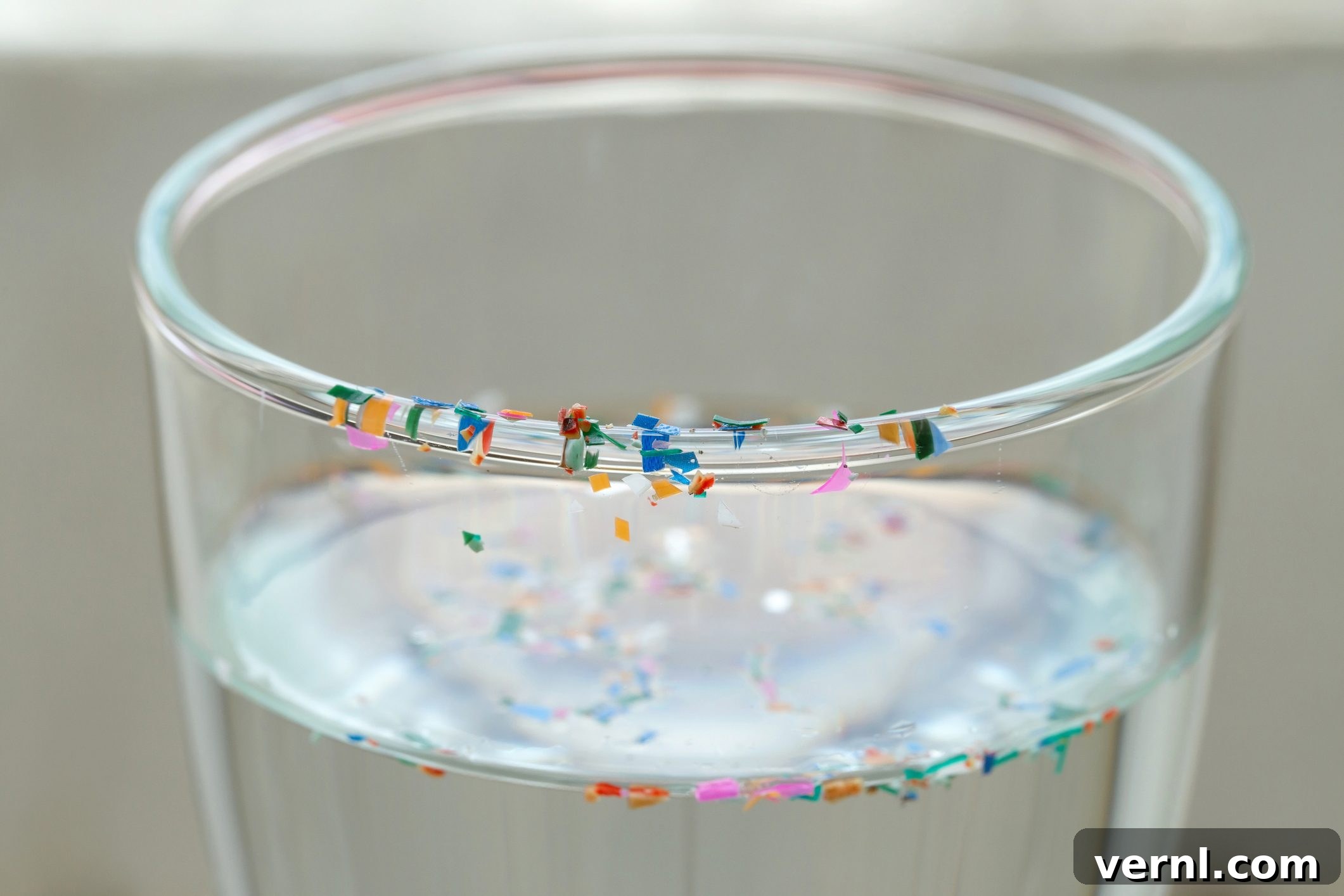
Microplastics are insidious invaders, found in virtually every corner of our planet – from the pristine peaks of mountains to the familiar depths of our morning coffee mugs. They permeate the very air we breathe and the food we consume daily. While scientific research into the precise health implications of these minuscule plastic fragments is still emerging, there is a growing consensus among experts that their dangers will only intensify as they accumulate relentlessly in our air, water, soil, and, ultimately, within our own bodies.
Even in the absence of definitive long-term studies, adopting strategies to limit our exposure to microplastics is a highly sensible and proactive measure. Dr. Fay Couceiro, a distinguished professor of environmental pollution at the University of Portsmouth in the United Kingdom, underscores this prudence.
“Another way to look at it is we are unlikely to ever be stating the health benefits of eating and breathing microplastics,” Dr. Couceiro observes, “so reducing their numbers can only benefit us.” This perspective highlights the precautionary principle: when there’s potential harm, it’s wiser to minimize risk.
While achieving a completely microplastic-free existence is an improbable feat in our modern world, there are numerous practical and effective ways to significantly reduce the quantity of these particles that enter our bodies and homes. By making conscious choices and adjustments in our daily routines, we can create a healthier environment for ourselves and contribute to a larger solution. Here are some of the most impactful tactics for avoiding microplastics in your home and life:
Embrace Natural Materials in Your Home
When making purchasing decisions for household items, prioritize materials that are inherently non-toxic, durable, and designed for multiple uses. Excellent choices include stainless steel, ceramic, and glass. These materials are not only sustainable, aligning with green-living principles, but they also offer superior longevity and functionality. They are far easier to reuse for their original purpose, refill with new contents, repair if damaged, and even share or pass on, fostering a more circular economy and dramatically reducing waste.
In situations where single-use items become unavoidable, a thoughtful approach is still crucial. Erica Cirino, communications manager of the Plastic Pollution Coalition, advises, “be sure to use items that are more likely to be recycled, like aluminum and paper.” Beyond recyclability, consider alternatives that are naturally non-toxic and compostable. Examples include wooden cutlery, packaging made from mycelium (the root structure of mushrooms), or innovative algae straws. These options break down naturally, returning to the earth without leaving behind persistent plastic fragments.
Why Natural Materials Matter:
- Durability: Stainless steel, glass, and ceramic are built to last, reducing the need for frequent replacements.
- Non-Leaching: Unlike some plastics, these materials do not leach harmful chemicals or microplastics into food or beverages.
- Versatility: They can often be used for cooking, storage, and serving without issue.
- Aesthetic Appeal: Many natural materials offer a timeless and elegant look that enhances your home.
Say Goodbye to Bottled Water
One of the simplest yet most impactful changes you can make is to swap out single-use plastic water bottles for a robust, reusable alternative, such as a stainless steel bottle. The convenience of bottled water comes at a significant cost, both environmentally and to your personal health. Erica Cirino emphasizes this point, stating, “If you drink bottled water, you’re consuming at least twice as many plastic particles in your water as those who drink only tap water.” This stark statistic highlights the direct link between plastic packaging and microplastic ingestion.
Reusable bottles offer numerous advantages. Vacuum-insulated models are particularly excellent for various settings, from busy job sites to office environments. They excel at maintaining the temperature of your beverages, keeping drinks cold for hours in the heat or hot throughout the day, eliminating the need for disposable cups or bottles. Investing in a quality reusable bottle not only reduces your microplastic exposure but also lessens your environmental footprint by minimizing plastic waste and saving you money in the long run.
Benefits of Reusable Water Bottles:
- Reduced Microplastic Ingestion: Significantly lowers your intake of plastic particles.
- Environmental Impact: Dramatically cuts down on plastic waste entering landfills and oceans.
- Cost Savings: Tap water is much more economical than continually buying bottled water.
- Healthier Hydration: Encourages you to drink more water throughout the day from a safe container.
Optimize Your Tap Water Filtration
While tap water generally contains fewer microplastics than bottled water, further purification can offer an added layer of protection. Among the various water filtration systems available, reverse osmosis (RO) systems are widely considered the most effective for removing microplastics. These sophisticated systems utilize a semi-permeable membrane to filter out even the smallest particles and dissolved solids. Whether you opt for a whole-home unit, a convenient sink-mount system, or an under-sink installation, RO technology provides comprehensive purification.
Beyond RO, granular activated carbon (GAC) filters also play a crucial role in reducing microplastic contamination. These filters, commonly found in water pitchers and various portable models, are adept at adsorbing a wide range of contaminants, including a significant number of microplastics. However, it’s vital to choose wisely. Tasha Stoiber, a senior scientist at the Environmental Working Group, cautions, “Some of the more inexpensive filters may not be effective though, as they were not designed to remove microplastics.” Therefore, always refer to the manufacturer’s specifications and look for third-party certifications to understand an individual product’s capabilities and ensure it meets your microplastic removal needs.
Types of Water Filters and Their Efficacy:
- Reverse Osmosis (RO): Offers the highest level of filtration for microplastics, typically removing 90-99% of particles.
- Granular Activated Carbon (GAC): Effective at removing larger microplastics and other chemical contaminants.
- Sediment Filters: Primarily designed to remove larger suspended particles, which can include microplastics.
- Whole-Home Systems: Provide filtered water throughout your entire house.
- Point-of-Use Filters: (Under-sink, faucet-mount, pitcher) filter water specifically for drinking and cooking.
Always ensure regular maintenance and filter replacement according to manufacturer guidelines to maintain optimal performance and prevent contaminant buildup.
Proactively Practice Prevention and Pollution Control
The widespread presence of microplastics poses a severe threat to both plant and animal life across all ecosystems. This ecological damage directly impacts humanity, as microplastics move up the food chain, ultimately reaching us when we consume contaminated plants and animals. Furthermore, the health of ecosystems is foundational to our own well-being, providing essential services like clean air and water, and vital food sources. When ecosystems suffer from plastic pollution, so do we.
Because microplastics are notoriously difficult, if not impossible, to remove once they have been released into the environment, the most effective strategy is prevention. This involves a multi-faceted approach:
- Drastically Reduce Single-Use Plastics: Make a conscious effort to minimize your consumption of disposable plastic items, such as shopping bags, plastic wrap, plastic cutlery, and containers. Opt for reusable alternatives whenever possible.
- Active Waste Management: Take personal responsibility by picking up plastic litter whenever you encounter it. Participate in community clean-up efforts, whether at local parks, beaches, or riverbanks. Every piece of plastic removed from the environment is a piece prevented from breaking down into microplastics.
These proactive measures are crucial in curbing the flow of plastic pollution at its source, protecting both the environment and our health from future microplastic accumulation.
Elevate Your Laundry Practices
Our synthetic clothing, made from materials like polyester, nylon, and acrylic, is a significant contributor to microplastic pollution. With every wash cycle, countless microscopic fibers break off from these garments and are flushed down the drain. The vast majority of municipal wastewater treatment plants are not equipped to filter out these minute particles, meaning they ultimately end up in rivers, lakes, and oceans, where they become part of the larger environmental microplastic burden.
To mitigate this issue, several strategies can be employed:
- Washing Machine Filters: Installing a specialized filter in your washing machine can capture a substantial portion of these synthetic fibers before they enter the wastewater system. These can be external devices or integrated systems.
- Laundry Bags/Balls: Using microplastic-catching laundry bags (like Guppyfriend) or balls (like Cora Ball) for your synthetic items during washing can also trap many fibers.
- Reduce Synthetic Clothing: The most direct solution is to simply cut down on purchasing and wearing clothing that contains microplastic fibers. Prioritize garments made from natural materials such as organic cotton, wool, linen, and hemp.
- Wash Less and Smarter: Washing clothes less frequently, using colder water settings, and opting for shorter wash cycles can all help reduce fiber shedding.
- Line Dry Your Clothes: Instead of using a tumble dryer, which agitates clothes and releases microplastics into the air through its exhaust, line dry your garments. This not only saves energy but also significantly reduces the number of microplastics scattered into your home and the atmosphere.
Beyond laundry, regular household cleaning practices also play a role. Consistently dusting surfaces and vacuuming floors, ideally with a vacuum cleaner equipped with a HEPA filter, helps to capture settled microplastic particles that can otherwise become airborne again, reducing your inhalation exposure.
Prioritize Healthier Eating Habits and Food Choices
The adage “you are what you eat” takes on new meaning in the context of microplastics. Tasha Stoiber advises, “Generally, trying to eat more fresh food instead of plastic packaged and processed foods is better.” This recommendation stems from the direct correlation between food packaging and microplastic contamination. Highly processed foods often come in multiple layers of plastic, increasing the likelihood of microplastic transfer.
Make a conscious effort to steer away from plastic-wrapped produce whenever possible. Opt for loose fruits and vegetables, bringing your own reusable produce bags to the grocery store. For canned goods, choose brands that explicitly state they use BPA-free linings. It’s crucial to remember that any food that comes into direct contact with plastic, whether through packaging, storage, or processing equipment, runs the risk of being contaminated by microplastics and associated chemicals.
Melissa Valliant, communications director of Beyond Plastics, highlights a crucial irony: “Ironically, the plastic packages used to protect food are also a source of chemical contamination to the food.” Therefore, actively avoiding foods wrapped in plastic offers a double benefit: it reduces your exposure to microplastics and minimizes your intake of other potentially harmful chemicals that can leach from plastic materials. Consider sources beyond packaging too; microplastics have been found in seafood, sea salt, and even beer, reflecting broader environmental contamination.
Tips for Reducing Microplastics in Your Diet:
- Choose Fresh, Unpackaged Foods: Prioritize whole foods over processed, pre-packaged options.
- Use Reusable Produce Bags: Avoid the thin plastic bags offered at grocery stores.
- Check Can Linings: Opt for BPA-free or plastic-free lined cans.
- Cook at Home: Preparing meals from scratch using fresh ingredients gives you more control over packaging.
- Limit Takeout: Takeout food often comes in plastic containers; consider bringing your own for leftovers or seeking restaurants with eco-friendly packaging.
Upgrade Your Kitchen Tools and Food Storage
The kitchen is a primary area where we interact with food and, consequently, plastic. Making simple swaps here can significantly reduce your microplastic exposure. For instance, replace plastic cutting boards with durable wood cutting boards. Plastic boards tend to get scored and scratched over time, releasing tiny plastic particles directly into your food. Similarly, storing and reheating food in glass containers, rather than plastic, prevents chemical leaching and microplastic transfer, especially when heated.
Transitioning to wooden spoons, bamboo utensils, and metal spatulas instead of plastic cooking tools further minimizes the risk of plastic particles abrading into your meals during preparation. When dining out, be mindful of single-use plastic cups and cutlery; consider bringing your own reusable set. Always carry glass or stainless steel containers for leftovers to avoid accepting plastic takeout boxes.
Key Kitchen Swaps:
- Cutting Boards: Wood or bamboo over plastic.
- Food Storage: Glass, stainless steel, or food-grade silicone over plastic containers.
- Cooking Utensils: Wood, bamboo, or metal over plastic.
- Drinking Vessels: Reusable glass or stainless steel cups instead of single-use plastic.
- Beverage Containers: Glass bottles or carafes for water, milk, or juices.
Invest in Natural Clothing and Bedding
As previously mentioned, synthetic fabrics are a major source of microplastic shedding. When purchasing clothing and bedding, make it a habit to check the labels carefully and consciously opt for items made from natural fibers. Excellent choices include organic cotton, wool, linen, hemp, and silk. These materials are biodegradable, renewable, and do not shed synthetic microfibers into the environment.
“If that t-shirt is polyester, do we need it?” challenges Dr. Couceiro, encouraging a thoughtful approach to our textile consumption. By choosing natural fabrics, you can significantly reduce the number of microplastics we breathe in from airborne lint and those that eventually make their way into our bodies through various pathways.
It’s also important not to overlook less obvious sources: microplastics frequently lurk in baby and pet toys. For children, seek out toys made from natural rubber, untreated wood, or organic cotton. For pets, choose durable toys made from natural materials that won’t easily break down into small, ingestible plastic pieces.
Benefits of Natural Fibers:
- Reduced Microfiber Shedding: Less contribution to environmental plastic pollution.
- Biodegradable: Decompose naturally at the end of their life cycle.
- Breathable and Comfortable: Often offer superior comfort and temperature regulation.
- Sustainable: Many natural fibers are renewable resources, especially when organically grown.
Detox Your Personal Care Routine
The beauty and personal care industry has historically been a significant source of microplastic pollution, primarily through the use of plastic microbeads. These tiny plastic spheres were once common in a wide array of products, including exfoliating facial scrubs, body washes, toothpastes, sunscreens, deodorants, makeup, and nail polishes, acting as abrasives or opacifiers. While some countries have banned microbeads in rinse-off products (like the U.S. Microbead-Free Waters Act), they can still be present in other product types or in products sold internationally.
It’s essential to do a little research and read ingredient labels to identify and avoid brands that still use plastic microbeads. Look for ingredients like polyethylene (PE), polypropylene (PP), polyethylene terephthalate (PET), polymethyl methacrylate (PMMA), and nylon. Instead, choose products that utilize natural exfoliants such as sugar, salt, ground nuts, coffee grounds, or jojoba beads. Beyond microbeads, also consider the plastic packaging of your personal care items. Opt for products in glass jars, metal tins, or cardboard packaging, or explore solid bar alternatives for shampoos, conditioners, and soaps, which drastically cut down on plastic waste.
Steps to Unplasticize Your Personal Care:
- Check Labels for Microbeads: Avoid PE, PP, PET, PMMA, Nylon.
- Choose Natural Exfoliants: Opt for products with sugar, salt, or natural grains.
- Embrace Bar Products: Solid shampoos, conditioners, and soaps eliminate plastic bottles.
- Look for Alternative Packaging: Prioritize glass, metal, or cardboard.
- Consider DIY: Many personal care products can be made at home with natural ingredients.
Join the Plastic Free July Challenge
Sometimes, individual actions feel small in the face of a global problem. That’s where collective movements like the Plastic Free July Challenge come in. This initiative encourages millions of people worldwide to go plastic-free for the entire month of July. Joining this challenge is an excellent way to kickstart your journey toward reducing plastic consumption and mitigating microplastic exposure.
The Plastic Free July campaign is more than just a pledge; it’s a supportive community that provides practical guidance and motivation. You can sign up for emails that deliver valuable tips, clever tricks, and inspirational ideas to help you navigate everyday life without plastic. It’s a fantastic opportunity to discover new habits, identify hidden sources of plastic in your routine, and connect with a global movement dedicated to a healthier planet. Even if you can’t be 100% plastic-free, participating helps raise awareness and reduces your footprint.
Benefits of Participating:
- Awareness: Helps you identify all the plastics in your daily life.
- Habit Formation: Encourages the adoption of long-term sustainable practices.
- Community Support: Connects you with a global network striving for the same goal.
- Practical Tips: Provides actionable advice for avoiding plastic in various scenarios.
Advocate for Systemic Change and Spread The Word
While individual actions are undeniably powerful and essential, the scale of the microplastic problem necessitates broader, systemic change. As consumers, our choices create demand, but governments and industries hold the power to implement widespread solutions. It is crucial to engage with your elected leaders and communicate your desire for policies that reduce the production and use of unnecessary single-use plastic. Encourage them to support legislation that holds industries accountable and incentivizes a shift toward safer, more sustainable packaging and product designs.
Tasha Stoiber of the Environmental Working Group rightly points out, “In a wider view of this, this problem can’t be solved by consumer behavior alone.” She emphasizes, “Governments need to work together to shift commerce away from plastic.” This involves enacting policies such as extended producer responsibility (EPR), banning specific problematic plastics, investing in circular economy infrastructure, and promoting innovation in sustainable materials.
Beyond engaging with policymakers, spreading awareness among your friends, family, and social networks is vital. Share the information you’ve learned about microplastics and the practical steps individuals can take. Encourage open discussions about the environmental and health impacts of plastic pollution. Collective public opinion and pressure are potent forces that can drive significant change, pushing both industries and governments towards a future with less plastic and fewer microplastics contaminating our world.
How to Be an Advocate:
- Contact Elected Officials: Write letters, send emails, or call your representatives.
- Support Policy Initiatives: Back campaigns for plastic reduction and circular economy policies.
- Educate Others: Share information and inspire friends and family.
- Participate in Local Actions: Join environmental groups or local clean-up drives.
- Demand Transparency: Encourage companies to disclose their plastic footprint and plans for reduction.