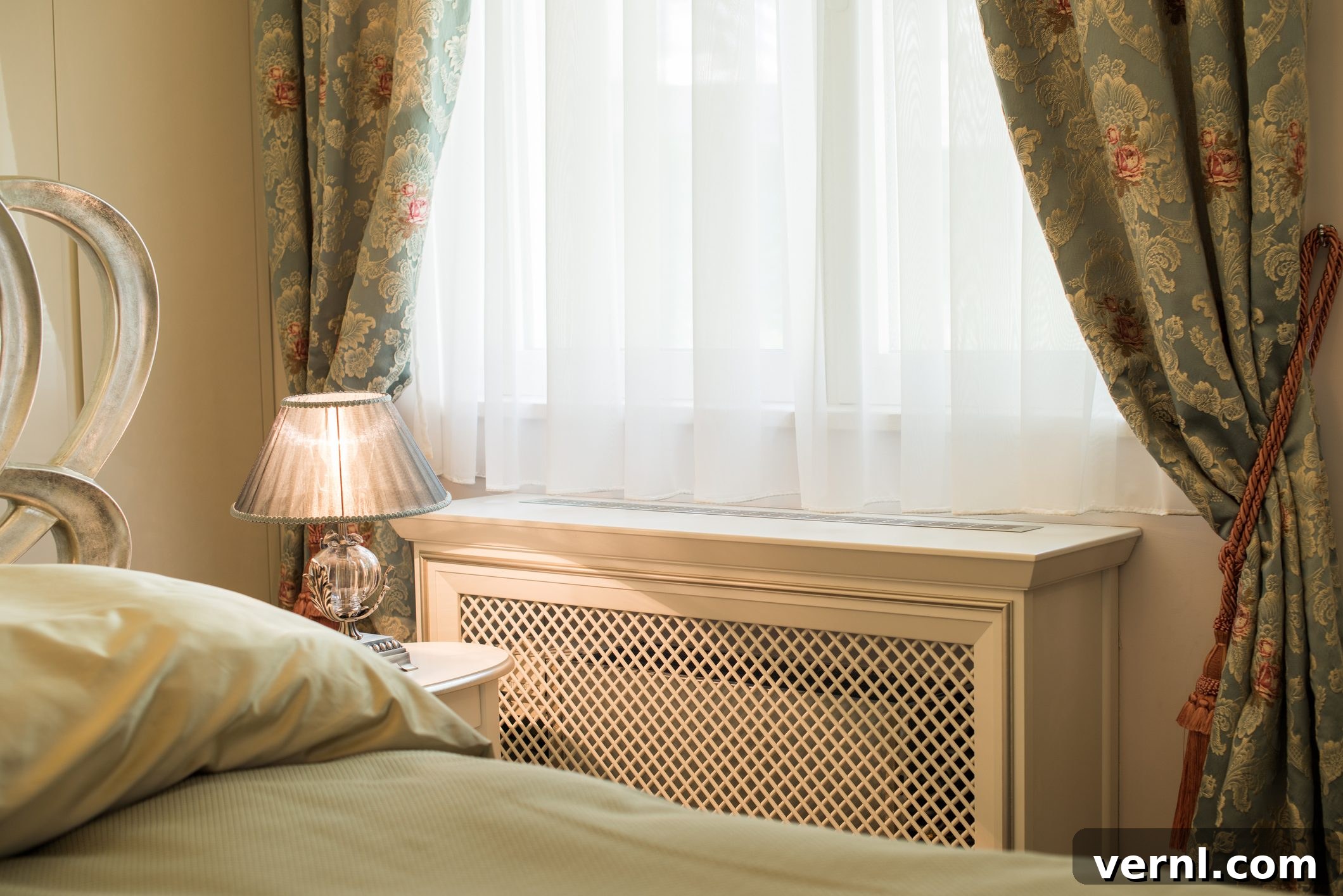
The Ultimate Guide to Radiator Covers: Enhance Your Home Decor and Safety
Radiators, the silent workhorses of many home heating systems, quietly provide warmth through a combination of radiation and convection. While highly effective at their job, their utilitarian design often clashes with modern interior aesthetics. Large, bulky, and sometimes unsightly, traditional radiators can be challenging to integrate seamlessly into a well-designed living space. This is where the innovative solution of a radiator cover comes into play, offering a perfect blend of form and function.
Far more than just a decorative element, a well-chosen radiator cover can transform an industrial-looking heating unit into a stylish, functional piece of furniture. Whether you’re aiming to conceal an aging radiator, enhance child and pet safety, or simply add valuable shelf space, understanding the various options and considerations for radiator covers is essential. From ready-made solutions that offer quick fixes to custom-built masterpieces that perfectly match your decor, this comprehensive guide will walk you through everything you need to know to select or create the ideal radiator cover for your home. We’ll explore how they work, the diverse types available, their impact on heating efficiency, and crucial measurement tips, ensuring your radiator cover performs its function effectively while elevating your interior design.
Understanding How Radiators Deliver Heat
To truly appreciate the function and design considerations of a radiator cover, it’s helpful to first understand how radiators themselves operate. Radiators primarily heat a room through two fundamental processes: radiation and convection. A central boiler typically heats water or generates steam, which is then circulated through the radiator’s internal fins or tubes. As the hot water or steam passes through, it heats the metal of the radiator, which then transfers this thermal energy into your living space.
- Radiation: The hot surface of the radiator emits infrared radiation directly into the room, warming objects and surfaces it hits. This is the warmth you feel directly when standing near a radiator. Radiant heat travels in straight lines and warms whatever is in its path, creating a comfortable, direct warmth.
- Convection: As the radiator heats the air immediately surrounding its fins, this warm air becomes less dense and rises. Cooler, denser air from other parts of the room then moves in to replace it, gets heated by the radiator, and rises in turn. This continuous cycle creates a convection current that circulates warm air throughout the entire room, gradually increasing the ambient temperature and providing uniform heating.
Both processes are crucial for effective room heating. When considering a radiator cover, it’s vital to choose a design that respects and ideally optimizes these natural heat transfer mechanisms, rather than simply blocking them, to maintain heating efficiency and ensure your room remains comfortably warm.
What Exactly is a Radiator Cover?
At its core, a radiator cover is a structural enclosure designed to surround or sit atop an existing radiator. Its primary purpose is to obscure the often-unattractive appearance of the heating unit, integrating it more harmoniously into a room’s aesthetic. However, the functionality of these covers extends far beyond mere concealment. Radiator covers come in various forms, ranging from minimalist toppers to comprehensive box-like structures, each offering distinct advantages.
- Radiator Toppers: These are typically flat panels or shelves that simply rest on top of the radiator, covering only the uppermost surface. They offer a straightforward way to create a functional shelf, providing a convenient spot for decorative items, books, or small plants, without fully enclosing the radiator. Toppers are ideal for those seeking minimal intervention but desire added utility and a slightly refined look.
- Full Radiator Covers (Cabinets): More common and comprehensive, these covers enclose the radiator on the top and three sides (front and two ends), leaving the back open to the wall. They are designed to sit over the existing radiator, often resembling a console table or a built-in feature. These cabinets are available in a vast array of styles, materials, and finishes to complement any interior design scheme, effectively turning a utilitarian heating device into a cohesive part of your home décor. Regardless of the style, a well-designed full cover always incorporates ample openings—usually via grilles, screens, or slatted designs—on the top and front (and often sides) to ensure proper heat circulation and prevent heat from being trapped. When planning to use the top surface as a shelf, ensuring the cover’s structural integrity is crucial for safety and durability.
Beyond Aesthetics: Key Benefits of Using a Radiator Cover
While their ability to hide unsightly radiators is a primary motivator, radiator covers offer a multitude of benefits that enhance both the functionality and safety of your living space. Investing in a thoughtfully designed cover can significantly upgrade your home environment, transforming a necessary utility into a stylish and practical feature.
- Elevated Aesthetic Appeal and Interior Harmony: This is arguably the most immediate and noticeable benefit. Traditional radiators, especially older models, can be visual anachronisms in contemporary or even classic interiors. A stylish radiator cover can transform an industrial eyesore into a cohesive piece of furniture, seamlessly blending with your existing decor. Imagine a sleek, modern cover enhancing a minimalist room, or a classic, ornate design complementing a traditional setting. They can be painted to match walls, trimmed to match skirting boards, or finished to resemble fine cabinetry, allowing you to curate a more polished, inviting, and consistent atmosphere throughout your home. This subtle design upgrade can significantly impact the perceived value and comfort of your living space.
- Enhanced Safety for Families and Pets: Many steam heating systems and even some hot water radiators can reach extremely high temperatures, making their surfaces dangerously hot to the touch. This poses a significant burn risk, particularly for young children, curious pets, or elderly individuals who might accidentally lean against them. A radiator cover creates a protective barrier, physically separating occupants from hot surfaces. While the cover itself might warm up, it will generally not reach the extreme temperatures of the exposed radiator fins, thereby reducing the risk of accidental burns and providing invaluable peace of mind for families.
- Maximizing Space and Adding Functional Surfaces: A radiator cover effectively transforms the often-underutilized space above the heating unit into a practical and attractive surface. The sturdy top of a cabinet-style cover becomes an instant shelf, perfect for displaying decorative items like photos, art, small sculptures, or cherished trinkets. It can also serve as a convenient spot for everyday essentials such as books, remote controls, or even as a dedicated surface for lamps, enhancing ambient lighting in the room without cluttering other surfaces. For plants, however, it’s wise to choose varieties that can tolerate warmth and dry air, as some plants may not thrive directly above a consistent heat source. This added functionality is particularly valuable in smaller rooms where every inch of usable surface counts, providing both storage and display opportunities.
- Improved Heat Distribution and Airflow Management: While often perceived as hindering heat, a well-designed radiator cover can actually aid in more efficient heat distribution. By directing the convective currents upwards and outwards into the room, rather than letting heat escape directly to the ceiling or being absorbed by the wall, covers can help warm the living space more evenly. This effect is optimized with ample ventilation openings (grilles, slats) and the strategic use of reflective foil lining inside the cover, which bounces radiant heat back into the room. This thoughtful design ensures that while the direct radiation might be slightly reduced, the overall comfort level and evenness of heating can be improved.
- Protection for Your Radiator and Easier Maintenance: Covers can also offer a degree of physical protection to the radiator itself. They shield the delicate fins and valves from accidental knocks, dents, or damage that can occur during cleaning, moving furniture, or daily activities, potentially extending the lifespan of your heating unit. Furthermore, while the cover itself will collect dust, it often makes cleaning easier. Instead of trying to maneuver a brush between radiator fins, you can simply wipe down the exterior of the cover, keeping the visible parts of your heating system clean and tidy. This can also help prevent dust and debris from settling directly into the radiator’s intricate components, reducing the need for deep internal cleaning.
Understanding Heat Output and Radiator Covers
A common and valid concern among homeowners considering radiator covers is their potential impact on heating efficiency. It’s true that anything placed over a radiator will inevitably prevent some heat from directly radiating into a room. As Jeff Beiriger, executive director for Plumbing-Heating-Cooling Contractors Wisconsin Association, explains, a cover can cause a reduction in the direct heat output. However, the extent of this reduction and its practical impact on your comfort can be significantly mitigated by thoughtful design and installation, transforming a potential drawback into a manageable compromise for enhanced aesthetics and safety.
Studies and expert opinions generally suggest that a properly designed radiator cover might lead to a 10 to 12 percent reduction in overall heat output. This figure is not absolute and can vary based on several crucial factors:
- Ventilation Design: This is the most critical factor for maintaining heating efficiency. A well-designed radiator cover must have ample and strategically placed openings on the top, front, and sides, as well as a significant gap at the bottom. These openings facilitate the unimpeded flow of air, allowing cold air to enter, get heated by the radiator’s fins, and rise out into the room through convection. Covers that trap too much air, have insufficient grille area, or lack proper spacing will dramatically reduce heat transfer, leading to inefficiency. Maximizing the open area for airflow is key.
- Material Choice: The material of the cover plays a role in how much heat is absorbed or reflected. Metal covers, for instance, are better conductors of heat than wood or engineered wood. This means they absorb less heat themselves and allow more warmth to pass through or transfer to the room. Wood, being an insulator, will absorb more heat, but its impact can be lessened with proper internal lining.
- Internal Lining with Reflective Foil: A highly recommended and cost-effective technique to minimize heat loss is to line the inside of the radiator cover (the surface facing the radiator) with a heat-reflective foil. This specialized foil material reflects radiant heat away from the cover material and back into the room, effectively reducing the amount of heat absorbed by the cover itself and directing it where it’s needed most. This simple addition can significantly improve the cover’s heating performance, helping to recover some of the initial reduction in direct radiant heat.
- Adequate Air Gap: Maintaining sufficient space (typically 2-4 inches) between the radiator and the inside surfaces of the cover is vital for proper air circulation and heat transfer. Inadequate air gaps will trap heat, reducing both efficiency and potentially causing the cover material to become excessively warm.
Ultimately, while a slight reduction in direct heat output is often a trade-off for the aesthetic and safety benefits, careful selection and design can ensure that a radiator cover remains a beneficial addition to your home without compromising overall comfort. Many modern designs are specifically engineered to optimize airflow, making the heat reduction negligible for most users, especially when the benefits of even heat distribution are considered.
Exploring the Diverse Types and Materials of Radiator Covers
The world of radiator covers offers a remarkable array of choices, allowing homeowners to select a solution that perfectly marries functionality with their personal design preferences. These covers can broadly be categorized by their style and the materials they are constructed from, each contributing unique characteristics to the final look and performance.
Style Choices: Toppers vs. Cabinet Covers
- Radiator Toppers: These minimalist solutions primarily serve to create a useful surface above the radiator. Typically made of wood, a topper simply sits on top, offering a convenient shelf without fully enclosing the unit. They are an excellent choice for situations where a full cover isn’t necessary or desired, providing a discreet way to add functionality and a finished look to an otherwise plain radiator. Toppers are easy to install and remove, offering flexibility.
- Cabinet Radiator Covers: The most common and versatile type, these covers form a box-like structure that fully encloses the top and three sides of the radiator. These cabinets are designed to be freestanding or occasionally wall-mounted, effectively transforming the radiator into a piece of furniture. Their design variety is immense, ranging from simple, utilitarian boxes to intricately detailed pieces that become focal points in a room. Regardless of the style, all effective cabinet covers incorporate ample openings—usually via decorative grilles, slats, or screens—on the top and front (and often sides) to ensure proper heat circulation and prevent heat from being trapped. When planning to use the top as a shelf, ensuring the cover’s structural integrity and stability is crucial. These covers can complement traditional, modern, minimalist, or eclectic decor styles.
Popular Materials for Radiator Covers
The choice of material significantly impacts a cover’s appearance, durability, cost, and even its thermal performance. Here are the most commonly used materials, each with its own set of advantages:
- Metal or Steel: Considered by many experts, including Jeff Beiriger, to be the material that blocks the least amount of heat, metal covers are excellent conductors. They efficiently transfer heat to the room, and their grilles or screens allow for superb air circulation. Metal radiator covers are generally more durable than wood against physical impact and are often easier to clean. They also tend to be a more budget-friendly option compared to solid wood. A key consideration is that if your radiator runs extremely hot, a metal cover will also become warm to the touch, though typically less so than the exposed radiator itself. Available in various finishes, from minimalist brushed steel to ornate decorative patterns, they suit modern, industrial, and even some transitional aesthetics well, offering a sleek and durable solution.
- Wood: Hardwoods like oak, maple, walnut, or cherry are highly favored for their natural beauty, inherent strength, and ability to blend seamlessly with existing wood trim or furniture in a room. Wood offers a classic, warm aesthetic and can be stained, varnished, or painted to match any decor scheme, providing immense customization potential. While wood does not conduct heat as efficiently as metal (meaning it might absorb more heat initially), it can provide a more insulating barrier if the interior is properly lined with reflective material. Hardwood covers are typically more expensive due to material costs and craftsmanship but offer timeless elegance, robust construction, and a luxurious feel. Softwoods, such as pine, are a more affordable option, but may be less durable and more prone to minor damage.
- Engineered Wood (MDF – Medium-Density Fiberboard): MDF is a highly popular and practical choice for radiator covers, particularly if you plan to paint the cover. It offers excellent stability, a perfectly smooth surface for painting, and is generally more cost-effective than solid hardwoods. MDF is dense and durable, making it resistant to warping, cracking, and splitting, which is a significant advantage in environments with fluctuating temperatures. While it doesn’t possess the natural grain of solid wood, its versatility in finishing (can be painted in any color, achieving a flawless, contemporary look) makes it a top choice for achieving a customized aesthetic that matches any color scheme or design vision.
- Combo Materials: Many radiator covers ingeniously combine materials to leverage the best properties of each. For instance, the main structure or frame of the cover might be crafted from wood or MDF for aesthetic appeal, ease of finishing, and structural stability, while the grilles (the elements responsible for heat emission and airflow) are made from metal. This combination often offers both enhanced durability and optimized heat distribution, allowing for greater design flexibility and often a more refined, professional finish. It allows designers to create visually appealing elements while ensuring functional efficiency.
Regardless of the material chosen, remember Beiriger’s advice: lining the interior of the cover with reflective foil can significantly improve heat output by directing radiant heat into the room rather than allowing it to be absorbed by the cover material. This simple addition maximizes the efficiency of your heating system even with a cover in place, ensuring you get the most out of your heat source while enjoying the aesthetic and safety benefits of the cover.
To Buy or To DIY: Choosing Your Radiator Cover Path
Deciding whether to purchase a pre-made radiator cover or embark on a do-it-yourself project depends largely on your budget, your DIY skills, and your specific design requirements. Both options present distinct advantages and challenges, and the best choice is ultimately the one that aligns with your resources and vision for your home.
Buying a Radiator Cover
Opting for a ready-made or custom-ordered radiator cover offers significant convenience and a professional finish. This path is ideal for those who prefer a hassle-free solution, lack the time and specialized tools for construction, or simply want a guarantee of quality and design consistency. The market is saturated with numerous suppliers offering a vast range of styles, materials, and sizes to fit almost any decor. You can find everything from simple, functional covers that provide basic concealment and a shelf, to elaborate, bespoke pieces designed to perfectly complement your home’s unique character. Buying allows you to select from a catalog of proven designs, often with warranties, clear installation instructions, and sometimes even professional installation options. For truly unique or unusually sized radiators, many reputable companies also offer custom-build services, ensuring a perfect fit and finish that might be challenging to achieve otherwise. While generally more expensive than DIY, the investment often pays off in terms of convenience, immediate aesthetics, quality assurance, and long-term durability, making it a popular choice for many homeowners.
Building Your Own Radiator Cover (DIY)
For the handy homeowner or those with a creative streak, building a radiator cover from scratch or from a kit can be a highly rewarding and cost-effective endeavor. The primary advantage of the DIY route is significant cost savings, especially if you’re considering materials like solid hardwood, which can be quite pricey when custom-ordered. Beyond the financial benefit, a DIY project offers unparalleled customization. You have complete control over every aspect: the design, precise dimensions, choice of materials, grille pattern, and final finish (paint, stain, varnish). This allows you to create a cover that not only perfectly matches your specific radiator’s size but also aligns flawlessly with your home’s unique aesthetic and architectural features. This is particularly beneficial for radiators with unusual dimensions or locations where standard covers simply won’t fit. While it requires some basic carpentry skills, access to tools, and a commitment of time, the sense of accomplishment and the ability to craft a truly personalized and perfectly integrated piece of furniture make DIY an attractive option for many. There are numerous online tutorials, plans, and kits available to guide aspiring DIYers through the process.
Before committing to either path, carefully assess your skills, available tools, budget, and the specific requirements of your radiator and room. If choosing DIY, ensure you have precise measurements, a clear construction plan, and a good understanding of safety protocols to achieve a safe, functional, and aesthetically pleasing result.
Achieving the Perfect Fit: How to Measure for Your Radiator Cover
Accurate measurements are paramount when selecting or constructing a radiator cover. A cover that is too small will impede heat flow, may not fit correctly, and could even create a fire hazard by trapping excessive heat. Conversely, one that is too large can look awkward, waste valuable space, and might not provide the desired aesthetic integration. Whether you’re purchasing a ready-made cover or planning a DIY project, meticulous measuring is the foundation for success. Always refer to the manufacturer’s specific measuring instructions if buying a commercial product, as they may have unique requirements for their designs. For general guidelines and DIY projects, follow these crucial steps:
-
Measure the Radiator’s Core Dimensions: Use a reliable tape measure to get the exact outer dimensions of your radiator.
- Height: Measure from the floor to the very top of the radiator, including any valves, bleed nipples, or pipes that extend upwards. This is the highest point the cover must clear.
- Depth: Measure from the wall to the outermost point of the radiator, including any pipes, valves, air vents, or wall brackets that protrude forward. Ensure you capture the maximum depth.
- Width: Measure the entire width of the radiator from one end to the other, making sure to include all pipes, valves, and any pipework on either side that the cover will need to encompass.
These measurements represent the absolute maximum dimensions of your existing radiator unit.
-
Add Essential Airflow Allowances: To ensure proper heat circulation, prevent the cover from becoming excessively hot, and maintain heating efficiency, you must add buffer space around the radiator. This is crucial for both functionality and safety.
- Add four inches (approx. 10 cm) to the total width: This ensures ample space on either side of the radiator for cool air to enter and warm air to escape, facilitating optimal convective currents.
- Add two inches (approx. 5 cm) to the total depth: This provides a necessary gap between the front of the radiator and the inside of the cover, allowing for effective radiant heat transfer and airflow, as well as space behind the radiator if the cover extends to the wall.
- Add two inches (approx. 5 cm) to the total height: This allowance above the radiator’s top surface is vital for warm air to rise and exit the cover efficiently through its top openings, preventing heat from being trapped directly under the cover’s top panel.
-
Account for Cover Material Thickness: Once you have calculated your minimum internal dimensions (radiator size + airflow allowances), you need to factor in the material thickness of the cover itself to determine the external finished size. This is crucial for precise construction or ordering.
- For Height: Add the thickness of the top panel (and any base frame if applicable) to your calculated height from step 2.
- For Depth: Add the thickness of the front panel and any back panel (if it’s a full enclosure) to your calculated depth from step 2.
- For Width: Add *twice* the thickness of the side panels (one for each side) to your calculated width from step 2. For example, if your material is 0.75 inches (about 1.9 cm) thick, you would add 0.75 + 0.75 = 1.5 inches to your width measurement from step 2.
Finally, always double-check your calculated finished size against any potential obstructions in the room. Ensure the cover will fit without hitting window trim, skirting boards, door frames, electrical outlets, or adjacent walls. Planning for these architectural details upfront will prevent installation headaches, ensure structural integrity, and achieve a seamless, professional look that integrates perfectly with your home.
Where to Find and What to Expect: Radiator Cover Sources and Costs
The market for radiator covers is incredibly diverse, offering options for nearly every budget and style preference. Whether you’re looking for an off-the-shelf solution that’s easy to install or a bespoke piece crafted to your exact specifications, knowing where to look and what to expect regarding cost is crucial for making an informed decision.
Online Retailers and Specialty Stores:
- Fichman Furniture: Known for their quality MDF radiator covers, Fichman Furniture offers a wide array of designs, including elegant MDF-and-metal combinations. Their pricing typically starts around $200 for models that require finishing by the customer (e.g., painting), and can range upwards of $350 or more for their most intricately designed combo models. These covers provide both robust functionality and a strong aesthetic statement, often arriving in a ready-to-assemble format.
- Shutter Shack: This retailer provides a comprehensive selection, including ready-made wooden covers and custom or ready-made steel covers. A unique feature of some Shutter Shack covers is the inclusion of built-in hidden pans, which can be filled with water to introduce added humidity into your home during dry winter months, addressing a common issue with heated interiors. Prices for their wooden covers generally range from $390 to $500, while their steel options typically fall between $515 and $755, reflecting the durability, craftsmanship, and customizability often associated with metal fabrication.
- Wayfair: As a major online home goods retailer, Wayfair offers an extensive selection of radiator covers from various manufacturers. You’ll find a wide range of styles and materials, catering to diverse design preferences and budgets, from modern minimalist to classic ornate. Their prices are generally more accessible, ranging from approximately $90 to $240, making it an excellent starting point for those seeking affordable and readily available options with a quick delivery turnaround.
- Local Artisans and Custom Woodworkers: For truly bespoke solutions, consider reaching out to local carpenters, cabinet makers, or specialized workshops in your area. While often the most expensive option, a custom-built cover guarantees a perfect fit for unusual radiator sizes, allows for specific material choices (e.g., matching rare wood types), and offers a unique design tailored exactly to your home’s character and your aesthetic vision. This is ideal for historical homes or high-end interior design projects.
- DIY Stores and Hardware Retailers: If you’re undertaking a DIY project, these stores are your primary resource for raw materials (MDF sheets, various timbers, metal grilles or mesh), necessary tools (saws, drills, fasteners), and finishing supplies (paints, stains, varnishes). They may also offer basic kits or pre-cut components to help you get started with your build, along with expert advice from staff.
When evaluating potential sources, always consider the quality of materials, the construction method, the design (especially regarding ventilation), and the level of customer support. Reading customer reviews, comparing options across different platforms, and verifying shipping and return policies will help you make the best choice for your investment, ensuring both satisfaction and longevity from your new radiator cover.
Frequently Asked Questions About Radiator Covers
Is it a good idea to cover radiators?
Absolutely, it can be a very good idea for numerous reasons! Radiator covers offer significant benefits that extend beyond simply hiding an eyesore. They notably enhance home safety by providing a protective barrier against potentially dangerously hot radiator surfaces, which is particularly crucial for households with young children, curious pets, or elderly individuals. Additionally, they can elegantly transform a utilitarian heating unit into a functional piece of furniture by providing a valuable, heat-safe shelf for decor, books, or lamps. While some designs may slightly reduce direct heat output, a well-ventilated cover can actually help disperse heat more evenly throughout a room via optimized convection currents, making your living space more comfortable and aesthetically pleasing. For many, the blend of enhanced safety, improved style, and added utility makes radiator covers a worthwhile and practical investment for modern homes.
How much heat do you lose with a radiator cover?
The amount of heat lost or impeded by a radiator cover is a common and legitimate concern. Generally, users can expect a reduction in overall heat output ranging from approximately 10 to 12 percent. However, this figure is not absolute and is heavily dependent on the cover’s design, the materials used, and crucial installation factors. Covers with inadequate ventilation—meaning insufficient openings at the top, bottom, and sides—will trap more heat and result in a higher percentage of perceived heat loss. Conversely, a cover designed with generous grilles, sufficient vents, proper internal air gaps, and especially one lined with heat-reflective foil, will significantly minimize heat loss and maximize efficient distribution of warmth into the room. When selecting or designing a cover, prioritizing maximum airflow and considering reflective linings are key strategies to mitigate any significant negative impact on your room’s overall warmth and maintain heating efficiency.
What type of radiator cover is best?
Defining the “best” type of radiator cover depends heavily on your specific priorities regarding heat retention, durability, aesthetic preferences, and budget. However, for optimal heat conduction and minimal heat loss, metal radiator covers are often highly recommended by experts. Metal materials, such as steel, conduct heat more efficiently than wood or engineered wood, allowing more warmth to transfer directly into the room. They typically feature open grille designs that facilitate excellent airflow, further contributing to their thermal efficiency. Beyond performance, metal covers are known for their exceptional durability and are generally easy to assemble, often requiring just one person for installation. If aesthetics and customization are paramount, a wood or MDF cover offers unparalleled versatility for matching existing decor, especially when painted or stained, making them excellent choices if paired with ample ventilation and reflective linings to ensure good heat distribution. The “best” cover is ultimately the one that meets your personal needs for efficiency, style, and safety.
Are radiator covers fire hazards?
No, when properly designed, installed, and maintained according to guidelines, radiator covers are generally not fire hazards. Modern radiator covers are constructed from materials that are suitable for proximity to heat sources. The key safety consideration is ensuring sufficient air circulation between the radiator and the interior surfaces of the cover. Proper air gaps (typically 2-4 inches around the radiator) prevent excessive heat buildup inside the enclosure, which could otherwise pose a risk to the cover material itself or surrounding items. It’s also critically important to avoid placing highly flammable materials directly on or inside the cover where they could come into prolonged contact with the warm surfaces. Always follow manufacturer guidelines for installation and ensure any DIY construction adheres to safe spacing recommendations to prevent any potential issues and ensure maximum safety.
Can I put anything on top of a radiator cover?
Yes, one of the significant benefits of a radiator cover is the creation of a functional and attractive shelf space. You can safely place many items on top, such as books, picture frames, decorative objects, small sculptures, or lamps. However, it’s wise to exercise a degree of caution and thoughtfulness. Avoid placing items that are sensitive to heat (like certain electronics or perishable foods), highly flammable, or prone to warping due to consistent warmth, especially if your radiator runs very hot. For plants, choose varieties that are known to tolerate warm, dry conditions, or place a protective saucer underneath to shield the cover and manage moisture. Crucially, ensure that any items placed on top do not obstruct the top ventilation openings of the cover, as this could impede heat circulation, reduce heating efficiency, and potentially lead to heat buildup.
Do radiator covers trap dust?
Radiator covers can indeed accumulate dust, just like any other horizontal surface or decorative element in your home. In fact, by creating a barrier around the radiator, they might prevent some dust and debris from entering the intricate fins of the radiator itself, potentially making the underlying radiator easier to keep clean in the long run. However, the grilles, slats, and internal surfaces of the cover will naturally collect dust over time, which could potentially reduce airflow and aesthetic appeal if not regularly cleaned. Regular dusting or vacuuming of the cover’s exterior, particularly focusing on the grilles and vents, is highly recommended to maintain optimal heat output and cleanliness. For a deeper clean, some radiator covers are designed to be easily removable or feature accessible panels, allowing you to clean the interior surfaces and the radiator itself more thoroughly when needed.
Choosing the right radiator cover is a brilliant way to merge practical heating solutions with sophisticated interior design. By carefully considering both aesthetics and functionality, you can transform a necessary utility into an elegant, safe, and efficient feature of your home, enhancing both comfort and style for years to come.
This article was extensively researched and compiled by a team of experienced home improvement experts. With a deep understanding of home heating systems, interior design trends, and practical living solutions, our aim is to provide reliable, accessible, and actionable advice to help you make the best decisions for your living space. We believe in empowering homeowners with comprehensive knowledge that enhances both the comfort and visual appeal of their homes.