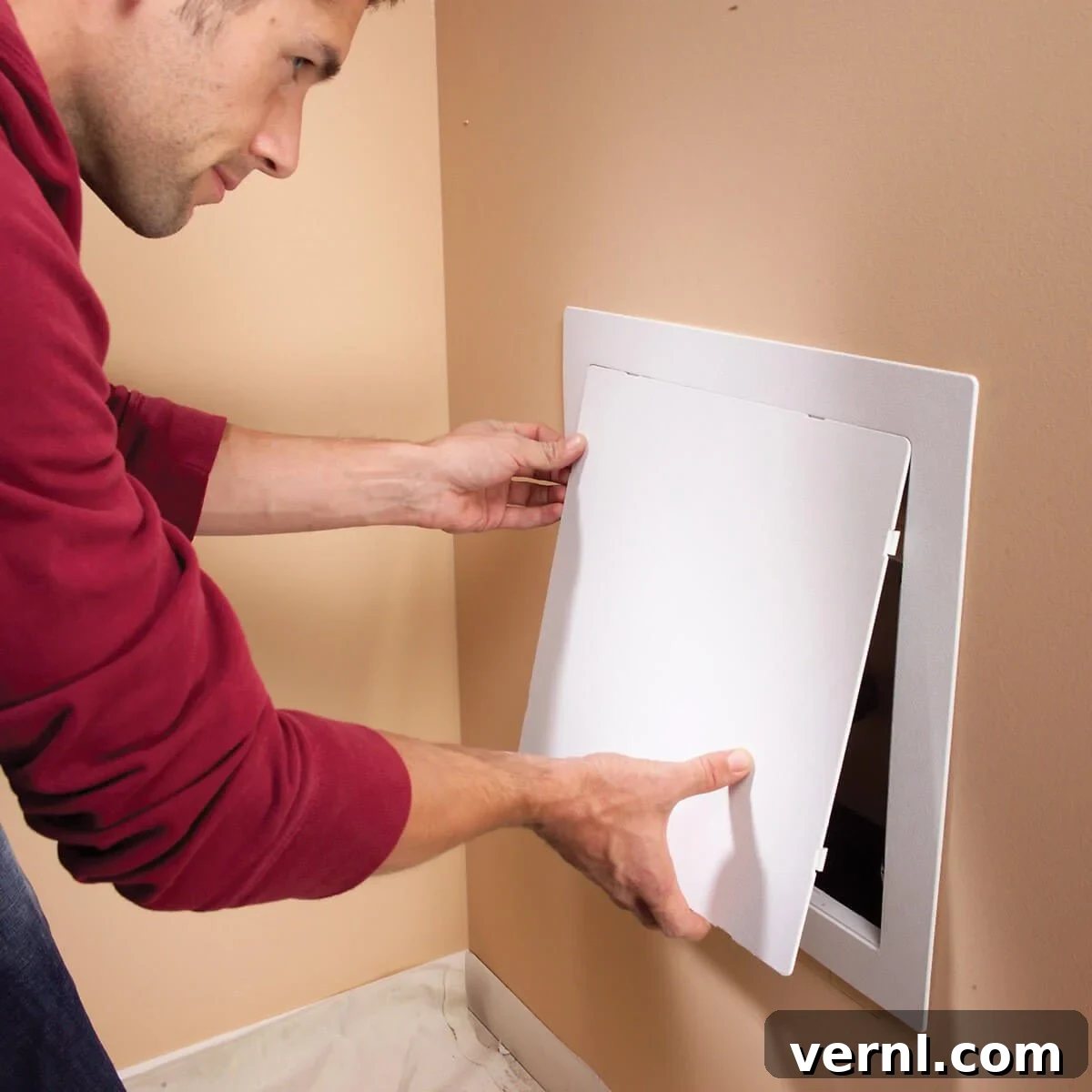
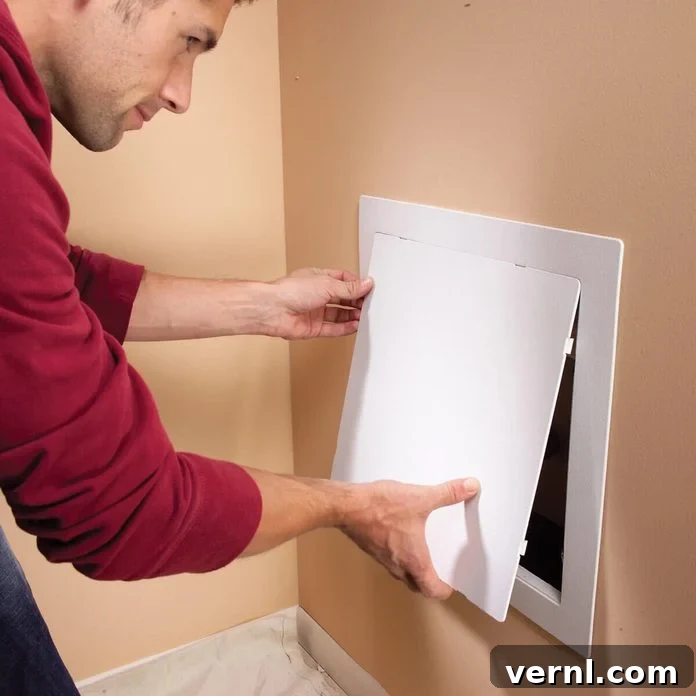
What Exactly is an Access Panel? Understanding Its Core Function
An access panel is a seemingly simple yet incredibly vital component found in countless residential and commercial buildings. At its heart, it is a removable door, panel, or cover designed to provide easy and temporary access to concealed areas behind walls, ceilings, or floors. These hidden spaces often house critical mechanical, electrical, or plumbing systems that require periodic inspection, maintenance, or repair. Without access panels, performing routine checks or addressing unexpected issues would necessitate significantly more invasive and costly procedures, such as cutting into drywall or plaster. They are essentially the strategic gateways that allow homeowners and professionals to service the essential infrastructure of a building without causing major disruption or damage to the surrounding structure.
While an access panel might appear unassuming, its role is pivotal in modern construction and building management. Imagine a scenario where a critical shut-off valve for your water supply is located behind a finished wall. Without an access panel, you would be forced to demolish a section of your wall just to turn off the water in an emergency, leading to significant mess, expense, and inconvenience. Similarly, electrical junction boxes, HVAC dampers, and drain clean-outs often reside in inaccessible locations. An access panel transforms these ‘out of sight, out of mind’ areas into easily reachable service points, making it an indispensable element for both preventative maintenance and responsive repairs. They are the unsung heroes that safeguard your property against potential major damage and simplify the often complex world of home systems.
Often referred to as a plumbing access door when specifically used for water systems, these panels ensure that components like shower valves, sink traps, or toilet supply lines are never truly out of reach. For instance, if you’re dealing with a leak, an access panel behind your shower wall would be invaluable. While a basic piece of plywood can sometimes serve this purpose in less visible areas, purpose-built, manufactured access panels offer a more aesthetic, durable, and secure solution. These specialized panels come complete with a frame and a removable door, designed for seamless integration into your existing wall or ceiling finishes. The installation typically involves cutting a precise opening in the drywall and then securing the panel frame into place, providing a neat and effective solution for long-term accessibility.
Why Access Panels Are Indispensable for Modern Homes and Buildings
The importance of access panels extends far beyond mere convenience; they are a cornerstone of efficient building maintenance, safety, and long-term structural integrity. In an era where building systems are increasingly complex, ensuring easy access to their critical components is paramount. Without these strategic openings, even minor issues like a dripping faucet could escalate into significant problems requiring extensive and costly demolition and reconstruction. Access panels prevent this by making routine inspections and emergency repairs straightforward, saving both time and money for property owners.
One of the primary benefits of access panels is their role in facilitating plumbing and electrical maintenance. Consider a scenario where a pipe joint behind your bathtub begins to leak. Instead of tearing out tiles and drywall, an access panel on the opposite side of the wall allows a plumber to quickly diagnose and fix the issue. The same principle applies to electrical wiring; junction boxes and conduits often need to be inspected or rewired. Access panels ensure electricians can perform their work efficiently and safely without compromising the finished appearance of your home. They are a proactive measure against unexpected breakdowns, turning potential crises into manageable repairs.
Furthermore, access panels play a crucial role in adhering to building codes and safety regulations. Many jurisdictions require accessible points for specific utility components, especially those related to fire safety, electrical systems, and plumbing shut-offs. Fire-rated access panels, for example, are specifically designed to maintain the fire-resistance rating of a wall or ceiling, preventing the spread of flames and smoke in an emergency. These panels are not just about convenience; they are about protecting lives and property. By providing designated access points, they ensure that emergency services or maintenance personnel can quickly reach critical systems, contributing to the overall safety and resilience of the building structure.
Beyond safety and repair, access panels contribute significantly to the longevity of a home’s infrastructure. Regular inspections through these panels can identify potential issues, such as small leaks, loose wiring, or pest infestations, before they become major problems. This proactive approach to maintenance helps extend the lifespan of plumbing pipes, electrical cables, and HVAC ductwork, preventing premature wear and tear. They embody a smart approach to home ownership, allowing for a preventive rather than purely reactive strategy to maintenance. This accessibility ultimately translates into less stress, fewer emergencies, and a healthier, more durable living environment for everyone.
Diverse Applications: Where You’ll Find Access Panels (and Why)
Access panels are versatile and can be found in virtually every part of a building where utility lines or hidden components are present. Their strategic placement is critical to the functionality and maintainability of a property. Understanding their diverse applications helps appreciate their widespread use and importance in modern construction.
Plumbing System Accessibility
Perhaps the most common and widely recognized use for access panels is within plumbing systems. Areas around bathtubs, showers, and sinks frequently feature these panels. For instance, behind the wall of a shower, an access panel grants easy entry to the shower faucet’s mixing valve and associated plumbing. This is invaluable when repairs are needed, such as addressing a leaking shower faucet or performing an upgrade. Similarly, access panels are often installed near toilet flush mechanisms, under kitchen sinks for garbage disposals or water filters, and close to water heaters or main shut-off valves. This ensures that any component requiring service, from a simple valve adjustment to a complete fixture replacement, can be reached without destructive intervention. Learning how to install a shower faucet and plumbing access panel can be a useful skill for any homeowner.
Electrical and Low-Voltage Systems
With the increasing complexity of electrical and communication infrastructures, access panels are becoming more prevalent for these systems. They provide essential access to electrical junction boxes, wiring conduits, alarm system components, and increasingly, low-voltage wiring for home automation, networking, and security cameras. Concealed wiring often needs connection points or troubleshooting, and an access panel makes this possible without exposing wires or damaging finished surfaces. In commercial settings, data centers and server rooms rely heavily on ceiling and wall access panels to manage vast networks of cables and equipment, ensuring continuous operation and efficient maintenance.
HVAC System Maintenance
Heating, Ventilation, and Air Conditioning (HVAC) systems also benefit immensely from access panels. These panels are strategically placed to allow entry to air filters in difficult-to-reach locations, damper controls within ductwork, fan units, and other components that require regular cleaning, inspection, or repair. For example, in an attic or crawl space, access panels might lead to critical sections of the ductwork that need sealing or insulation updates. This accessibility is vital for maintaining indoor air quality, system efficiency, and overall comfort within a building.
General Building Maintenance and Concealment
Beyond specific utility systems, access panels serve a general purpose for building maintenance. They can provide entry to attic spaces, crawl spaces, or voids between floors for structural inspections, pest control, or general cleaning. Some creative homeowners even utilize access panels for discreet purposes, such as creating secret hiding places in your home for valuables or important documents. This highlights the adaptability of access panels, transforming them from purely functional elements into versatile features that can enhance both maintenance and security.
Types of Access Panels: Choosing the Right Solution
The market offers a wide array of access panels, each designed to meet specific functional, aesthetic, and regulatory requirements. Choosing the correct type is crucial for ensuring durability, safety, and seamless integration into your building’s design. Understanding the different materials and features available will help you make an informed decision for your project.
Material Considerations
- Plastic Access Panels: These are among the most common and cost-effective options. Typically made from high-impact ABS plastic, they are lightweight, resistant to rust and corrosion, and ideal for damp environments like bathrooms. Plastic panels are often paintable, allowing them to blend in with surrounding walls or ceilings. They are generally used for non-fire-rated applications where basic access is needed.
- Metal Access Panels: Constructed from steel (often galvanized for corrosion resistance) or aluminum, metal panels offer superior durability and security. Steel panels are robust and commonly used in commercial or industrial settings, or where a fire-rated solution is required. Aluminum panels are lighter and also corrosion-resistant, making them suitable for various indoor and outdoor applications. These often come with a primer coat, ready for painting or wallpapering.
- Wood (Plywood) Access Panels: As mentioned, a simple piece of plywood can function as an access panel, particularly in unfinished areas like basements, attics, or utility closets where aesthetics are less of a concern. While functional, they lack the integrated frame and finished appearance of manufactured panels, often requiring additional effort to make them blend in or operate smoothly.
Specialized Access Panel Features
- Fire-Rated Access Panels: Essential for maintaining the fire-resistance rating of fire-separation walls and ceilings. These panels are constructed with fire-resistant materials and often incorporate intumescent strips that expand when exposed to heat, sealing the opening to prevent the spread of fire and smoke for a specified duration (e.g., 1-hour, 2-hour ratings).
- Acoustic Access Panels: Designed for environments where sound transmission is a concern, such as recording studios, theaters, or between apartments. These panels are typically insulated to reduce noise transfer, ensuring acoustic integrity is maintained.
- Insulated Access Panels: Used in exterior walls or ceilings leading to unconditioned spaces (like attics) to prevent thermal bridging and maintain energy efficiency. They feature a layer of insulation within the panel door.
- Moisture-Resistant Access Panels: Specifically designed for high-humidity areas like bathrooms, saunas, or indoor pools. These are typically made from plastic or treated metal to resist mold, mildew, and corrosion.
- Recessed/Tile-Ready Access Panels: These innovative panels feature a recessed door that can accept a thin layer of drywall, tile, or other finishing material directly onto its surface. This allows the access panel to become virtually invisible, blending seamlessly with the surrounding wall or ceiling finish for a truly concealed look.
- Security Access Panels: For areas requiring restricted access, these panels come with various locking mechanisms, including key locks, cam locks, or cylinder locks, to prevent unauthorized entry to sensitive equipment or valuables.
When selecting an access panel, always consider the environment, the specific utility it’s protecting, and any local building code requirements. The right choice ensures both functionality and an aesthetically pleasing outcome for your property.
Installing an Access Panel: A Step-by-Step Overview
Installing an access panel is a manageable DIY project for most homeowners, provided they have basic tools and follow careful instructions. While specific steps may vary slightly depending on the panel type and location, the general process ensures a secure and functional installation. This overview provides a foundational understanding of the steps involved.
1. Planning and Preparation
Before you begin, accurately identify the exact location where access is needed. Use a stud finder to locate any studs, wires, or pipes that might be behind the wall or ceiling. It’s crucial to avoid cutting into essential infrastructure. Measure the dimensions of the access panel frame carefully, as this will determine the size of the opening you need to create. Mark the outline of the desired opening on your wall or ceiling, ensuring it’s level and square.
2. Creating the Opening
Using a drywall saw or a utility knife, carefully cut along the marked outline. For precise cuts and to minimize dust, some professionals use an oscillating multi-tool. Always wear appropriate safety gear, including eye protection and a dust mask. If you encounter any unexpected obstacles like wiring or plumbing, stop immediately and assess the situation before proceeding. Ensure the opening is clean, smooth, and precisely sized to accommodate the access panel frame.
3. Securing the Frame
Most manufactured access panels come with a frame that is either glued, screwed, or clipped into place. For glue-in types, apply a strong construction adhesive around the perimeter of the opening and press the frame firmly into place. For screw-in types, pre-drill pilot holes and use appropriate screws (e.g., drywall screws) to secure the frame to the surrounding drywall or to any framing you might have installed. Ensure the frame is flush with the wall or ceiling surface and that it is securely seated. Some panels might have integrated clips that expand and grip the back of the drywall.
4. Attaching the Door
Once the frame is secure, attach the access panel door. This usually involves snapping it into place, hinging it onto the frame, or simply placing a removable cover into the opening. Test the door to ensure it opens and closes smoothly and latches securely. If the panel is paintable, this is often the point where you would prime and paint it to match the surrounding surface, creating a seamless look.
5. Finishing Touches
After installation, you can caulk around the edges of the frame for a clean finish and to seal any small gaps. If the panel is recessed or tile-ready, you would apply the appropriate finishing material (drywall, tile, wallpaper) to the panel door itself. The goal is to make the access panel blend as seamlessly as possible with its environment, making it virtually unnoticeable until access is required. While many installations are suitable for DIY, consider consulting a professional for complex situations involving structural elements, specialized fire-rated panels, or extensive utility rerouting, especially if you are unsure about fixing issues like a dripping shower yourself after gaining access.
Maximizing the Value of Your Access Panels: Tips and Best Practices
Once installed, access panels are often forgotten until an emergency strikes. However, a few simple tips can help you maximize their value, ensuring they remain effective, discreet, and ready for use when needed. Proactive management of your access panels contributes to a more organized and resilient home or building.
1. Keep Them Accessible and Unobstructed
The primary purpose of an access panel is, well, access. Avoid placing heavy furniture, permanent fixtures, or excessive clutter directly in front of or on top of your access panels. While it’s tempting to hide them completely, blocking access defeats their purpose. Ensure there’s always a clear path to open and operate the panel without difficulty, especially for critical systems like main water shut-offs or electrical panels.
2. Aesthetic Integration and Blending
For panels in visible areas, aim for seamless integration. If your panel is paintable, ensure it matches the surrounding wall or ceiling color perfectly. Recessed or tile-ready panels offer the best aesthetic solution, allowing you to apply the same finish as the rest of the surface. This makes the panel virtually invisible until needed, preserving the design integrity of your space. Regularly clean the panel face to keep it consistent with the surrounding finishes.
3. Label and Document Contents
Imagine having multiple access panels and forgetting which one leads to what. A simple label (perhaps on the inside of the door or discreetly near the frame) indicating what the panel provides access to (e.g., “Shower Valve,” “Main Water Shut-off,” “Electrical Junction Box”) can save invaluable time during an emergency. For comprehensive home management, consider keeping a simple floor plan or diagram that maps out all your access panels and the systems they cover.
4. Regular Inspection and Maintenance
Though the components behind the panel might be the main focus of maintenance, the panel itself also benefits from occasional checks. Ensure the hinges aren’t seized, the latches are working correctly, and the panel isn’t warped or damaged. For fire-rated panels, check that the intumescent strips are intact. A well-maintained access panel will function smoothly when you need it most.
5. Enhance Security if Needed
For panels leading to sensitive areas or those used for hidden storage (as suggested in our guide to secret hiding places in your home), consider installing locking mechanisms. Key locks, cam locks, or simple latches can provide an added layer of security, preventing unauthorized access while still allowing legitimate entry when necessary. This is particularly relevant in multi-unit dwellings or commercial properties.
By treating your access panels as an integral part of your home’s infrastructure and applying these best practices, you ensure they remain an effective tool for maintenance and emergency preparedness, rather than an overlooked or problematic feature.
Conclusion: The Unsung Hero of Home Maintenance
Access panels, in their various forms and applications, are undeniably crucial elements in the design and functionality of any modern building. From providing essential entry to complex plumbing networks and intricate electrical wiring to facilitating HVAC system maintenance and even offering discreet storage solutions, their utility is vast and undeniable. They are the proactive solution to inevitable household and commercial challenges, transforming potentially destructive repairs into straightforward maintenance tasks.
Far from being a mere aesthetic afterthought, access panels represent smart engineering and forward-thinking home management. They empower homeowners and building managers alike to quickly respond to emergencies, perform routine inspections, and maintain critical infrastructure without compromising the integrity or appearance of walls, ceilings, and floors. By simplifying access, they reduce repair costs, enhance safety, and extend the lifespan of countless hidden components that keep our homes and businesses running smoothly.
Ultimately, the access panel is an unsung hero, quietly fulfilling its vital role behind the scenes. Its presence is a testament to thoughtful construction and a commitment to easy, efficient, and cost-effective property management. Embracing the proper selection, installation, and maintenance of access panels is a fundamental step toward creating a more resilient, manageable, and safe living or working environment.