Does Paint Expire? Understanding Shelf Life & Proper Storage for Your Home’s Finish
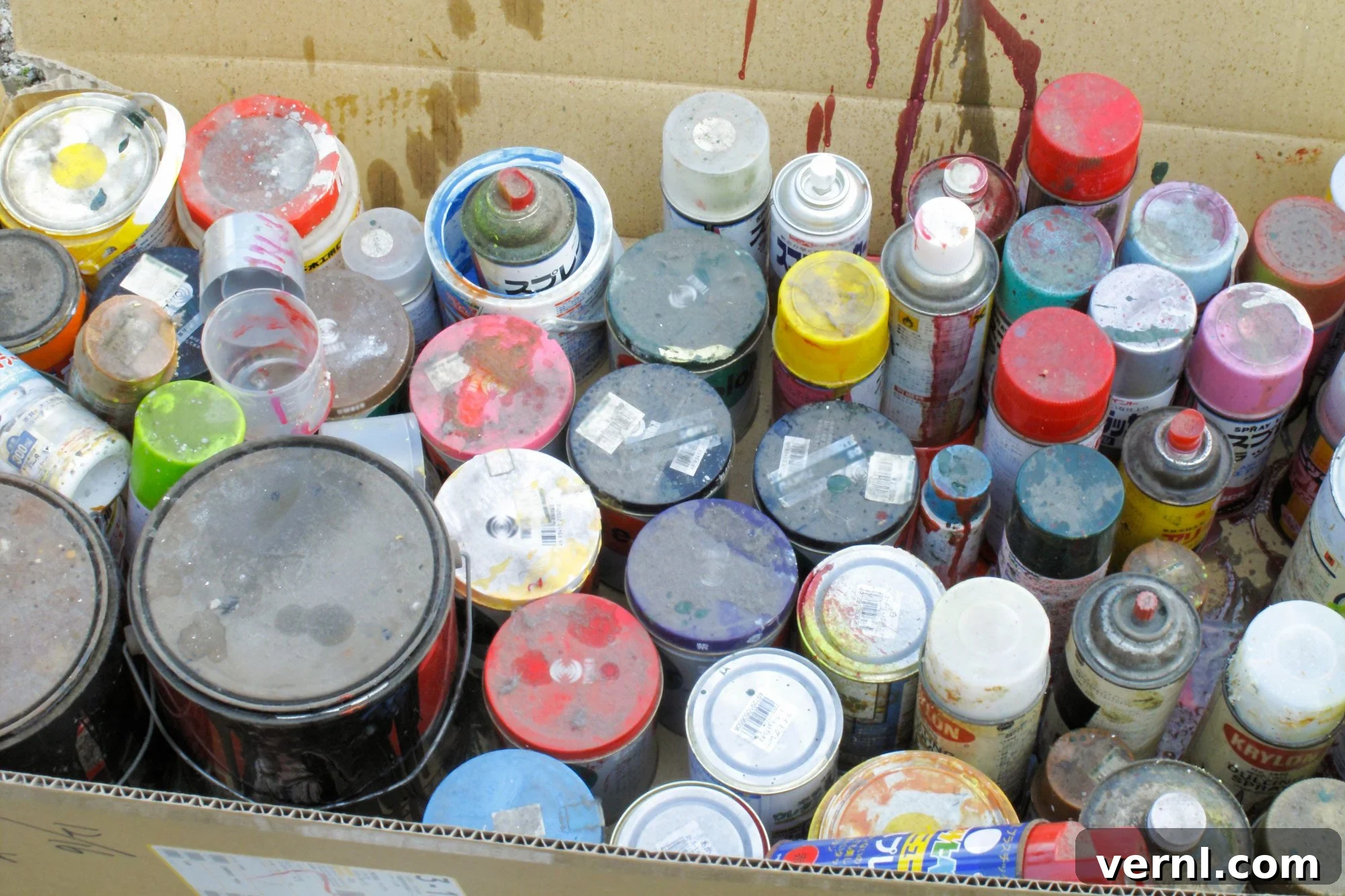
Every homeowner faces a common dilemma: what to do with leftover paint after refreshing a room or exterior. While it’s wise to keep a supply for future touch-ups or small projects, these cans and bottles can accumulate over the years, occupying valuable storage space in garages or basements. During a recent move, many find themselves questioning the usability of these stored paints. This comprehensive guide delves into the crucial topic of whether paint truly expires, offering insights to help you make informed decisions about keeping or discarding your collection.
The Truth About Paint Expiration: It Does Have a Shelf Life
Yes, paint can and does expire over time. Unlike food products with clear expiration dates, paint’s decline in quality is a more gradual process, influenced by a multitude of factors. When paint reaches the end of its viable life, its effectiveness diminishes significantly, potentially rendering it unusable for its intended purpose.
“While it doesn’t have a fixed expiration date like food, its quality can deteriorate, making it less effective and potentially unusable,” explains David Sutter, president of Five Star Painting, a Neighborly company. He further notes, “Paint cans often have a manufacturing date or batch number, which can be used to estimate the shelf life. They may also include recommended storage instructions such as temperature ranges and advice on sealing the can properly.” Adhering to these guidelines is paramount for maximizing your paint’s longevity.
Several critical factors dictate how long paint remains viable. Ashley Woodyatt, an interior designer and founder of Woodyatt Curtains, emphasizes that lifespan depends heavily on the paint’s type and its age at the point of purchase. Beyond this, the composition of the paint plays a significant role.
“You also need to look at whether the paint is oil or water-based [oil is likely to last longer] and also whether the paint has been stored in an optimal environment or not,” he advises. Oil-based paints, with their more stable chemical structure, generally boast a longer shelf life than their water-based counterparts. Moreover, the integrity of the container itself is crucial; factors like rust or damage can compromise the seal and expose the paint to air and contaminants, accelerating its degradation.
Other influential elements include the presence of additives designed to prolong life, the type of finish (higher sheen and gloss oil-based paints tend to last longer than flat or matte water-based varieties due to different binder and pigment compositions), and whether the can has been opened. An opened can introduces oxygen and potential contaminants, initiating a faster decay process compared to an hermetically sealed container.
Detailed Shelf Life of Different Paint Types
Understanding the varied shelf lives of different paint formulations is key to managing your paint inventory effectively. Each type is formulated with unique chemical properties that dictate its longevity under optimal conditions.
Water-based Latex and Acrylic Paint
Water-based paints, including latex and acrylic formulations, are popular for their ease of use and cleanup. However, their water content makes them more susceptible to bacterial growth and freezing, which can compromise their integrity. “When sealed properly and stored in a cool, dry place, unopened water-based paints can last up to 10 years,” says Chris Kinlaw, an interior and furniture designer and founder of the luxury furniture company Mixma. The key here is “properly sealed”; any air exposure can introduce bacteria or lead to drying. Once opened, the clock starts ticking much faster. “Once opened, it’s best to use them within two to five years.” After opening, oxygen promotes skinning and the evaporation of water, leading to thickening or separation. While some minor separation can be remedied with thorough stirring, significant changes in consistency or the presence of an unpleasant odor are clear indicators of spoilage.
Oil-based Paint
Oil-based paints, known for their durability and smooth finish, generally outperform water-based paints in terms of shelf life due to their slower-drying solvents and resilient binders. “Unopened cans stored in proper conditions can last up to 15 years,” Kinlaw states. Their robust composition makes them less prone to bacterial contamination and freezing compared to water-based paints. However, even these resilient formulations have a limit. “Once opened, it’s a good idea to use them within two to five years, though they can sometimes remain viable for longer.” The primary issue with opened oil-based paints is the formation of a skin on the surface as the solvents evaporate and the paint cures when exposed to air. While this skin can sometimes be carefully removed, underlying paint quality can still degrade, affecting adhesion and finish.
Spray Paint
Spray paint operates under different principles, packaged in aerosol cans under pressure. This unique delivery system means its expiration is often less about the paint itself degrading and more about the propellant losing effectiveness or the nozzle clogging. “You can expect a can of spray paint to start to expire around the three-year mark,” Woodyatt says. The internal pressure and intricate nozzle mechanism are critical for proper application. A clogged nozzle or diminished pressure can render an otherwise good batch of paint unusable. “But it’s always best to purchase when you intend to use rather than store long-term in the event that it does indeed expire earlier.” This advice underscores the volatility of aerosol products; even with proper storage, their mechanical components can fail.
Chalk Paint
Chalk paint, a favorite for achieving distressed or vintage looks, is celebrated for its matte finish and eco-friendly attributes. However, its shelf life is notably shorter than conventional paints. “Chalk paint only lasts about one to five years,” says Mariya Snisar, head of interior design at Renowell. Its unique mineral composition makes it prone to thickening over time rather than forming a skin like latex paint. “Chalk paint doesn’t film over like latex paint but it develops an overall thicker consistency.” The good news is that this thickening can often be reversed. “If your old chalk paint has thickened, you can revive it by adding water,” Snisar advises, highlighting a practical difference from other paint types where adding water might be detrimental.
Milk Paint
Perhaps the most perishable of all common paint types, milk paint, especially those without modern preservatives, has a remarkably short lifespan. “It only lasts one or two days because of having milk proteins,” Snisar explains. The organic milk proteins are highly susceptible to bacterial growth and spoilage, much like actual milk. “If you refrigerate it, milk paint can last up to one week.” Refrigeration slows down bacterial activity, extending its usability slightly. However, many modern milk paints feature additives that significantly preserve them for longer, making them more practical for general use. Always check the manufacturer’s specific recommendations for shelf life and storage of these newer formulations.
Clear Signs Your Paint Has Expired and Is No Longer Usable
Before embarking on a painting project, it’s crucial to inspect any stored paint for signs of expiration. Using compromised paint can lead to poor adhesion, uneven finishes, and wasted effort. Here are the tell-tale signs that your paint has likely reached the end of its useful life:
- Dried Out: This is perhaps the most obvious sign. If the paint has completely hardened into a solid mass, it’s irreparable and must be discarded. This usually occurs when the can hasn’t been sealed properly, allowing air to dry out the volatile components.
- Strong, Foul, Sometimes Sour Odor: Fresh paint has a distinct, often chemical, but generally tolerable smell. Expired paint, especially water-based varieties, can develop a rancid, sour, or moldy odor. This is a strong indicator of bacterial growth within the paint, which can also affect its performance and spread unpleasant smells in your home.
- Clumps, Lumps, or a Gritty Texture: Even after thorough stirring, if the paint remains chunky, lumpy, or feels gritty, its components have likely broken down. These particles will prevent a smooth application and create an uneven finish. This can be due to degraded binders or pigments.
- Separation of Liquid and Solids in Layers: While some separation is normal in stored paint and can often be fixed with vigorous stirring, excessive or persistent layering that doesn’t recombine indicates a broken emulsion. If the liquid layer is murky or discolored, or if the solids form a hard, immovable block at the bottom, the paint is no longer viable.
- Mold or Mildew Growth on the Surface: Any visible fuzzy or slimy growth on the paint surface, usually black, green, or white, signifies contamination. Using moldy paint can introduce spores into your home and compromise air quality, besides leading to a poor finish.
- Thick, Rubbery, or Jelly-like Consistency: If the paint has thickened to a point where it’s difficult to stir or has a consistency similar to jelly or rubber, its chemical composition has changed significantly. While some chalk paints can be revived with water, for most other types, this indicates irreparable degradation of binders.
- Changes in Color: If the color of the paint in the can no longer matches the original hue (perhaps it looks faded, darkened, or has an unusual tint), the pigments may have degraded or been affected by other chemical changes. This will result in an inconsistent finish on your walls.
- Unusual Film on the Surface: Beyond normal “skin” on oil paints, any unusual, non-uniform, or crusty film that is difficult to remove or mix back in is a sign of spoilage or contamination. This can trap impurities and prevent proper paint adhesion.
- Rust or Corrosion on the Paint Can: External rust on the can suggests that moisture may have seeped inside, potentially contaminating the paint and causing internal corrosion or bacterial growth. Even if the paint looks okay, the integrity of the can might be compromised, leading to further issues.
- The Spray Can Won’t Work: For spray paints, if the nozzle is clogged, the pressure is gone, or the paint only sputters, it indicates a failure in the delivery system, making the paint unusable even if the contents themselves are still liquid.
Effective Tricks to Extend the Life of Your Paint
Fortunately, with a little care and attention, you can significantly prolong the life of your leftover paint, saving money and reducing waste. Proper storage is the most critical factor in preserving paint quality.
“My biggest tip for reducing the chances of your paint prematurely expiring is to store it properly,” Woodyatt advises. “Don’t just leave it somewhere that is open to the elements. Storing paint in your home in a specific drawer or cabinet is one of the better options.” This highlights the importance of a controlled environment.
Here are additional practical tips to keep your paint as fresh as possible:
- Seal Cans Tightly to Keep Air Out: Air is the enemy of paint. After using paint, wipe the rim clean to ensure a perfect seal. Place a piece of plastic wrap or foil over the opening before firmly tapping the lid back into place with a rubber mallet. This creates an airtight barrier, preventing oxidation and skin formation.
- Store in a Cool, Dry Place Away from Extreme Temperatures: Consistent, moderate temperatures are ideal. Garages and sheds can experience significant temperature fluctuations, which can degrade paint. A closet, pantry, or utility room inside your home is often a better choice. Extreme heat can separate components, while extreme cold can freeze water-based paints, permanently altering their consistency.
- Don’t Let Paint Freeze: Water-based paints are particularly vulnerable to freezing. When the water freezes, it expands and breaks down the paint’s emulsion, leading to a lumpy, unusable consistency even after thawing. If freezing is a risk, consider storing these paints indoors.
- Keep It Out of Direct Sunlight: UV rays and heat from direct sunlight can cause pigments to fade and binders to break down, leading to premature aging and color changes in your paint. Always store cans in a dark location or inside an opaque container.
- Keep the Rim of the Can Clean to Ensure Proper Resealing: Paint dried on the rim will prevent the lid from forming an airtight seal, allowing air to seep in. Use a damp cloth to wipe the rim thoroughly after each use before replacing the lid.
- Avoid Contaminating the Paint with Dirt, Debris, or Other Foreign Substances: Always pour paint into a separate tray or smaller container for working, rather than dipping your brush directly into the main can. This prevents introducing dust, dirt, or bacteria that can accelerate spoilage.
- If the Original Can Is Damaged, Transfer the Paint to a New Container and Label It: If your paint can is dented, rusted, or otherwise compromised, transfer the remaining paint to a smaller, clean, airtight container (like a glass jar or plastic container with a tight-fitting lid). Always label the new container clearly with the paint color, type, and date of purchase or last use. This ensures you know exactly what you have and when it was last handled.
Responsible Disposal: What To Do With Expired Paint
Once you’ve determined that your paint has expired or is no longer usable, proper disposal is paramount. Using discolored, chunky, or bacterially contaminated paint is not only ineffective but can also pose health risks and environmental hazards. “Always follow your local regulations and guidelines for disposing of paint, especially if it contains hazardous materials or is considered toxic waste,” advises David Sutter. Local regulations vary widely, so it’s essential to check with your municipality.
Never pour liquid paint down drains or dispose of it in regular household trash, as many paints contain chemicals that can contaminate water systems and soil. Here are your primary options for responsible paint disposal:
- Local Recycling or Hazardous Waste Facilities: Most communities have designated centers that accept old paint. Check if your local recycling or hazardous waste disposal facility offers drop-off or curbside collection for paint cans. These facilities are equipped to handle potentially toxic components safely.
- Paint and Hardware Stores: Some paint and hardware stores offer take-back programs or professional disposal services for old paint, often for a small fee. This is a convenient option, so inquire at your local retailers.
- Paint Companies and Programs: In some regions, paint manufacturers or industry groups run recycling initiatives. Check their websites or local government resources for information on such programs.
- Drying Out Latex Paint for Landfill (Check Local Rules): For small amounts of water-based (latex) paint, some municipal waste programs allow it to be dried out and disposed of in regular household trash. To do this, open the can in a well-ventilated area, away from children and pets, and allow the paint to air dry. For faster drying, you can add cat litter, sand, or a commercial paint hardener. Once the paint is completely solid and hard, it can typically be placed in your regular trash. However, this method is generally not suitable for oil-based paints or large quantities, and local regulations must always be verified first.
By understanding the nuances of paint expiration and implementing proper storage and disposal practices, you can manage your paint inventory efficiently, protect your health, and contribute to environmental sustainability. Keep your home projects looking fresh and your storage spaces clutter-free by making smart choices about your paint.