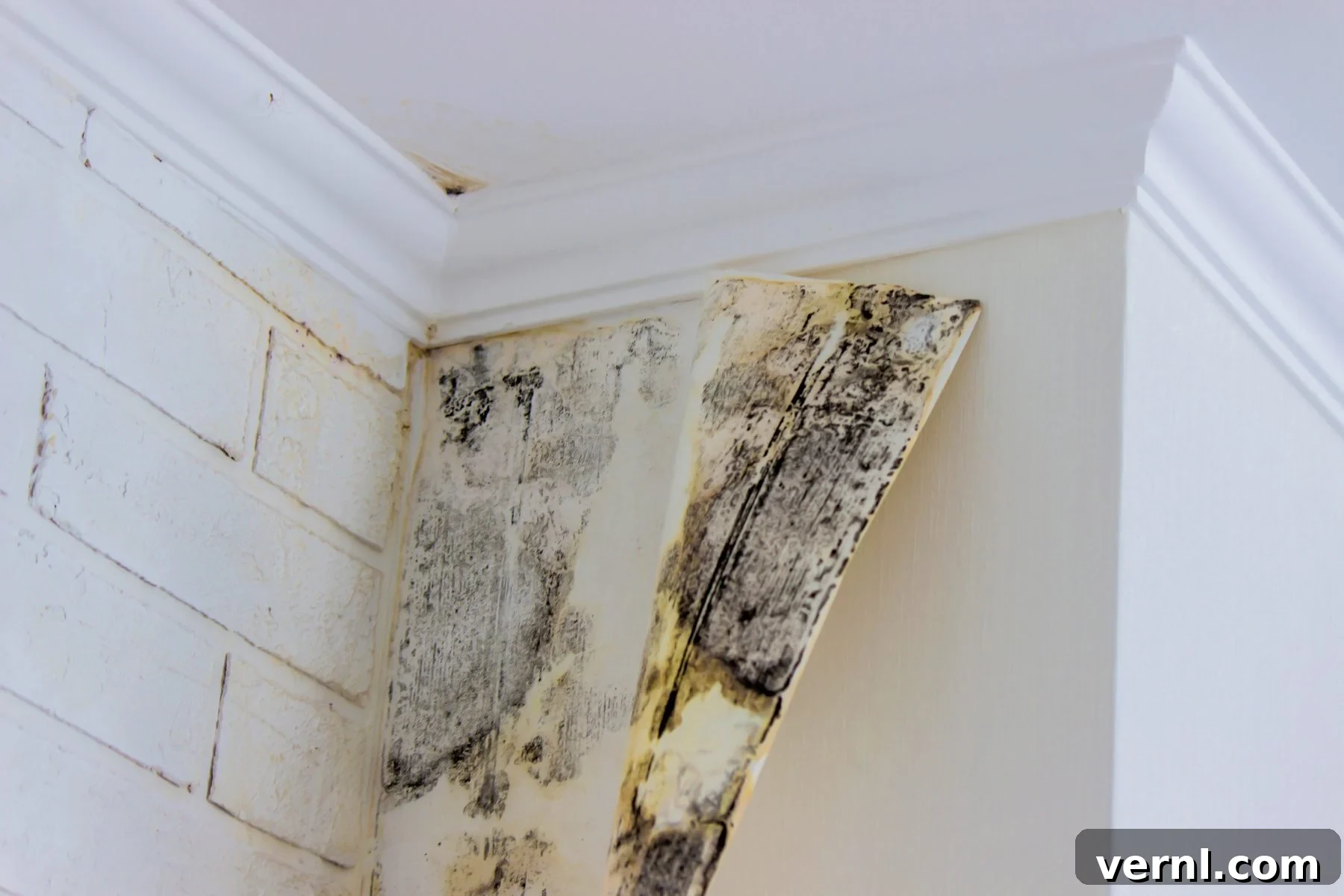
America’s dynamic climate brings an increasing incidence of flooding, elevated temperatures, and persistent humidity. These environmental conditions regrettably create an ideal breeding ground for mold, a moisture-loving fungus that can silently proliferate within our homes. Often, mold infestations remain hidden, tucked away beneath floorboards, behind drywall, or within wall cavities, developing unnoticed. The longer mold is left unaddressed, the greater its potential to inflict structural damage to properties and pose significant risks to occupant health. Understanding the distinct olfactory signature of mold is a powerful tool for early detection, empowering homeowners to act swiftly before a minor issue escalates into a major problem.
To shed light on this pervasive household challenge, we consulted with three leading experts in mold remediation and environmental health. This comprehensive guide will equip you with the knowledge to accurately identify mold’s characteristic musty odor, effectively locate the source of the smell, and understand the crucial steps to take upon discovering these unwelcome fungal colonies.
Understanding Mold: What Causes Its Growth?
Mold, fundamentally a type of fungus, requires specific conditions to thrive, primarily dampness and an organic food source. According to Rob Weitz, a highly respected mold consultant and principal at RTK Environmental Group, “The most common causes of mold in homes are directly related to dampness and moisture.” He elaborates that mold actively feeds on a variety of common household materials, including wallboard, fabrics, wood, paper products, and even certain food items. Mold spores, which are microscopic and naturally present in the air, seek out these wet surfaces, settle, and rapidly begin to grow into visible colonies.
While obvious water damage, such as from a burst pipe or flood, is a prominent catalyst for mold, many other causes are far more subtle and easily overlooked. Weitz points out that “areas frequently exposed to moisture, like kitchens and bathrooms, are particularly vulnerable.” Daily activities such as cooking, washing dishes, and showering release significant amounts of humidity, which can condense on cool surfaces and create ideal conditions for mold. Similarly, basements and crawl spaces, often inherently damp, cool, and poorly ventilated, are notorious hotspots for hidden mold growth.
Michael Rubino, a renowned mold and air quality expert and founder of HomeCleanse, further emphasizes the critical role of indoor humidity. He explains that sustained indoor humidity levels exceeding 60% relative humidity significantly promote mold proliferation throughout a home. Rubino identifies several other common culprits that contribute to mold problems, many of which involve water intrusion or inadequate moisture control:
- Roof problems, including missing shingles or damaged flashing, allow water to seep into attics and wall cavities.
- Gutter leaks and clogged downspouts can cause water to pool around the foundation, leading to basement or crawl space moisture issues.
- Malfunctioning appliances such as dishwashers, washing machines, or refrigerators can leak water silently, often into hidden spaces.
- Damaged or leaky pipes within walls or under sinks can create persistent dampness.
- Structural issues, including cracks in the foundation or poorly sealed windows, can permit water intrusion.
- Poorly maintained or incorrectly sized HVAC systems can fail to adequately control indoor humidity, especially during warmer months.
Understanding these diverse causes is the first step toward effective mold prevention and early detection.
The Distinctive Scent of Mold: What Does Mold Smell Like?
The sense of smell is often the earliest indicator of a hidden mold problem. When we asked our experts, “What does mold smell like?” the responses consistently pointed to a specific, identifiable odor. Jack White, Senior Director of Technical Services at Rainbow Restoration, described it as a “musty, damp, earthy smell,” which many people liken to the sour odor of wet clothing that has been left in a washing machine for too long. He also noted that “Black mold can have a stronger, more pungent odor,” which is a crucial distinction to remember.
Michael Rubino provides a deeper scientific explanation for this characteristic smell. He describes the musty odor, sometimes “cigar-like,” as a direct result of the release of microbial volatile organic compounds (mVOCs). As mold colonies grow and decompose organic materials such as damp wood, paper, fabric, and drywall, they metabolize these substances and release these specific gaseous compounds into the air. These mVOCs are what our noses detect as the distinct mold smell.
It’s important to recognize that not all mold growth will produce an immediate, noticeable smell, especially in its very early stages or when air circulation is extremely poor. Furthermore, different types of mold can produce subtle variations in their odor profiles. However, a general rule of thumb is that any persistent musty, earthy, or stale smell in an area where there shouldn’t be one is a strong indicator of mold. Moreover, as a mold problem escalates and the colony expands, the intensity of this odor will typically increase. Rubino explains, “This stronger smell indicates the colony is growing and releasing more gasses and byproducts, including spores and mycotoxins.” A more intense smell often signals a more extensive or active infestation, demanding prompt investigation.
Detecting the Unseen: How to Find Hidden Mold
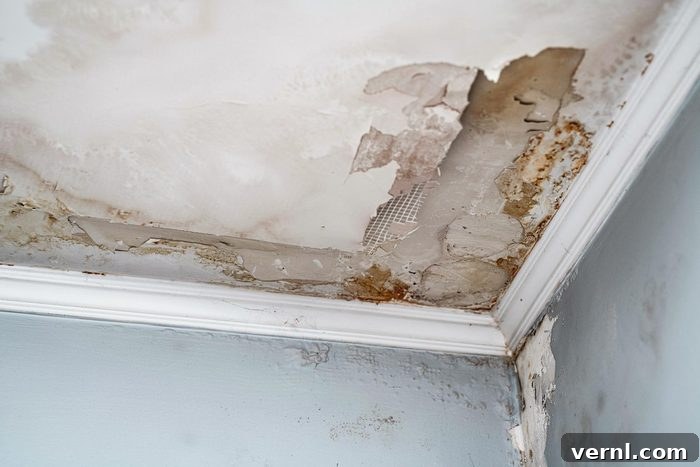
When the unmistakable scent of mold fills your home but no visible colonies are apparent, it’s time to become a detective. Your nose is your primary tool in this initial phase. Start by systematically checking areas known to be prone to moisture accumulation. These include bathrooms, basements, utility closets (especially those housing HVAC units or water heaters), and the often-overlooked spaces behind and under sinks, dishwashers, and washing machines. Pay close attention to any areas where the musty odor is strongest; this will help narrow down your search.
Beyond the smell, be vigilant for visual and tactile signs that might indicate hidden mold. These subtle clues often accompany a mold problem even before the fungus itself becomes visible:
- Chipping or peeling paint or wallpaper: Moisture can cause paint to bubble and peel, or wallpaper to detach from walls.
- Water stains or discoloration: Look for yellow, brown, or black stains on ceilings, walls, or floors that suggest previous or ongoing water leaks.
- Warped walls or flooring: Wood, drywall, and other building materials can warp, buckle, or swell when exposed to excessive moisture over time.
- Dampness or condensation: Feel surfaces for persistent dampness, especially in areas with poor ventilation. Condensation on windows or pipes can also be a warning sign.
- Musty or earthy odors: As mentioned, this is often the earliest and most reliable indicator.
Rob Weitz emphasizes that “the mold is likely hiding in places that aren’t immediately visible.” Common concealment spots include behind drywall, under wallpaper, beneath ceiling tiles, within insulation, under carpets and carpet padding, and around plumbing pipes that might be leaking. These areas offer the perfect trifecta for mold: moisture, darkness, and an organic food source.
Beyond structural damage, hidden mold can also manifest through human health issues. Michael Rubino highlights a critical link: “Chronic health issues with seemingly no underlying cause can also indicate mold indoors.” Mold releases microscopic spores, fragments, and potent toxins known as mycotoxins. These tiny particles are easily inhaled, ingested, or absorbed through the skin, potentially leading to adverse health reactions in sensitive individuals. Common symptoms of mold exposure often mimic allergies or a cold and can include:
- Runny or stuffy nose
- Itchy, watery eyes
- Skin rash or irritation
- Persistent coughing and sneezing
- Throat irritation
- Breathing difficulties, wheezing, or shortness of breath, especially for those with asthma
- Headaches and fatigue
- Sinus congestion
A tell-tale sign that your symptoms might be related to indoor mold is their pattern: they often abate or disappear when you leave your home and mysteriously resurface upon your return. If you experience these symptoms without an apparent cause, especially when combined with a suspicious smell, hidden mold should be a strong consideration.
When Professional Intervention is Essential for Mold Remediation
While small patches of surface mold might be manageable for a diligent homeowner, there are definitive circumstances when professional expertise becomes not just advisable, but absolutely critical for safe and effective remediation. If you can smell mold but cannot visually locate its source, it’s a strong indicator that the problem is extensive or deeply hidden within structural elements. Similarly, if you suspect the presence of “black mold” (often associated with species like Stachybotrys chartarum, though many molds appear black and not all black molds are toxic), it’s imperative to call in specialists due to potential health risks and the complexity of its removal.
Rob Weitz, from RTK Environmental Group, strongly advises seeking professional help for accurate assessment. “The only way to know the exact type and risk of the mold present is through a mold test conducted by an environmental inspector,” he states. He also issues a crucial caution: “It’s a conflict of interest for a company to do both” mold testing and remediation. To ensure unbiased assessment and prevent potential upselling of unnecessary services, always hire an independent inspector for testing who is separate from the company that will perform the actual cleanup.
The Environmental Protection Agency (EPA) provides clear guidelines, advising against attempting mold removal yourself when the affected area extends beyond 10 square feet (roughly a 3-foot by 3-foot patch). However, even for smaller areas, if you lack experience in proper mold containment and removal techniques, you could inadvertently worsen the problem. Weitz explains, “Mold spores are lightweight and can spread easily, making it easy to unknowingly cross-contaminate different parts of the home.” Disturbing mold without appropriate protective gear and containment can release millions of spores into the air, spreading the infestation to unaffected areas and increasing health risks to occupants.
Furthermore, if your home has experienced extensive water damage, prompt professional assistance is paramount. Mold can begin to grow incredibly quickly, often within 24 to 48 hours of a wet surface appearing. Michael Rubino emphasizes this urgency: “All it takes is 24-48 hours on a wet surface for some species to begin growing.” Professionals can rapidly dry out the affected areas, preventing mold formation in the first place.
Rubino also specifically recommends hiring professionals for mold remediation in challenging or critical areas. This includes basements, attics, crawlspaces, ceilings, and areas under carpets. “The extent of contamination might be hidden, potentially affecting the subfloor or framing behind the visible mold,” he warns. These structural elements require specialized tools and expertise to properly assess, access, and remediate without causing further damage or spreading spores. Professionals have the necessary equipment for negative air pressure, HEPA filtration, and safe disposal of contaminated materials.
When searching for a qualified mold remediator, a reputable starting point is the Institute of Inspection Cleaning and Restoration Certification (IICRC). Their certification ensures that professionals have met rigorous standards for knowledge and technical proficiency in various restoration disciplines, including mold remediation. Always look for certifications, insurance, and positive references to ensure you’re hiring a competent and trustworthy company.
Proactive Mold Prevention Strategies: Keeping Your Home Mold-Free
Prevention is always the most effective strategy when it comes to mold. By actively managing moisture and addressing potential risk factors, you can significantly reduce the likelihood of mold taking hold in your home. Incorporating these practices into your regular home maintenance routine can save you from costly remediation and potential health issues:
- Control Indoor Humidity Levels: Aim to keep your indoor relative humidity below 60%, ideally between 30% and 50%. This can be achieved through:
- Using dehumidifiers in damp areas like basements, crawl spaces, and poorly ventilated rooms.
- Ensuring proper ventilation in kitchens and bathrooms by running exhaust fans during and after cooking or showering.
- Using air conditioners during humid months, as they also help to remove moisture from the air.
- Address Water Leaks Immediately: Any water intrusion, no matter how small, must be repaired promptly. This includes leaky pipes, dripping faucets, roof leaks, or foundation cracks. Dry out any wet materials within 24-48 hours to prevent mold growth.
- Improve Ventilation: Ensure adequate airflow throughout your home. Open windows and doors on dry days, especially after activities that generate moisture. Keep interior doors open to promote air circulation.
- Clean and Dry Thoroughly: Regularly clean and dry bathrooms, kitchens, and other areas prone to moisture. Pay attention to grout lines, shower curtains, and refrigerator drip pans.
- Maintain Gutters and Downspouts: Ensure that gutters are clear of debris and downspouts direct water away from your home’s foundation. This prevents water from pooling and seeping into your basement or crawl space.
- Properly Insulate: Adequate insulation can help prevent condensation on cold surfaces, such as pipes or exterior walls, which can otherwise become damp and prone to mold.
- Avoid Carpet in Wet Areas: Carpeting in bathrooms, basements, or other areas susceptible to moisture can trap water and create a breeding ground for mold. Opt for hard, non-porous flooring in these spaces.
- Regular HVAC System Maintenance: Ensure your heating, ventilation, and air conditioning system is properly maintained. Clean or replace filters regularly and have the system inspected annually to ensure it’s functioning efficiently and not contributing to humidity issues.
Conclusion: Stay Vigilant, Stay Healthy
Mold is an unwelcome guest in any home, with the potential to cause both structural damage and significant health problems. By understanding its causes, recognizing its distinct musty odor, and knowing where to look for hidden infestations, homeowners can significantly improve their chances of early detection and prompt action. While minor mold issues can sometimes be tackled with careful DIY methods, larger or hidden problems invariably require the expertise of certified professionals. Prioritizing moisture control, addressing leaks swiftly, and maintaining proper ventilation are your best defenses against mold. By staying vigilant and taking proactive steps, you can help ensure your home remains a healthy, mold-free environment for you and your family.
About the Experts
Michael Rubino is a mold and air quality expert, environmental wellness advocate and founder of HomeCleanse; email interview, Oct. 10, 2024.
Rob Weitz is the principal at RTK Environmental Group and a leader in the field of testing and consulting in mold. He is a certified microbial investigator with 30+ years of knowledge; email interview, Oct. 10, 2024.
Jack White is the Senior Director of Technical Services at Rainbow Restoration, a Neighborly company. Rainbow are rapid response experts in disaster restoration, including mold removal; email interview, Oct. 11, 2024.
Sources
-
EPA: “A Brief Guide to Mold, Moisture and Your Home” (2023)