

The economic landscape is constantly shifting, and recent policy changes, particularly the implementation of increased tariffs on a wide range of goods imported into the U.S. from Canada, Mexico, and China, are creating significant ripples. While the exact percentages and affected products have seen some adjustments, a 20% tariff on items from China and a 25% tariff on many goods from Canada and Mexico are now in effect, directly influencing consumer prices.
For homeowners and DIY enthusiasts, these tariffs are poised to make home renovations and small projects noticeably more expensive. Pelin Pekgun, a distinguished researcher at Wake Forest University School of Business, emphasizes the importance of proactive planning. “To be prepared against these rising costs, homeowners should plan ahead, compare prices, and adjust budgets accordingly,” she advises. “While prices will not rise immediately, higher material costs, potential shortages, and supply delays could result in tighter renovation budgets in the coming months.”
This comprehensive guide delves into the specific products and areas most impacted by these tariffs, offering insights and practical strategies to help you navigate the changing market, especially for DIY endeavors, essential home improvements, and larger building projects.
Why Do Tariffs Cause Prices to Rise for Consumers?
Understanding the mechanism behind tariff-induced price hikes is crucial for homeowners. When governments impose tariffs, which are essentially additional taxes or fees on goods brought in from other countries, businesses importing these products face increased procurement costs. These costs are rarely absorbed entirely by the businesses; instead, they are predominantly passed down to the end consumer.
“Tariffs are like a hidden tax that families pay without realizing it directly,” explains George Carrillo, CEO of the Hispanic Construction Council. He offers a simple analogy: “Imagine your family is shopping for a new microwave. If tariffs are added, that $100 microwave might now cost $120. The extra $20 isn’t profit for the store; it’s covering that fee the importing company had to pay just to bring the product into the country. This impacts everything from large construction projects to everyday household purchases.”
Beyond this direct cost transfer, tariffs also exert an indirect upward pressure on prices through a complex chain reaction. For instance, a tariff on raw materials like aluminum can significantly affect the manufacturing cost of countless finished goods, including cars, major appliances, and power tools. Similarly, tariffs on fuel imports can inflate shipping costs across the board, impacting the price of virtually every product that needs to be transported, whether it’s a critical component for your home renovation or a local delivery of lumber to your driveway. This interconnectedness means that even seemingly distant trade policies can quickly manifest as higher prices in your local hardware store or on your monthly utility bills, making careful budgeting and strategic purchasing more vital than ever.
What Products Will Be Impacted By the Tariffs?
Lumber
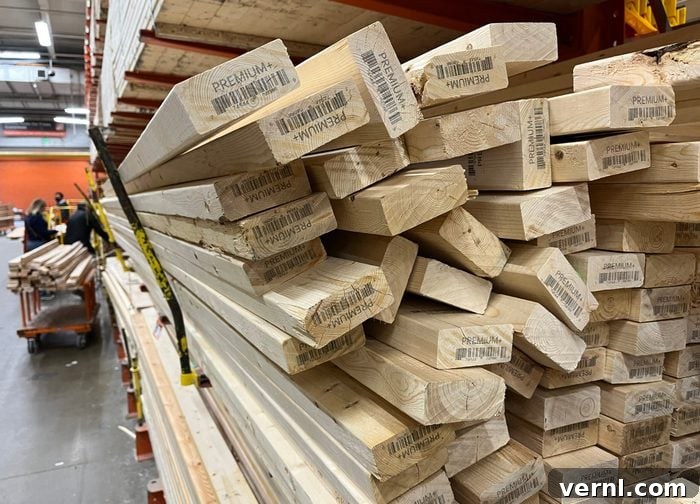
One of the most significantly impacted product categories for home construction and DIY is lumber. The looming 25% tariff on Canadian lumber, a primary source for the U.S. market, is projected to elevate the cost of various wood products by 15% to 25%. This translates to substantial price jumps for common materials. Real estate investor Erik Wright illustrates this stark reality: “The price of a standard sheet of plywood, which might have cost around $30, could easily surge to $50 or more.”
Wright recounts personal experiences: “I was forced to submit three home remodeling budget revisions last month due to premature tariff notifications, which raised the price of lumber by nearly 20%. A customer’s deck rebuild went from $6,400 to almost $8,000; a bitter increase for a family that simply needed to create safe outdoor areas for their children.” To counter these escalating costs, especially for time-sensitive repairs, homeowners should explore alternatives. Consider sourcing lumber from local sawmills, which may have different supply chains, or investigate composite, eco-friendly, and U.S.-made alternatives like Trex for decking and Acre for trim. Reclaiming and reusing existing wood from demolition or salvage projects can also offer significant savings.
Metals: Building Materials and Tools
Tariffs targeting Canadian and Mexican aluminum and steel, ranging from 10% to 25%, are expected to cascade into higher prices for a broad spectrum of products crucial for home improvement. Erik Wright anticipates increases of 10% to 30% on appliances, various hand and power tools, plumbing fixtures, and electrical components. Moreover, these tariffs will directly inflate the cost of essential building materials such as aluminum windows, entry doors, gutters, exterior trim, metal roofing, and solar panels. Given the ubiquitous nature of these metals in construction, virtually any project involving structural elements, finishing touches, or essential systems will face higher material costs. To mitigate this impact, consider repairing older tools rather than replacing them immediately, and explore alternative materials like vinyl for windows, which can offer similar performance at a potentially lower, tariff-free price point.
Auto Parts and Vehicles
The significant tariffs on steel and aluminum will inevitably lead to higher costs for new automobiles, work trucks, and a vast array of auto parts. This directly affects homeowners who rely on their vehicles for daily commutes, transporting DIY supplies, or simply maintaining their existing cars. George Carrillo highlights the specific impact on DIYers: “Automotive DIYers could also feel the sting, with the cost of imported brake pads potentially rising from $50 to $75 per set, and imported power tools like drills increasing by 15% to 20%.”
Furthermore, general contractor Josh Riutta notes that the increased cost of new vehicles will likely impact the cost of hiring professional contractors, explaining, “since we rely on our trucks for everything, from transporting materials to reaching job sites, these overhead increases will be passed on to clients.” To manage these expenses, Carrillo advises those considering a new vehicle purchase to act sooner rather than later. Stocking up on frequently used maintenance parts ahead of predicted price hikes is another smart move, as is exploring reliable secondhand parts from reputable salvage yards for repairs.
Electricity and Gas
Energy bills, a consistent monthly expense for every household, could also see an uptick. George Carrillo suggests a potential 5% to 10% increase if tariffs lead to higher costs for imported oil or natural gas. However, he notes that propane is less likely to be significantly affected, as its production is largely domestic. Beyond direct fuel costs, tariffs can indirectly influence energy expenses. Concrete specialist Bill Bencker explains, “If tariffs on steel and aluminum drive up the cost of energy infrastructure, like transformers or pipelines, that could eventually filter down to your electricity and gas bills.” This means that investments in utility infrastructure, made more expensive by tariffs, can translate into higher rates for consumers over time. Bencker also cautions that “if tariffs lead to trade disputes, it can disrupt energy markets, causing price volatility and unexpected surges.” Homeowners can proactively combat these potential increases by prioritizing energy efficiency upgrades in their homes. Simple steps like sealing drafty windows and doors, adding insulation to attics and walls, and switching to a programmable or smart thermostat can yield substantial long-term savings.
Electronics
The electronics sector is particularly vulnerable to tariff impacts due to globalized supply chains. “Electronics are a big one,” states financial analyst Michael Schmied. “Mexico assembles so much of what we use every day, from TVs and computers to even smart home devices, so a tariff will push prices up on these items.” Homeowners planning upgrades should anticipate increased expenditures. Schmied predicts that a new home security system or an energy-efficient refrigerator could cost an additional $100 to $300 per item, depending on the brand and features. Furthermore, a significant portion of crucial electronic components, such as lithium batteries, originates from China. The 20% tariff on Chinese goods will likely translate to higher prices for these components and, consequently, the devices they power, impacting everything from cordless tools to electric vehicles and advanced smart home gadgets.
Textiles
The impact of tariffs extends beyond hard materials and into the realm of home furnishings and textiles. Michael Schmied points out, “People often forget how much of our furniture and home goods come from China.” With a 20% tariff now in place, he warns that “mattresses, bedding, curtains, and couches will all get more expensive.” The financial implications can quickly accumulate, especially for those furnishing a new home or undertaking a comprehensive redecoration project. Schmied gives an example: “You might see an $800 sofa jump to $950, or premium bedsheets go from $100 to $120. If you’re furnishing a whole house, that adds up fast and can significantly strain your budget.” This makes strategic timing for purchases and exploring domestically produced or alternative material options more appealing.
Appliances
Major home appliances are also expected to see price increases, potentially ranging from 10% to 25% due to the new tariffs. Jonathan Palley, a tiny home builder, explains why these goods are particularly susceptible: “Manufactured goods are especially vulnerable to tariffs because, thanks to modern supply chains, they often cross the border multiple times during the assembly process. Even your American-made dishwashers, refrigerators, or water heaters probably have at least some work done in other countries, or incorporate components sourced internationally.” If you have an urgent need for a new appliance, consider purchasing it now to avoid future price hikes. For non-essential replacements, exploring the market for high-quality used or refurbished appliances, or investing in professional repairs for your current units, can offer significant cost savings.
Landscaping Materials
Outdoor projects and landscaping are not immune to the tariff crunch. Lumber, a foundational material for many landscaping elements like decks, fences, and raised garden beds, will see its costs rise in line with the general lumber tariffs. This, coupled with the increased cost of common landscaping tools and components manufactured in China—such as lawnmowers, outdoor lighting kits, and sprinkler heads—creates a challenging scenario. Landscaping expert Todd Hendricks states, “I don’t see any other way except for us to pass on those costs to our customers.” He cautions that “if the tariffs persist, these increases might get to be quite substantial, making even routine garden updates a more costly affair.” Homeowners might consider simpler, less material-intensive landscaping designs or focus on projects that utilize readily available or recycled local materials to manage costs.
Drywall and Concrete
Essential building components like drywall and concrete, fundamental to almost any construction or renovation project, will also experience cost inflation. Over 25% of the cement and concrete utilized in the U.S. is imported from Canada and Mexico. This means that the cost of pouring foundations, driveways, walkways, and other flatwork is likely to increase. Furthermore, Mexico is a critical supplier, providing more than 70% of American drywall. ADU builder Paul Dashevsky highlights the severity of this impact: “A tariff on this material would translate directly to increased building costs, as this material is standard practice in today’s construction and doesn’t have a simple substitute that can be quickly adopted.” This places a direct financial burden on new construction and major renovation projects, as these materials are indispensable.
Other Building Materials
The ripple effect of tariffs extends to numerous other building materials. Homeowners undertaking renovations should anticipate higher prices for flooring, kitchen cabinets, countertops, and various lighting fixtures. George Carrillo offers a specific example: “Regarding home essentials like imported tiles, for example, an imported tile backsplash could grow from $15 per square foot to $20, adding hundreds to renovation budgets.” However, he also provides a viable solution: “Buying domestic brands might sidestep those price increases entirely, offering a strategic way to save on certain materials.” This underscores the importance of researching material origins and considering domestically produced alternatives whenever possible.
HVAC Systems
Heating, Ventilation, and Air Conditioning (HVAC) systems are complex assemblies with numerous components often sourced internationally. Many parts of AC units, for example, are manufactured in Mexico before being shipped to the U.S. for final assembly and distribution. Consequently, these systems are poised to become more expensive. Vanessa Ferrara, an HVAC specialist in Pompano Beach, Florida, confirms this trend: “As an air conditioning contractor in South Florida, we have already been informed that our manufacturers and distributors are increasing their prices by 20% to 25% as a result of these tariffs.” Compounding this, she warns, “Coupled with supply chain challenges, homeowners will see shortages in availability and severe price hikes for new installations and major repairs.”
General contractor Justin Cornforth adds that even repairs will likely become more costly due to imported parts. He reveals a common misconception: “Most people don’t even realize that many manufacturers describe themselves as ‘American manufacturers,’ but in reality, a significant portion of their components are either made in China or assembled in Mexico using Chinese parts.” This highlights the often-hidden global nature of even ‘domestic’ products and the pervasive reach of tariffs.
Labor, in General
While not a direct consequence of tariffs, labor costs are an escalating concern within the construction industry that can further compound overall project expenses. Roofer Michael Green notes, “Many of my colleagues and industry peers are saying that immigration policy changes and deportations could lead to worker shortages and increased labor costs.” A reduction in the available labor pool inevitably drives up wages for skilled trades, which contractors then pass on to clients. Green also anticipates operational delays: “I also expect deployment timelines to stretch by two to three months as supply chains adjust and manufacturers rework new trade options.” This combination of higher material costs and potentially increased labor expenses means homeowners should brace for longer project durations and higher overall budgets.
Insurance
The ripple effect of tariffs isn’t limited to construction and goods; it also extends to insurance premiums. Attorney and law expert John Beck observes that “Car, home, and business policies are going up because materials and replacement costs are rising.” He provides a real-world example: “I had a client who was rear-ended, and the body shop quoted nearly 30% more than the same repair would have cost last year because parts are more expensive due to tariffs on imported materials.” Insurers calculate premiums based on the potential cost of repairing or replacing damaged property. When these underlying costs increase due to tariffs, insurance providers adjust their rates accordingly. Beck warns, “When prices go up, insurers adjust. Some providers are hiking rates across the board, assuming customers won’t push back.” This means homeowners could see their annual insurance premiums increase, adding another layer of financial impact from these trade policies.
Tips for Homeowners to Mitigate Tariff Impacts

Preparing for and effectively managing the financial repercussions of these tariffs requires a strategic and adaptable approach. Here are actionable tips for homeowners:
- Plan Ahead and Lock in Prices: If you have upcoming projects, consider purchasing necessary materials now, before further price increases take effect. Furthermore, obtain multiple contractor bids and aim to lock in fixed-price contracts to protect yourself from material cost fluctuations during the project’s duration.
- Prioritize Domestically Sourced Materials: Actively seek out and purchase materials that are manufactured or sourced within the U.S. These products are less likely to be directly impacted by import tariffs, potentially offering a more stable price point and supporting local economies.
- Explore Alternative Materials: Be open to substitutes. For example, instead of traditional lumber, investigate composite decking for outdoor projects. Research new eco-friendly options or readily available local alternatives that may not be subject to the same tariff pressures.
- Invest in Energy Efficiency: Focus on upgrades that offer long-term savings. Sealing windows, adding insulation, and switching to high-efficiency, Energy Star-rated appliances can help offset rising energy costs, which may also be indirectly affected by tariffs.
- Break Down Large Projects: Avoid committing to massive, multi-year projects that could see significant cost escalations before completion. Instead, break down renovations into smaller, manageable phases, allowing you to react to market changes and adjust your budget incrementally.
- Repair and Maintain Existing Items: Rather than immediately replacing tools, appliances, or vehicle parts, explore repair options. Investing in maintenance can extend the lifespan of your current possessions, delaying costly replacements.
- Seek Refurbished, Second-Hand, and Recycled Products: For appliances, furniture, and certain building materials, consider looking for refurbished, used, or salvaged options. Online marketplaces, specialized stores, and architectural salvage yards can be excellent resources for quality items at reduced prices.
- Stay Informed About Trade Policies: Continuously monitor news and updates regarding trade policies and tariffs. Being aware of potential changes can give you a strategic advantage in timing purchases and making informed decisions.
- Buffer Your Budget: Always allocate a larger contingency fund for projects than you typically would. An extra 15-20% buffer can absorb unexpected price increases for materials or labor without derailing your entire renovation plan.
- Don’t Hesitate to Negotiate: Especially with local suppliers or smaller contractors, always try to negotiate prices for materials and services. Many are willing to work with customers to secure business, particularly in a volatile market.
- Look for Discounts and Seasonal Sales: Keep an eye out for seasonal promotions, clearance sales, and holiday discounts. Timing your purchases around these events can lead to significant savings on various home improvement items.
- Build Relationships with Local Suppliers: Establishing good relationships with local hardware stores, lumber yards, and specialty material suppliers can provide you with early warnings about price changes, access to preferred pricing, or advice on alternative products.
“Basically, it’s about being smart and adaptable,” concludes concrete specialist Bill Bencker. “We’re all in this together, and by being prepared, we can weather the storm and keep our home improvement dreams alive.”
However, homeowners should also exercise caution. Kitchen distributor Michael Neal warns against predatory practices: “Be wary of players using tariffs as scare tactics to get you to sign contracts quickly, or artificially inflating prices and/or applying a surcharge for tariffs early.” He explains that “Many building supply houses have one to six months of inventory on hand, and international suppliers often have even longer lead times. This means they likely have non-tariffed-increased products in stock currently,” implying that immediate, drastic price increases may not always be justified.
About the Experts
- Pelin Pekgun is a researcher at Wake Forest University School of Business who has been closely monitoring tariffs and their effects on the supply chain.
- George Carrillo is CEO of the Hispanic Construction Council (HCC), a leading advocate in the construction industry.
- Paul Dashevsky is co-founder and co-CEO of MaxableSpace.com and GreatBuildz.com, specializing in ADU construction and contractor matching.
- Justin Cornforth is owner of Ace Home Co in Williamston, South Carolina, a full-service home renovation company.
- Jonathan Palley is CEO of Clever Tiny Homes, focusing on innovative small-space living solutions.
- Michael Neal is president of AAA Distributor, a reputable supplier of kitchens, bathrooms, and flooring in Philadelphia, Pennsylvania.
- Josh Riutta is a general contractor, roofer, and owner of Mikku and Sons Roofing in Phoenix, Arizona, with extensive industry experience.
- Bill Bencker works in the concrete’s specialty division of Ace Avant, offering expertise in concrete solutions.
- Todd Hendricks is owner of Louisville Landscape Pros in Kentucky, a seasoned professional in landscape design and implementation.
- Erik Wright is founder and CEO of New Horizon Home Buyers, a real estate investor with insights into construction costs.
- Vanessa Ferrara is owner of Ferrara’s Air in Pompano Beach, Florida, a trusted HVAC specialist.
- Michael Schmied is a senior financial analyst at Kredite Schweiz, providing expert financial market analysis.
- Michael Green, founder and CEO of Alternative Roofing, offers insights into roofing and general construction.
- John Beck is an attorney, law expert, and founding partner at Beck & Beck Missouri Lawyers, specializing in legal aspects affecting consumers and businesses.