The Allure of Adjacent Inspiration: Exploring Homeowner Trends in Copying Neighbors
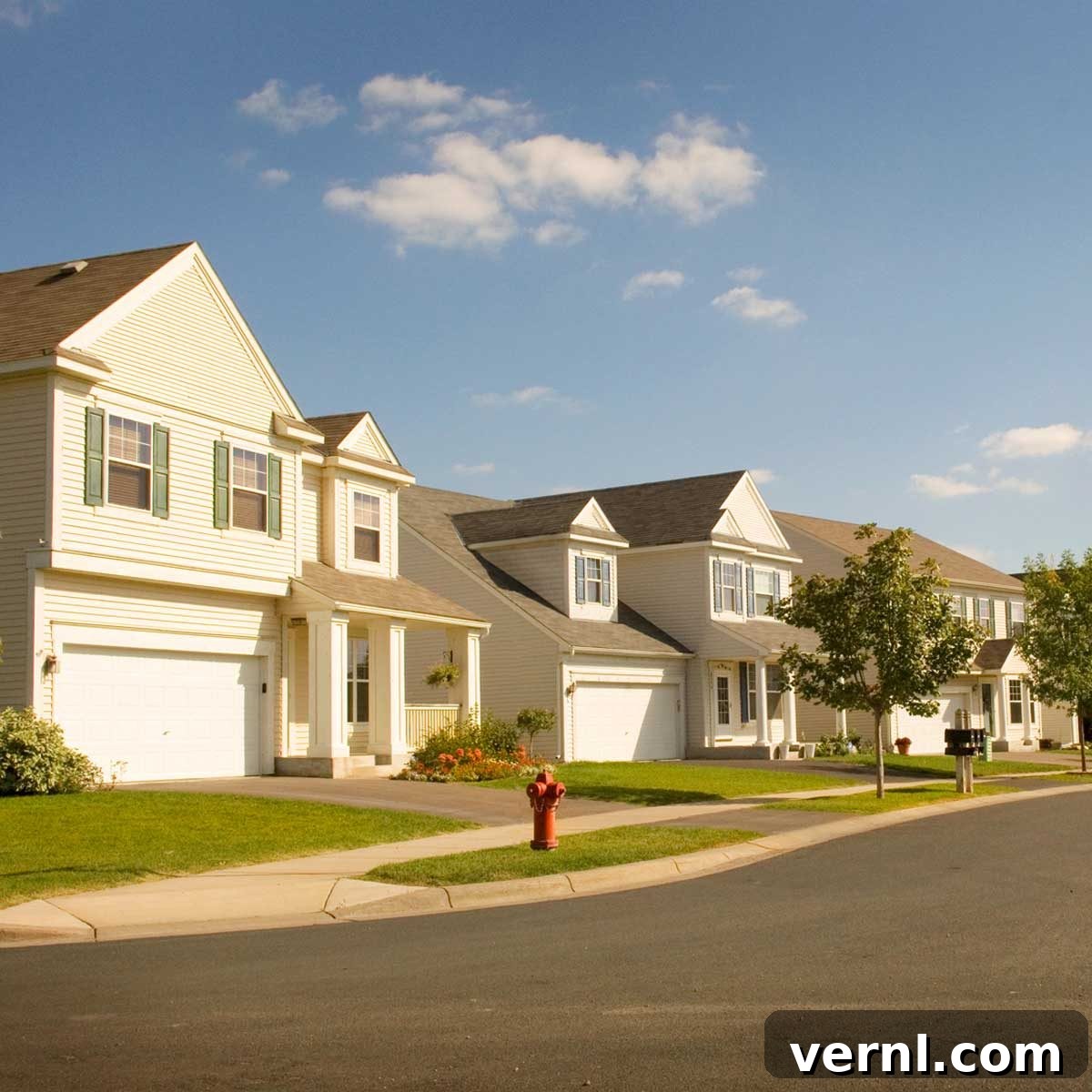
In the dynamic realm of home aesthetics and property enhancement, inspiration often emanates from the most tangible and immediate sources. For a significant majority of American homeowners, the most compelling design insights aren’t found on carefully curated Pinterest boards or within the pristine displays of furniture showrooms. Instead, they’re discovered right next door. A striking 70 percent of homeowners confess to drawing ideas – and sometimes directly replicating elements – from their neighbors’ homes. This pervasive trend encompasses a wide array of choices, from the charm of retro lawn furniture and carefully selected exterior color palettes to modern lighting upgrades and energy-efficient replacement windows, creating a fascinating, albeit often unspoken, dynamic within residential communities.
The rationale behind this widespread imitation is remarkably intuitive. There’s an undeniable persuasive power in witnessing a specific color scheme or a comprehensive kitchen remodel brought to life in a real home, especially one that shares similar architectural features, age, and dimensions with one’s own property. Unlike abstract concepts or perfectly staged advertisements, a neighbor’s successful renovation provides a practical, real-world demonstration of how a particular design choice will genuinely look, function, and integrate into a comparable setting. This tangible validation significantly reduces the guesswork and potential anxiety associated with major home improvement projects, making the decision to emulate a neighbor’s appealing venture both logical and reassuring.
However, this widespread practice prompts an intriguing question: Is such imitation universally perceived as a sincere form of flattery, or does it, at times, cross into the territory of genuine annoyance? To fully unravel this nuanced social phenomenon, MyJobQuote recently conducted an extensive survey. They polled 2,275 homeowners across both the United States and the United Kingdom, aiming to uncover not only what elements homeowners are most likely to copy but also the complex emotional responses evoked when one’s unique design choices are mirrored by those living just a few feet away. The findings offer a compelling glimpse into the collective psyche of homeowners and their relationship with their immediate surroundings.
What Homeowners Are Copying: A Deep Dive into Décor and Design Trends
The comprehensive survey results illuminate the specific categories of items and concepts that neighbors are most inclined to replicate. It’s clear that a broad spectrum of home-related elements, encompassing both interior design and exterior landscaping, are considered fair game for replication, underscoring a strong collective desire among homeowners to achieve a certain admired aesthetic or enhance their property’s curb appeal based on observable successes in their immediate vicinity.
Inside the Home: Popular Interior Imitations
- Indoor Furniture and Other Items: A substantial 69 percent of respondents admitted to purchasing the same or very similar indoor furniture pieces or other decorative items. This often includes everything from statement living room sofas and dining sets to accent chairs, shelving units, and even specific types of flooring, all aimed at replicating a desired interior ambiance.
- Indoor Accessories: Nearly half, specifically 47 percent, of homeowners confessed to adopting ideas for indoor accessories. This category covers smaller yet impactful details like throw pillows, unique artwork, decorative vases, stylish rugs, and even specific curtain styles, which collectively contribute significantly to the overall feel and personality of an interior space.
- Color Schemes: More than half—53 percent of those surveyed—adopted a neighbor’s color scheme. This statistic powerfully highlights the visual impact of well-chosen paint colors and how effectively they can transform a living space, prompting others to replicate successful palettes that establish a particular mood or atmosphere.
- Room Design: A quarter of homeowners (25 percent) drew inspiration from an entire room design, indicating that comprehensive aesthetic visions are also being replicated. This could involve the complete layout, theme, and overall furnishing strategy for a kitchen, bathroom, living area, or even a home office.
- Floor Plans: While a less common undertaking, approximately 11 percent of homeowners went as far as utilizing the same floor plan. This suggests that for new builds or extensive structural remodels, the functional layout and flow of a neighbor’s home can also serve as a practical and appealing blueprint.
Outside the Home: Enhancing Curb Appeal and Outdoor Living
- Outdoor Furniture and Items: Approximately 61 percent of homeowners copied outdoor furniture and related items. This trend reflects the increasing emphasis on creating inviting and functional outdoor living spaces, with patios, decks, and gardens now considered essential extensions of the indoor environment. Examples include seating arrangements, fire pits, outdoor dining sets, and decorative planters.
- Garden Design: A significant 42 percent mimicked a neighbor’s garden design. This could involve specific plant selections, elaborate landscaping layouts, hardscaping features like pathways or retaining walls, and even water features. A thoughtfully designed garden can dramatically enhance a home’s curb appeal and perceived property value.
- Exterior House Design: Nearly four out of ten respondents (39 percent) copied elements of their neighbor’s exterior house design. This often refers to aesthetic details such as exterior paint colors, siding materials, front door styles, window frames, and even porch railings, all of which contribute profoundly to a home’s first impression.
- House Architecture: A substantial 34 percent replicated aspects of their neighbor’s house architecture. This represents a more significant undertaking, potentially involving structural modifications or the addition of architectural features like gables, dormers, or specific roof styles, all aiming for a consistent or admired look within the neighborhood.
Beyond purely decorative elements, homeowners also show a keen interest in adopting practical upgrades that demonstrably improve a property’s functionality and long-term aesthetic appeal. From the energy efficiency of replacement windows that lead to lower utility bills to sophisticated outdoor lighting systems that enhance both security and nighttime ambiance, the real-world success and visible benefits of a neighbor’s improvement project often serve as the ultimate endorsement for one’s own investment decisions.
While drawing inspiration from one’s surroundings is a natural human inclination, it’s worth pausing to consider the delicate line between respectful admiration and actions that might be perceived as overstepping by others. Sometimes, what is intended as the sincerest form of flattery can inadvertently become a source of irritation or contention among neighbors. For further insights into potential neighborhood etiquette, you might want to explore some behaviors your neighbors might wish you’d reconsider.
The Emotional Ripple Effect: How Homeowners React to Being Copied
The act of imitation, despite its commonality, rarely elicits a uniform emotional response. While the famous quote by Oscar Wilde suggests that “Imitation is the sincerest form of flattery,” the detailed survey results unveil a far more intricate and often contradictory emotional landscape among those whose homes become the unwitting blueprints for their neighbors’ design aspirations.
Flattery Versus Annoyance: A Spectrum of Feelings
Contrary to Wilde’s romanticized notion, a significant majority of homeowners—67 percent—reported feeling a distinct sense of discomfort when their carefully chosen design elements were copied. This widespread discomfort suggests that while the abstract idea of flattery might exist, it is frequently overshadowed by a spectrum of less positive and more complex emotions.
- Competitiveness or Violation: Roughly half of those surveyed admitted to experiencing feelings of competitiveness or a sense of personal violation. This indicates that for many, their home transcends mere shelter; it is a deeply personal space, a direct reflection of their unique taste, effort, and investment. Witnessing these specific choices replicated can be perceived as an infringement on their individuality or even a challenge to their perceived status or originality within the neighborhood. The feeling of “violation” might stem from a belief that their personal space and creative decisions have been appropriated without permission, thereby diminishing the uniqueness and personal touch they worked so hard to achieve.
- Anger and Annoyance: Nearly 40 percent of homeowners confessed to feeling genuinely angry and annoyed by copycat neighbors. This stronger negative reaction often surfaces when the imitation is perceived as blatant, excessive, or disrespectful, particularly if the original homeowner has invested significant time, emotional energy, and financial resources into cultivating a distinct and personal look. Such replication can feel as though their originality has been devalued or that their personal style has been diluted by widespread, uninspired adoption.
- Flattery: Despite the prevalence of negative reactions, a notable 44 percent of homeowners did report feeling flattered. This segment of respondents likely interprets the imitation as a genuine compliment, an acknowledgment of the appeal and success of their design choices. For these individuals, seeing their ideas replicated reinforces their good taste and potentially boosts their self-esteem regarding their home’s overall appearance and aesthetic appeal.
- Happiness: A smaller, yet significant, segment, just 17 percent, expressed genuine happiness when their neighbors adopted their ideas. This group might derive joy from contributing positively to their community’s aesthetic, witnessing their choices inspire beautiful changes around them, or simply appreciating a shared sense of style and common vision for neighborhood enhancement.
These diverse and often conflicting responses vividly highlight the profoundly personal connection homeowners forge with their living spaces. A home is far more than just a physical structure; it’s an extension of identity, a canvas for self-expression, and a testament to personal style and aspiration. When that carefully crafted identity is directly mirrored by others, it can evoke a complex mix of pride, frustration, and, at times, even a subtle sense of loss of their distinct originality.
The “Keeping Up with the Joneses” Conundrum: Pressure and Investment
Beyond the immediate act of copying, the MyJobQuote survey also delved into a closely related and equally powerful phenomenon: the inherent pressure homeowners often feel to match or even surpass their neighbors’ ongoing home improvements. The deeply ingrained concept of “keeping up with the Joneses” continues to be a potent sociological and economic motivator in many cultures, and it clearly exerts a strong influence within the realm of homeownership and property maintenance.
The Weight of Neighborly Expectations and Social Pressure
The survey data unequivocally reveals that a significant portion of homeowners feel compelled to continuously upgrade and enhance their properties in direct response to their neighbors’ endeavors. A substantial 28 percent of respondents felt “very” pressured to keep pace with their neighbors’ improvements, while an additional 21 percent felt “somewhat” pressured. This cumulative figure of 49 percent indicates that nearly half of all homeowners experience some discernible level of social pressure to maintain a comparable standard of living and property appearance relative to those around them.
This pressure is not solely aesthetic; it frequently stems from a complex interplay of factors including the desire to maintain or increase property values, uphold social standing within the community, and contribute positively to the neighborhood’s overall appeal and cohesion. If one home is perceived to stand out negatively amidst a street of meticulously maintained and upgraded properties, it can become a significant source of anxiety and dissatisfaction for its owners, driving them towards remedial action.
The Financial Impact of Social Pressure on Home Improvement
Responding to this perceived need for continuous improvement inevitably comes with a tangible financial cost. Homeowners who expressed a strong urge to invest in renovations and refreshed décor specifically to “keep up” with their neighbors indicated substantial spending intentions, highlighting the economic implications of neighborly influence:
- Up to $5,000: A quarter (25 percent) of these respondents were prepared to spend up to $5,000 on home improvements to stay competitive. This budget typically covers smaller-scale projects that offer noticeable enhancements, such as repainting certain areas, minor landscaping upgrades, installing new light fixtures, or updating indoor accessories and soft furnishings.
- Up to $10,000: An even larger group, comprising 30 percent of those surveyed, were willing to allocate a more substantial budget of up to $10,000. This higher investment allows for more significant upgrades, including new flooring installations, partial kitchen or bathroom remodels, more extensive landscaping work, or the replacement of a few key exterior elements like a new front door or garage door.
These figures vividly underscore the significant economic implications of neighborly influence on personal spending. The intrinsic desire to maintain parity or enhance one’s property in line with perceived community standards can lead to considerable financial commitments, often driven more by external social pressure than by purely intrinsic need, functional imperative, or personal aesthetic preference. While the “keeping up” phenomenon can sometimes spur beneficial home improvements that genuinely enhance property value and quality of life, it also illuminates the potential for unnecessary spending motivated primarily by a powerful, often unspoken, social contract within the neighborhood.
Navigating Inspiration and Originality in Your Home Design
Understanding the intricate dynamics of neighborly imitation and its varied emotional fallout is paramount for homeowners who aim to both draw inspiration from their surroundings and simultaneously express their unique individuality. While the allure of a successful, tried-and-tested design next door is undeniably strong, there are effective strategies to adapt these ideas respectfully without sacrificing your personal stamp or the distinct character of your home.
Firstly, it’s crucial to critically consider the “why” behind your inspiration. Is a particular design genuinely appealing to your personal taste and lifestyle, or are you primarily succumbing to external pressure or the desire to conform? Utilize a neighbor’s successful project as a spring-board for your own creative exploration. Instead of pursuing an exact replica, think deeply about how you can adapt the core concept or aesthetic to harmoniously fit your personal style, the specific architectural characteristics of your home, and your available budget. For example, if you admire a neighbor’s vibrant garden design, consider incorporating similar plant varieties but arranging them in a layout that distinctly reflects your own aesthetic preferences, or perhaps choosing a complementary, rather than identical, color palette for your outdoor furniture and accessories.
Secondly, prioritize focusing on home improvement elements that genuinely enhance your daily living experience and demonstrably increase your property’s long-term value, rather than purely emulating superficial trends. Upgrades such as energy-efficient windows, a thoughtfully designed outdoor living space that suits your family’s needs, or a modernized kitchen will offer tangible benefits that extend far beyond mere aesthetics. These types of improvements not only boost comfort, functionality, and sustainability but also contribute significantly and positively to your home’s intrinsic worth and market appeal over time.
Finally, always remember that your home is, fundamentally, a reflection of who you are and what you value. While maintaining community harmony and contributing to overall property values are important considerations, personal expression and individuality hold immense intrinsic value. Strive to find a harmonious balance between fitting into the neighborhood’s overarching aesthetic and confidently showcasing your unique personality through your design choices. A home that genuinely feels authentically “yours” will invariably be the most satisfying and fulfilling place to live, regardless of what trends or renovations are unfolding just a few doors down.
Conclusion: The Complex Tapestry of Homeownership and Community Aesthetics
The extensive survey conducted by MyJobQuote offers a compelling and insightful snapshot of contemporary homeowner behavior, clearly revealing that imitation is indeed a widespread practice, deeply intertwined with both pragmatic considerations and a complex array of emotional responses. From the practical desire to observe and evaluate design choices “in action” within a similar setting, to the underlying social pressure of “keeping up with the Joneses,” the profound influence of neighbors on our home improvement and design decisions is undeniably significant and far-reaching.
However, the varied and often conflicting emotional reactions reported by homeowners who experience their designs being copied underscore a fundamental and deeply human truth: while we often seek external validation and inspiration from our immediate environment, there is an equally strong, deep-seated human need for individuality, originality, and a sense of unique ownership over our most personal spaces. The journey of homeownership is, in essence, a continuous negotiation—a delicate and dynamic dance between embracing broader community aesthetics and asserting one’s own distinct personal style. Ultimately, this intricate interplay paints a rich, sometimes contradictory, but always fascinating picture of how we interact with our immediate residential environment and each other in the shared, perpetual pursuit of creating the perfect place to call home.