
Unlock the Hidden Potential: Dusting Walls and High Areas with Your Swiffer Sweeper
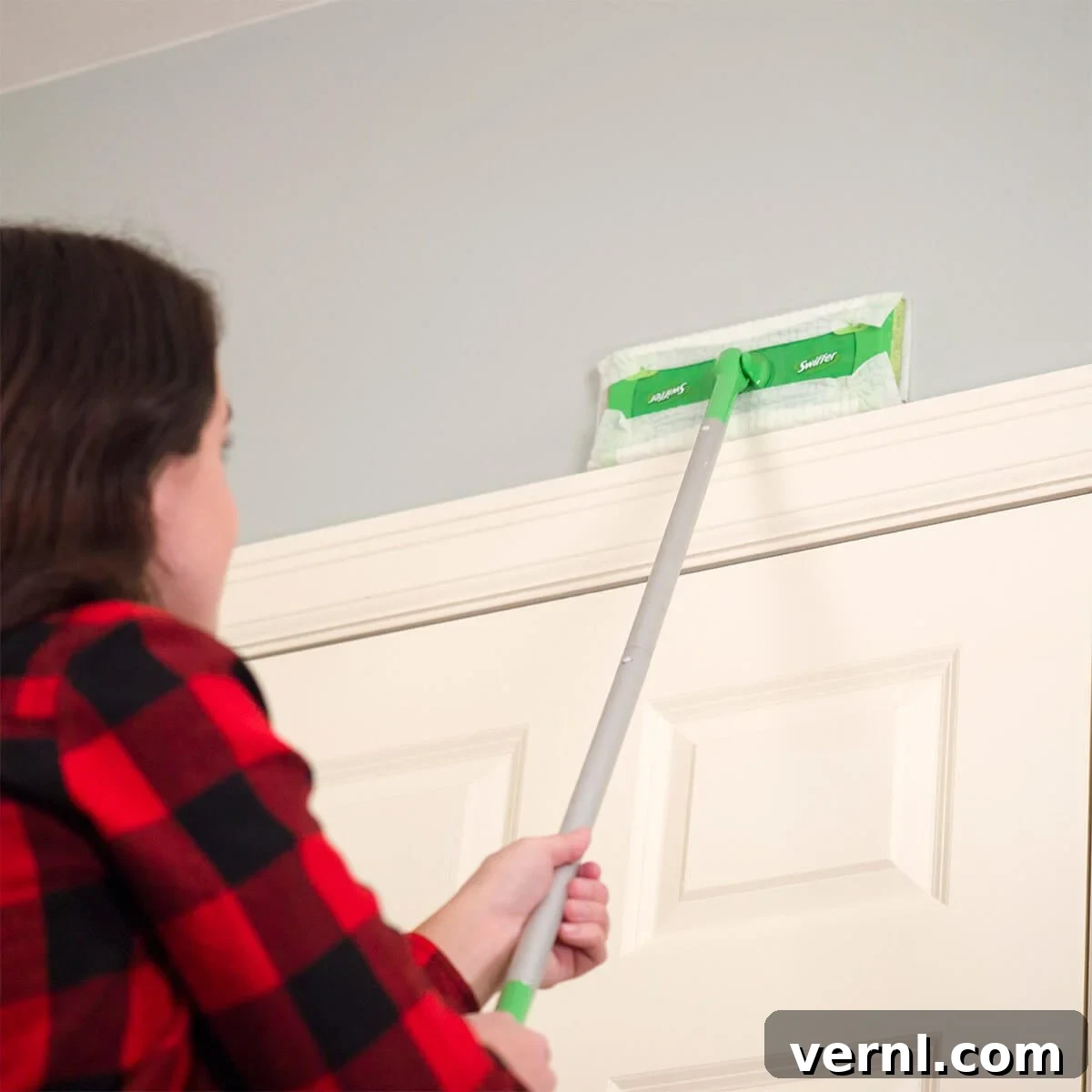
The Swiffer Sweeper has long been celebrated as an indispensable ally for maintaining pristine hard floors, effortlessly capturing dust, dirt, and pet hair with its specialized dry and wet cloths. Yet, many homeowners overlook its incredible versatility beyond the floor level. This iconic cleaning tool is, in fact, perfectly engineered to tackle the often-forgotten chore of dusting walls, baseboards, crown molding, door frames, and other elusive high-reach areas throughout your home. Forget about precariously balancing on step stools or struggling with cumbersome ladders; your Swiffer Sweeper offers a safe, simple, and remarkably effective solution for a truly dust-free living space.
Why Dusting Walls and High Surfaces Matters
While we diligently sweep and mop our floors, walls and ceilings often go unnoticed, quietly accumulating layers of dust, allergens, and even unsightly cobwebs. Regular dusting of these surfaces is not merely about aesthetics; it plays a crucial role in maintaining a healthier, more comfortable home environment.
- Improved Air Quality: Dust particles, pollen, pet dander, and other allergens settle on walls and high surfaces. When disturbed, these particles become airborne, contributing to indoor air pollution and potentially triggering allergies or respiratory issues for sensitive individuals.
- Enhanced Home Appearance: A clean home isn’t just about spotless floors. Dusty walls, murky baseboards, and cobweb-laden corners detract from the overall cleanliness and appeal of your living space. A thorough wall dusting can instantly brighten and refresh a room.
- Preventing Pest Infestations: Cobwebs are a tell-tale sign of spiders, but dusty walls can also attract other tiny insects. Regularly removing these can help deter pests and keep your home feeling cleaner and more hygienic.
- Prolonging Paint Life: Accumulated dust can slowly degrade paint finishes over time. Gentle, regular dry dusting helps maintain the integrity and vibrancy of your wall paint.
The Swiffer Sweeper Advantage: Beyond the Floor
Traditional methods for dusting walls often involve a damp cloth and a lot of elbow grease, or specialty wall-cleaning tools that can be heavy and awkward. The Swiffer Sweeper revolutionizes this task with several distinct advantages:
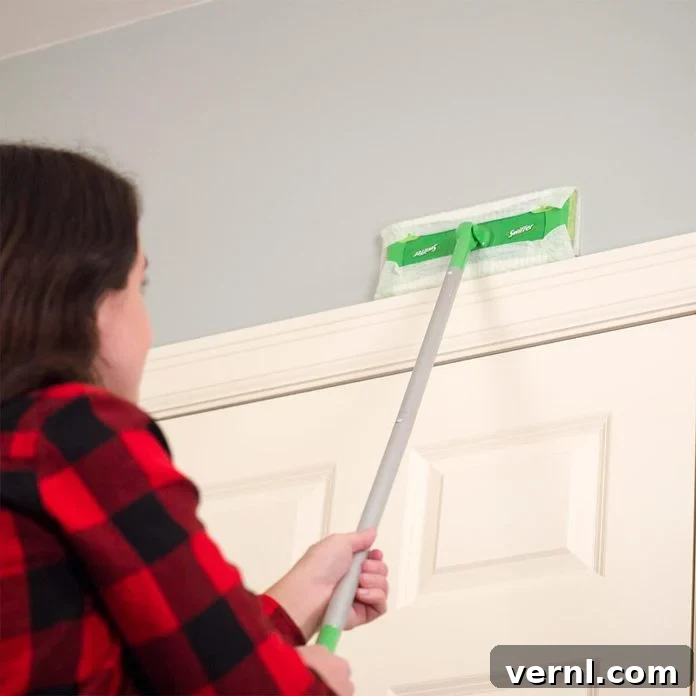
- Extended Reach, Enhanced Safety: The Swiffer Sweeper’s lightweight design and extendable handle are its most significant assets when tackling high areas. This feature allows you to comfortably reach ceilings, tall walls, and the tops of door frames without the need for step stools or ladders, drastically reducing the risk of falls and making the task accessible to everyone.
- Superior Dust Trapping: Swiffer’s dry cloths are specifically designed with unique fibers that create an electrostatic charge, effectively attracting and locking away dust, dirt, and cobwebs. Unlike traditional feather dusters that merely push dust around, Swiffer cloths trap it, preventing it from recirculating in the air.
- Dry Cleaning, No Mess: Because you’re using a dry cloth, there’s no risk of water drips, streaks, or damage to paint or wallpaper. This makes it ideal for quick touch-ups and regular maintenance, avoiding the mess and drying time associated with wet cleaning methods.
- Quick and Convenient: Simply attach a dry cloth, swipe, and toss. The disposable nature of the cloths means no washing dirty rags and no spreading dust from one area to another. It’s a fast, efficient, and hygienic solution.
- Versatility for All Surfaces: While excellent for walls, the slim profile of the Swiffer head also allows it to navigate narrow spaces like along window and door trim, around light fixtures, and behind furniture, capturing dust where other tools might struggle.
How to Effectively Dust Walls and High Areas with Your Swiffer Sweeper
Using your Swiffer Sweeper for wall dusting is straightforward, but a few professional tips can maximize its effectiveness and ensure a sparkling clean result.
Step-by-Step Guide:
- Prepare Your Swiffer: Ensure your Swiffer Sweeper handle is fully extended for maximum reach. Attach a fresh, dry Swiffer Sweeper cloth securely to the rectangle head, wrapping the edges into the grippers. Make sure the cloth is taut and flat on the cleaning surface.
- Start from the Top: Always begin your dusting process at the highest point of the room – typically the ceiling corners, crown molding, or the top edge of your walls. Gravity will cause any dislodged dust to fall downwards, so working from top to bottom ensures you capture everything.
- Long, Gentle Strokes on Walls: For large wall surfaces, use long, overlapping, and gentle strokes. Avoid pressing too hard, as this can leave streaks or marks on certain paint finishes. The electrostatic action of the Swiffer cloth is designed to attract dust with minimal pressure. Work your way down the wall section by section.
- Detailing Trim and Frames: For window frames, door frames, baseboards, and ledges, turn the Swiffer head so one of its edges presses against the surface. The slim profile of the Swiffer head and the pliable cloth allow it to conform to these narrower areas, effectively picking up dust that tends to accumulate quickly.
- Tackling Cobwebs: The Swiffer Sweeper is exceptionally good at removing cobwebs. Its extended reach allows you to gently swipe through corners and high ceilings where spiders often build their webs. The cloth will entangle the web and any spiders or insects caught within it.
- Monitor Cloth Saturation: As you dust, periodically check the Swiffer cloth. Once it appears heavily soiled or less effective at picking up dust, simply unattach it and dispose of it. Replace it with a new dry cloth to maintain optimal cleaning performance.
- Don’t Forget the Corners: Pay special attention to room corners, both at the ceiling and floor level, as these are prime spots for dust and cobweb accumulation. The Swiffer head can be angled to fit snugly into these areas.
Pro Tips for an Even Deeper Clean:
- Combine with Floor Cleaning: After dusting your walls and high surfaces, always give your floors a final sweep or vacuum. This ensures you capture any dust that may have fallen during the wall dusting process.
- Regular Maintenance: Incorporate wall dusting into your regular cleaning routine. A quick pass with the Swiffer once every few weeks can prevent heavy dust buildup, making subsequent cleanings much easier and quicker.
- Dusting Light Fixtures and Vents: The Swiffer Sweeper can also be carefully maneuvered around light fixtures (ensure they are off and cool!) and air vents to remove accumulated dust, which can improve light output and air circulation.
- Behind Furniture: Use the Swiffer to reach behind and under heavy furniture that’s difficult to move, capturing hidden dust bunnies and pet hair that often lurk there.
- Blinds and Shutters: For horizontal blinds, close them flat and swipe horizontally with the Swiffer. For vertical blinds or shutters, swipe vertically.
Beyond Dust: Addressing Specific Wall Cleaning Needs
While the dry Swiffer cloth excels at removing loose dust and cobwebs, there might be instances where your walls require a more thorough cleaning due to smudges, fingerprints, or grime. For these situations, the Swiffer WetJet or Swiffer Sweeper with a wet mopping cloth (designed for floors but can be carefully adapted) might seem appealing. However, it’s crucial to exercise caution when using wet solutions on walls:
- Test in an Inconspicuous Area: Always test any wet cleaning solution on a small, hidden section of your wall first to ensure it doesn’t damage the paint or wallpaper, cause discoloration, or leave streaks.
- Avoid Excess Moisture: Walls generally should not be saturated with water. Excess moisture can seep into drywall, damage paint, or even promote mold growth. If using a damp cloth, ensure it is only slightly damp, not dripping wet.
- Specific Stains: For specific marks like crayon or scuffs, targeted cleaners and gentle dabbing might be more appropriate than a broad wet sweep.
For general wall maintenance, the dry Swiffer method remains the safest and most effective strategy for regular dust and cobweb removal, preserving your walls’ integrity while keeping them looking fresh.
Conclusion: Embrace the Full Potential of Your Swiffer Sweeper
Your Swiffer Sweeper is far more than just a floor mop; it’s a dynamic, multi-purpose cleaning marvel designed to simplify your entire home cleaning routine. By harnessing its extendable handle and powerful dust-trapping dry cloths, you can effortlessly conquer the often-overlooked challenge of dusting walls, ceilings, baseboards, and all those other hard-to-reach nooks and crannies. Not only will your home look visibly cleaner and brighter, but you’ll also contribute to a healthier indoor environment by significantly reducing airborne allergens. So, next time you reach for your Swiffer, remember to look up! A cleaner, safer, and more hygienic home is just a few swipes away.