Understanding and Managing Your Natural Gas Delivery Fees: A Comprehensive Guide
Navigating the complexities of your utility bill can often feel like deciphering a secret code. For many homeowners and businesses, natural gas expenses represent a significant portion of their monthly budget, especially during colder months. Recent headlines, like those in Massachusetts where gas delivery fees surged by hundreds of dollars for some customers in the winter of 2025, have brought these often-overlooked charges into sharp focus. As temperatures plummet and thermostats climb, a sudden hike in utility bills can be a source of significant frustration and financial strain, leaving many to wonder: what exactly are these gas delivery fees, and why are they so expensive?
Prior to such dramatic increases, gas delivery fees might have been an invisible line item on your monthly statement. However, in an era of rising living costs and increased awareness of energy consumption, understanding every component of your gas bill is more crucial than ever. This comprehensive guide aims to demystify natural gas delivery fees, explaining what they are, how they function, the factors contributing to their cost, and, most importantly, what you can do to potentially lower your overall energy expenditure.
We’ve consulted with energy experts to provide clear insights into these charges, helping you grasp the distinctions between gas supply and delivery, identify the drivers behind escalating fees, and implement practical strategies to mitigate their impact on your household budget.
What Are Natural Gas Delivery Fees? Unpacking the Core Component of Your Bill
At its most fundamental level, a natural gas delivery fee, also known as a distribution charge or transportation charge, represents the cost associated with moving natural gas from its point of origin (production sites or major transmission pipelines) directly to your home or business. This isn’t just about the physical movement of gas; it encompasses the entire intricate infrastructure and operational expenses required to maintain a safe, reliable, and efficient gas distribution system.
According to utility providers like National Grid, these fees typically cover a wide array of services and investments. These include, but are not limited to, the cost of:
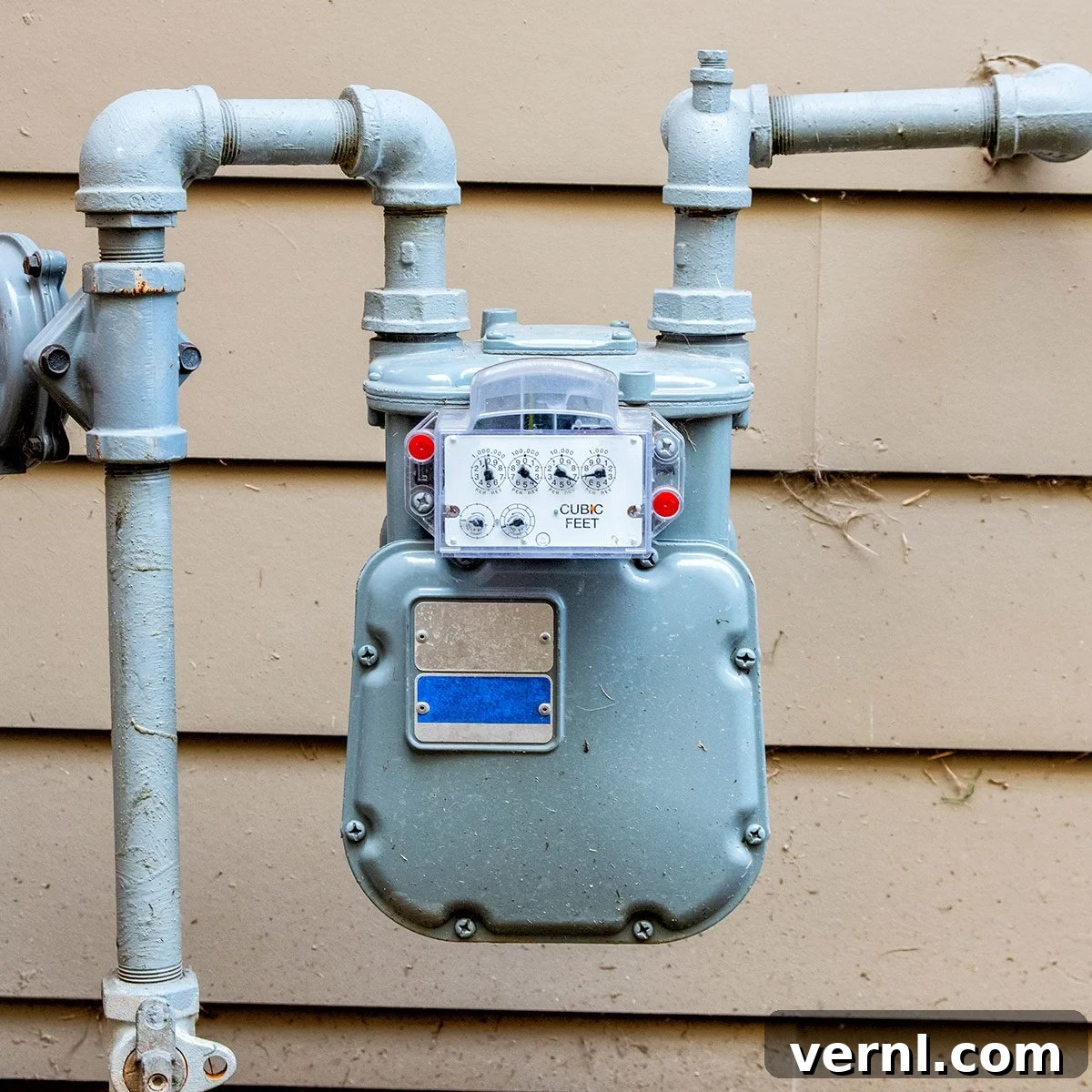
- Reading and Maintaining Meters: Ensuring accurate measurement of gas consumption through regular meter readings and the upkeep of metering equipment.
- Billing and Customer Service: The administrative costs associated with processing your bill, handling inquiries, and providing customer support.
- Equipment and Infrastructure Maintenance: The vast network of pipelines, compressor stations, storage facilities, and other critical equipment requires continuous inspection, repair, and upgrades to ensure safety and prevent leaks.
- Emergency Response: Funding for rapid response teams to address gas leaks, service interruptions, and other emergencies.
- General Operations: Day-to-day operational costs of running a large-scale utility service.
“These are fees approved by the regulatory body that oversees the industry,” explains Bruce Bullock, executive director of the Maguire Energy Institute at the Cox School of Business. He adds, “Gas delivery fees are based on the cost of service plus some allowed return for shareholders.” This regulatory oversight ensures that utilities can recover their operational and investment costs while also providing a reasonable return to their investors, balancing consumer interests with the financial health of the utility provider.
Deconstructing Your Gas Bill: Supply vs. Delivery – Understanding the Key Differences
To truly understand your natural gas expenses, it’s essential to differentiate between the two primary components of your bill: supply and delivery. While both contribute to your total payment, they represent vastly different aspects of the natural gas service and offer varying degrees of consumer control.
Natural Gas Supply (The Commodity Cost)
The supply portion of your bill refers to the actual cost of the natural gas commodity itself. This is the raw material that fuels your heating, cooking, and other gas appliances. The price of natural gas supply is highly dynamic and influenced by a multitude of factors, including:
- Global Market Conditions: International supply and demand, geopolitical events, and global energy trends significantly impact prices.
- Seasonal Demand: Prices typically surge during colder months when demand for heating gas increases.
- Weather Patterns: Extreme weather events can disrupt supply or dramatically increase demand, leading to price volatility.
- Production Levels: The volume of natural gas extracted and brought to market affects its availability and cost.
Crucially, in many deregulated markets, consumers have the power to shop around for their natural gas supplier. This means you can choose a third-party vendor or an alternative supplier separate from your local utility, potentially securing better rates or contract terms (e.g., fixed-rate plans vs. variable-rate plans) that align with your budget and consumption habits. This choice often presents the most direct opportunity for consumers to influence their natural gas supply costs.
Natural Gas Delivery (The Transportation and Infrastructure Cost)
As previously detailed, the delivery portion covers the expense of transporting the gas from major pipelines through a complex network of local distribution lines to your meter. Unlike supply costs, which fluctuate with market prices, delivery fees are primarily stable, regulated charges designed to cover the fixed costs of maintaining and upgrading the physical infrastructure. These fees include:
- Maintaining the extensive network of underground pipes and above-ground equipment.
- Operating and managing the distribution system 24/7.
- Investing in modernization and safety upgrades for aging infrastructure.
- Personnel costs for engineers, technicians, and emergency crews.
These charges are generally levied by your local utility company, which owns and operates the physical gas distribution network in your area. Unlike supply, you typically cannot choose a different delivery company; you are served by the utility provider designated for your geographical region.
Beyond Supply and Delivery: Other Charges
In addition to supply and delivery, your gas bill may also include other charges such as:
- Base Customer Charge: A fixed monthly fee to cover basic administrative costs, regardless of how much gas you consume.
- Taxes: State and local taxes applied to your gas usage and services.
- Surcharges: Specific fees dedicated to funding energy efficiency programs, low-income assistance, or environmental initiatives.
Understanding these distinctions empowers you to identify which parts of your bill you can influence and where to focus your efforts for potential savings.
Why Are Gas Delivery Fees So Expensive? Unpacking the Drivers of Rising Costs
The consistent rise in gas delivery fees, as experienced by many households, can be attributed to several interconnected factors. While the cost of the gas itself (supply) is volatile, the delivery component often sees a steady upward trend due to essential, long-term investments and operational challenges:
1. Aging Infrastructure: A System in Need of Modernization
One of the most significant drivers of escalating delivery fees is the age and condition of existing gas infrastructure. Much of the natural gas pipeline system in older regions of the country was laid decades ago. “This is also the case for gas delivery, electric delivery and water/sewer,” notes Bruce Bullock. Older pipes, often made of materials like cast iron or unprotected steel, are more susceptible to leaks, corrosion, and damage. Replacing and upgrading this vast network is an incredibly capital-intensive undertaking. These projects, vital for safety, reliability, and environmental protection (reducing methane leaks), are costly and the expenses are ultimately passed on to consumers through delivery fees. This includes the high costs of digging up roads, installing new lines, and ensuring compliance with stringent safety regulations.
2. Distance, Geography, and Population Density
The cost to deliver gas can vary significantly based on your location. Homes in rural areas, for instance, may incur higher delivery costs per customer because the infrastructure (pipelines, maintenance, meter reading routes) needs to cover greater distances for fewer customers. Conversely, densely populated urban areas might have more customers sharing the infrastructure costs, but could face higher expenses related to complex underground networks, traffic management during repairs, and specific urban regulations.
3. Seasonal Demands and Peak Usage
The gas distribution system must be designed and maintained to meet peak demand, which typically occurs during the coldest winter days. This requires substantial infrastructure capacity that may not be fully utilized year-round. The costs associated with maintaining this excess capacity for peak moments, including larger pipes, higher pressure systems, and readiness for surge demand, are spread across all customers throughout the year, contributing to delivery fees.
4. Stringent Regulatory Requirements and Compliance Costs
Natural gas utilities operate under strict federal and state regulations designed to ensure safety, environmental protection, and reliable service. Compliance with these evolving regulations—ranging from pipeline integrity management and leak detection programs to emergency response planning and environmental impact assessments—involves significant operational and capital expenditures. These regulatory compliance costs are an unavoidable part of doing business and are factored into delivery fees.
5. Inflationary Pressures
Just like any other industry, the natural gas distribution sector is not immune to inflation. The costs of labor, materials (steel pipes, valves, specialized equipment), fuel for service vehicles, and financing capital projects have all seen increases. These inflationary pressures directly translate into higher operational and investment costs for utilities, which are then reflected in higher delivery fees for consumers.
6. Investment in Future Energy Systems
Utilities are also beginning to invest in adapting their infrastructure for the future of energy, which may include integrating renewable natural gas (RNG), exploring hydrogen blending, or preparing for eventual decarbonization. While these are forward-looking investments, they represent current costs that can impact delivery fees.
Strategies to Mitigate and Lower Your Gas Bill: Taking Action
While delivery fees are largely fixed and regulated, there are concrete steps you can take to understand, manage, and ultimately reduce your overall natural gas expenses. Focusing on the aspects you can control is key to saving money.
1. Become an Informed Consumer: Understand Your Options
- Deconstruct Your Bill: Take the time to meticulously review your gas bill each month. Understand which charges pertain to supply and which relate to delivery. Identify any base fees or surcharges. Many utility websites offer detailed explanations of bill components.
- Shop for Gas Supply (Where Applicable): In deregulated markets, research and compare different natural gas suppliers. Look at their rates (fixed vs. variable), contract terms, customer reviews, and any introductory offers. A fixed-rate plan can protect you from price spikes, while a variable plan might offer lower rates during periods of low market demand. Websites like the Public Utilities Commission in your state often provide comparison tools.
- Monitor Your Usage: Track your gas consumption over time. Many smart meters and utility online portals provide real-time or historical usage data, allowing you to identify patterns and potential areas for reduction.
2. Reduce Overall Gas Consumption: The Most Effective Strategy
Since delivery fees are often tied to the volume of gas transported (per therm or cubic foot), reducing your total gas usage is the most direct way to lower both your supply and delivery charges. This involves improving your home’s energy efficiency and adopting smarter consumption habits:
- Conduct a Home Energy Audit: Consider a professional energy audit to identify specific areas of heat loss and energy waste in your home. Many utilities offer free or subsidized audits. You can also perform a DIY audit by checking for drafts, inspecting insulation, and assessing appliance efficiency.
- Improve Home Insulation and Weatherization:
- Seal Air Leaks: Use caulk and weatherstripping around windows, doors, and utility penetrations to prevent drafts.
- Upgrade Insulation: Ensure your attic, walls, and crawl spaces have adequate insulation. Better insulation acts like a warm blanket for your home, significantly reducing heat loss.
- Window and Door Upgrades: Consider replacing old, drafty windows and doors with energy-efficient models.
- Invest in Energy-Efficient Appliances: When it’s time to replace your furnace, water heater, or other gas appliances, choose models with high energy efficiency ratings (e.g., ENERGY STAR certified). Modern, efficient furnaces and water heaters can drastically cut your gas consumption.
- Optimize Your Thermostat Settings:
- Smart Thermostats: Install a programmable or smart thermostat that allows you to set schedules and control heating remotely. Lowering the temperature by a few degrees when you’re away or asleep can yield significant savings.
- Temperature Setbacks: Aim for a comfortable but not excessively warm indoor temperature (e.g., 68°F during the day, lower at night or when away).
- Practice Energy-Saving Habits:
- Lower Water Heater Temperature: Set your water heater to 120°F instead of 140°F.
- Shorter Showers: Reduce hot water usage.
- Seal Fireplace Dampers: Close dampers when not in use to prevent heat from escaping.
- Regular Furnace Maintenance: Have your furnace professionally serviced annually to ensure it runs at peak efficiency. Clean or replace filters monthly.
- Strategic Use of Curtains: Open curtains on sunny days to let in natural heat, and close them at night to retain warmth.
3. Engage with Your Utility and Regulators
While you can’t choose your delivery provider, you can voice concerns. Stay informed about public hearings or opportunities to provide feedback to your state’s public utility commission regarding proposed rate increases. Collective consumer advocacy can sometimes influence regulatory decisions.
The Future of Gas Delivery Fees: What to Expect
Looking ahead, the trend of increasing gas delivery fees appears unlikely to slow down in the near term. As Bruce Bullock predicts, “I would anticipate increasing fees as long as infrastructure is being replaced and inflation stays hot.” This suggests that the ongoing need for extensive infrastructure upgrades, coupled with persistent inflationary pressures on labor and materials, will continue to drive costs upward.
However, Bullock also notes a crucial distinction: “in areas of the country with newer infrastructure, the increases won’t be as significant.” This highlights that the pace and magnitude of future fee increases will vary regionally, largely depending on the age and condition of local distribution networks and the proactive investments made in their modernization.
Beyond infrastructure and inflation, the long-term future of gas delivery fees may also be influenced by broader energy transitions. As society moves towards decarbonization, questions arise about the future role of natural gas, potential investments in renewable natural gas (RNG) or hydrogen, and how a potentially smaller customer base might share the costs of maintaining existing systems. These evolving dynamics will shape how gas is delivered and priced for decades to come.
Ultimately, while the forces behind gas delivery fees are complex and often beyond individual control, informed action regarding energy consumption and efficient home management remains the most powerful tool for consumers to mitigate their impact.
About the Experts
-
Bruce Bullock is the executive director of the Maguire Energy Institute at the Cox School of Business; email interview, March 10, 2025.
Sources
-
WCVB: Massachusetts residents fuming over skyrocketing gas bills (2025)
-
National Grid: Service Rates
-
The Energy Professor: Why is My Gas Delivery Charge So High?