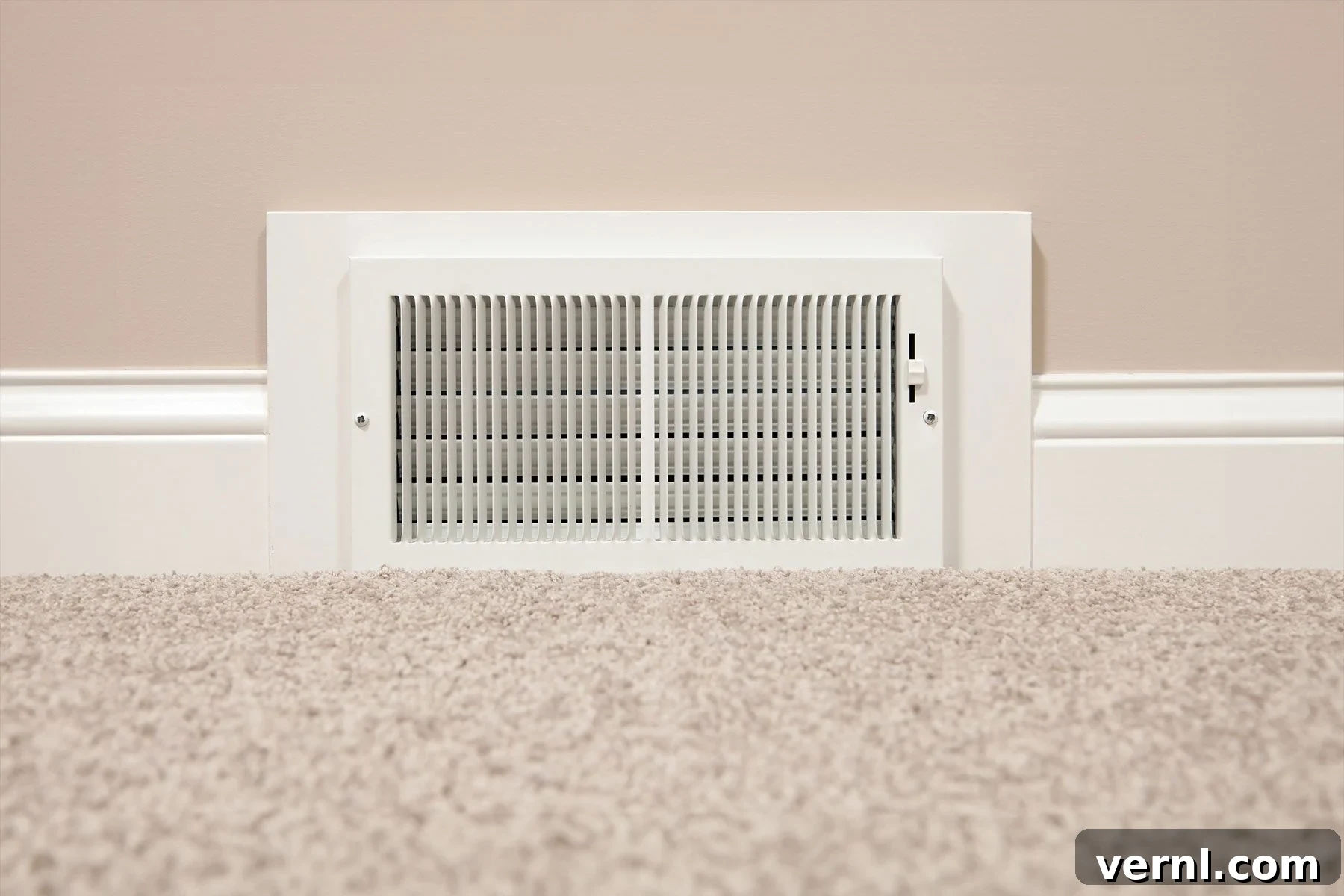
Understanding Your Forced Air Heating System: A Comprehensive Guide
Imagine this: You step into your home on a chilly day, turn on the thermostat, and within minutes, a comforting wave of warm air begins to fill every room from the vents. This efficient and pervasive warmth is courtesy of your home’s forced air heating system, a remarkably common and effective method for maintaining indoor comfort.
While some homes rely on alternative heating methods like radiators, baseboard heaters, or intricate hot water pipes embedded within floors or walls, forced air heating systems dominate the residential landscape. Their widespread adoption is not by chance. According to Korey Gregory, a superintendent for ASAP Restoration, “It’s cost-effective, easy to use, and allows for an AC system to incorporate directly into the same system.” This integrated approach simplifies home climate control, offering a unified solution for both heating and cooling.
Often referred to as a Central Air or HVAC (Heating, Ventilating, Air Conditioning) system, forced air heating utilizes a central heater – typically a furnace or a heat pump – to distribute warmth throughout the entire house. This nomenclature helps distinguish a whole-house heating system from smaller, high-powered portable electric or gas heaters that also “force” warm air into a living space using their internal blowers. As Gregory wisely points out, folks in some regions might associate these portable units with “forced air heaters.” To ensure clarity and focus, this comprehensive guide will delve exclusively into central forced air heating systems, not portable alternatives.
As a homeowner, I’ve personally experienced the critical importance of proper maintenance for central forced air systems. Neglecting your HVAC system can lead to unexpected breakdowns, wasted energy, and significantly higher utility bills. Tim David of Airlucent emphasizes the complexity: “HVAC systems are complex, require permits and specialized tools, and involve safety hazards.” While professional expertise is crucial for major repairs and annual tune-ups, understanding your home’s system empowers you to perform routine, yet vital, tasks like cleaning internal components and regularly changing air filters, ultimately prolonging your system’s life and efficiency.
About Our Industry Experts
To provide you with the most accurate and insightful information, we’ve consulted leading experts in the HVAC field:
- Korey Gregory is the Superintendent for ASAP Restoration, LCC. With over 17 years of experience in the construction industry, Korey manages HVAC installations and conducts final walkthroughs with customers, ensuring their complete satisfaction and system understanding.
- Tim David is the CEO of Airlucent.com. Drawing on more than 25 years of experience as an HVAC technician, Tim now dedicates his expertise to training the next generation of HVAC professionals, sharing his deep knowledge and practical insights.
What Exactly Is Forced Air Heating?
At its core, a forced air heating system operates by heating air in a central location within your home or building. This heated air is then propelled by a powerful fan or blower through a meticulously designed network of ductwork, ensuring its even distribution to every room. The system’s heat source can vary, commonly including electric heating elements, an energy-efficient heat pump (which also relies on electricity), or the combustion of various fuels such as natural gas, propane, or heating oil. The unifying principle across these diverse heat sources is the forced movement of air to deliver warmth efficiently.
How a Forced Air Heating System Works: The Cycle of Comfort
The operation of a forced air heating system is a carefully choreographed dance of components designed to achieve and maintain your desired indoor temperature. As Korey Gregory succinctly describes it: “Forced air heating takes the air inside of a property and passes it over a heating element to warm it up, and then recirculates it throughout the home. When the air is recirculated, it passes back over the heater again and again until the ambient temperature of the room the thermostat is in gets to the desired level.”
This process begins with your thermostat, which constantly monitors the ambient temperature. When the temperature drops below your set point, the thermostat sends a signal to a central control panel. This panel acts as the system’s brain, activating various components in a precise sequence. The heat source (furnace or heat pump) kicks in, warming the air. Simultaneously, a powerful blower fan draws in cooler air from your living spaces through return ducts. This air then passes over the heated element, absorbs warmth, and is pushed through a network of supply ducts and out into your rooms via registers.
Once the warmed air has circulated, it eventually cools and is drawn back into the return ducts, repeating the cycle. This continuous recirculation ensures that the entire volume of air in your home is consistently heated until the thermostat registers the desired temperature. Every modern forced air system also incorporates a variety of safety sensors and switches. These critical components are designed to detect potential malfunctions, such as overheating or gas leaks, and promptly shut down the system to prevent hazards, prioritizing the safety of your home and family.
Key Components of a Forced Air Heating System
While specific configurations may vary based on fuel type and efficiency ratings, most forced air heating systems share a common set of essential components working in concert to deliver warmth. Understanding these parts can help you appreciate the system’s complexity and aid in basic troubleshooting.
- Heat Source: This is the core component responsible for generating heat. It could be:
- Furnace: Typically fueled by natural gas, propane, or heating oil, furnaces generate heat through the combustion of fuel in a sealed chamber.
- Heat Pump: An electric system that extracts heat from the outside air (even in cold temperatures) and transfers it indoors. In warmer months, it can reverse this process to provide cooling.
- Inducer Fan: An increasingly common feature, especially in modern gas furnaces. This fan switches on before the main burner ignites to clear any residual combustion gases from the combustion chamber, ensuring safe ignition. It continues to run until the furnace has completed its heating cycle and safely purges exhaust.
- Heat Exchanger: This vital component is where the magic of heat transfer happens. Tim David describes it as the “heart of your heating system,” explaining, “This is usually a steel or cast iron box that is responsible for transferring the heat to the air that you circulate through the space.” Crucially, it separates the combustion gases from the air circulating through your home, preventing dangerous carbon monoxide from entering your living spaces.
- Plenum: Located directly above the heat exchanger, the plenum is a large, enclosed chamber where the newly heated air collects before it is distributed throughout the home via the supply ducts. There’s also a return plenum where air collects before entering the heat source for reheating.
- Supply and Return Ducts: This extensive network of pipes, typically made of steel or fiberglass, forms the circulatory system of your forced air unit.
- Supply Ducts: Deliver the conditioned (heated or cooled) air from the plenum to various rooms through adjustable vent openings called registers.
- Return Ducts: Draw cooler, unconditioned air back from your living spaces through return grilles (often larger than supply registers) to the heat source for reheating, completing the cycle.
- Blower or Fan: This powerful motor-driven fan is the driving force behind the “forced air.” It actively pushes heated air through the supply ducts and simultaneously pulls unconditioned air back through the return ducts, creating the essential airflow for the entire system.
- Thermostat: Usually strategically placed in a central area of your home, the thermostat is your primary interface with the heating system. It senses the room temperature and, based on your desired setting, sends signals to the central control panel to switch the system on or off, maintaining your preferred comfort level. Modern smart thermostats offer advanced features like scheduling and remote control, enhancing efficiency.
- Air Filter: Located typically where the return duct meets the furnace or air handler, the air filter traps dust, pollen, pet dander, and other airborne particles before they can circulate throughout your home or damage the internal components of your system. Regular replacement is crucial for air quality and system efficiency.
- Exhaust Vents/Flue: For furnaces that burn fuel, these vents safely release combustion gases (like carbon monoxide) outside the building. High-efficiency condensing furnaces also require a drainage system to manage the condensation produced during their operation.
Forced Air Heating: Advantages and Disadvantages
While forced air heating systems are a popular choice for many homeowners, understanding both their strengths and potential drawbacks is essential for making informed decisions about your home’s climate control.
Key Advantages (Pros)
As Korey Gregory highlighted, “Forced air heating systems are popular because they are cost-effective, easy to use, and allow for an AC system to incorporate directly into the same design.” Let’s elaborate on these and other benefits:
- Rapid Heating and Cooling: One of the most significant advantages is the speed at which a well-designed system can change the temperature of a room. Some HVAC professionals boast that a room can feel warm in as little as five minutes, providing immediate comfort when needed.
- Integrated Climate Control: The ability to use the same ductwork and central unit for both heating and air conditioning is a major convenience and cost-saver. This means you only need one primary system for year-round comfort, simplifying installation and maintenance.
- Controllable and Zoned Comfort: While a central system, you have a degree of control over heat distribution. You can regulate airflow to certain parts of the building by manually opening and closing registers in individual rooms. More advanced systems can even incorporate zoning, allowing different areas of the house to be set to different temperatures.
- Affordability of Installation: Compared to radiant heat systems, which often involve complex boiler installations and tubing embedded in floors, forced air systems generally have a lower initial installation cost, making them a more accessible option for many homeowners.
- Improved Indoor Air Quality (with proper filtration): With the right air filters (especially those with higher MERV ratings), a forced air system can actively remove dust, allergens, pet dander, and other pollutants from your home’s air, contributing to better indoor air quality, which is particularly beneficial for allergy sufferers.
Potential Disadvantages (Cons)
Despite their numerous benefits, forced air systems do present some considerations that homeowners should be aware of:
- Reduced Indoor Humidity: “Because furnaces heat air,” explains Tim David, “they can sometimes lead to a reduction in indoor humidity, potentially causing dry air issues.” This can manifest as dry skin, irritated respiratory passages, static electricity, and even damage to wooden furniture, flooring, and musical instruments due to shrinkage and gapping. For individuals with respiratory health issues, excessively dry air can exacerbate symptoms. This can often be mitigated with a whole-house humidifier integrated into the system.
- Potential for Leaking Ducts: The extensive network of ductwork can develop leaks over time due to poor installation, wear and tear, or accidental damage. Leaking ducts can significantly reduce heating and cooling efficiency, as conditioned air escapes into unconditioned spaces (like attics or crawl spaces) instead of reaching your rooms. This leads to higher energy consumption and increased monthly utility bills.
- System Noise: While generally not problematic, the system’s blower fan and the rush of air through the ducts can produce an audible hum. This noise level is usually manageable, but it can become more pronounced and irritating if the system is not properly maintained, if components are worn, or if ductwork is undersized or poorly installed.
- Dust and Allergen Circulation: Although filters help, a forced air system can, if not properly maintained, circulate dust, allergens, and other particulates throughout the home, potentially impacting indoor air quality. Regular filter changes and duct cleaning are crucial to minimize this.
Essential Maintenance for Your Forced Air Heating System
Given the complexity and safety considerations of HVAC systems, many significant problems require the expertise of a professional. Most manufacturers and HVAC experts recommend a yearly professional tune-up to keep your system in optimal shape, ensuring efficiency, safety, and longevity. However, there are several simple yet critical tasks that homeowners can (and should) perform themselves to contribute to their system’s health and efficiency:
- Regular Air Filter Replacement: This is arguably the most important homeowner maintenance task. Replace air filters every one to three months, or even more frequently (monthly) during periods of heavy use (e.g., peak heating or cooling seasons) or if you have pets or allergies. A clogged filter restricts airflow, forcing your system to work harder, wasting energy, reducing heating efficiency, and potentially damaging the blower motor. Make sure to use the correct size and MERV rating recommended by your system’s manufacturer.
- Seasonal Cleaning of Components: In the fall, before the heating season begins, switch off the system at the thermostat and the main power switch. Carefully clean dust and debris from the blower motor and the inside of the plenum. For heat pumps, ensure the outdoor unit is clear of leaves, dirt, and other obstructions. A clean system operates more efficiently and is less prone to overheating.
- Periodic Ductwork Inspection: Take the time to periodically inspect accessible sections of your ductwork for visible leaks, disconnects, or damage. Look for gaps at joints, torn insulation, or crushed sections. While sealing major leaks might require a professional, identifying them early can prevent significant energy loss. You can temporarily seal small leaks with metal tape (not cloth duct tape).
- Keep Vents and Registers Clear: Ensure that all supply and return registers are unobstructed by furniture, rugs, or drapes. Blocked vents impede proper airflow, leading to uneven heating and reduced efficiency.
- Professional Annual Tune-Up: Schedule a professional HVAC technician for a comprehensive inspection and tune-up every year. During this visit, they will check refrigerant levels (for heat pumps), inspect electrical connections, clean burner assemblies, lubricate moving parts, test safety controls, and ensure all components are operating within specifications. This preventive maintenance can identify minor issues before they become costly major repairs and ensures your system runs safely and efficiently.
Exploring Alternative Heating Solutions
While forced air systems are prevalent, it’s beneficial to understand other popular heating options available. These alternatives can offer different benefits in terms of cost savings, environmental impact, or specific installation requirements. Explore these related topics to broaden your knowledge of home heating:
- Best Solar Furnace, Electric, PV Panels Greenhouse Heaters and How to Buy One
- A How-To Guide on Electric Heater Installation
- What to Know About Electric Baseboard Heaters
- Electric vs. Hydronic Radiant Floor Heating Systems
Sources
- Bayhealth.org: “Effects of Dry Winter Air and Indoor Heating on our Respiratory Health” (2020)