Reclaim Your Weekends: The Ultimate Guide to Low-Maintenance Yard Care
Do you ever feel like a slave to your yard, constantly battling weeds, trimming edges, and mowing endlessly? The demands of outdoor maintenance can quickly turn your green oasis into a source of stress rather than relaxation. But what if there was a way to break free from this cycle, to significantly reduce or even eliminate many of your most time-consuming yard chores? Imagine having more time to actually enjoy your outdoor space, rather than just maintaining it.
This comprehensive guide is designed to empower you with smart, sustainable strategies for a more manageable yard. We’ll delve into practical tips and clever landscaping solutions that will not only save you precious hours but also contribute to a healthier, more beautiful garden. From innovative path designs to strategic planting and mowing techniques, prepare to transform your yard work from a burden into a breeze.
Smart Landscaping for Reduced Effort
Transforming your yard into a low-maintenance haven often starts with thoughtful design and material choices. By implementing smart landscaping techniques, you can drastically cut down on routine tasks like trimming and weeding, allowing you to spend more time admiring your efforts and less time laboring.
Build Paths You Can Mow Over for Seamless Maintenance
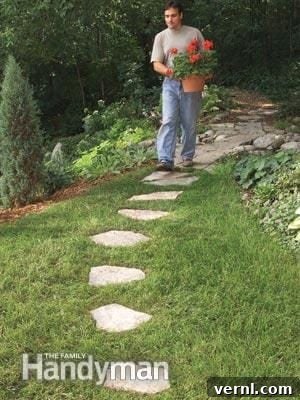
Traditional garden paths often create awkward edges that require meticulous trimming or edging, adding significant time to your mowing routine. A brilliant solution is to design paths that seamlessly integrate with your lawn, allowing your mower to glide right over them. This ingenious approach eliminates the need for additional trimming, saving you valuable time and effort.
The key to these low-upkeep paths lies in their design and installation. Opt for stone or paver paths that naturally follow the contours and topography of your yard. Unlike more formal paths that might feature steps, walls, or raised curbs, these informal designs require less complex construction and are inherently easier to maintain. When installing, ensure the top surface of the stones or pavers is set no higher than an inch above the surrounding ground level. This slight elevation prevents grass from creeping over the path while allowing your mower deck to pass directly above, clipping any encroaching blades without interruption. The result is a clean, manicured look with minimal fuss. Not only are these paths exceptionally easy to maintain, but they also offer a highly affordable garden path solution, enhancing your yard’s aesthetics and functionality simultaneously.
Embrace Mulch for Effortless Edges and Healthier Plants
Trimming around trees and shrubs is one of those repetitive, often frustrating yard tasks. It’s not only time-consuming but also carries the risk of accidentally nicking delicate bark, which can fatally damage young plants. The simple act of applying a ring of mulch around your trees and shrubs can eliminate this chore entirely, while also offering a multitude of other benefits for your landscape.
A 2- to 4-inch deep ring of mulch creates a barrier that prevents grass and weeds from growing directly at the base of your plants, eliminating the need for string trimming. Beyond saving you time, mulch plays a crucial role in plant health. It helps retain soil moisture, reducing the frequency of watering, and moderates soil temperature, protecting roots from extreme heat and cold. As organic mulches decompose, they enrich the soil with valuable nutrients, improving its structure and fertility. For sites with well-drained soil, a layer between 2 to 4 inches deep is ideal. However, for soils that don’t drain well, it’s best to keep the mulch to no more than 2 inches deep to prevent excessive moisture retention. Crucially, always remember to keep the mulch at least 3 inches away from the trunk or stem of the plant. Piling mulch directly against the base (often called a “mulch volcano”) can trap moisture, leading to disease, root suffocation, and pest problems. By mulching correctly, you’re not just saving time; you’re investing in the long-term health and vitality of your plants.
Install Mowing Borders for Crisp Lines, No Trimming
Those hard-to-reach areas where grass meets flower beds, walls, fences, or other obstacles are notorious for requiring painstaking hand-trimming. These edges are often too tight for a mower, leading to uneven lines and a less-than-polished appearance. The solution? Install dedicated mowing borders. These borders act as a permanent, clean division, allowing you to run your lawn mower wheel over them to neatly clip the grass without the need for separate trimming tools.
Mowing borders can be constructed from various materials, including brick, stone, concrete pavers, plastic, or metal edging. The key is strategic installation. To prevent grass roots from creeping underneath and breaching the border, it should be installed at least 4 inches deep into the soil. Furthermore, set the top of the border about an inch above ground level. This slight height prevents grass blades from creeping over the top while providing a solid, stable surface for your mower wheels. By investing in these borders, you create a defined, aesthetically pleasing edge that your mower can navigate with ease, resulting in perfectly trimmed grass and a significant reduction in your weekly yard work.
Master Your Lawn Care Routine for Fewer Chores
The lawn is often the biggest consumer of time and effort in any yard. However, by optimizing your lawn care practices, you can dramatically reduce the frequency of mowing, watering, and even fertilizing, leading to a healthier turf with less intervention.
Set Your Mower Blade for Optimal Lawn Health and Fewer Cuts
One of the most common, yet detrimental, lawn care mistakes is cutting the grass too short. While it might seem like a way to extend time between mows, it actually weakens the grass, making it more susceptible to weeds, disease, and drought stress. Short grass exposes the soil to more sunlight, encouraging weed seed germination, and reduces the plant’s ability to photosynthesize effectively, leading to shallower roots. The right mowing height, conversely, promotes a robust, healthy lawn that naturally suppresses weeds and requires less frequent cutting.
Each type of grass has an ideal mowing height that maximizes its health and resilience. For most cool-climate grasses (like fescues, ryegrass, and Kentucky bluegrass), the sweet spot is typically around 2-1/2 to 3 inches. This height allows the blades to grow long enough to shade the soil, reducing weed growth and moisture evaporation, while also supporting a deeper, stronger root system. For most warm-climate grasses (such as Bermuda, Zoysia, and St. Augustine), an ideal range is usually between 1-1/2 to 2 inches. If you’re unsure about your specific grass type, consult your local extension service or a garden center expert for personalized advice. By adjusting your mower blade to the correct height, you’ll foster a denser, more resilient lawn that not only looks better but also demands less attention. Remember, a sharp blade is also crucial for a clean cut, preventing frayed tips that can invite disease. Watch this video and make sure you are mowing the lawn to the right height and avoid other common lawn care mistakes.
Simplify Fertilizing: The Power of Fall Application
Many homeowners fertilize their lawns multiple times a year, often in the spring. While spring fertilization provides a quick green-up, it primarily encourages top growth at a time when the plant should be focusing on root development. To truly simplify your lawn care and promote a stronger, healthier turf with less effort, consider shifting your primary fertilization strategy to the fall. This single, well-timed application can provide profound benefits that last throughout the year.
Applying fertilizer in the fall, approximately three weeks before the last mowing of the season, provides essential nutrients when grass roots are actively growing and storing energy. As cooler fall weather sets in, grass blades slow their growth, but the roots continue to develop vigorously beneath the soil surface. This allows the grass plant to efficiently absorb and store nutrients, strengthening its root system and building up reserves for the winter dormancy. These stored nutrients then provide a powerful shot of energy the following spring, leading to an earlier, more robust green-up without the need for a separate spring application. To ensure optimal results, ask a lawn care expert at your local garden center to recommend the best slow-release fertilizer tailored to your specific grass type and soil conditions. This strategic fall fertilization supports a healthier, more resilient lawn that requires less intervention throughout the growing season.
Beyond the Basics: Further Strategies for a Truly Low-Maintenance Yard
For those looking to take low-maintenance yard care to the next level, consider these broader landscaping changes that can dramatically reduce your long-term workload and environmental footprint.
Embrace Drought-Tolerant Landscaping (Xeriscaping)
One of the biggest time sinks in yard maintenance is watering, especially during dry spells. Xeriscaping, or drought-tolerant landscaping, is a sustainable approach that minimizes the need for supplemental irrigation by using plants adapted to arid conditions. By selecting native plants or varieties known for their low water requirements, you can significantly reduce your watering schedule and contribute to water conservation.
Xeriscaping isn’t just about cacti; it encompasses a wide array of beautiful and diverse plants, including ornamental grasses, succulents, various shrubs, and perennials. These plants are often hardier and less prone to pests and diseases, further reducing maintenance. Incorporating elements like permeable hardscaping, rock gardens, and efficient irrigation systems (like drip lines) can complement a xeriscaped design. This approach not only saves water and time but also creates a unique aesthetic that celebrates the natural beauty of your local environment.
Reduce Lawn Size Strategically
The larger your lawn, the more time you spend mowing, fertilizing, and watering it. A powerful strategy for reducing yard work is to intentionally shrink the size of your turfgrass areas. This doesn’t mean sacrificing beauty; it means rethinking how you utilize your outdoor space.
Consider converting portions of your lawn into more diverse, low-maintenance features. This could include expanding existing garden beds with native plants or drought-tolerant shrubs, installing a decorative patio or seating area, building a functional vegetable garden, or creating a naturalized area with wildflowers and tall grasses. Each square foot of lawn converted translates directly into less mowing time and often less overall care. By strategically reducing your lawn, you create a more dynamic, interesting, and manageable landscape that requires less weekly effort and offers greater ecological benefits.
Automate Watering with Smart Irrigation
Consistent and efficient watering is vital for plant health, but manually dragging hoses and sprinklers around can be incredibly time-consuming. Investing in an automated irrigation system can free up countless hours while ensuring your plants receive the precise amount of water they need, when they need it.
Modern irrigation systems, including in-ground sprinkler systems for lawns and drip irrigation for garden beds, can be programmed to water at optimal times, typically early morning, to minimize evaporation. Smart irrigation controllers take this a step further, using local weather data, soil moisture sensors, and plant type information to automatically adjust watering schedules. This not only saves you time but also conserves water, prevents overwatering, and promotes healthier plant growth. While the initial investment might be higher, the long-term savings in time, water, and plant health make automated irrigation a worthwhile consideration for a truly low-maintenance yard.
Conclusion: Your Path to a Freer Yard
Reclaiming your weekends from the endless cycle of yard maintenance is not just a dream; it’s an achievable reality with smart planning and strategic changes. By implementing the tips outlined in this guide—from designing mow-over paths and embracing mulch to optimizing your mowing and fertilizing routines, and even considering broader landscape transformations like xeriscaping or automated irrigation—you can significantly reduce the time and effort spent on outdoor chores.
Imagine spending your newfound free time enjoying your beautiful outdoor space, hosting gatherings, pursuing hobbies, or simply relaxing. A low-maintenance yard isn’t just about less work; it’s about creating a harmonious environment that enhances your lifestyle and reduces stress. Start by implementing one or two changes that resonate most with your needs, and gradually work towards a yard that truly serves you, rather than enslaving you. Your path to a freer, more enjoyable yard begins today.