
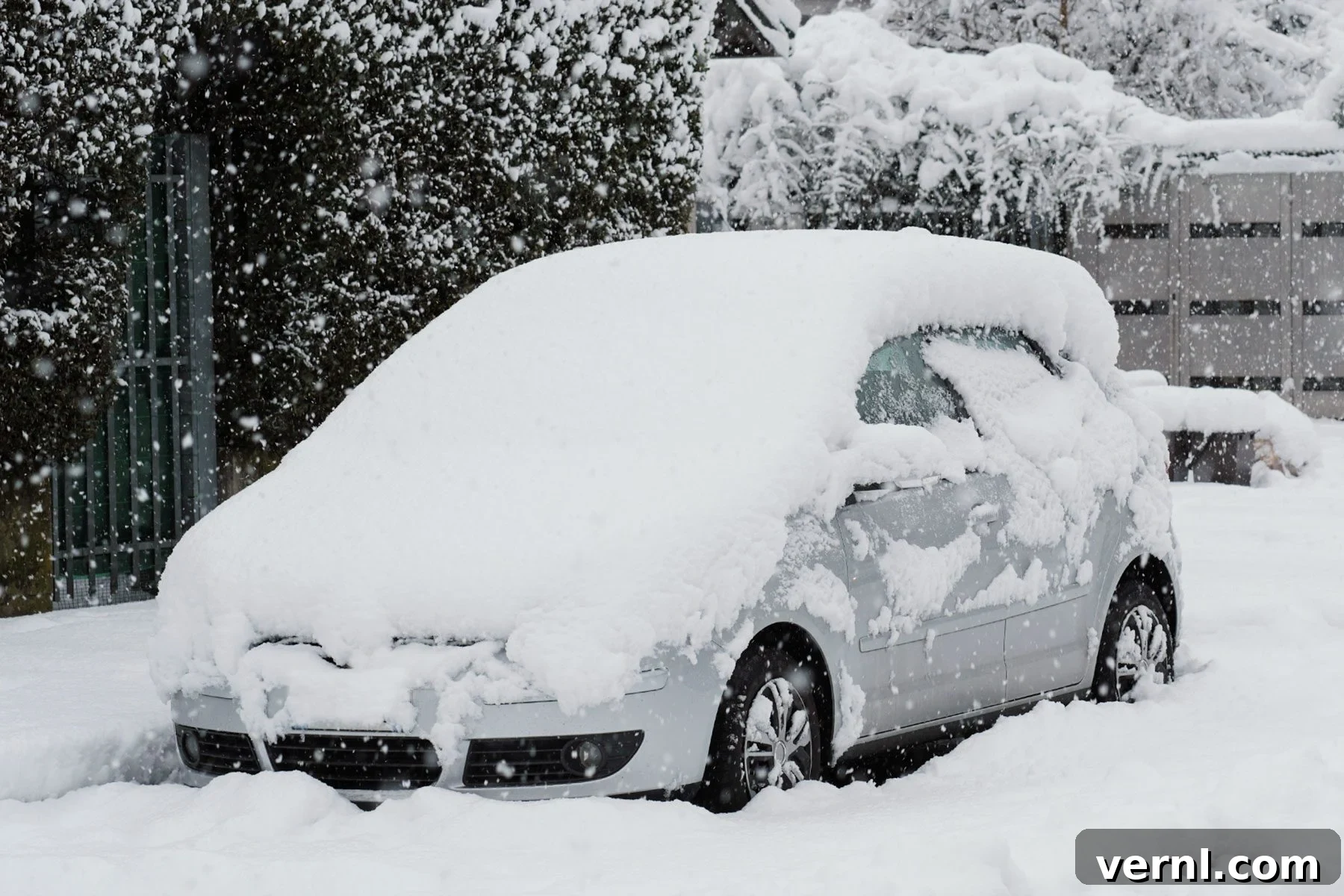
The Truth About Warming Up Your Car: A Modern Driver’s Guide
For decades, a familiar winter ritual involved venturing out into the crisp, cold air to start the car, letting it idle for what seemed like an eternity, and then retreating indoors for a final cup of coffee. This practice, deeply ingrained in the habits of many drivers, was born from a bygone era of automotive engineering. With older vehicles, particularly those from the carburetor age, a prolonged warm-up wasn’t just recommended; it was often essential for the engine’s longevity and smooth operation. My old ’81 Subaru, for instance, thrived on this regimen, easily surpassing 300,000 miles.
However, the automotive landscape has dramatically evolved. Today, with advanced engine technology, the necessity and benefits of extended idling have largely evaporated. Modern vehicles, like my ’08, operate differently. After the first minute or so, any further idling is, frankly, a waste of precious fuel.
Justin Dugan, an expert at American Trucks, sheds light on this shift: “Modern engines are meticulously engineered to achieve optimal operating efficiency without the need for lengthy warm-up periods.” He points out a widespread but incorrect belief: “A common misconception is that idling helps the car warm up faster. In reality, idling only minimally raises the engine temperature while still consuming fuel. Driving at moderate speeds actually warms the engine far more effectively and quickly.”
Yet, this isn’t to say that a brief warm-up on a frosty morning is entirely without merit. Chris Pyle, an experienced auto expert with JustAnswer.com, explains, “It is beneficial for both the engine and transmission to reach at least a slightly warm state before commencing travel. Beyond the mechanical advantages, it significantly enhances cabin comfort, making you more alert and ready for the drive ahead.”
The Evolution of Engine Warm-Up: Old vs. New Engines
Understanding why the tradition of warming up your car has changed requires a brief look at automotive history. Early vehicles, especially those equipped with carburetors, mixed fuel and air mechanically. In cold weather, gasoline doesn’t atomize as efficiently, leading to a “lean” mixture that could cause stalling, rough idling, or poor performance. Carbureted engines relied on a “choke” mechanism to richen the fuel mixture, and a warm-up period allowed the engine to reach a temperature where it could run smoothly without the choke, preventing excessive wear.
Even early fuel-injection systems, while more precise than carburetors, lacked the sophisticated electronic controls of today. Engine oils were also thicker and less advanced, taking longer to circulate properly in frigid temperatures.
Modern engines, however, are a different breed entirely. They feature advanced electronic fuel injection (EFI) systems, multiple sensors, and sophisticated engine control units (ECUs). These ECUs constantly monitor parameters like air temperature, engine temperature, and oxygen levels, precisely adjusting the fuel-air mixture for optimal combustion even when cold. Furthermore, modern synthetic and multi-viscosity oils are designed to flow effectively in extreme cold, providing immediate lubrication upon startup.
This technological leap means that the engine’s internal components are protected and efficient almost from the moment the ignition key is turned. The days of needing to idle for five, ten, or even fifteen minutes are, for the vast majority of drivers, firmly in the past.
Does Idling Your Car Damage It in Winter?
The short answer for most modern vehicles is no, warming up your car in winter by letting it idle will not typically cause damage. Conversely, *not* warming it up won’t damage it either, as contemporary engines are specifically designed to be driven even when they’re cold. This makes the notion of extensive idling a true car myth for the modern era.
The only significant exception to this rule applies to vehicles that are genuinely old—roughly 30 years or more, though this can vary depending on the make and model. In these vintage vehicles, skipping a full warm-up can indeed lead to accelerated wear on critical engine components such as bearings, piston rings, and cylinder walls. This is primarily due to less effective cold-start lubrication and older fuel delivery systems that struggle to maintain an optimal fuel-air ratio in freezing temperatures, which can lead to “fuel wash” where excess fuel strips oil from cylinder walls.
However, even for a classic car, or any car for that matter, excessive idling carries its own set of problems. Chris Pyle cautions against letting any vehicle idle for more than ten to fifteen minutes. “Beyond this point,” he explains, “you’re not only wasting valuable fuel and contributing unnecessarily to air pollution, but you could also be posing a danger to your health.”
The Hidden Dangers of Prolonged Idling
- Increased Fuel Consumption: Idling uses fuel without covering any distance. Even at idle, an engine burns a significant amount of gasoline, reducing your overall fuel efficiency.
- Excessive Emissions and Air Pollution: While modern vehicles are equipped with catalytic converters to reduce harmful emissions, these devices only work efficiently when they reach a certain operating temperature. During prolonged cold idling, the catalytic converter remains cold and less effective, allowing more harmful pollutants like carbon monoxide, nitrogen oxides, and hydrocarbons to be released into the atmosphere.
- Carbon Monoxide Poisoning: A critical safety concern, particularly if a car is idled in an enclosed space like a garage. Pyle warns, “If it idles too long, it can cause excessive emissions, which can result in carbon monoxide poisoning in your home if the car is in the garage.” Carbon monoxide is an odorless, colorless gas that can be fatal.
- Engine Wear and Carbon Buildup: Counterintuitively, extended idling can actually be harder on your engine than driving. At idle, the engine operates at a cooler temperature and often with a richer fuel mixture than necessary, especially when cold. This rich mixture can lead to incomplete combustion, leaving behind carbon deposits on spark plugs, valves, and other engine components. These deposits can reduce performance, decrease fuel efficiency, and potentially shorten the lifespan of various parts. Additionally, at idle, oil pressure might be lower than during driving, which means slightly less effective lubrication for certain parts over long periods.
- Reduced Oil Life: Prolonged idling also contributes to the accumulation of moisture and unburnt fuel in the engine oil, degrading its lubricating properties more quickly. This means that if you frequently idle your car for extended periods, you may need to perform oil changes more often than recommended by mileage intervals.
Therefore, while a brief idle won’t harm your car, understanding these downsides reinforces the message: keep idling to a minimum.
Should I Warm Up My Car in the Winter?
The answer to this common winter query is nuanced and primarily depends on your vehicle’s age and design.
For Older Cars (Carbureted or Early Fuel-Injection):
If you own an antique or classic car equipped with a carburetor or an early, less sophisticated fuel-injection system, then yes, you absolutely should continue your tradition of warming it up before driving. This ensures that the engine oil has had sufficient time to circulate thoroughly throughout the engine’s intricate components, providing vital lubrication. It also allows the fuel system to stabilize, preventing rough running and avoiding the burning of excess fuel that can occur when a cold, older engine struggles to atomize gasoline efficiently.
For Modern Cars (Late 1990s and Newer):
Modern engines, with their advanced electronic fuel injection, sophisticated sensors, and high-tech engine management systems, simply do not require a full, prolonged warm-up period before driving. These systems are designed to optimize fuel delivery and engine performance even when the engine is cold. However, it’s still considered good practice to allow your car to idle for a very short duration—typically between 30 seconds to a minute—before putting it into gear.
Duane “Doc” Watson, a seasoned technical trainer at Bosch Mobility Aftermarket, explains the rationale: “After that point, your engine is fully lubricated with oil and ready to go. It’ll still have some warming up to do before it reaches its peak operating temperature, but most of that temperature increase comes with actual driving.” This brief idling period allows the oil to properly circulate and for internal engine components to reach a stable, albeit cool, operating state.
Beyond the engine’s internal workings, there are practical benefits to a brief warm-up for modern cars in winter:
- Improved Visibility: A short idle can help the vehicle’s heating system begin to defrost windows and clear condensation, significantly improving visibility for safe driving.
- Enhanced Cabin Comfort: It allows the cabin to start warming up, making the initial moments of your journey much more comfortable. A comfortable driver is a more focused and alert driver.
However, it’s crucial to balance these practical benefits with potential drawbacks. As previously discussed, extended idling unnecessarily contributes to air pollution, wastes fuel, and can even invite theft if the car is left unattended with the keys in the ignition.
Pyle advises a cautious approach: “I would recommend you sit in the car or clean the windows off while warming up.” He also addresses a common question about revving the engine: “Revving the engine some will result in the coolant getting hotter sooner, but it is not a night and day difference. Just let it idle, the heat will start rolling soon enough.”
Regardless of how long you decide to let your car warm up, to avoid any unnecessary stress on engine components and to maximize their lifespan, it’s always wise to drive gently for the first 10 minutes or so. Pay attention to your temperature gauge; once it begins to move away from the coldest side, you can gradually resume normal driving. Watson also reminds us that frequent, long periods of idling can actually decrease the time needed between scheduled oil changes, due to the increased accumulation of contaminants in the engine oil.
Alternatives to Extended Idling: Proactive Cold Weather Car Care
Instead of relying on prolonged idling, which is inefficient and environmentally unsound, consider these proactive strategies to prepare your vehicle for cold weather and enhance your comfort without wasteful idling:
- Install and Use a Block Heater: A block heater is an electric heating element that warms the engine’s coolant or oil while the vehicle is parked. Plug it in two to four hours before you plan to travel, and it will keep your engine block warm. This ensures easier starting, quicker cabin heat, and reduces engine wear on extremely cold mornings, as the oil will already be warmer and more fluid. This is particularly beneficial in sub-zero temperatures.
- Park in a Garage or Covered Carport: Simple yet highly effective, parking your car in a garage or under a covered carport shields it from the biting wind, snow, and ice. Even an unheated garage will maintain a temperature several degrees warmer than outside, making a significant difference in how cold your engine gets overnight. This also means less ice scraping and quicker defrosting.
- Utilize Window Covers: For quick morning departures, placing cardboard or specialized insulated covers over your windshield and rear window the night before can effectively prevent snow and ice accumulation. This dramatically reduces the time you need to spend scraping or waiting for the defroster to work, allowing you to get on the road faster.
- Check Your Battery Regularly: Cold weather significantly reduces battery efficiency. Ensure your battery is in good health before winter sets in. A strong battery is crucial for reliable cold starts, reducing the stress on your starter motor and electrical system.
- Maintain Proper Fluid Levels and Types: Ensure your engine oil is suitable for winter temperatures (often lower viscosity oils like 5W-30 or 0W-20 are recommended). Check your coolant/antifreeze level and mixture to prevent freezing. Top up your windshield washer fluid with a winter-specific formula that resists freezing.
- Consider Winter Tires: While not directly related to engine warm-up, dedicated winter tires significantly improve traction, handling, and braking performance in cold, snowy, and icy conditions. They contribute immensely to overall winter driving safety.
Frequently Asked Questions About Winter Car Care
Is It Bad to Run the AC When the Car Is Idling?
Not really. While the AC compressor does place an additional load on the engine, requiring it to work slightly harder and consume more fuel, it’s generally not overly harmful to the engine itself. Justin Dugan points out, “It’s mainly a fuel efficiency issue, leaving the choice up to the driver.” If you need to run the defroster, which often activates the AC compressor to dry the air and clear foggy windows more quickly, the benefit of improved visibility usually outweighs the marginal increase in fuel consumption.
Is It Illegal to Warm Up Your Car in Certain States?
Yes, in some states and municipalities across the U.S., it is illegal to leave your car idling unattended. This is often referred to as “puffing” and is typically aimed at preventing vehicle theft and reducing air pollution. For instance, states like Colorado, Maryland, and West Virginia, and numerous cities, have specific laws or ordinances against unattended idling. Always check your local laws to avoid fines.
How Long Should I Really Warm Up My Modern Car?
For most modern vehicles, 30 seconds to one minute of idling is sufficient before gently driving off. This allows engine oil to circulate effectively. The fastest way for your engine to reach its optimal operating temperature is by driving it moderately, not by extended idling.
What About Electric Cars in Cold Weather?
Electric vehicles (EVs) don’t have an internal combustion engine to warm up, so the traditional “warm-up” doesn’t apply. However, cold temperatures do affect EV batteries, reducing their range and charging speed. Many EVs have “preconditioning” features that warm the battery and cabin while still plugged in, preserving range and ensuring comfort for the drive. This is the EV equivalent of preparing for a cold start.
Stay Warm While Driving This Winter: Essential Resources
If your car heater is acting up this winter, causing uncomfortable and chilly drives, you’re not alone. Troubleshooting common problems can help you stay warm and safe. Explore these resources for solutions and tips:
- Creative Ways to Stay Warm In a Car That Has No Heat
- If Your Car Has No Heat, This Is What It Could Mean
- What to Do When Your Car Heater Won’t Work
- Best-Rated Portable Auto Heaters for Comfortable Winter Driving
- If You Live In These States, Warming Up Your Car Is Illegal
- Car Cabin Air Filter Replacement
- Blower Motor Replacement
About Our Automotive Experts
This comprehensive guide benefits from the invaluable insights of leading automotive professionals:
- Duane “Doc” Watson is a distinguished technical trainer at Bosch Mobility Aftermarket. With over 45 years of hands-on experience in automotive repair and a track record of training thousands of technicians, Doc has earned numerous prestigious industry accolades, including the Chevrolet Technician of the Year and Buick Service Master of the Year awards. His deep understanding of engine mechanics is unparalleled.
- Chris “Moose” Pyle is a master-certified technician boasting more than two decades of automotive expertise. Since 2006, he has served as a highly respected expert for JustAnswer.com, where he routinely provides answers to hundreds of complex car maintenance and repair questions daily, offering practical and reliable advice.
- Justin Dugan serves as a prominent brand ambassador at American Trucks. Since 2011, he has established himself as an influential automotive writer and engaging TV host, sharing his extensive knowledge and passion for vehicles with a broad audience.