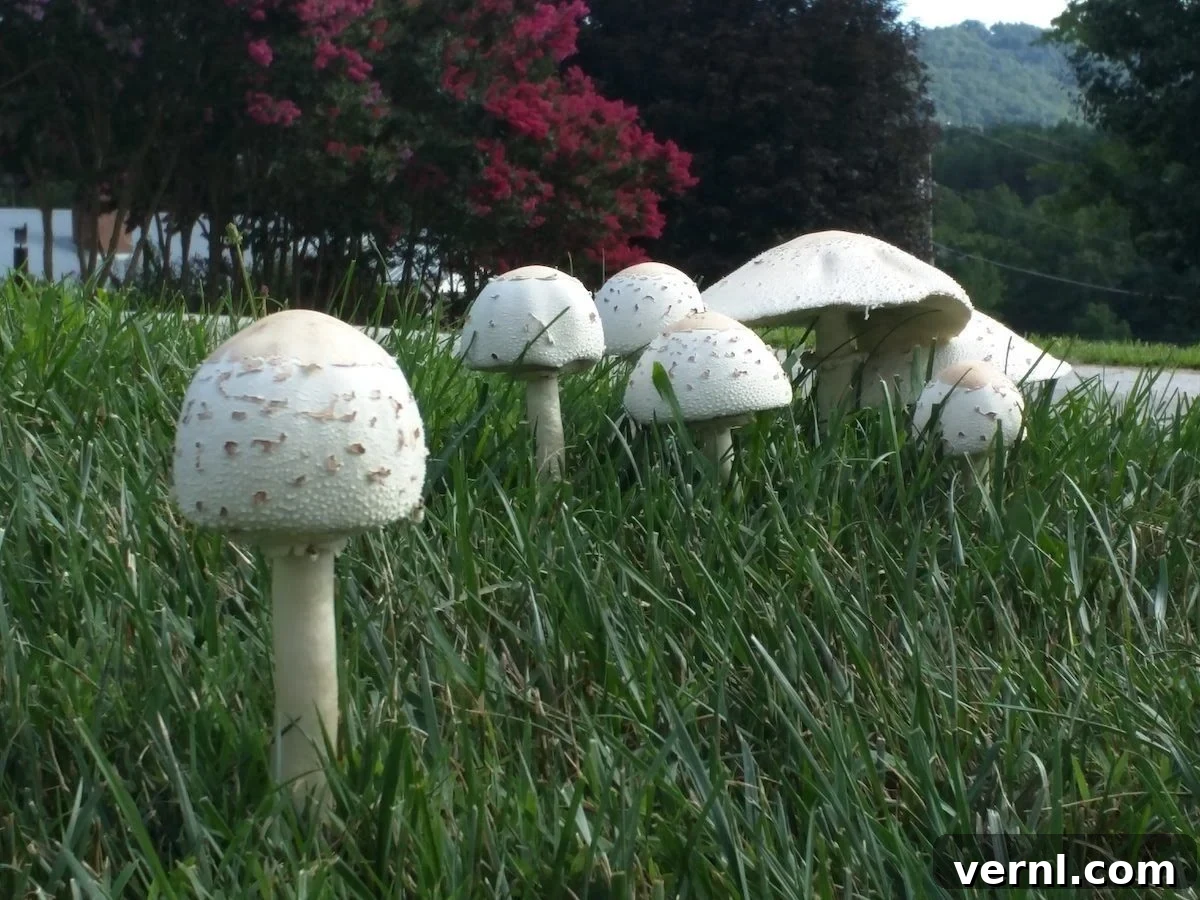
Unraveling the Mystery: What Mushrooms in Your Lawn Really Mean
Stepping outside to discover a sudden cluster of mushrooms in your yard is a common and often surprising sight. For many homeowners, these mysterious fungi can be a source of concern, especially if there are young children or pets around. While they might seem like unwelcome intruders, mushrooms popping up in your lawn are actually fascinating indicators, offering a direct glimpse into the underlying conditions of your soil. Far from being random occurrences, their appearance is often a signal of deeper biological activity beneath the surface.
From excessive moisture levels to hidden organic decay, mushrooms are nature’s way of communicating what’s truly happening in your garden’s ecosystem. They are vital components of soil health, playing a crucial role in decomposition and nutrient cycling. However, understanding when to simply observe and when to intervene is key to maintaining a healthy and safe outdoor space. In this comprehensive guide, we will delve into the world of lawn mushrooms, exploring the reasons behind their sudden presence, their ecological significance, potential concerns, and effective strategies for managing them.
The Science Behind the Sprout: Why Mushrooms Appear in Your Lawn
Mushrooms are the visible “fruiting bodies” of a much larger, intricate network of fungi living beneath the soil, known as the mycelium. This hidden network can span vast areas, working diligently to break down organic matter. When you see a mushroom, you’re essentially witnessing the fungal equivalent of an apple on a tree – a temporary structure designed for reproduction, releasing spores into the environment.
Several factors contribute to the emergence of mushrooms in your lawn:
- Abundant Organic Matter: This is the primary food source for most lawn fungi. Decaying wood, such as old tree roots, buried stumps, construction lumber, fallen leaves, excessive thatch, or even animal waste, provides the rich organic material that fungi thrive on. The mycelium secretes enzymes that break down this complex matter, recycling nutrients back into the soil.
- High Moisture Levels: Fungi, like most plants, require water to grow. Periods of heavy rain, excessive irrigation, or poorly draining soil create the moist, humid conditions ideal for mushrooms to fruit. They are particularly common after a rainy spell or in shady, damp areas of the lawn.
- Compacted Soil: Soil compaction can hinder water infiltration, leading to surface moisture accumulation which favors fungal growth. It can also reduce air circulation, creating an environment that some fungi prefer.
- Cooler Temperatures: Many mushroom species prefer cooler temperatures to fruit, which is why they are often more prevalent in spring and autumn, or after cooler summer nights.
- Poor Air Circulation: Areas with dense shade, overgrown foliage, or heavy thatch can restrict air movement, trapping humidity close to the soil surface and creating a perfect microclimate for mushrooms.
As nationally recognized gardening expert Melinda Myers explains, the underground portion of the fungus feeds on decaying wood. Once this food source is fully decomposed, the mushrooms will naturally disappear, awaiting the next optimal conditions.
Are Lawn Mushrooms Harmful? Separating Fact from Fiction
The sight of mushrooms can often provoke concern, but it’s important to understand that the vast majority of fungi found in lawns are benign, and many are even beneficial. Here’s what you need to know:
Mostly Harmless to Your Lawn
Contrary to popular belief, most lawn mushrooms do not directly harm your grass. In fact, the fungi they represent are often performing vital services for your soil ecosystem. They are saprophytic, meaning they feed on dead or decaying organic matter, not living plants. They are nature’s clean-up crew, breaking down complex materials and converting them into simpler nutrients that plants can absorb.
An exception to this rule is certain parasitic fungi, such as some species of Armillaria mushrooms (often called honey fungus). These can be the fruiting bodies of a root rot fungal disease that attacks susceptible trees and shrubs, not typically the lawn itself. If you observe clusters of honey-colored mushrooms appearing at the base of a tree or shrub that also shows signs of decline (yellowing leaves, branch dieback), it could indicate a more serious issue. In such cases, professional arboricultural advice is recommended.
The Concern: Toxicity to Pets and Children
The primary reason homeowners worry about lawn mushrooms is the potential for toxicity. While many species are harmless, some can be highly poisonous if ingested. Since it is incredibly difficult for an untrained individual to accurately identify mushroom species, it is always best to err on the side of caution. If you have young children or pets who might be tempted to taste or play with mushrooms, removal is the safest course of action.
Pro Tip: Never eat anything growing in the wild or your backyard without absolute certainty of its identification by a professional mycologist. The consequences of consuming a poisonous mushroom can be severe, ranging from digestive upset to organ damage or even death.
The Unexpected Benefits of Fungi in Your Garden
Beyond breaking down organic matter, mushrooms and their underground fungal networks offer numerous ecological benefits:
- Nutrient Cycling: Fungi are crucial decomposers, breaking down dead plant material and other organic debris. This process releases essential nutrients like nitrogen, phosphorus, and potassium back into the soil, making them available for your lawn and garden plants.
- Improved Soil Structure: The intricate mycelial networks can help bind soil particles together, improving soil structure. This leads to better aeration, water infiltration, and reduced erosion.
- Mycorrhizal Relationships: Many fungi form symbiotic relationships with plant roots, known as mycorrhizae. These fungi extend the root system’s reach, enhancing the plant’s ability to absorb water and nutrients, particularly phosphorus. While these fungi don’t typically produce visible mushrooms in lawns, the presence of other fungi suggests a healthy, active soil biome.
- Biodiversity: A diverse fungal population indicates a healthy, vibrant ecosystem, which contributes to the overall resilience of your garden.
Managing Mushrooms in Your Lawn: When and How to Take Action
When Dorothy Clark from Culver, Oregon, struggled with persistent toadstools in her flower bed, noting, “The soil isn’t too damp, so I don’t know why these intruders are showing up. I pull out and dispose of the mushrooms in my lawn, but they reappear,” she highlighted a common frustration. As Melinda Myers points out, simply removing the visible mushroom doesn’t eliminate the underlying fungal network or its food source. To truly manage mushrooms, you need to address the conditions that favor their growth.
Immediate Removal for Safety
If your primary concern is the safety of children or pets, manual removal is the quickest solution. While it won’t prevent future fruiting, it eliminates the immediate hazard.
- Gloves On: Always wear gloves when handling mushrooms, especially if you suspect they might be toxic.
- Dig Deep: Using a spade or trowel, dig below the mushroom to remove as much of its base and surrounding soil as possible. This can sometimes disrupt the local mycelial network.
- Seal and Dispose: Place the removed mushrooms in a sealed plastic bag before disposing of them in the trash. Avoid composting them, as this could spread spores.
- Rake Them Up: For widespread clusters, simply raking to break them up can be effective in preventing ingestion, though they may regrow quickly.
Addressing the Root Cause (Pun Intended)
For a more long-term solution, you need to reduce the organic matter and moisture that fuel fungal growth. This is where comprehensive lawn care comes into play.
1. Eliminate Organic Debris
- Stump and Root Removal: This is often the biggest culprit. If you have old tree stumps or extensive root systems decaying underground, grinding out the stump and removing as much of the root material as possible will eliminate a significant food source for fungi. This is a permanent solution but can be labor-intensive.
- Clear Leaf Litter: Rake and remove fallen leaves regularly, especially in shady, damp areas. Allowing thick layers of leaves to accumulate provides ample organic matter and traps moisture.
- Manage Thatch: Excessive thatch (a layer of dead and living grass stems, roots, and debris between the soil surface and the green grass blades) can harbor fungi. Dethatching your lawn annually or biannually (depending on your grass type and growth rate) helps improve air circulation and reduces organic buildup.
- Remove Buried Wood: If you suspect old construction debris like lumber or even forgotten firewood is buried in your yard, carefully excavating and removing it can solve persistent mushroom problems.
2. Improve Drainage and Reduce Moisture
- Water Wisely: Adjust your irrigation schedule. Water deeply but infrequently, allowing the soil surface to dry out between waterings. Avoid light, frequent watering, which encourages shallow root growth and keeps the topsoil consistently moist – perfect for mushrooms. Water early in the morning so grass has time to dry before evening.
- Aerate Your Lawn: Core aeration helps alleviate soil compaction, allowing water to penetrate deeper into the soil rather than pooling on the surface. It also improves air circulation to the root zone, creating a less favorable environment for surface fungi.
- Enhance Sunlight and Airflow: Trim back overgrown shrubs and tree branches that cast dense shade over your lawn, especially in areas prone to mushrooms. Increased sunlight and better air circulation will help dry out the soil surface.
- Improve Soil Grading: If your lawn has low spots where water naturally collects, consider improving the grading to ensure proper runoff. This might involve adding topsoil to fill depressions or creating gentle slopes.
3. Consider Other Approaches
- Nitrogen Fertilization: Some evidence suggests that applying a nitrogen-rich fertilizer can help speed up the decomposition process of organic matter, thus eliminating the fungi’s food source more quickly. Be careful not to over-fertilize, which can lead to other lawn problems.
- Fungicides (Use with Caution): Chemical fungicides are generally not recommended for managing common lawn mushrooms. They are often ineffective against the vast underground mycelial network and can harm beneficial soil microorganisms. They are best reserved for specific turf diseases identified by a professional.
Mushroom Growing in Potted Plants
Nancy Tibbitts of Parrott, Virginia, inquired about a mushroom growing out of the bottom of her hanging plant. As Melinda Myers explains, it’s not uncommon for mushrooms to appear in potted plants.
Potting mixes often contain bark, peat, or other organic components that serve as a potential food source for fungi. When combined with the consistent moisture and humidity typical of a potted plant’s environment, these conditions are ideal for mushrooms to fruit. The good news is that these mushrooms are generally harmless to your potted plant. They are usually saprophytic fungi breaking down organic matter in the potting mix, much like in your lawn.
To manage them:
- Manual Removal: Simply pluck out the mushroom as soon as you see it.
- Reduce Moisture: Allow the top inch or two of potting mix to dry out before watering again. Ensure your pot has adequate drainage holes.
- Fresh Potting Mix: If mushrooms are a recurring problem, consider repotting your plant with fresh, sterile potting mix, ensuring good drainage.
Frequently Asked Questions About Lawn Mushrooms
1. What should I do if I suspect I’ve found toxic mushrooms?
If you have any doubt about a mushroom’s toxicity, especially if children or pets are present, immediately keep them away from the area. Wear gloves, carefully dig out the mushroom (including as much of the base as possible), place it in a sealable plastic bag, and dispose of it in an outdoor trash bin. Thoroughly wash your hands and any tools used.
2. Do mushrooms harm my grass?
Generally, no. Most mushrooms in your lawn are saprophytic, meaning they feed on dead organic matter, not living grass. They are a sign of a healthy, active soil ecosystem rather than a problem for your turf. The exception might be specific parasitic fungi like Armillaria (honey fungus) that attack tree or shrub roots, but this is less common and usually affects larger woody plants.
3. What are “fairy rings,” and should I be concerned?
Fairy rings are circular patterns of lush, dark green grass, often with a ring of mushrooms around the perimeter, or sometimes a bare patch of soil. They are caused by a specific type of fungus that grows outwards in a radial pattern, consuming organic matter. While they can be visually striking, they are usually not harmful to the grass in the long run. Removing fairy rings can be challenging as the fungal network is extensive. Aeration, deep watering, and improving soil health can sometimes help manage their appearance, but often they simply need to run their course over time.
4. Can I eat the mushrooms growing in my yard?
Absolutely not, unless you are an expert mycologist and can definitively identify the species. Many edible mushrooms have toxic look-alikes, and misidentification can have severe, even fatal, consequences. Always assume any wild mushroom is poisonous unless proven otherwise by a professional.
5. When should I call a professional?
Consider consulting a professional arborist or lawn care specialist if:
- You suspect parasitic fungi are damaging your trees or shrubs (e.g., Armillaria root rot).
- Mushrooms are persistent and widespread, indicating a significant underlying organic decay issue that you cannot identify or resolve.
- You are concerned about recurrent toxic species in an area frequented by children or pets, and simple removal is not effective.
- You want professional advice on improving overall lawn drainage and soil health.
Conclusion: Embracing Nature’s Signals
While the sudden appearance of mushrooms in your lawn might initially seem like an undesirable intrusion, they are, in fact, fascinating indicators of your garden’s underlying health. By understanding their purpose – as the fruiting bodies of essential decomposers – you can shift your perspective from concern to appreciation. Most lawn mushrooms are harmless and beneficial, silently contributing to nutrient cycling and soil improvement. When concerns arise, particularly regarding safety for children and pets, simple manual removal is effective. For persistent or widespread issues, addressing the root causes through proper lawn care practices like managing moisture, improving drainage, and removing organic debris will yield the best long-term results. By observing and understanding these natural signals, you can cultivate a healthier, more vibrant, and more biodiverse outdoor space.
About the Expert
Melinda Myers is a nationally recognized gardening expert and author of over 20 gardening books. Her insights provide invaluable guidance for homeowners seeking to understand and manage their garden ecosystems.