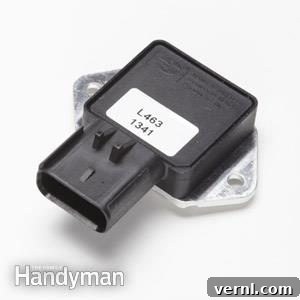
How to Test and Replace Your Car’s Radiator Fan Relay: A Comprehensive DIY Guide
Your vehicle’s engine operates within a specific temperature range, and maintaining that range is crucial for its longevity and performance. A key component in this temperature regulation is the electric radiator cooling fan. These powerful fans are designed to draw air across the radiator, especially when the vehicle is stationary or moving at low speeds, preventing engine overheating. Given the significant electrical current required to power these fans, car manufacturers employ a dedicated fan relay to switch them on and off safely and efficiently. If you’re experiencing issues with your radiator fan – perhaps it’s not engaging at all – it’s easy to jump to conclusions about a failed fan motor. However, often the culprit is a much simpler and less expensive fix: a faulty radiator fan fuse or relay.
This comprehensive guide will walk you through the process of diagnosing, testing, and ultimately replacing a failing radiator fan relay. By understanding the symptoms, following proper diagnostic steps, and utilizing the right tools, you can confidently tackle this common automotive issue yourself, saving time and money while ensuring your engine stays cool.
Understanding Your Car’s Cooling Fan System
Before diving into diagnostics, it helps to understand how your radiator fan system works. The system typically consists of several key components working in unison:
- Radiator Fan Motor and Blades: The core component that moves air.
- Radiator Fan Shroud: Directs airflow through the radiator for maximum efficiency.
- Coolant Temperature Sensor: Monitors the engine’s coolant temperature.
- Engine Control Module (ECM) or Powertrain Control Module (PCM): The “brain” that receives data from the temperature sensor and decides when to activate the fan.
- Radiator Fan Fuse: A safety device that protects the circuit from overcurrent.
- Radiator Fan Relay: An electrical switch that allows a small control current from the ECM/PCM to activate a much larger current flow to the fan motor. This protects the ECM/PCM from high electrical loads.
- Wiring: Connects all these components.
When the coolant temperature sensor detects that the engine is getting too hot, it sends a signal to the ECM/PCM. The ECM/PCM then sends a low-current signal to the fan relay, which “closes” the circuit, allowing 12 volts of power to flow directly from the battery (via a fuse) to the fan motor, engaging the fan.
Initial Troubleshooting and Safety First
Before you begin any diagnostic work on your vehicle’s electrical system, prioritize safety. Working around engine compartments can be dangerous due to hot surfaces, moving parts, and electrical currents.
Safety Precautions:
- Engine Off and Cool: Always ensure the engine is turned off and has had ample time to cool down completely. Working on a hot engine can lead to severe burns.
- Disconnect Battery: For any electrical work, it’s a good practice to disconnect the negative terminal of your car’s battery. This prevents accidental short circuits and protects you from electrical shock.
- Wear Protective Gear: Put on safety glasses and work gloves to protect your eyes and hands from chemicals, sharp edges, and hot components.
- Clear Workspace: Make sure your work area is well-lit and free of clutter.
Preliminary Checks:
Before assuming a relay issue, perform these quick checks:
- Listen for the Fan: When the engine is hot and the A/C is on, listen closely. Can you hear the fan trying to engage?
- Check for Obstructions: Inspect the fan blades and shroud for any debris (leaves, plastic bags) that might be preventing the fan from spinning freely.
- Coolant Level: Ensure your coolant reservoir is at the proper level. Low coolant can lead to overheating, but it might not be the fan’s fault directly.
Tools You’ll Need for Diagnosis and Replacement
Having the right tools on hand will make this job much smoother and more efficient:
- Digital Multimeter: Essential for checking electrical continuity and voltage. Make sure it has a DC voltage setting. (Learn how to use a multimeter here if you’re unfamiliar.)
- Owner’s Manual: Crucial for locating fuse boxes, relays, and understanding wiring diagrams specific to your vehicle.
- Wrench/Socket Set: May be needed to remove battery terminals or to unbolt the relay if it’s secured.
- Fine-Grit Sandpaper or Wire Brush: For cleaning corrosion from mounting surfaces.
- Electrical Contact Cleaner: Optional, but helpful for cleaning electrical connectors.
- Thermal Grease (Dielectric Grease): Absolutely essential for the new relay installation.
- New Radiator Fan Relay: Ensure it’s the correct part for your vehicle (check your owner’s manual or local auto parts store).
- Clean Rags: For cleaning surfaces.
Step 1: Checking the Radiator Fan Fuse
A blown fuse is the simplest and most common cause of a non-functioning radiator fan. It’s designed to protect the circuit from overcurrent, so if it blows, it means there was an electrical surge or short somewhere in the fan circuit.
- Locate the Fuse Box: Consult your vehicle’s owner’s manual to find the location of the fuse box(es). There’s typically one under the hood (often called the power distribution center) and sometimes another inside the cabin.
- Identify the Fan Fuse: Your owner’s manual will also have a diagram indicating which fuse corresponds to the radiator fan (sometimes labeled “RAD FAN,” “COOLING FAN,” or similar). Note its amperage rating.
- Visual Inspection: Once located, carefully pull out the fuse using a fuse puller (usually found in the fuse box lid) or small needle-nose pliers. Hold it up to the light and inspect the small wire element inside. If the wire is broken or melted, the fuse is blown.
- Test with a Multimeter (Optional but Recommended): For a more reliable check, set your multimeter to the continuity setting (often indicated by an audible beep or an ohm symbol). Touch the probes to the metal terminals on either end of the fuse. If the multimeter beeps or shows a reading close to zero ohms, the fuse is good. If there’s no beep or it shows “OL” (over limit), the fuse is blown.
- Replace if Blown: If the fuse is blown, replace it with a new one of the exact same amperage rating. Never use a fuse with a higher amperage rating, as this can lead to serious electrical damage or fire. If the new fuse blows immediately, it indicates a short in the circuit, which warrants further investigation, possibly by a professional.
If the fuse checks out fine, the next step is to test the relay.
Step 2: Testing the Radiator Fan Relay
If the fuse is good, the fan relay is the next most likely component to fail. Here’s a systematic approach to test it:
- Disconnect Fan Connectors: Locate the electrical connectors for the radiator fan motor(s). There might be one or two fans, each with its own connector. Carefully unplug these connectors. These are typically robust plastic connectors that might have a tab you need to press or a collar you need to slide back.
- Activate the Fan Circuit: To test if power is reaching the fan, you need to trick the car into thinking the fan should be on. The easiest way to do this is to turn your car’s A/C (Air Conditioning) to the MAX position and then start the engine. Most vehicles are designed to engage the radiator fan(s) whenever the A/C compressor is running to help dissipate heat from the condenser.
- Check for Power at Fan Connectors:
- Set your multimeter to measure DC Volts (V with a straight line or VDC).
- Carefully probe the terminals inside the unplugged fan connectors. Place the positive (red) probe into one of the wire terminals and the negative (black) probe to a good chassis ground point (unpainted metal on the engine or frame). Alternatively, you can try probing both terminals of the connector if you’re unsure which is positive and negative.
- You should see a reading of approximately 12 volts (V) on your multimeter. If you do, it indicates that power is successfully reaching the fan connectors, meaning your relay and wiring up to this point are likely functioning correctly, and the issue might be with the fan motor itself.
- If you do NOT see 12 volts at the connectors, it means the fan isn’t getting power from the relay. This strongly suggests a problem with the relay or the wiring leading to it. Proceed to the next step.
- Locate the Radiator Fan Relay:
- Consult your owner’s manual or a service manual for the exact location of the radiator fan relay. It’s often found in the under-hood fuse box or power distribution center.
- In some vehicles, the fan relay is mounted separately near the bottom of the engine compartment, usually on a metal frame member. This metal acts as a heat sink, helping to dissipate heat generated by the relay and keep it cool, which is crucial for its longevity.
- Test for Power at the Relay Connector:
- Once you’ve located the relay, unplug its electrical connector. Be careful not to damage the pins.
- With the A/C still on MAX and the engine running (or at least the ignition on if your fan circuit activates with just the key on), use your multimeter to check for power at the relay’s harness connector. You’ll typically be looking for two power feeds: one constant 12V supply and one switched 12V supply that activates when the ECM/PCM commands the fan on.
- Probe the various pins within the relay connector, grounding your negative probe as before.
- If you find power (around 12V) coming into the relay connector, but you didn’t have power at the fan connectors earlier, this is a strong indication that you’ve got a “bum” (faulty) relay. The relay is receiving its input signal and power, but it’s not effectively switching that power to the fan.
- If you aren’t getting power at the relay connector at all, even when the A/C is on and the engine is running, this points to a more serious wiring problem upstream (between the battery/fuse box and the relay) or an issue with the Engine Control Module (ECM) or temperature sensor that commands the relay. Diagnosing these complex electrical issues is typically a job for a professional mechanic with specialized diagnostic tools.
Step 3: Replacing the Radiator Fan Relay
If your diagnostic tests confirm that the radiator fan relay is the culprit, replacing it is a straightforward DIY task. However, proper preparation and attention to detail are key to ensuring a lasting repair.
- Source the Correct Replacement Relay: Ensure you purchase an exact replacement relay for your vehicle. Using a relay with incorrect specifications can lead to improper operation or further damage. Always cross-reference part numbers with your owner’s manual or a reputable auto parts supplier.
- Remove the Old Relay: Carefully unplug the old relay from its harness connector. If it’s bolted to the metal frame, use the appropriate wrench or socket to unfasten it.
- Address Corrosion on the Mounting Surface: This step is critically important and often overlooked by DIYers, leading to repeat failures.
- Inspect the metal mounting surface where the old relay was attached. Corrosion (rust, oxidation) acts as an insulator, hindering both electrical contact and, crucially, heat transfer.
- Using fine-grit sandpaper (around 220-400 grit) or a wire brush, thoroughly sand off all corrosion until you reach bare, shiny metal. This provides a clean, conductive surface for both the electrical connection (if the relay grounds through the body) and for optimal heat transfer.
- After sanding, wipe the area clean with a rag to remove any metal dust or debris. You can also use electrical contact cleaner for a pristine surface.
- Apply Thermal Grease (Dielectric Grease):
- Thermal grease, often called dielectric grease (ensure it’s suitable for heat transfer, not just lubrication/moisture protection), plays two vital roles here: it improves heat transfer and prevents future corrosion.
- Apply a generous amount of thermal grease to the entire back surface of the new fan relay, specifically the side that will be in contact with the metal frame. The goal is to ensure full coverage between the relay’s housing and the metal heat sink.
- This grease fills microscopic air gaps between the relay and the metal frame, dramatically improving heat conduction. By efficiently transferring heat away from the relay, it prevents the component from overheating, which is a common cause of relay failure. It also creates a barrier against moisture and air, thereby preventing future corrosion at the contact points.
- Install the New Relay:
- Position the new relay onto the cleaned metal frame. If it’s a bolted type, tighten the bolts securely. As you secure it, the thermal grease should squish out slightly on all sides, indicating good contact.
- Plug the electrical harness connector firmly into the new relay until it clicks into place.
- Reconnect and Test:
- Reconnect the battery’s negative terminal.
- Plug the electrical connectors back into the radiator fan motor(s).
- Start the engine and turn the A/C to MAX, or let the engine warm up sufficiently.
- Verify that the radiator fan(s) now engage and operate correctly. Listen for the fan motor running smoothly.
With the new relay installed correctly, your cooling fans should power up as designed, and the thermal grease will work continuously to transfer heat to the metal frame, protecting your new relay from premature failure and preventing corrosion from forming at the crucial contact points.
Preventative Maintenance for Your Cooling System
To avoid future cooling system headaches, consider these preventative measures:
- Regular Inspections: Periodically inspect your radiator fan, wiring, and connectors for any signs of damage, wear, or corrosion.
- Clean the Radiator: Keep the front of your radiator and condenser free of debris (leaves, bugs, road grime). Blocked fins reduce airflow and make the cooling system work harder.
- Check Coolant: Ensure your coolant level is always within the recommended range and that the coolant itself is clean and free of contaminants. Follow your manufacturer’s recommendations for coolant flushes.
- Listen for Unusual Noises: A noisy fan or unusual sounds from the engine bay can be early indicators of developing problems.
When to Call a Professional
While testing and replacing a fan relay is a rewarding DIY project, there are situations where calling a professional is the wisest course of action:
- Complex Wiring Issues: If you’re not getting power to the relay connector even after activating the circuit, it suggests a deeper wiring problem that may require specialized tools and expertise to trace.
- ECM/PCM Problems: If all other components check out, the issue might stem from a faulty Engine Control Module, which is a sophisticated and expensive component to diagnose and replace.
- Lack of Confidence or Time: If you’re uncomfortable working with electrical systems, or simply don’t have the time, a certified mechanic can quickly diagnose and resolve the issue.
Conclusion
A properly functioning radiator fan is indispensable for your vehicle’s health, preventing costly engine damage from overheating. By following this detailed guide, you’ve gained the knowledge and steps necessary to accurately diagnose and replace a faulty radiator fan relay. This not only saves you money on mechanic fees but also empowers you with a deeper understanding of your car’s vital cooling system. Regular maintenance and a proactive approach to troubleshooting can keep your engine running cool and extend the life of your vehicle for years to come.
— Rick Muscoplat, Automotive Editor
For more vehicle maintenance and repair tips, visit our Auto Repair section.