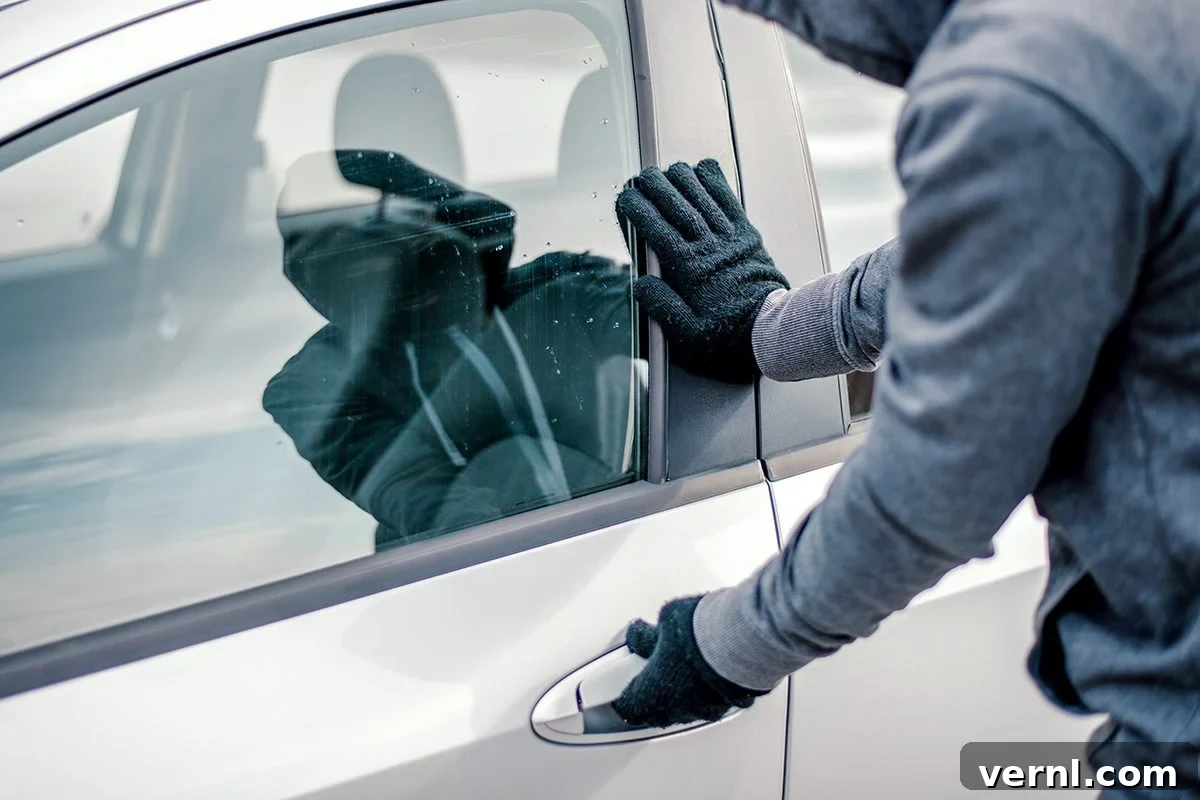
Understanding Car Theft Trends: Most and Least Stolen Vehicles & How to Protect Yours
For any vehicle owner, the thought of car theft is a deeply unsettling one. It’s not just about the potential loss of a valuable asset, but also the sheer inconvenience, the emotional distress, and the laborious process of dealing with insurance companies. Imagine losing your daily commute, cherished personal items, and facing an immediate, unforeseen financial burden. Car theft is a pervasive issue, constantly evolving as thieves find new ways to bypass security measures.
When you’re considering purchasing a new vehicle, delving into its theft vulnerability is a crucial step that far too many buyers overlook. Understanding which models are frequently targeted and which are rarely touched can significantly influence your decision and potentially save you immense trouble down the road. The Highway Loss Data Institute (HLDI), a trusted authority in vehicle safety and insurance statistics, recently published comprehensive data shedding light on the most and least frequently stolen new cars. This invaluable report, based on insurance claim data for car models released between 2022 and 2024, offers critical insights into the evolving landscape of automotive crime. This article will break down these rankings and explore the underlying factors that make certain vehicles irresistible to thieves, while others remain largely untouched.
What Do Car Thieves Target, and Why?
Modern vehicles are engineering marvels, equipped with an array of sophisticated anti-theft technologies, from advanced alarms and engine immobilizers to complex key fob encryption. Yet, despite these innovations, determined thieves continue to adapt, constantly seeking out vulnerabilities and developing new methods to exploit them. Their targets are often chosen based on a combination of factors: potential monetary gain, ease of theft, and demand in illicit markets for either the whole vehicle or its valuable components.
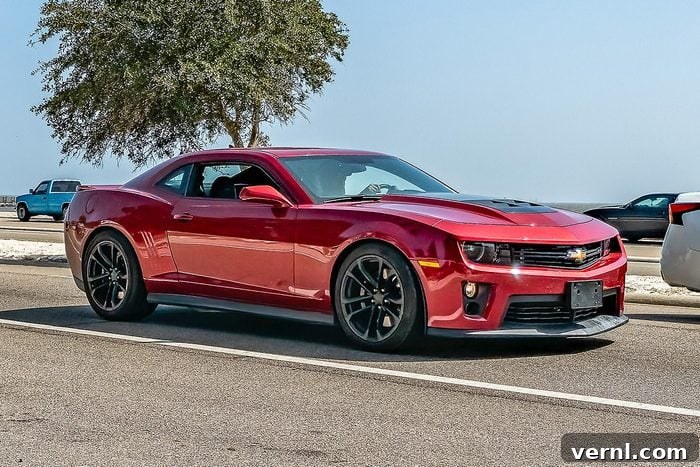
Take, for instance, the Chevrolet Camaro ZL1, which regrettably tops the HLDI’s list of most stolen new vehicles. This model is a prime target for several compelling reasons. Firstly, its high-performance engine and luxurious features command a significant price tag, promising a substantial payoff for thieves, whether sold whole or dismantled for parts. Secondly, its beefy horsepower makes it an attractive target for joyriders or those seeking a quick, powerful getaway vehicle. Most critically, thieves have reportedly discovered a technical glitch within certain Camaro ZL1 models that simplifies the process of cloning the car’s key fobs. This vulnerability significantly reduces the time and effort required to bypass the vehicle’s security systems, making it far more accessible to criminals compared to other models.
Matt Moore, chief insurance operations officer at HLDI and the Insurance Institute for Highway Safety, succinctly summarizes the prevailing logic behind these choices: “We expect powerful and high-value vehicles to be targeted, and these models check both those boxes.” This perspective highlights that a vehicle’s inherent desirability, combined with perceived or actual security weaknesses, largely dictates its risk profile.
2022-2024’s Most Stolen Cars: An Overview of High-Risk Models
The HLDI data reveals a clear pattern among the most frequently stolen vehicles. These often include high-performance cars, popular pickup trucks, and luxury SUVs – segments that promise significant resale value, either as complete units in illicit markets or through the lucrative trade of their individual parts. Large trucks and SUVs are particularly vulnerable due to their widespread popularity, which translates into a high demand for replacement parts, making them easy targets for chop shops.
- Chevrolet Camaro ZL1
- Acura TLX 4WD
- Chevrolet Camaro (Other Trims)
- GMC Sierra 2500 Crew Cab 4WD
- Acura TLX 2WD
- GMC Sierra 3500 Crew Cab 4WD
- Chevrolet Silverado 3500 Crew Cab 4WD
- Dodge Durango 4WD
- Land Rover Range Rover 4WD
- Ram 1500 Crew Cab Short-Wheelbase 4WD
This list is dominated by models known for their power, luxury, or utility. The presence of multiple heavy-duty pickup trucks (GMC Sierra, Chevrolet Silverado, Ram 1500) underscores their appeal for their valuable engines, transmissions, and other components. Luxury sedans like the Acura TLX and high-end SUVs like the Land Rover Range Rover represent substantial financial gains for criminals, often targeted for export or resale with falsified identities.
2022-2024’s Least Stolen Cars: Models That Deter Thieves
Conversely, the list of least stolen vehicles paints a picture of models that, for various reasons, present a less appealing target to criminals. A prominent trend here is the strong representation of electric vehicles (EVs), alongside certain reliable and less “flashy” models from brands known for their robust safety features and potentially less desirable parts market.
- Tesla Model 3 4WD
- Tesla Model Y 4WD
- Tesla Model 3 2WD
- Toyota RAV4 Prime 4WD
- Tesla Model S 4WD
- Volvo XC90 4WD
- Volvo XC40 4WD
- Ford Mustang Mach-E
- Volkswagen ID.4
- Subaru Crosstrek 4WD with EyeSight (2024)
The prevalence of electric cars at the top of this list is particularly insightful. There are several factors contributing to their lower theft rates. Firstly, the necessity for regular charging often means EVs are stored in garages or dedicated charging stations, which inherently offer more security than street parking. This significantly increases the effort and risk for thieves. Secondly, the unique drivetrain components and integrated software systems of EVs can make them less attractive for dismantling and reselling parts compared to conventional gasoline-powered vehicles, where there’s a wider and more established black market for components. Furthermore, many EVs come equipped with advanced tracking and telematics systems that make them incredibly easy to locate once stolen, deterring potential thieves. Models like the Volvos and the Subaru Crosstrek, while not electric, often boast advanced safety packages and are perhaps less commonly targeted due to lower demand for their parts or robust factory security systems.
Ultimately, convenience is one of the main motivating factors for car thieves. They seek quick, low-risk opportunities. Therefore, any feature or habit that introduces inconvenience or increases the risk of detection acts as a powerful deterrent. Parking in well-lit areas, utilizing multi-layered security, and owning a vehicle that is inherently harder to dispose of or track can significantly reduce its appeal to criminals.
How To Protect Your Vehicle: Comprehensive Anti-Theft Strategies
While some vehicles are statistically more likely to be stolen, no car is entirely immune. Proactive measures are the best defense against car theft. Employing a multi-layered approach to security can dramatically increase your vehicle’s safety, making it a less attractive target for criminals. Here are some of the most tried-and-true methods, alongside modern best practices:
1. Automatic Immobilizers
One of the most effective deterrents against car theft is an automatic engine immobilizer. Many modern vehicles come with factory-installed immobilizers that prevent the engine from starting unless the correct key fob is present. This thwarts common theft methods like hot-wiring or brute-forcing the ignition. An immobilizer works by interrupting the flow of electricity to critical engine components such as the starter, fuel pump, or ignition system. Even if a thief manages to get into your car and tamper with the ignition, they won’t be able to start the engine, rendering the vehicle useless to them.
2. Audible Alarms
Car thieves thrive on stealth and working unnoticed. A loud, intrusive car alarm is designed to disrupt their efforts and draw attention to the scene. Modern alarms go beyond simple door sensors, often incorporating shock sensors that detect impacts, tilt sensors to detect towing, and even proximity sensors. The moment an alarm is triggered, it creates a cacophony that makes it virtually impossible for thieves to work stealthily, often forcing them to abandon the attempt and flee. While some may dismiss alarms as “noise pollution,” their psychological deterrent effect on opportunistic thieves is undeniable.
3. Steering Wheel Locks and Physical Deterrents
Sometimes, the simplest solutions are the most effective. A visible steering wheel lock, such as “The Club,” acts as a powerful visual deterrent. A thief scanning for targets will likely bypass a vehicle with such an obvious security device, opting for an easier target. These locks physically prevent the steering wheel from being turned, making it impossible to steer the car even if the engine is somehow started. Beyond steering wheel locks, other physical deterrents include pedal locks, which secure the brake or clutch pedal, and gearstick locks, which immobilize the transmission. The key is to make your vehicle appear too troublesome to steal.
4. Vehicle Recovery Systems
If, despite all your precautions, your car is stolen, a vehicle recovery system can be the difference between permanent loss and successful retrieval. These systems utilize GPS technology to track your vehicle’s location in real-time, allowing law enforcement to trace and recover your property swiftly. Many new vehicles offer factory-installed telematics systems (like OnStar or similar services) that include tracking capabilities. For older models or those without integrated systems, aftermarket GPS trackers are available. Alternatively, simpler and more affordable solutions exist, such as discreetly placing an Apple AirTag or similar Bluetooth tracker somewhere hidden within your car, like under a seat or in the glove compartment. These devices leverage widespread networks (like Apple’s Find My network) to provide location data, significantly increasing the chances of recovery.
5. Smart Parking Choices
The location where you park your car plays a significant role in its vulnerability. Always opt for well-lit, busy areas, especially at night. Garages, whether private or shared in apartment complexes, offer the highest level of security. If street parking is unavoidable, choose a spot where your car is visible to others and potentially covered by surveillance cameras. Avoid isolated or dimly lit areas that provide cover for thieves.
6. Hide Valuables and Lock Up
This seems obvious, but it’s often overlooked. Never leave valuables, such as electronics, bags, or even loose change, visible in your car. “Out of sight, out of mind” applies directly to thieves. A visible laptop or wallet is a direct invitation for a smash-and-grab. Always lock your doors and roll up your windows, even if you’re only stepping away for a moment.
7. Key Fob Protection for Keyless Entry Systems
Modern keyless entry systems, while convenient, can be vulnerable to “relay attacks.” Thieves use electronic devices to amplify the signal from your key fob (even if it’s inside your home) to unlock and start your car. To counter this, store your key fob in a Faraday pouch or a metal box when not in use. These devices block radio signals, preventing unauthorized access.
8. VIN Etching
VIN (Vehicle Identification Number) etching involves permanently engraving your car’s VIN onto various components like windows, catalytic converters, and major parts. This makes it much harder for thieves to sell stolen parts, as the etched VIN reveals their origin, thereby reducing the profitability of dismantling the vehicle.
9. OBD Port Locks
The On-Board Diagnostics (OBD-II) port, usually found under the dashboard, allows technicians to access your car’s computer. However, sophisticated thieves can use this port to reprogram a blank key fob and start your car. An OBD port lock physically blocks access to this port, preventing unauthorized reprogramming and making it much harder for thieves to drive off with your vehicle.
What to Do If Your Car is Stolen: The Aftermath and Insurance
Even with the best preventative measures, car theft can still happen. Knowing what steps to take immediately after discovering your car is stolen can streamline the recovery process and minimize further complications.
- Contact the Police Immediately: File a police report as soon as you realize your car is missing. Provide them with all necessary details, including your VIN, license plate number, make, model, color, and any distinguishing features. The sooner the police are involved, the higher the chance of recovery.
- Notify Your Insurance Company: After reporting to the police, contact your insurance provider. You will need a comprehensive insurance policy for theft to be covered. Be prepared to provide the police report number and all relevant vehicle information.
- Document Everything: Keep detailed records of all communications with the police and your insurance company. Make a list of any personal items that were inside the car at the time of theft, as some of these might be covered by your homeowner’s or renter’s insurance.
- Protect Yourself from Identity Theft: If personal documents or devices were in the car, consider taking steps to protect your identity, such as monitoring credit reports or placing fraud alerts.
Car theft can significantly impact your insurance premiums. While a comprehensive policy covers theft, filing a claim can lead to increased rates in the future. However, the peace of mind and financial protection it offers are invaluable when facing such an unforeseen event.
Conclusion
Car theft is an ever-present challenge for vehicle owners, with criminals constantly adapting their tactics. The data from the HLDI serves as a crucial reminder that not all vehicles face the same level of risk, and that a vehicle’s popularity, value, and even specific technical vulnerabilities can make it a prime target. By understanding these trends and the motivations behind car theft, consumers can make more informed choices when purchasing a vehicle and, crucially, implement effective multi-layered security strategies to protect their investment.
From robust physical barriers like steering wheel locks to advanced technological solutions like vehicle recovery systems and smart key fob protection, a comprehensive approach is your best defense. Staying vigilant, making smart parking choices, and ensuring your vehicle is equipped with the right deterrents can significantly reduce your risk and provide greater peace of mind in an unpredictable world. Protecting your vehicle isn’t just about preventing financial loss; it’s about safeguarding your convenience, your personal belongings, and your sense of security.
Sources:
- Insurance Institute for Highway Safety (IIHS) “HLDI Insurance Report: Whole vehicle theft losses” (2022-2024 data)
- NHTSA, “Vehicle Theft Prevention”
Related Articles to Enhance Your Car Knowledge:
- Do You Know What That Little Button on Your Seat Belt Is For?
- What Those Lines on Your Backup Camera Really Tell You
- Here’s What The Small Panel On Your Car’s Front Bumper Is For