
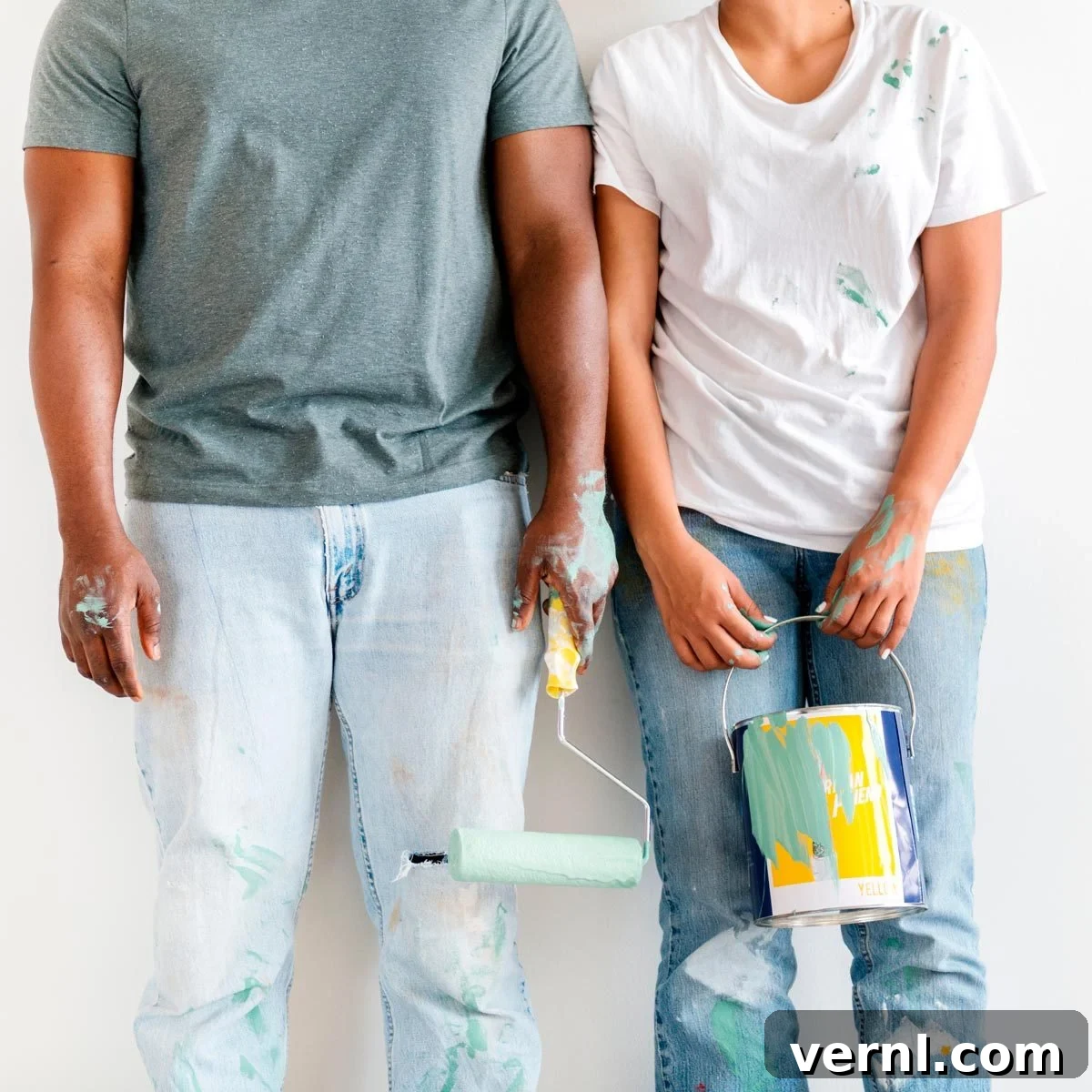
Ultimate Guide: How to Remove Paint from Clothes Safely and Effectively
Painting projects, whether a small touch-up or a complete room makeover, often come with an unwelcome side effect: accidental paint splatters on your clothing. It’s a common dilemma – no matter how careful you are, paint always seems to find its way from the wall or brush onto your favorite shirt or trousers. The good news is that a paint stain doesn’t have to spell the end for your garments. With the right approach, tools, and a bit of patience, you can successfully remove paint from clothes and salvage your wardrobe.
This comprehensive guide will walk you through everything you need to know about tackling paint stains. We’ll cover identifying different paint types, understanding fabric sensitivities, and providing detailed, step-by-step instructions for effectively getting paint out of clothes, both wet and dry. Say goodbye to ruined outfits and hello to clean, paint-free garments!
Why Act Fast? The Golden Rule of Paint Removal
The single most important factor in successful paint stain removal is speed. Fresh paint is significantly easier to remove than dried paint. As paint dries, it hardens and bonds more strongly to the fabric fibers, making the removal process much more challenging. Therefore, as soon as you notice a paint splatter, pause your project and address the stain immediately. The quicker you act, the higher your chances of complete success.
Identify Your Enemy: Types of Paint and Their Removal Methods
Before you even think about reaching for a cleaning solution, it’s crucial to identify the type of paint that has stained your clothes. Different paints require different solvents and approaches. Using the wrong product could not only be ineffective but might also set the stain permanently or damage your fabric.
1. Water-Based Paints (Latex and Acrylic)
- Characteristics: Easily thinned with water, quick-drying, common for interior walls, craft projects.
- Removal Strategy: Water is your primary ally when wet. Rubbing alcohol or non-acetone nail polish remover can help with dried stains (always test first).
2. Oil-Based Paints
- Characteristics: Durable, slow-drying, used for trim, doors, and exterior surfaces. Thinned with mineral spirits or turpentine.
- Removal Strategy: Requires specific solvents like mineral spirits, turpentine, or paint thinner. Water is ineffective.
3. Spray Paints
- Characteristics: Highly pigmented, fast-drying, often enamel or lacquer-based.
- Removal Strategy: Can be challenging. Acetone (nail polish remover) or lacquer thinner are often needed, but extreme caution is advised due to their strength and potential to damage fabrics.
4. Enamel Paints
- Characteristics: A type of oil-based paint known for its hard, glossy finish, often used for appliances, furniture, and exteriors.
- Removal Strategy: Similar to oil-based paints, requiring mineral spirits or paint thinner. May be tougher to remove due to its durable finish.
Know Your Fabric: Protecting Your Garment
Just as important as knowing your paint type is understanding your fabric. Delicate materials require a gentler touch and different solvents than sturdy fabrics like denim or cotton. Always check the garment’s care label for fiber content and washing instructions.
- Durable Fabrics (Cotton, Denim, Linen): Can generally withstand stronger solvents and more vigorous treatment.
- Delicate Fabrics (Silk, Wool, Rayon, Acetate): Require extreme care. Strong solvents like acetone can dissolve acetate or rayon. Always test a hidden area first. Consider professional cleaning for valuable or very delicate items.
- Synthetics (Polyester, Nylon): Generally robust, but check for specific warnings against certain chemicals.
Essential Tools and Materials for Paint Removal
Gathering your supplies beforehand will make the paint removal process smoother and more efficient:
- Blunt Scraper: A dull knife, old credit card, or spoon to gently scrape off excess paint.
- Clean Cloths or Paper Towels: For blotting and applying solvents.
- Dish Soap or Laundry Detergent: For initial cleaning and final wash.
- Rubbing Alcohol (Isopropyl Alcohol): Effective for dried water-based paints.
- Non-Acetone Nail Polish Remover: Can work on some water-based paints (test first!).
- Mineral Spirits or Turpentine: Essential for oil-based paints.
- Paint Thinner: Another option for oil-based and enamel paints.
- Acetone or Lacquer Thinner: For stubborn stains like spray paint (use with extreme caution on delicate fabrics).
- Hair Spray: An old trick for some dried latex paints.
- Gloves: To protect your hands from paint and solvents.
- Ventilation: Work in a well-ventilated area, especially when using strong solvents.
Step-by-Step Guides: How to Remove Paint from Clothes
Method 1: Removing Water-Based (Latex/Acrylic) Paint
For Wet Paint Stains:
- Scrape Excess: Use a blunt knife or credit card to gently scrape off as much wet paint as possible, being careful not to spread it.
- Rinse with Water: Turn the garment inside out and flush the stain under cold running water. This helps push the paint out of the fibers.
- Apply Dish Soap: Rub a small amount of liquid dish soap or laundry detergent directly onto the stain. Work it into the fabric gently.
- Wash: Wash the garment as usual in a washing machine with cold water. Check the stain before drying; heat can set residual paint. Repeat if necessary.
For Dried Paint Stains:
- Scrape Off Flakes: Carefully scrape away any dried, flaky paint using a blunt tool.
- Soak (Optional): For stubborn stains, soak the affected area in warm water with a generous amount of liquid dish soap for several hours or overnight.
- Apply Solvent:
- Rubbing Alcohol: Dampen a clean cloth with rubbing alcohol and blot the stain. Work from the outside of the stain inwards to prevent spreading. Keep blotting with a fresh part of the cloth as paint transfers.
- Nail Polish Remover (Non-Acetone): Test on an inconspicuous area first. Apply sparingly to a cloth and blot the stain. Avoid on acetate or rayon.
- Hair Spray: Saturate the dried paint with hair spray, let it sit for a few minutes, then scrub with an old toothbrush or stiff brush. Repeat as needed, then wash.
- Wash and Inspect: Once the paint is visibly gone, wash the garment in your washing machine with cold water and your usual detergent. Air dry the item to ensure the stain is completely removed before exposing it to dryer heat. If paint remains, repeat the process.
Method 2: Removing Oil-Based Paint
For Wet or Dried Paint Stains:
Oil-based paints require stronger solvents and extra caution.
- Scrape Excess: Gently scrape off any excess wet or flaky dried paint with a blunt tool.
- Test Solvent: Choose your solvent (mineral spirits, turpentine, or paint thinner). Always test it on an inconspicuous area of the garment first to ensure it doesn’t cause discoloration or damage.
- Apply Solvent: Place the stained area face down on a stack of clean paper towels or a clean cloth. Dampen another clean cloth with the chosen solvent and blot the back of the stain. The goal is to transfer the paint onto the paper towels below. Replace the paper towels frequently as they absorb paint.
- Continue Blotting: Keep blotting until no more paint transfers. You may need to use several applications of solvent and many fresh paper towels.
- Pre-Treat and Wash: Once the paint is gone, rub a generous amount of heavy-duty liquid laundry detergent or a stain remover directly onto the treated area. Let it sit for 15-30 minutes. Then, wash the garment in the hottest water safe for the fabric, along with your regular detergent.
- Air Dry: Inspect the garment before drying. If any trace of paint remains, do not put it in the dryer. Repeat the solvent and washing process.
Method 3: Removing Spray Paint or Enamel Paint
These paints are particularly stubborn and often require stronger chemicals. Proceed with extreme caution and always test first.
- Scrape Gently: Remove any loose, dried paint carefully with a blunt scraper.
- Choose and Test Solvent: Acetone (found in some nail polish removers) or lacquer thinner are powerful solvents often effective against spray paint and enamel. WARNING: Acetone can dissolve synthetic fabrics like acetate, rayon, and modacrylic. ALWAYS test on a hidden seam first.
- Ventilation and Protection: Work in a very well-ventilated area and wear gloves.
- Apply Solvent: Place the stained area face down on clean paper towels. Dampen a clean cloth with acetone or lacquer thinner and blot the back of the stain. As with oil paint, replace the paper towels frequently.
- Blot Until Gone: Continue blotting and refreshing paper towels until the paint is gone. This may take time and effort.
- Rinse and Wash: Once the paint is removed, rinse the area thoroughly with cold water. Apply a stain remover or heavy-duty laundry detergent and let it sit. Wash the garment in the washing machine using the hottest water safe for the fabric.
- Air Dry and Repeat: Air dry and inspect. Repeat the process if necessary, but understand that complete removal of spray paint can be very challenging, especially once dry.
General Tips and Precautions for Paint Removal
- Always Test First: Before applying any solvent to a visible stain, test it on an inconspicuous area of the garment (like an inside seam) to check for colorfastness or damage.
- Blot, Don’t Rub: Rubbing can spread the paint and push it deeper into the fabric fibers. Always blot with a clean cloth.
- Work from Outside In: When applying solvents, start at the outer edge of the stain and work your way towards the center. This prevents the stain from spreading.
- Proper Ventilation: Many paint solvents emit strong fumes. Ensure you’re working in a well-ventilated area, preferably outdoors or near an open window.
- Protect Your Hands: Wear gloves to protect your skin from both paint and chemicals.
- Avoid Heat: Never put a paint-stained garment in the dryer until you are absolutely certain the stain is completely gone. Heat will set the stain, making it almost impossible to remove.
- Rinse Thoroughly: After using solvents, rinse the garment thoroughly to remove all chemical residues before washing.
Prevention is the Best Medicine
Of course, the easiest way to deal with paint on clothes is to avoid it in the first place! Here are some simple preventative measures:
- Wear Old Clothes: Designate specific “painting clothes” that you don’t mind getting dirty.
- Cover Up: Wear long sleeves, trousers, and even a hat to minimize exposed fabric.
- Use Drop Cloths: Protect your floors and furniture, and remember that paint can splatter farther than you think.
- Tape Off Areas: Use painter’s tape to create clean lines and protect adjacent surfaces.
- Work Carefully: Don’t rush, and load your brush or roller carefully to avoid drips.
When to Call a Professional
Sometimes, despite your best efforts, a paint stain might prove too stubborn or your garment too delicate for DIY removal. In such cases, it’s wise to consult a professional dry cleaner. Inform them of the type of paint and fabric as accurately as possible. Their specialized knowledge and equipment may be able to save your beloved item.
Frequently Asked Questions About Removing Paint from Clothes
Q1: Can I use nail polish remover on all fabrics?
A: No. While acetone-based nail polish remover can be effective on some paint types, it can dissolve or severely damage synthetic fabrics like acetate, rayon, and modacrylic. Always check the fabric content and test on an inconspicuous area first. Non-acetone removers are generally safer but still require testing.
Q2: What if the paint has been on my clothes for a long time?
A: Dried, old paint stains are much harder to remove, but not impossible. You’ll likely need to use stronger solvents (mineral spirits, paint thinner, or even lacquer thinner depending on paint type) and may need to repeat the process multiple times. Soaking the area beforehand can also help soften the paint.
Q3: Will rubbing alcohol remove oil-based paint?
A: Generally, no. Rubbing alcohol is most effective for water-based paints. Oil-based paints require oil-dissolving solvents like mineral spirits, turpentine, or paint thinner.
Q4: Is it safe to mix different solvents?
A: Absolutely not. Mixing cleaning chemicals or solvents can create dangerous fumes or ineffective solutions. Always use one product at a time and ensure proper ventilation.
Q5: How can I remove paint from delicate fabrics like silk or wool?
A: Delicate fabrics require extreme caution. For water-based paints, try gentle blotting with water and mild soap. For oil-based paints, a very careful application of mineral spirits on a clean cloth, blotted quickly and thoroughly rinsed, might work, but it’s highly recommended to take such items to a professional cleaner to avoid irreversible damage.
For more specific techniques and product recommendations, you can also refer to:
How to Remove and Get Paint Out of Clothes