
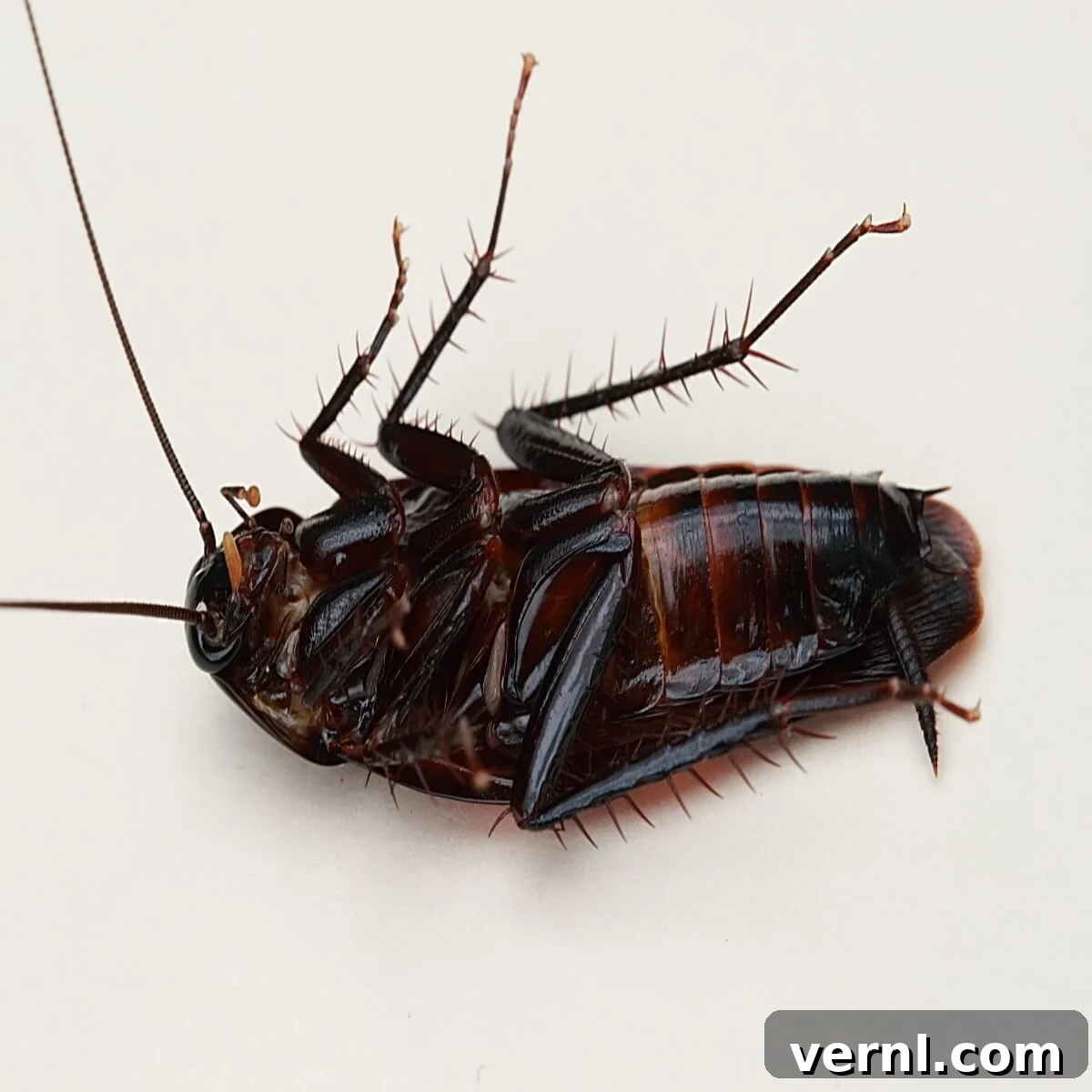
A creature of the woods, the Smokybrown cockroach is a prevalent warm-climate pest, often found thriving outdoors and frequently venturing near homes where essential resources like food, water, and shelter are abundant. These robust insects are a common nuisance around cabins and residential properties nestled close to natural wilderness, particularly in the humid southern regions of the United States. Understanding their habits, appearance, and life cycle is the first step in effective management and ensuring a pest-free living environment.
Understanding the Smokybrown Cockroach: A Detailed Guide
The Smokybrown cockroach (Periplaneta fuliginosa) is a fascinating yet troublesome insect, closely related to the well-known American cockroach. Sharing many similar behavioral patterns and visual characteristics, the Smokybrown cockroach stands out due to its distinct dark coloration. In the United States, its primary habitat is the warmer, more humid southern states, where it flourishes in abundance. Areas like Texas, Florida, Louisiana, Mississippi, and Georgia are particularly prone to infestations, given their ideal climatic conditions that support the cockroach’s survival and reproduction. These pests are highly adaptable to the environments presented in these regions, making them a persistent challenge for homeowners.
What Do Smokybrown Cockroaches Look Like? A Visual Identification
Smokybrown cockroaches earn their descriptive name directly from their appearance and their preferred shadowy hiding spots. They possess a striking, uniform mahogany or reddish-brown color, which can sometimes appear almost black, giving them a distinct look that differentiates them from other cockroach species. Their bodies are typically slender and elongated, reaching lengths of about 1 to 1.5 inches (2.5 to 3.8 cm) as adults.
A key identifying feature of the Smokybrown cockroach is its prominent, fully developed wings, which extend beyond the tip of its abdomen. Unlike some cockroach species that have vestigial or non-functional wings, Smokybrown cockroaches are capable and frequent fliers. They are particularly active during warmer evenings, often seen fluttering around outdoor lights, drawn irresistibly to the brightness that pierces the darkness. Their long, whip-like antennae constantly probe their surroundings, aiding them in navigation and locating food sources. They also have a distinctive pronotum (the shield-like plate covering their head) that is uniformly dark, without any lighter markings, further helping in their identification. This combination of size, color, and flight capability makes them easily noticeable, especially when they inadvertently find their way indoors.
Smokybrown Cockroach Behaviors and Habitat Preferences
Predominantly found in the southern states, the Smokybrown cockroach thrives in environments characterized by warmth and high humidity. These conditions are critical for their survival, as they are highly susceptible to dehydration. Primarily outdoor dwellers, they favor secluded, moist locations such as trees, dense shrubbery, garden beds, and accumulations of mulch and leaf litter. Within these natural settings, they seek out decaying organic matter and shelter from predators and harsh elements.
When these pests venture closer to human dwellings, they seek similar conditions. Common indoor and peridomestic hiding spots include damp gutters, humid attics, crawl spaces, utility conduits, and even around plumbing fixtures in bathrooms and kitchens. Their quest for food is equally diverse; Smokybrown cockroaches are omnivorous scavengers, consuming a wide array of organic materials. Their diet can include feces, other dead insects, plant matter, sugary substances, and various human food scraps. Unlike some other resilient cockroach species, Smokybrown roaches cannot endure more than a few days without water. This critical dependency on moisture dictates their behavior, causing them to cling tenaciously to wet and moist areas, making leaky pipes, damp basements, and humid indoor environments particularly attractive to them. They are primarily nocturnal, emerging from their hiding spots after dusk to forage for food and water.
The Life Cycle of a Smokybrown Cockroach
The Smokybrown cockroach undergoes incomplete metamorphosis, a biological process characterized by three distinct stages: the egg, nymph, and adult. Their average lifespan, from egg to natural death, typically ranges from six to ten months, though this can vary based on environmental factors such as temperature and food availability.
**Egg Stage:** The life cycle begins with the egg, encased within a protective structure known as an ootheca. Female Smokybrown cockroaches produce these dark, reddish-brown, purse-shaped egg cases, which are quite rigid and often have distinct segmentation or ridges. Each ootheca can contain as many as 24 eggs. The female typically glues these egg cases to a hidden surface in a warm, moist location, such as under leaf litter, within woodpiles, or in cracks and crevices around structures. The incubation period for the eggs usually lasts between 30 to 45 days, after which the nymphs emerge. A single female can produce 16 to 18 oothecae throughout her reproductive lifetime, potentially leading to a significant number of offspring.
**Nymph Stage:** Upon hatching, the young cockroaches are called nymphs. These immature roaches resemble miniature versions of the adults, though they are wingless and considerably smaller. Nymphs undergo a series of molts, shedding their exoskeleton multiple times as they grow. There can be up to 10-12 nymphal instars before they reach adulthood, a process that can take anywhere from 60 to 200 days, again depending heavily on environmental conditions like temperature and nutrient availability. During this stage, they gradually darken in color with each molt.
**Adult Stage:** Once the final molt is complete, the cockroach emerges as a fully winged adult, capable of reproduction. Adult Smokybrown cockroaches typically live for several months, during which they mate and the females begin producing oothecae. Their ability to reproduce rapidly and in large numbers contributes significantly to their pest status, especially in suitable warm and humid climates. The rapid progression through these stages, combined with high reproductive rates, means that a small initial population can quickly escalate into a substantial infestation if left unchecked.
Recognizing the Signs of Smokybrown Cockroaches
Identifying the presence of Smokybrown cockroaches early can be crucial for effective pest management. While they are primarily outdoor pests, their propensity to venture indoors means homeowners should be vigilant for specific indicators. The most common signs that Smokybrown cockroaches have found a home indoors or are attempting to do so include:
- On-sight visual: The most obvious sign is directly seeing the cockroaches themselves. Given their nocturnal nature, sightings are most common at night, especially near brighter lights both inside and outside the home. If disturbed during the day, they will scurry away quickly to find shelter.
- Droppings: Smokybrown cockroach droppings often resemble those of mice, appearing as small, dark, cylindrical pellets with blunt ends. Unlike mouse droppings which are usually tapered, cockroach feces might have ridges or grooves along their length. These droppings are typically found in areas where roaches congregate, such as in attics, crawl spaces, behind appliances, in cabinets, or along baseboards.
- Egg cases (Oothecae): Discovering the dark, reddish-brown, purse-shaped egg cases is a definitive sign of an active infestation. These oothecae are often glued to surfaces in hidden, damp areas, such as under furniture, in crevices, or in cluttered storage spaces.
- Musty Odor: In cases of heavy cockroach infestations, a distinct, stale, or musty odor may be noticeable. This smell is produced by cockroach secretions and can permeate the infested areas, becoming more pronounced as the population grows.
- Shed Skins: As nymphs grow, they shed their exoskeletons. Finding these translucent, brownish cast skins in secluded areas like attics, basements, or behind furniture indicates that nymphs are present and developing within the property.
If you observe these signs, particularly in high-moisture areas like the attic, roof eaves, basements, or crawl spaces, it’s a strong indication that Smokybrown cockroaches are present and potentially establishing themselves within your home.
Effective Strategies to Get Rid of Smokybrown Cockroaches
Controlling Smokybrown cockroach infestations requires a multi-faceted approach, focusing on prevention, sanitation, and targeted treatment. Even more so than with some other species, maintaining a clean and dry environment is paramount to eliminating the moist hiding locations that these pests desperately seek.
**Prevention and Sanitation:**
- Eliminate Food Sources: Take out and securely seal all trash cans, both indoors and outdoors. Store food in airtight containers and clean up spills and crumbs immediately. Pet food bowls should be emptied or covered overnight.
- Control Moisture: Fix leaky pipes, dripping faucets, and clogged drains promptly. Use dehumidifiers in basements, attics, and crawl spaces to reduce humidity levels. Ensure proper ventilation in bathrooms and kitchens.
- Reduce Clutter: Get rid of old boxes, newspapers, and storage containers, especially in attics and basements, as these provide ideal hiding spots and breeding grounds.
- Clean Major Appliances: Regularly clean behind and under refrigerators, stoves, dishwashers, and other appliances, as food debris and moisture often accumulate in these areas.
- Outdoor Maintenance: Trim vegetation away from the house foundation, remove leaf litter, woodpiles, and other organic debris that can harbor roaches. Ensure gutters are clean and free-flowing to prevent water accumulation.
- Seal Entry Points: Seal cracks and crevices in foundations, walls, and around utility pipes. Repair torn window screens and install door sweeps to prevent outdoor roaches from entering the home.
**Direct Control Methods (DIY):**
For active infestations, various cockroach killing remedies can be employed:
- Baits: Gel baits or bait stations containing slow-acting insecticides are highly effective. Roaches consume the bait and carry it back to their nests, spreading the insecticide throughout the colony. Place baits in inconspicuous, high-traffic areas where roaches have been seen.
- Traps: Sticky traps can help monitor cockroach activity and capture individual roaches. Place them along walls, under sinks, and near suspected entry points.
- Insecticide Sprays: Use residual insecticide sprays approved for cockroach control. Apply them to cracks, crevices, and other areas where roaches hide. Always follow product label instructions carefully.
- Insecticide Dusts: Boric acid or diatomaceous earth can be applied as dusts in wall voids, under appliances, and in other hidden areas where moisture is not an issue. These work by dehydrating or poisoning the roaches. Ensure proper ventilation and safety measures when applying dusts.
- Natural Substances: Some natural remedies like essential oils (peppermint, cedar, cypress) may act as repellents, but their effectiveness in eliminating an established infestation is limited.
**Professional Extermination:**
If DIY methods prove ineffective, or if the infestation is extensive and persistent, it is highly recommended to contact a local pest control professional. Exterminators can provide a sustainable plan and system to help eliminate the roaches, utilizing more potent treatments, targeted applications, and ongoing monitoring to ensure long-term control. They can also identify and seal potential entry points and offer expert advice tailored to your specific situation.
Smokybrown Cockroach Safety: Protecting Your Home and Health
Beyond being a mere nuisance, Smokybrown cockroaches, like other cockroach species, pose significant health risks. They are known transporters of various disease-causing bacteria, viruses, and parasites, capable of contaminating food preparation surfaces, utensils, and stored food items. Pathogens such as Salmonella, E. coli, and Staphylococcus can be picked up from unsanitary environments (like sewers or decaying organic matter) and subsequently spread throughout homes.
Furthermore, a significant buildup of Smokybrown cockroaches can exacerbate issues with allergies and asthma. Their droppings, shed skins (exoskeletons), and saliva contain proteins that act as allergens, which can become airborne and trigger allergic reactions or asthma attacks, particularly in sensitive individuals, children, and the elderly. The presence of these pests can also lead to a general decline in hygiene, contributing to an unhealthy living environment.
Allowing a Smokybrown cockroach infestation to fester can have serious implications for home and business safety, not only in terms of health but also potentially causing damage to electronics as they might chew on wires. Therefore, quick action and comprehensive measures to identify, prevent, and eliminate these pests should always be a priority. Maintaining a clean, dry, and sealed environment is the best defense against these resilient invaders.
Cockroach Resources: Further Your Knowledge on Pest Control
For more in-depth information about various types of cockroaches and what their presence means for your home or business, explore these comprehensive pest control articles. Understanding different species can help you tailor your prevention and control strategies.
- Types of Cockroaches
- American Cockroach
- German Cockroach
- Oriental Cockroach
- Brown-Banded Cockroach
- Smokybrown Cockroach
- Florida Woods Cockroach
- Pennsylvania Wood Cockroach
- Asian Cockroach
- Australian Cockroach
- Madagascar Hissing Cockroach
- Flying Cockroaches
Sources
- http://ipm.ucanr.edu/PMG/PESTNOTES/pn7467.html
- https://urbanentomology.tamu.edu/cockroaches/smoky_brown/