The Ultimate Guide to Eliminating Skunk Odor: Fast, Effective, and Comprehensive Solutions
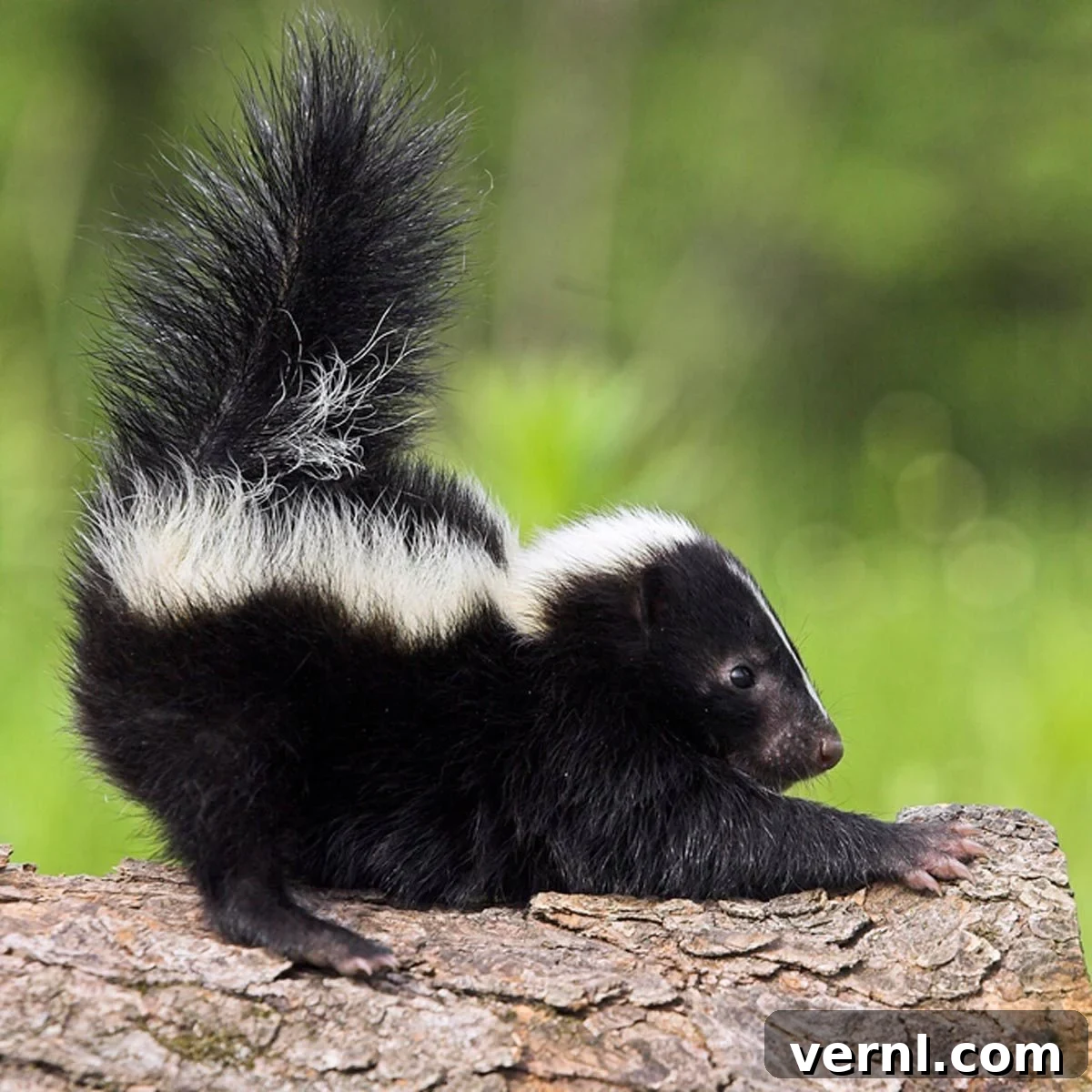
There are few experiences as jarring and unpleasant as encountering the pungent, unmistakable aroma of fresh skunk spray. This notoriously potent scent, often described as a mix of rotten eggs, burning rubber, and sulfur, can infiltrate your car, home, clothing, and even your beloved pets, leaving a lingering, overwhelming stench. Unlike many other odors, skunk spray doesn’t just fade away with time; its oily, tenacious compounds bond stubbornly to surfaces, making it incredibly difficult to neutralize.
A casual whiff on a country road is a mere whisper compared to the full force of a direct spray. The longer you wait to address a skunk encounter, the more deeply embedded the odor becomes, making remediation a greater challenge. Acting swiftly and methodically is paramount to successfully eradicating this pervasive smell. This comprehensive guide will equip you with proven strategies and step-by-step instructions to tackle skunk odor in every affected area, restoring freshness and peace to your environment.
Understanding Skunk Spray: Why It’s So Pungent and Persistent
To effectively combat skunk odor, it helps to understand what you’re up against. Skunks possess a pair of anal glands that produce a highly concentrated, oily liquid containing a cocktail of sulfur-containing organic compounds called thiols. These thiols are incredibly volatile, meaning they evaporate easily and spread rapidly through the air, carrying their foul odor far and wide.
The Chemistry of the Stench
The specific thiols (trans-2-butene-1-thiol, 3-methyl-1-butanethiol, and 2-quinolinemethanethiol) are what give skunk spray its distinctive and nauseating smell. These compounds are not only intensely malodorous but also highly persistent. Their oily nature allows them to adhere strongly to porous surfaces like fabric, fur, and even paint, making simple washing insufficient to break their molecular bonds and remove the smell.
Why Immediate Action is Crucial
The moment skunk spray makes contact, its oily thiols begin to bond with surfaces. The longer these compounds remain undisturbed, the more deeply they penetrate and the more challenging they become to remove. Heat, such as from a clothes dryer or a car’s heater, can actually “bake in” the odor, making it even harder to eliminate. Therefore, acting quickly with the right neutralizing agents is key to preventing a weeks-long battle with the stench.
General Precautions Before Tackling Skunk Odor
Before you begin the de-skunking process, a few general precautions can make the task safer and more effective:
- Gather Your Supplies: Ensure you have all necessary ingredients and tools before starting.
- Wear Protective Gear: Always wear rubber gloves to protect your hands. If dealing with a pet, consider wearing old clothes that you don’t mind discarding or thoroughly washing afterward.
- Ensure Ventilation: Open windows and doors, and use fans to maximize airflow, especially when working indoors or in a confined space like a car.
- Work Outdoors if Possible: For pets and heavily sprayed items, outdoor treatment prevents the odor from spreading indoors.
- Test in an Inconspicuous Area: Before applying any solution to fabrics, carpets, or painted surfaces, test it on a small, hidden spot to ensure it doesn’t cause discoloration or damage.
How to Get Rid of Skunk Smell in Your Car
A direct hit on a skunk while driving can turn your vehicle into an unbearable mobile stink bomb. The odor not only permeates the exterior but can also seep into the interior, affecting upholstery, carpets, and air vents. Immediate and thorough action is essential to reclaim your car.
Step-by-Step Car De-Skunking
- Prepare the Neutralizing Solution: In a bowl or bucket, combine one quart of 3% hydrogen peroxide, 1/4 cup of baking soda, and one teaspoon of liquid dish soap. Stir gently until the baking soda dissolves. This mixture creates an oxidation reaction that chemically alters the thiol molecules, effectively neutralizing the odor rather than just masking it.
- Clean the Interior Surfaces: Using a clean cloth, gently scrub all affected interior surfaces. Focus on areas where the smell is strongest, which often include floor mats, seat cushions, door panels, and the dashboard. Do not saturate the materials, as excessive moisture can lead to mildew or damage. Work the solution into the fabric and allow it to sit for a few minutes before wiping clean with a damp cloth. For hard-to-reach areas or air vents, a spray bottle can be useful for light application, followed by wiping.
- Wash Carpets and Upholstery: After applying the neutralizing solution, thoroughly wash your car’s carpet and upholstery with clean water and a mild car-specific interior cleaner. Use a clean cloth or a wet/dry vacuum cleaner for a deeper clean. To aid in drying and further absorb residual odor, press a fresh, dry cloth firmly into the carpet and upholstery. You may need to repeat this step several times until the cloth no longer picks up excessive moisture or odor.
- Wash the Car’s Exterior: The skunk’s spray and oily residue likely covered the exterior of your car, especially the undercarriage, tires, and lower body panels. Give your car a thorough wash, paying special attention to these areas. Use a strong car wash soap and a dedicated brush for tires and wheel wells. A pressure washer can be very effective for rinsing the undercarriage.
- Tackle Lingering Odors with Absorbents: Even after cleaning, a faint smell might persist. To absorb any remaining odor, place several small plastic containers filled with activated charcoal in your car. Cut a few small holes in the lids to allow for air circulation. Leave these in your car for a few weeks, replacing the charcoal as needed. Activated charcoal is highly porous and excellent at trapping airborne odor molecules. Alternatively, bowls of white vinegar or coffee grounds can also help absorb residual smells, though charcoal is often the most potent option.
Advanced Tips for Car Odor Removal
- Consider an Ozone Generator: For stubborn, deeply embedded odors, an ozone generator can be effective. However, these machines must be used with extreme caution and only in an unoccupied vehicle, as ozone is a powerful oxidant that can be harmful to humans and pets. Always follow manufacturer instructions carefully.
- Replace Cabin Air Filter: If the odor seems to be coming through your car’s ventilation system, replace your cabin air filter. It likely trapped skunk odor molecules.
- Professional Detailing: For severe cases or if you’re uncomfortable with DIY methods, professional automotive detailers have specialized equipment and chemicals to tackle skunk odor.
How to Get Rid of Skunk Smell in Your House
While a skunk rarely enters a house, its pungent odor can easily drift indoors if a sprayed pet or person enters, or if the spray occurs near an open window or ventilation system. The smell can quickly permeate fabrics, carpets, and even hard surfaces.
Step-by-Step Home De-Skunking
- Maximize Ventilation: Immediately open all windows and doors to create cross-ventilation. If you have them, run ceiling fans and portable fans to circulate fresh air and push the odorous air outdoors. The more airflow, the faster the volatile thiols can dissipate.
- Deploy Vinegar: White vinegar is an excellent natural deodorizer due to its acidic properties, which help neutralize alkaline odors. Place shallow dishes filled with white vinegar around the affected rooms, ensuring they are out of reach of pets and young children. For a more intense effect, gently heat a pan of vinegar on the stovetop; the evaporating vinegar will help neutralize airborne odors throughout the house.
- Address Soft Surfaces: All fabric items, including curtains, throw blankets, and cushion covers, that may have come into contact with the odor should be removed and laundered (see “How to Get Rid of Skunk Smell on Clothing” below). For carpets and upholstery that cannot be easily washed, sprinkle a generous amount of baking soda, let it sit for several hours (or overnight), and then vacuum thoroughly. Baking soda is a natural absorbent that can draw out odors.
- Clean Hard Surfaces: Wipe down all hard surfaces like walls, floors, furniture, and countertops with a solution of one part white vinegar to two parts water. For painted walls, test on an inconspicuous spot first. The oily nature of skunk spray means it can adhere to these surfaces, and a thorough wipe-down is necessary.
Comprehensive Home Odor Elimination
- Air Purifiers with Activated Carbon: An air purifier equipped with an activated carbon filter can help filter out odor molecules from the air.
- Professional Cleaning: For severe, persistent odors, especially if it has permeated drywall, insulation, or HVAC systems, professional odor remediation services may be necessary. They use industrial-grade ozone generators or hydroxyl generators.
- Repainting: In extreme cases where the odor has deeply penetrated walls, sealing the walls with an odor-blocking primer (like shellac-based primers) and then repainting can be effective.
How to Get Rid of Skunk Smell on a Pet
If your beloved dog or cat has had a close encounter with a skunk, don’t despair! While overwhelming, the odor can be neutralized with the right solution. Forget the old wives’ tale about tomato juice; it only masks the smell temporarily. The key is to use an oxidizer that chemically breaks down the thiols.
The Humane Society’s Recommended Solution
This powerful, yet pet-safe, solution is highly effective:
- Prepare the Solution Immediately: In a large, open container (like a plastic bucket), mix one quart of 3% hydrogen peroxide, 1/4 cup of baking soda, and one teaspoon of liquid dish soap. It’s crucial to mix this solution just before use, as hydrogen peroxide and baking soda can react to produce oxygen gas, which can build pressure in a sealed container. Never store this mixture.
- Protect Your Pet and Yourself: Before applying, put on rubber gloves to protect your hands. Carefully apply the solution to your pet’s fur, starting from the neck and working your way back. Avoid getting the solution in their eyes, mouth, nose, or ears. Use a cloth or sponge to gently wipe around their face, being extra cautious. The thiols in skunk spray can also irritate your pet’s eyes and respiratory system, so keep an eye out for any distress.
- Rinse and Shampoo Thoroughly: Allow the solution to sit on your pet’s fur for about 5-10 minutes, ensuring it has time to work its magic. Then, rinse your pet thoroughly with plenty of clean water. Follow up with a regular pet shampoo to remove any remaining residue and leave their coat clean and fresh. Some pet shampoos are specifically designed with neutralizing agents for skunk odors, which can be an excellent follow-up step.
Important Considerations for Pet De-Skunking
- Repeat if Necessary: For very strong odors or deeply ingrained spray, you may need to repeat the treatment.
- Check for Eye Irritation: If your pet’s eyes appear red, irritated, or if they are showing signs of discomfort, consult your veterinarian. Skunk spray can cause temporary eye irritation or, in rare cases, more serious issues.
- Contain the Odor: Bathe your pet outdoors if possible, or in a utility tub, to prevent spreading the odor throughout your bathroom.
How to Get Rid of Skunk Smell on Clothing and Washable Fabrics
Clothing that has been sprayed or come into contact with skunk odor can hold onto the smell tenaciously. Standard washing often isn’t enough, as the heat from a dryer can unfortunately “set” the odor.
Step-by-Step Clothing De-Skunking
- Pre-Soak in Vinegar Solution: Fill a tub or large bucket with a solution of one part white vinegar to four parts water. Submerge the washable clothing or fabric items completely in this solution for several hours, or even overnight for very strong odors. The acetic acid in vinegar helps to break down the thiol compounds.
- Rinse and Wash with Baking Soda: After soaking, remove the clothing and rinse it thoroughly with clean water. Then, wash the items in your washing machine using hot water (if the fabric allows) with your usual laundry detergent. Add 1/2 cup of baking soda directly to the wash cycle. Baking soda further aids in odor absorption and neutralization. Consider adding an extra rinse cycle to ensure all residues are removed.
- Hang Dry Outdoors: The crucial step is to air dry the clothing outdoors if weather permits. Sunlight and fresh air are natural deodorizers and will help dissipate any remaining faint smells. Do NOT use a clothes dryer until you are absolutely certain the odor is gone. The heat from the dryer can permanently embed the skunk smell into the fabric fibers, making it nearly impossible to remove later.
Additional Tips for Fabric Treatment
- Multiple Washes: For extremely strong odors, you may need to repeat the soaking and washing process multiple times.
- Delicate Fabrics: For delicate items that cannot withstand hot water or harsh treatment, consider a gentle soak in vinegar solution followed by hand washing and air drying, or seek professional dry cleaning.
- Non-Washable Items: For items like leather or certain upholstery, a professional cleaner specializing in odor removal may be required.
Preventing Future Skunk Encounters
The best way to deal with skunk odor is to avoid it altogether! Here are some tips to minimize the chances of a future encounter:
- Secure Trash Cans: Skunks are attracted to food sources. Use tightly sealed, heavy-duty trash cans to prevent them from foraging.
- Remove Pet Food: Don’t leave pet food bowls outdoors, especially overnight.
- Seal Entry Points: Seal any openings or holes around your home’s foundation, sheds, or decks to prevent skunks from creating dens.
- Clear Brush and Debris: Reduce potential hiding spots by clearing dense brush piles, woodpiles, and overgrown areas in your yard.
- Install Motion-Activated Lights: Skunks are nocturnal. Motion-activated lights can deter them from approaching your property.
- Drive Cautiously at Dawn and Dusk: Skunks are most active during these times. Be extra vigilant when driving, especially on rural roads, to avoid hitting them.
When to Call a Professional
While the DIY methods outlined here are highly effective for most skunk odor situations, there are instances when professional intervention is warranted:
- Severe or Persistent Odor: If, after repeated attempts, the odor remains overwhelming or returns, especially in cars or homes, professionals have access to industrial-grade equipment and chemicals.
- Large Areas Affected: If a significant portion of your home, including insulation, HVAC ducts, or multiple rooms, is affected.
- Delicate or Valuable Items: For items like fine rugs, antique furniture, or specialized vehicle interiors, a professional cleaner can ensure safe and effective odor removal without damage.
Conclusion: Reclaiming Your Environment from Skunk Odor
A skunk encounter can be a truly miserable experience, but it doesn’t have to result in a permanently malodorous environment. By understanding the nature of skunk spray and employing these targeted, effective solutions, you can successfully neutralize the offending odor from your car, home, pets, and clothing. Remember, prompt action, the right neutralizing agents, and thorough cleaning are your best allies in reclaiming freshness and peace from the pervasive stench of skunk spray.