The Ultimate Guide to Cleaning Outdoor Cushions for Lasting Beauty and Comfort
Outdoor cushions are more than just functional accessories; they are vital elements of your patio or deck decor, injecting vibrant colors and unparalleled comfort into your outdoor living spaces. Designed to endure the rigors of sun, rain, and fluctuating temperatures, these resilient fabrics still require a consistent regimen of tender loving care and routine cleaning to maintain their pristine appearance and extend their lifespan. This comprehensive guide will equip you with expert tips, step-by-step instructions, and essential knowledge to keep your outdoor cushions looking fresh, vibrant, and inviting throughout every season.
Investing a little time in properly caring for your outdoor furniture and cushions not only preserves their aesthetic appeal but also offers significant financial benefits by delaying the need for costly replacements. Moreover, by extending the life of your outdoor textiles, you contribute positively to environmental sustainability, keeping usable items out of landfills. With a few readily available supplies and this ultimate cleaning guide, your outdoor cushions will remain a sparkling highlight of your outdoor oasis for years to come.
Why Regular Cleaning of Outdoor Cushions is Essential
Maintaining the cleanliness of your outdoor cushions goes far beyond mere aesthetics. It’s a critical practice for preserving their quality, ensuring hygiene, and maximizing your investment. Here’s why consistent cleaning is non-negotiable:
- Extends Lifespan: Dirt, grime, pollen, and environmental pollutants can slowly degrade fabric fibers, leading to premature wear, fading, and deterioration. Regular cleaning removes these abrasive particles, protecting the integrity of the material and significantly extending the life of your cushions.
- Maintains Aesthetics: Clean cushions instantly elevate the look of your entire patio or deck. They retain their original vibrant colors and fresh appearance, making your outdoor space more inviting and visually appealing. Uncleaned cushions quickly become dull, stained, and unsightly.
- Prevents Mold and Mildew: Outdoor environments are breeding grounds for mold and mildew, especially in humid conditions. These fungi not only create unpleasant odors and unsightly black spots but can also cause serious fabric damage and pose health risks. Regular cleaning, particularly with mildew-fighting agents, is crucial for prevention.
- Ensures Hygiene: Outdoor cushions accumulate dust, pet dander, pollen, and various airborne particles. They can also become host to allergens and bacteria. Cleaning sanitizes the fabric, making your seating healthier and safer for family and guests.
- Saves Money: By preventing damage and prolonging the life of your cushions, you avoid the expense of frequent replacements. Quality outdoor cushions can be a significant investment, and proper care ensures you get the most out of them.
Preparation: Setting the Stage for Successful Cushion Cleaning
Before you dive into cleaning, a little preparatory work can make a huge difference in the outcome, ensuring an effective and damage-free process. Skipping these crucial steps can lead to suboptimal results or even harm your cushions.
- Consult the Care Tag: This is arguably the most important first step. Most outdoor cushions come with a care label stitched into the fabric, providing specific cleaning instructions from the manufacturer. These instructions are tailored to the fabric type and construction of your cushions. Pay close attention to warnings regarding bleach, machine washing, or specific cleaning agents. If a care tag is missing, search online for the manufacturer’s name and model number to find care information on their website. Adhering to these guidelines is paramount to prevent damage and maintain warranty validity.
- Perform a Spot Test: Always, without exception, test any cleaning solution or treatment on an inconspicuous area of the cushion fabric before applying it broadly. A small, hidden patch (perhaps on the underside or a seam) is ideal. Apply a tiny amount of the solution, let it sit for a few minutes, then rinse and blot dry. Observe the area for any discoloration, fading, fabric degradation, or adverse reactions. This precaution protects your cushions from potential damage caused by incompatible cleaners.
- Designate a Safe Cleaning Area: Choose a suitable outdoor location for cleaning your cushions. An ideal spot is a flat, paved surface away from delicate plants or landscaping, as cleaning solution runoff could harm vegetation. Lay down a large tarp or plastic sheeting beneath your work area. This protective barrier serves multiple purposes: it prevents the cushions from getting re-soiled in damp or muddy spots, catches any runoff from cleaning agents, and provides a clean, stable surface to work on. Ensure good drainage in your chosen spot to prevent standing water.
- Gather All Supplies: Have all your tools and cleaning agents within arm’s reach before you begin. This streamlines the process and ensures you don’t have to stop mid-clean to search for an item.
Essential Tools and Supplies for Outdoor Cushion Cleaning
A well-stocked cleaning arsenal makes the task much easier and more efficient. Here’s a list of the key tools and supplies you’ll need:
- Mild Liquid Soap: A gentle, pH-neutral liquid soap is the cornerstone of most DIY cleaning solutions. Options include dish soap (like Dawn), laundry detergent designed for delicate fabrics, or even baby shampoo. Avoid harsh detergents that contain strong chemicals or abrasives, which can strip protective coatings or damage fabric fibers.
- Soft-Bristle Brush or Sponge: For applying cleaning solutions and gently scrubbing fabrics, a soft-bristle brush (like a car wash brush or a designated upholstery brush) or a clean sponge is ideal. These tools effectively work the solution into the fabric without causing abrasion or pilling. Avoid stiff brushes, which can damage delicate fibers.
- Garden Hose with Spray Nozzle: A garden hose with an adjustable spray nozzle is essential for thoroughly rinsing cushions. Opt for a low-pressure setting to avoid saturating the cushions excessively or damaging the fabric.
- Bleach (for mold and mildew) or Bleach-Free Alternative: For tackling stubborn mold, mildew, or severe stains, a diluted bleach solution can be highly effective for bleach-safe fabrics. Always check the care tag before using bleach. If bleach is not recommended, a commercial bleach-free mold and mildew stain remover (often found in marine or outdoor supply stores) is a safe alternative. For application, a spray bottle ensures even distribution.
- Grease Stain Remover (Optional): For specific oily or greasy stains from food or sunscreen, a pre-treatment degreaser is invaluable. Look for an enzyme-based fabric spot cleaner or a specialized outdoor fabric degreaser. Apply it with a soft cloth or brush.
- Clean Buckets: You’ll need at least two buckets: one for mixing your cleaning solution and another for rinse water or to hold clean tools.
- Spray Bottle: Useful for applying targeted cleaning solutions, especially bleach mixes, and ensuring even coverage.
- Protective Gloves and Eyewear: When working with cleaning agents, especially bleach, always wear rubber gloves to protect your hands and safety glasses to shield your eyes from splashes.
- Clean Towels/Microfiber Cloths: For blotting stains and excess water.
- Tarp or Plastic Sheeting: As mentioned in the preparation section, for protecting your cleaning area and keeping cushions clean during the process.
Crafting the Best DIY Cleaning Solution for Outdoor Cushions
While commercial cushion cleaners are available, you can absolutely create highly effective and economical cleaning solutions at home. The most versatile DIY solution effectively tackles general dirt, grime, and even mold and mildew.
Your best bet for an all-purpose outdoor cushion cleaner combines mild liquid soap, water, and, if safe for your fabric, a touch of bleach.
- For General Cleaning: Mix 1/4 cup of mild liquid soap (such as dish soap) with one gallon of lukewarm water. This gentle solution is excellent for routine cleaning and light dirt.
- For Mold and Mildew: If your cushion’s care tag confirms it can handle bleach, combine one cup of household bleach and 1/4 cup of mild liquid soap per gallon of water. This powerful solution targets and eradicates fungal growth. Remember to perform a spot test first and wear protective gear. If bleach is not permitted, substitute it with a bleach-free oxygen cleaner or a specialized mold and mildew remover according to product instructions.
Once you have gathered your tools and prepared your DIY cleaning solution, you’re ready to proceed with cleaning. The method you choose will depend on the specific needs of your cushions.
Routine Cleaning for Everyday Dirt and Grime
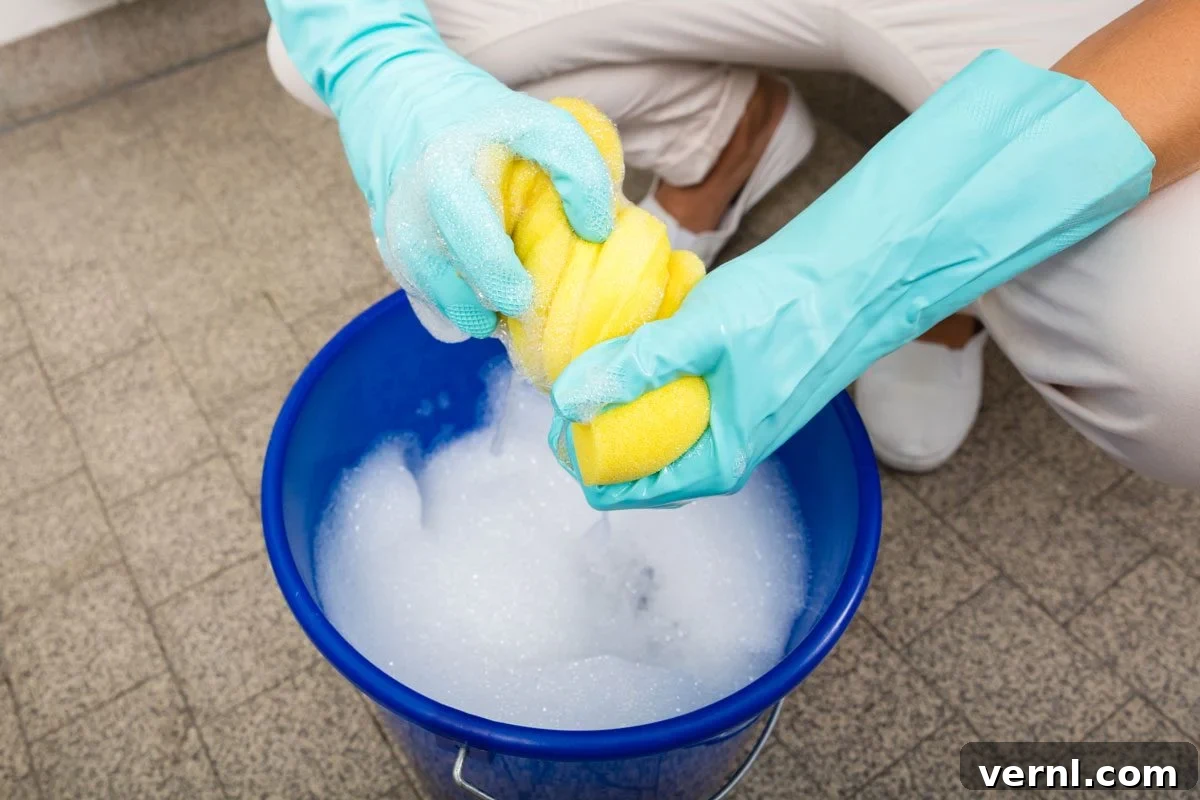
For cushions that need a refresh from everyday dust, pollen, and light dirt, a routine cleaning method is all it takes. The experts at outdoor furniture company Frontgate recommend this simple yet effective approach:
- Brush Off Loose Debris: Begin by thoroughly brushing off any loose dirt, leaves, dust, or pet hair from the surface of the cushions using a soft-bristle brush or even a dry cloth. This prevents these particles from turning into muddy streaks once wet.
- Prepare the Cleaning Solution: In a clean bucket, mix 1/4-cup of mild liquid soap per gallon of lukewarm water. Stir gently until the soap is fully dissolved and produces light suds.
- Apply the Solution: Dip a clean sponge or a soft-bristle brush into the soapy water. Apply the mixture evenly across the entire surface of the cushion, working in sections. Ensure the fabric is thoroughly saturated but not overly drenched. For best results, clean the entire surface to avoid water marks or uneven cleaning patches.
- Allow to Soak: Let the soapy solution penetrate the fabric for approximately 5-10 minutes. This allows the soap to break down dirt and loosen grime effectively. Avoid letting the solution dry on the fabric.
- Thorough Rinse: Using a garden hose on a low-pressure setting, thoroughly rinse the cushions. Start from the top and work your way down, ensuring all traces of soap residue are completely flushed out. Soap left behind can attract more dirt and lead to mildew. Continue rinsing until the water runs clear and no suds are visible.
- Air Dry Completely: Position the cushions upright or on their sides to facilitate optimal airflow and drainage. Allow them to air dry completely in a well-ventilated area, preferably in partial shade to prevent UV damage and rapid evaporation, which can lead to water spots. Ensure the cushions are bone dry before returning them to your furniture or storing them, as residual moisture can lead to mildew.
Pro Tip: If your cushions feature removable covers, take advantage of this design. Remove the covers and soak them directly in the cleaning solution. This allows for deeper penetration and more thorough cleaning. After soaking, gently sponge or brush any soiled areas, then rinse thoroughly with clean water until all soap is gone. Hang them to air dry completely before reattaching them to the cushion inserts.
Heavy-Duty Cleaning for Soiled Outdoor Cushions and Mildew Removal
When your outdoor cushions are faced with stubborn stains, deep-seated dirt, or the unwelcome appearance of mold and mildew, a more robust cleaning approach is necessary. Alan Rampey, Director of Technical Services at Sunbrella, a leading outdoor fabric manufacturer, often recommends specialized products like 303 Multi-Surface Cleaner, which is formulated to be effective on various water-safe synthetic, natural, and delicate fabrics. However, for pervasive mildew, incorporating bleach into your cleaning process is often the most effective solution, provided your fabric can tolerate it.
Mildew, recognizable by its musty odor and often appearing as black, gray, or white spots, thrives in damp, humid conditions. It not only looks unappealing but can also damage fabric fibers over time. As Mr. Rampey emphasizes, “Become familiar with the limitations of your outdoor fabrics, and don’t use anything too harsh for your textiles.” He adds, “Sunbrella fabrics of all colors can stand up to cleaning with bleach, but other fabrics may fade with bleach use.” This underscores the critical importance of checking care labels and performing a spot test before using bleach.
Always exercise caution when working with bleach. Protect your skin by wearing gloves, shield your eyes with safety glasses, and wear old clothes that you don’t mind getting stained. Ensure you work in a well-ventilated area.
The Frontgate team suggests this powerful step-by-step method for heavy-duty cleaning and mildew removal:
- Prepare the Bleach Solution: In a clean bucket, mix a solution of one cup of household bleach and 1/4-cup of mild liquid soap (such as dish soap) per gallon of water. Stir well to ensure all ingredients are thoroughly combined.
- Apply Evenly: Transfer the solution to a spray bottle for controlled application. Liberally spray the entire surface of the cushion, paying extra attention to areas with visible mold, mildew, or heavy soiling. Ensure the fabric is thoroughly saturated.
- Allow to Dwell: Let the cleaning solution soak into the fabric for approximately 15 minutes. This dwell time allows the bleach to effectively kill mildew spores and the soap to break down stubborn dirt and stains. Do not allow the solution to dry on the fabric during this period; if necessary, lightly re-spray to keep it moist.
- Agitate Stains: For persistent stains or deeply embedded grime, gently blot the areas with the solution using a sponge or a clean towel. Alternatively, a soft-bristle brush can be used to gently rub the solution into the fabric, working in small circular motions to lift the dirt without damaging the fibers.
- Rinse Thoroughly: Using a garden hose on a low-pressure setting, rinse the cushions extremely thoroughly. It is crucial to remove all traces of the bleach and soap solution from the fabric. Rinse until no suds are visible and the water runs completely clear. Any residual bleach can continue to affect the fabric and potentially weaken it over time, while soap residue attracts new dirt.
- Air Dry Completely: Position the cushions to allow for maximum air circulation and drainage. Stand them on end or prop them up to ensure water can fully drain out. Allow them to air dry completely in a well-ventilated area, ideally out of direct, intense sunlight. Full dryness is essential to prevent the re-growth of mold and mildew.
Stain and Spot Treating Outdoor Cushions
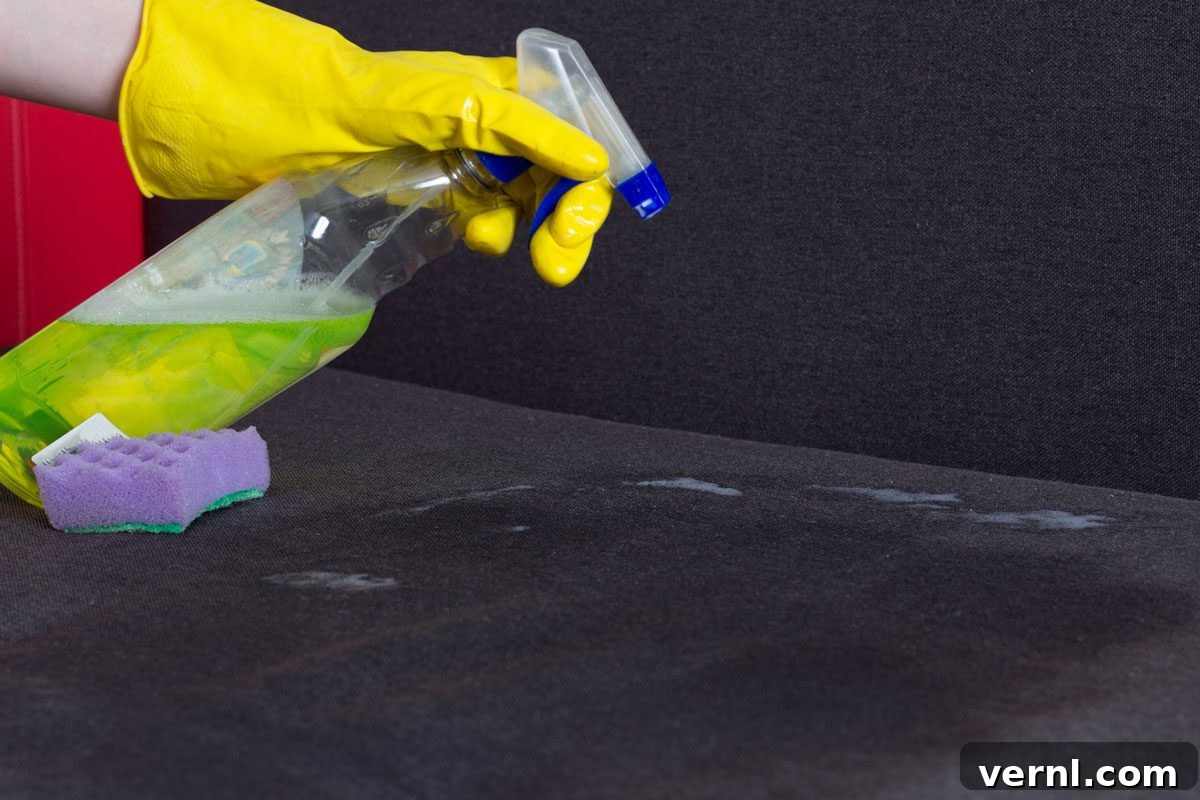
Just like indoor upholstery, outdoor cushions are susceptible to spills and stains from food, beverages, dirt, and even tree sap. As Alan Rampey wisely advises, “The sooner you treat the stain, the better.” Prompt action significantly increases the chances of complete stain removal.
For Most Liquid Stains (e.g., milk, red wine, juice, soda):
Most common liquid spills can be effectively treated with a simple mild soap and water solution:
- Blot Immediately: As soon as a liquid spill occurs, blot the stain with a clean, dry cloth or paper towel. Do not rub, as rubbing can spread the stain and push it deeper into the fabric fibers. Continue blotting until you’ve absorbed as much of the liquid as possible.
- Prepare Spot Cleaning Solution: Mix a drop or two of mild liquid soap (such as dish soap) with about a cup of warm water in a spray bottle. Shake gently to mix.
- Apply and Clean: Spray the solution directly onto the stain. Using a clean sponge or a soft-bristle brush, gently clean the affected area. It’s often recommended to clean the entire surface area of the cushion, or at least a larger section surrounding the stain, rather than just the visible spot. This helps to prevent water rings or uneven cleaning marks. Work the solution into the fabric with gentle circular motions.
- Rinse and Dry: Rinse the treated area thoroughly with a garden hose on a low-pressure setting, ensuring all soap residue is removed. Blot dry with a clean towel and then allow the cushion to air dry completely.
For Greasy Stains (e.g., food grease, sunscreen, cooking oil):
Greasy stains require a more targeted approach due to their oily nature:
- Pretreat with Degreaser: For fresh greasy stains, Rampey recommends pretreating the fabric with a strong degreaser. Apply an enzyme-based fabric spot cleaner or a specialized degreaser directly to the stain. Allow it to sit and penetrate the fabric for 30 minutes to an hour. It’s crucial to keep the fabric wet during this dwell time, so periodically reapply the degreaser or mist with water.
- Clean and Rinse: Using a sponge or a soft-bristle brush, gently clean the entire surface of the cushion, or at least the entire panel containing the stain, to ensure an even finish. Rinse thoroughly with a garden hose on a low-pressure setting until all the degreaser solution is completely gone and the water runs clear.
- Air Dry: Allow the fabric to air dry completely.
Alternatively, Rampey suggests using common household cornstarch to absorb oily spills:
- Apply Cornstarch: As soon as an oily spill occurs, liberally sprinkle cornstarch directly onto the spot. The cornstarch acts as an absorbent, drawing the oil out of the fabric fibers.
- Allow to Absorb: Let the cornstarch sit on the stain for several hours, or even overnight, to give it ample time to absorb the oil.
- Remove and Clean: Carefully scrape off the excess cornstarch using a straight edge (like a credit card or a dull knife). Then, clean the remaining residue with a solution of mild soap and water, as described in the liquid stain treatment method above.
- Rinse and Dry: Rinse the area with clean water until all the soap and cornstarch residue is gone. Allow the cushions to air dry completely.
How To Keep Outdoor Cushions Clean and Protected Long-Term
Beyond active cleaning, proactive measures are key to prolonging the beauty and lifespan of your outdoor cushions, minimizing the need for intensive cleaning, and protecting your investment.
- Utilize Water-Repellent Covers: The simplest and most effective way to keep outdoor patio cushions and furniture clean is to protect them when not in use. Invest in high-quality, water-repellent covers specifically designed for outdoor furniture and cushions. These covers shield your items from rain, dew, dust, pollen, bird droppings, and UV radiation, significantly extending their life and keeping them cleaner between uses. During the off-season, consider storing cushions indoors or in a weatherproof storage container.
- Ensure Proper Drying After Rain: Even with water-repellent fabrics, prolonged exposure to moisture can lead to saturation and the potential for mildew. If your cushions have been exposed to heavy rain, especially if they have removable zippered covers, the Frontgate team advises a clever drying technique: open the zippers and stand the cushions on one end with the open zippers or seam side down. This orientation allows any trapped water to drain out effectively and expedites the drying process. Crucially, ensure the cushion interior dries completely before using it again or storing it, as any residual moisture is an invitation for mold and mildew to flourish.
- Regular Brushing and Vacuuming: Don’t wait for a deep clean. Periodically brush off loose dirt, leaves, and debris with a soft brush, or use a handheld vacuum with an upholstery attachment to remove dry soil, pollen, and dust. This simple routine prevents grime from building up and becoming embedded in the fabric.
- Re-treat for Water and Stain Repellency: Over time, repeated cleanings and continuous exposure to the elements can diminish the factory-applied water and stain-repellent properties of outdoor fabrics. If you notice your cushions are absorbing water more readily or staining more easily, it’s time to refresh their protective barrier. Frontgate recommends re-treatment agents like 303 Fabric Guard. This spray-on solution is designed to restore and enhance the water and stain-repelling capabilities of outdoor fabrics, effectively bringing them back to factory-new levels of protection. Apply according to the product instructions, typically on clean, dry cushions, ensuring even coverage and allowing it to cure properly.
By integrating these preventative measures and cleaning techniques into your outdoor furniture care routine, your cushions will remain beautiful, comfortable, and a source of pride for many seasons to come.
About Our Experts
- Alan Rampey serves as the Director of Technical Services for Sunbrella, a renowned leader in performance fabrics for outdoor and indoor applications. His expertise is invaluable in understanding fabric care and longevity.
- Frontgate is a well-established company known for its high-quality outdoor furniture and home furnishings, offering practical advice derived from years of industry experience.